
Running in Singapore’s year-round tropical heat and high humidity presents unique challenges for managing body temperature and sweat. When selecting running gear, many athletes focus heavily on lightweight shirts and shorts, often overlooking how accessories like waist pouches interact with the body. A standard waist pouch can quickly become a heavy, sweat-soaked barrier that traps heat, slips out of place, and causes painful skin irritation. To maintain comfort and performance during outdoor runs, your choice of waist pouch must prioritize active ventilation, moisture-wicking capabilities, and structural stability.
Choosing the right gear requires shifting your focus from simple storage capacity to verifiable material performance and design features. A breathable waist pouch acts as an extension of your running apparel, allowing air to circulate and sweat to evaporate rather than pooling against your skin. By understanding how tropical conditions affect different fabrics and designs, you can make an informed decision that keeps your essentials secure without compromising your comfort.
Why Tropical Humidity Changes Your Waist Pouch Requirements
In a tropical climate like Singapore’s, relative humidity levels frequently exceed 80 percent, which significantly impairs the natural evaporation of sweat from your skin. When you run, your body relies on this evaporation process to cool down and regulate its core temperature. Introducing a non-breathable accessory, such as a thick nylon or heavily coated polyester waist pouch, creates an impermeable barrier over your lower back or abdomen. This barrier traps a layer of hot, humid air directly against your skin, accelerating perspiration and causing localized overheating.
Products mentioned in this guide
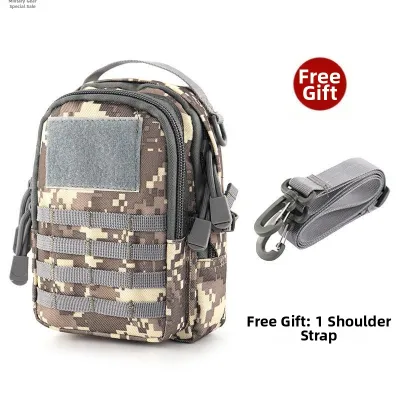
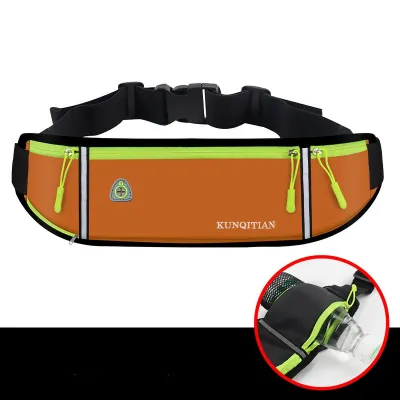
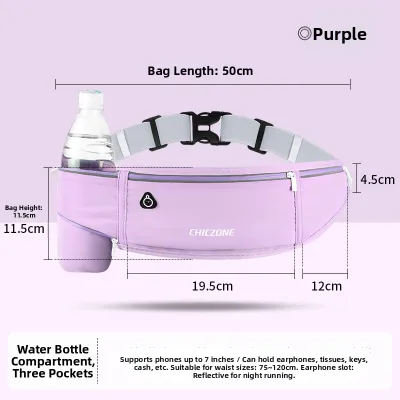
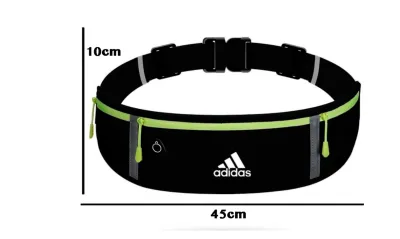
![[Water Resistant] Sling Bag / Sling Pouch / Waist Bag / Waist Pouch / Cross Body Bag / Cross Body Pouch](https://img.lazcdn.com/g/p/ef58ae75ae52b149a672bf5b19d03f9a.jpg_400x400q80.jpg_.webp)
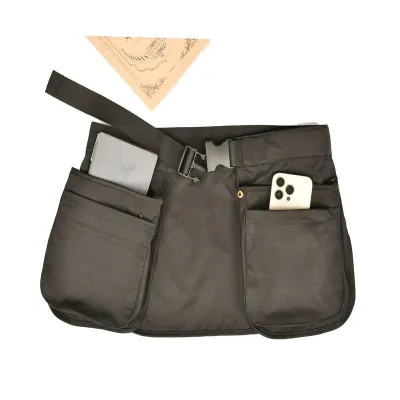
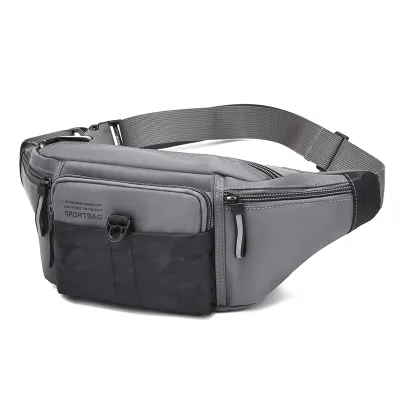
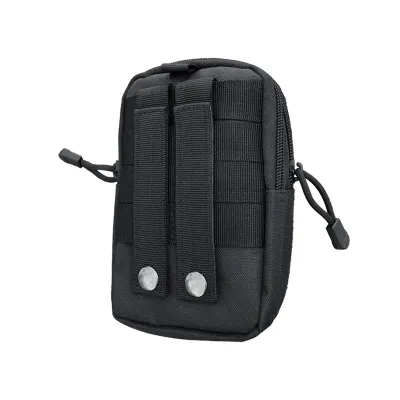
Prices are valid at publication and may change. Please refer to the product page for the latest price.
As sweat accumulates under a non-breathable pouch, the fabric quickly becomes saturated. Standard materials that lack moisture-wicking properties will absorb and hold this water, dramatically increasing the overall weight of the pouch during your run. A pouch that felt light and unobtrusive when dry can become heavy and saggy after just a few kilometers. This added weight causes the pouch to bounce rhythmically against your hips, which not only disrupts your running rhythm but also forces you to tighten the strap to uncomfortable levels to prevent slipping.
The combination of trapped moisture, heat, and constant movement creates the perfect environment for skin friction and chafing. Wet skin is significantly softer and more vulnerable to micro-tears than dry skin. When a heavy, sweat-soaked strap rubs repeatedly against damp skin, it can cause painful chafing, raw spots, and heat rash. These issues are not merely uncomfortable; they can cut your training sessions short and take days to heal, disrupting your consistency.
Furthermore, many runners mistakenly opt for fully waterproof waist pouches to protect their belongings from sudden tropical downpours. While water resistance is valuable, heavy polyurethane coatings or solid plastic backings completely block airflow. This design choice solves one problem while creating another, as the pouch will trap sweat from the inside even when it is not raining. Balancing weather protection with constant breathability is essential for comfortable running in humid conditions.
Verifiable Features for Breathability and Moisture Management
To ensure a waist pouch can handle high humidity, you must look past generic marketing claims and verify specific material features and construction details. The most critical area to inspect is the back panel, which makes direct contact with your body. Look for pouches that utilize 3D spacer mesh or open-structured mesh panels. This specialized fabric features a three-dimensional weave that physically lifts the main body of the pouch away from your skin, creating a continuous channel for air to flow and sweat to escape.

In addition to mesh panels, high-performance running pouches often incorporate laser-cut perforations along the waistband and pocket structures. These tiny, precision-cut holes increase ventilation without compromising the structural integrity of the fabric. When examining a pouch, hold it up to the light; you should be able to see light passing through the ventilation zones, indicating clear pathways for airflow.
The material composition of the pouch and its strap is another verifiable indicator of performance. Check the product labels for synthetic technical fibers such as polyamide, polyester, and elastane. These materials are hydrophobic, meaning they resist absorbing water and instead pull moisture away from your skin to the outer surface of the fabric, where it can evaporate more quickly. Avoid any pouches that contain cotton or low-grade nylon blends, as these fibers retain moisture and dry very slowly.
Seam construction plays a vital role in preventing skin irritation on damp runs. Inspect the interior and edge seams of the waist pouch to ensure they are either flatlock stitched or seamlessly bonded using thermal welding. Flatlock seams lie completely flat against the fabric, eliminating the raised ridges that rub against your skin. Seamless bonding uses heat-activated adhesives to join fabric edges, creating an incredibly smooth surface that minimizes the risk of chafing even during long-distance runs.
Finally, evaluate the hardware, including the buckles, zippers, and strap adjusters. In humid environments, metal components are highly susceptible to rust and corrosion from exposure to salty sweat. Opt for high-quality, lightweight polymer buckles and plastic zippers that operate smoothly without sticking. The adjustment straps should be made of breathable, perforated elastic that retains its tension and elasticity over time, ensuring a secure fit that does not degrade after repeated exposure to moisture. While basic pouches can be found for under S$15, investing in a high-quality, technically designed running belt typically ranges from S$30 to S$60, which ensures more durable materials and better moisture management.
How to Test Fit and Ventilation Before Long Runs
Before committing to a long training run with a new waist pouch, it is essential to conduct a series of practical tests to evaluate its stability, comfort, and ventilation. Start by performing a loaded bounce test in a controlled environment. Pack the pouch with the exact items you plan to carry on your runs, such as your mobile phone, keys, and any energy gels. Adjust the waistband so it sits snugly on your preferred carrying position, whether that is high on your waist or low on your hips.
Once the pouch is loaded and adjusted, jog in place, perform a few jumping jacks, or run a short distance on a treadmill. Pay close attention to how the pouch behaves under movement. A well-designed running pouch should remain securely in place without bouncing, shifting, or sliding down your hips. If you find yourself constantly adjusting the strap or if the buckle digs painfully into your side, the pouch may not be compatible with your body shape or running mechanics.
Next, take the pouch on a short, high-intensity trial run of about 15 to 20 minutes during the humid hours of the morning or evening. This trial run will help you monitor skin contact zones for localized heat buildup. As you run, pay attention to whether the area under the pouch feels excessively hot or sweaty compared to the rest of your body. Immediately after finishing the run, remove the pouch and inspect your skin. Any deep red marks, localized rashes, or raw spots indicate areas of high friction or poor ventilation, suggesting that the fit is too tight or the fabric is trapping too much moisture.
The final step in your evaluation is to observe the drying speed of the pouch after your trial run. Hang the empty pouch in a well-ventilated indoor area away from direct sunlight. A high-quality, breathable running pouch made from technical synthetic fibers should feel dry to the touch within a few hours. If the fabric remains damp or heavy with moisture long after your run, it is a sign that the materials are retaining water, which can lead to odor buildup and fabric degradation over time.
Cleaning and Storage Routines for Humid Climates
Proper maintenance is crucial for preserving the breathability, elasticity, and hygiene of your running waist pouch in a tropical climate. Sweat contains body oils, salts, and acids that can accumulate within the fibers of the fabric over time. If left unwashed, these residues can clog the microscopic pores of breathable mesh, reducing its ventilation efficiency. Additionally, dried salt crystals can act as an abrasive, wearing down the synthetic fibers and causing the elastic straps to lose their tension.
To prevent this degradation, rinse your waist pouch in cool, fresh water immediately after every run. This simple step flushes out salt and sweat before they can dry and crystallize. For a deeper clean, hand wash the pouch using a mild, sports-specific detergent that is formulated to break down body oils without damaging technical fabrics. Avoid using standard laundry detergents that contain fabric softeners, as softeners leave a thin, waxy residue on the fibers that clogs the fabric’s pores and severely impairs its moisture-wicking capabilities.
After washing, gently squeeze out excess water without wringing or twisting the fabric, which can stretch out the elastic and damage the seams. Hang the pouch to air-dry in a shaded, well-ventilated indoor or outdoor space. Avoid exposing the pouch to direct, intense sunlight or using mechanical heat sources like clothes dryers or hair dryers. High heat can warp plastic buckles, melt adhesive bonds on seamless seams, and destroy the elastane fibers that provide the strap’s elasticity.
Ensure the waist pouch is completely dry inside and out before storing it. In Singapore’s humid climate, storing even slightly damp gear in enclosed spaces like drawers, closets, or gym bags creates an ideal breeding ground for mold, mildew, and odor-causing bacteria. Store your clean, dry pouch in an open, well-ventilated area to keep it fresh and ready for your next run.
Frequently Asked Questions (FAQ)
Can a highly breathable waist pouch protect my phone from sweat?
A highly breathable waist pouch is designed to let air and moisture pass through, which means sweat can potentially reach the items stored inside the main compartment. To protect your phone, look for pouches that feature a dual-compartment design, where the pocket facing your body is lined with a water-resistant barrier while the outer layers remain breathable. Alternatively, you can place your phone inside a simple, reusable zip-top plastic bag or a dedicated waterproof sleeve before sliding it into your waist pouch, ensuring complete protection from moisture without sacrificing the overall breathability of the gear.
Should I prioritize a waterproof or breathable pouch for running in Singapore?
For daily running in Singapore, breathability should always be your primary consideration. Because you will sweat continuously on every run, a fully waterproof pouch will trap heat and moisture against your body, leading to discomfort and chafing. While sudden tropical downpours do occur, they are temporary. The most effective strategy is to choose a highly breathable, comfortable waist pouch for daily sweat management, and carry a lightweight, waterproof insert or dry bag inside the pocket to protect your electronics and keys only when it rains.

Community discussion
Share your experience or ask a question. Comments are reviewed before publication.