
Finding a way to maintain cardiovascular fitness at home in Singapore often comes down to a battle for square footage. With the compact layouts of modern Housing & Development Board (HDB) flats and condominiums, traditional bulky cardio equipment like treadmills or elliptical trainers can easily overwhelm a living room or bedroom. An exercise step or compact step climber offers an efficient alternative, delivering a high-intensity lower-body workout within a fraction of the space.
However, selecting the right machine involves more than just picking the first option available on an online marketplace. To ensure your investment does not end up as an expensive clothes rack or a source of noise complaints from neighbors downstairs, you must systematically evaluate physical dimensions, mechanical drive systems, and structural stability. This guide outlines the essential specifications and practical checks to help you choose a step machine that fits seamlessly into your home and your fitness routine.
Key Dimensions and Storage Features for Small Spaces
Before browsing online listings, you must establish the exact boundaries of your intended workout zone. This area must accommodate not only the static footprint of the exercise step but also your body’s dynamic movement. When using a step machine, your body moves vertically and slightly horizontally, meaning you need to account for elbow flare and knee extension. Measure the floor space carefully, ensuring you have at least 50 to 60 centimeters of open space on all sides of the machine’s base.
Products mentioned in this guide
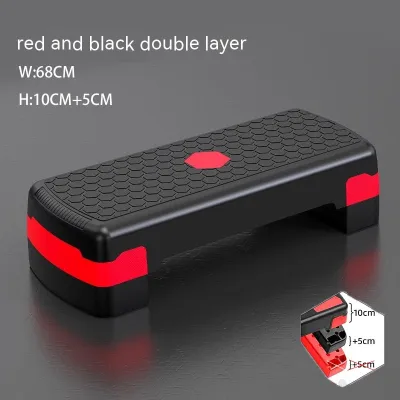
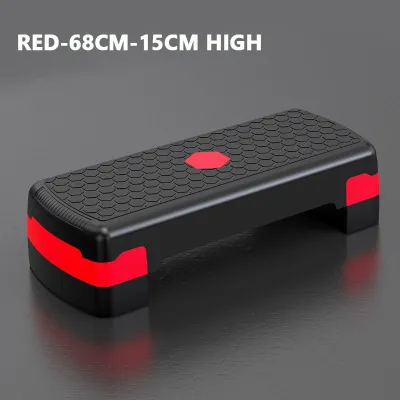
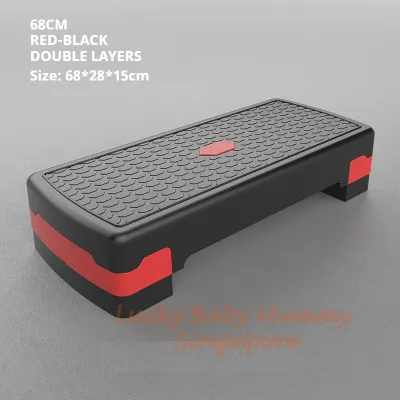
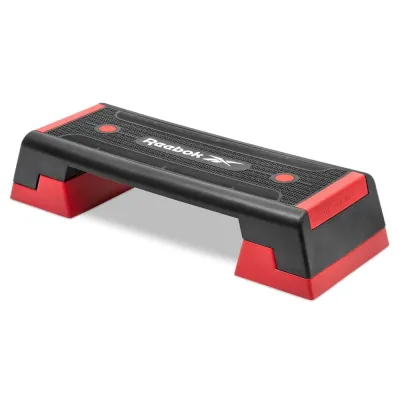
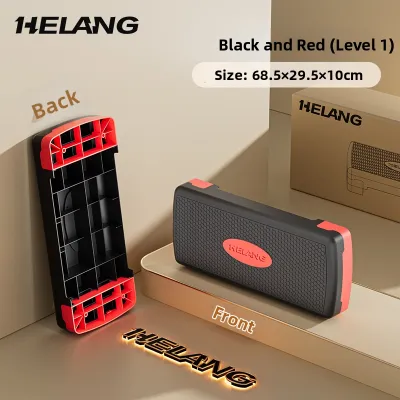
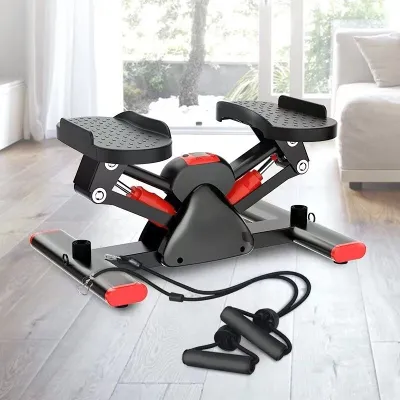
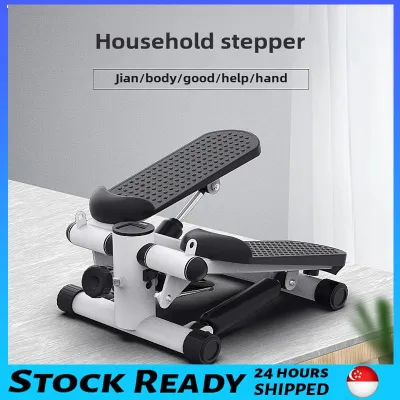
Prices are valid at publication and may change. Please refer to the product page for the latest price.
The choice between a fixed-frame step climber and a mini stepper largely dictates your storage strategy. Fixed-frame climbers, which often feature tall masts and handrails, provide excellent stability but require a permanent or semi-permanent footprint. If you choose a fixed-frame model, look for designs that incorporate a folding mechanism. A foldable frame allows the upright mast to collapse down toward the base, reducing the vertical height so the unit can be rolled into a utility closet or placed flat against a wall when not in use.
In contrast, mini steppers offer a highly compact design, often measuring no more than 40 centimeters in width and depth. These compact units can easily slide under a standard bed frame or sit discreetly in the gap between a wardrobe and the wall. However, their small size means they lack built-in handrails, requiring greater core stability and balance from the user during workouts.
Do not overlook the total net weight of the machine when evaluating its storage potential. A heavy machine is generally more stable during vigorous exercise, but it can be difficult to move without assistance. If you plan to store your exercise step in a utility room and roll it into the living room for workouts, verify that the product specifications list built-in transport wheels. These wheels should be made of non-marking polyurethane or rubber to prevent scratching your floors as you navigate tight corridors and doorways.
Evaluating Noise Output for Shared Living Environments
In high-density residential buildings like Singapore’s HDB flats, acoustic privacy is a major consideration. The noise generated by home fitness equipment can easily travel through concrete floors, leading to friction with neighbors. To prevent this, you must understand the acoustic profiles of different resistance mechanisms. Hydraulic cylinders are the most common drive system in mini steppers; they operate relatively quietly by forcing fluid through a small orifice, though they can emit a soft hissing sound and generate heat during extended sessions.

Magnetic resistance systems, typically found in larger step climbers, offer highly quiet operation. These systems use a series of magnets positioned near a spinning metal flywheel, allowing you to adjust resistance without any physical contact between parts. This lack of friction results in a quiet workout, making magnetic models suitable for early morning or late-night exercise sessions. Mechanical friction systems, which rely on felt pads or straps pressing against a wheel, are generally louder and require more maintenance, as the wearing parts can squeak and grind over time.
Beyond the primary drive mechanism, potential squeak points can develop at the pivot joints and pedal hinges of any exercise step. When reviewing product specifications, check if the machine utilizes sealed ball bearings rather than simple metal sleeves or plastic bushings. Sealed bearings keep dust and sweat out of the joint, ensuring smooth, quiet rotation over years of use. Additionally, consult the manufacturer’s manual to see if regular lubrication with silicone oil or lithium grease is required to keep the hinges silent.
Even a quiet machine can transmit low-frequency vibrations through the floorboards as your feet impact the pedals. To mitigate this structural noise, plan to use a high-density rubber equipment mat beneath your exercise step. A mat with a thickness of at least 6 millimeters will absorb the downward impact energy, dampening the vibration before it can resonate through the concrete slab of your apartment.
Checking Build Quality, Stability, and Weight Limits
A stable exercise step is critical for preventing slips and falls, especially during high-intensity workouts. To assess a machine’s stability before purchasing, compare the manufacturer’s stated maximum user weight capacity with the net weight of the machine itself. A heavier machine with a wider base naturally lowers the center of gravity, reducing the likelihood of the unit tipping or rocking when you shift your weight from side to side. As a general rule, look for a machine where the frame weight represents a substantial portion of the user weight limit, indicating robust construction.
The design of the pedals plays a direct role in your safety and comfort. Inspect the product images closely to evaluate the pedal surface area. The pedals should be wide and long enough to accommodate your athletic shoes fully, preventing your toes or heels from hanging over the edge. Look for deeply textured, non-slip patterns on the pedal surfaces, or integrated raised borders that keep your feet securely centered. Some models also feature adjustable foot straps, which are highly beneficial for maintaining contact during rapid stepping motions.
Examine the frame material specifications, prioritizing heavy-duty alloy steel over lightweight aluminum or thin-walled plastics. The structural integrity of the machine relies heavily on the quality of its joints. In product photos, look for clean, continuous welding beads at the intersections of the frame tubes rather than spot welds or plastic brackets. A well-welded steel frame can withstand the repetitive stress of daily stepping workouts without flexing, cracking, or developing structural play over time.
Safety Clearances and Apartment Setup Requirements
Setting up your exercise step safely requires careful consideration of your apartment’s vertical and horizontal clearances. Calculate your required overhead clearance by adding your own height to the maximum pedal height of the machine at its peak elevation. For step climbers with tall masts or moving handlebars, you must also ensure that your hands and the equipment have at least 30 centimeters of clearance from ceiling fans, light fixtures, and low-hanging beams. This is particularly important in older HDB flats where ceiling heights may be slightly lower than modern developments.
Maintain a safe buffer zone around the perimeter of the machine to prevent accidental impact injuries. Keep a clear distance of at least 1 meter behind the machine and 0.5 meters on either side, free from walls, sharp furniture corners, or glass sliding doors. If you lose your balance or need to dismount quickly in an emergency, this open space ensures you can step off safely without colliding with hard surfaces.
Operating fitness equipment in a compact, enclosed room can quickly lead to an uncomfortable buildup of heat and humidity, especially in Singapore’s tropical climate. Ensure your workout space has adequate ventilation, either by positioning the machine near an open window or using a standing fan to promote continuous airflow. If you are exercising in an air-conditioned room, keep the unit away from direct drafts to prevent rapid temperature fluctuations, but ensure there is enough air circulation to help evaporate sweat and keep the machine’s mechanical parts from overheating.
Verifying Warranties and Retailer Policies
Purchasing fitness equipment online requires a clear understanding of the after-sales support and warranty terms provided by the retailer. Check the duration of the manufacturer’s warranty, which typically ranges from six months to several years. It is crucial to read the fine print regarding coverage scope; some warranties cover the steel frame for a long period but exclude wear-and-tear components like hydraulic cylinders, tension cables, and digital monitors. Ensure you know how to obtain replacement parts if these high-friction components wear out.
Review the online marketplace’s return policy thoroughly before finalizing your purchase. Returning a heavy, oversized item like a step climber can be logistically challenging and expensive. Verify who covers the return shipping costs and whether the retailer charges a restocking fee for opened or partially assembled items. Some sellers require the product to be returned in its original packaging, so it is wise to keep the box and packing materials until you have fully assembled and tested the machine.
To gain realistic insights into the machine’s performance, look for verified purchaser reviews on the ecommerce platform. Pay close attention to feedback from users who have owned the equipment for six months or longer. These reviews often highlight long-term durability issues, such as hydraulic fluid leaks or developing squeaks, and can give you a clear picture of the retailer’s customer service responsiveness when handling warranty claims or part replacements.
Frequently Asked Questions (FAQ)
Can I use an exercise step directly on vinyl or laminate flooring?
Using an exercise step directly on vinyl, laminate, or engineered wood flooring carries a high risk of causing permanent damage. The concentrated weight of the machine, combined with the dynamic force of your stepping motion, can cause the rubber feet to leave dark scuff marks, indentations, or deep scratches on sensitive surfaces. Additionally, sweat dripping during intense workouts can seep into the seams of laminate flooring, leading to warping or swelling over time. To protect your floors, always place a high-density, non-slip equipment mat underneath the machine to absorb impact and catch moisture.
Do mini steppers provide the same workout as full-size step climbers?
While both machines offer excellent cardiovascular benefits, they differ significantly in their range of motion and overall workout intensity. Mini steppers feature a shorter, shallower step path that primarily targets the calves, thighs, and glutes in a localized manner. Full-size step climbers, on the other hand, mimic the natural motion of climbing actual stairs, offering a much larger range of motion that engages the entire lower body more deeply. Furthermore, larger climbers often include adjustable resistance levels and handlebars that allow for upper-body engagement, making them more suitable for intense, full-body conditioning if you have the space to accommodate them.

Community discussion
Share your experience or ask a question. Comments are reviewed before publication.