
Finding the right rehabilitation bicycle for a small home in Singapore requires balancing physical recovery needs with the realities of limited floor space. In typical high-density housing layouts, such as Housing & Development Board (HDB) flats, every square meter counts. A successful choice depends on selecting a machine that offers low-impact, joint-friendly movement while remaining easy to move, fold, or store when not in use. By focusing on precise spatial measurements, specific safety features, and your personal recovery goals, you can maintain a consistent rehabilitation routine without cluttering your living area.
Measuring Your Space and Clearance Requirements
Before purchasing any rehabilitation equipment, you must measure the exact floor area where you plan to use it. Compact rehab bicycles, such as mini pedal exercisers or folding semi-recumbent models, have varying footprints. A standard mini pedal exerciser might only require a small patch of floor space under a chair, whereas a folding recumbent bike can occupy a larger rectangular area. Write down the maximum length and width of your designated exercise zone to compare against product specifications.
Operational clearance is just as critical as the static footprint of the machine. You must account for the space needed to safely mount and dismount the bicycle, especially if you have limited mobility or balance concerns. Ensure there is at least 50 to 60 centimeters of open space on at least one side of the bike to allow for stable footing. Additionally, check that the pedal path has enough clearance from nearby walls, coffee tables, or television consoles to prevent painful scrapes or damage to your home.
Products mentioned in this guide
![🏅Foldable Pedal Exerciser Bike Fitness Bike Upper And Lower Limb Rehabilitation Bicycle [SG READY STOCK]](https://img.lazcdn.com/g/p/b00b708351a7cf456de462fe83053b11.jpg_400x400q80.jpg_.webp)
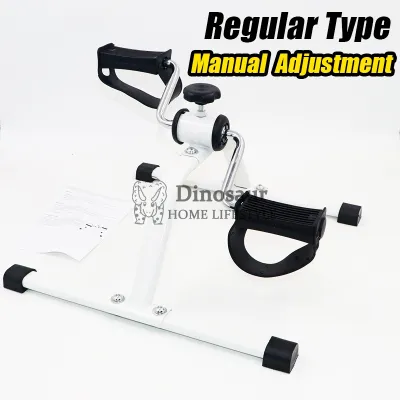
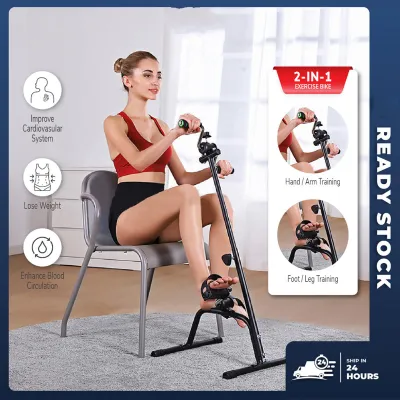
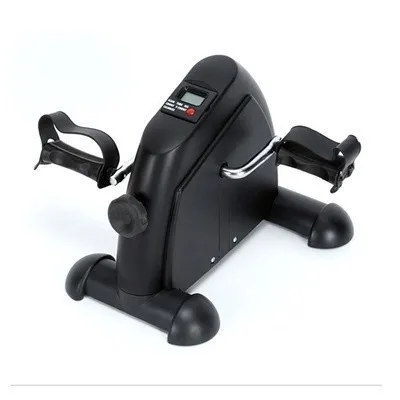
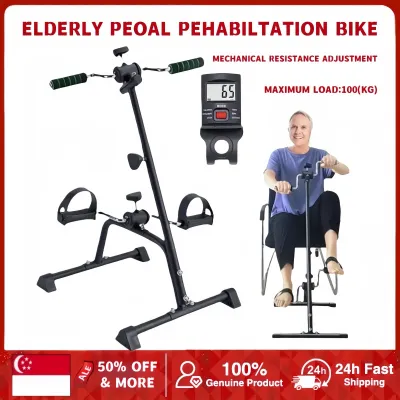
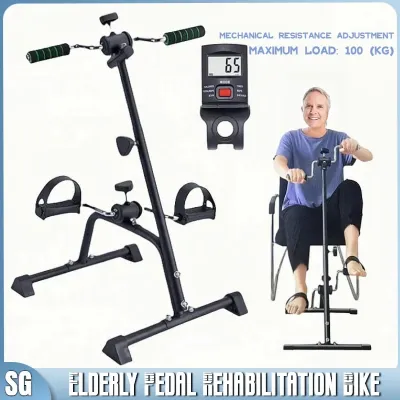
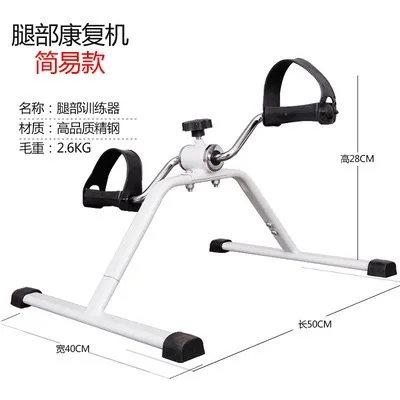
Prices are valid at publication and may change. Please refer to the product page for the latest price.
Finally, consider the logistics of getting the equipment into your home. Measure the width of your main entryway, hallway turns, and elevator doors to ensure the delivery package or fully assembled unit can pass through without obstruction. In Singapore, older HDB estates may have narrower door frames or lift access on alternate floors, making lightweight, modular, or easily disassembled equipment highly preferable.
Identifying Space-Saving Features in Rehab Bicycles
When space is at a premium, the design of the bicycle frame determines how well it integrates into your daily life. Foldable frames are highly popular because they can be collapsed and tucked into a closet or behind a door when your session is complete. However, folding and unfolding a machine requires physical effort and a secure locking mechanism. If bending down or lifting heavy objects is difficult due to your physical condition, a compact, fixed-frame mini bike that sits permanently under a desk or dining table might be a more practical option.

Mobility features are essential for moving the equipment around a single-level flat. Look for models equipped with built-in transport wheels on the base stabilizer bars, which allow you to tilt and roll the machine across smooth vinyl, tile, or laminate flooring without lifting the entire weight. Adjustable leveling feet are also valuable, as they help compensate for minor floor unevenness, ensuring the bike remains perfectly level and does not wobble during use.
Never sacrifice structural stability for the sake of a smaller footprint. A rehab bicycle must have a wide, slip-resistant base and a robust frame to support your weight safely during active pedaling. Check the manufacturer’s specified maximum weight capacity and look for wide stabilizer tubes. If the base is too narrow, the machine may rock from side to side, which poses a safety risk for anyone recovering from joint surgery or neurological conditions.
Aligning Equipment Specifications with Recovery Needs
A rehabilitation bicycle serves a different purpose than a high-intensity fitness bike, meaning its technical specifications must align with your specific medical guidance. The resistance system should offer very low starting tension and smooth, incremental adjustments. Magnetic resistance systems are highly recommended for home use because they operate quietly and provide consistent, jerk-free tension that protects healing joints from sudden strain.
Ergonomics and body support are paramount when recovering from an injury or managing a chronic condition. If you experience lower back pain or have difficulty maintaining balance, a recumbent-style bike with a supportive backrest and side handles offers superior stability compared to an upright model. Ensure the seat height and distance from the pedals are fully adjustable so you can maintain a slight bend in your knee at the bottom of the pedal stroke, preventing hyperextension.
The pedal design itself must accommodate physical limitations. Look for wide, textured pedals equipped with adjustable, secure straps to keep your feet from slipping off during rotation. The console display should be simple, clear, and easy to read from your riding position, showing basic metrics like time, distance, and revolutions per minute (RPM) to help you track your prescribed exercise duration without unnecessary complexity.
Planning Storage and Daily Usage Workflows
Integrating a rehab bicycle into a compact flat requires a clear plan for storage and daily operation. Singapore’s warm, humid climate means that storing fitness equipment in damp, unventilated areas can lead to premature rust or electronic console failure. Choose a dry, well-ventilated indoor spot away from direct sunlight, which can degrade plastic components and rubber pedal straps over time.
Establish a safe, repeatable routine for setting up and putting away your equipment. Before every session, perform a quick safety check to ensure all locking pins are fully engaged, the frame is stable, and the power cord, if applicable, is routed safely away from walkways to prevent tripping hazards. After your workout, wipe down the handlebars, seat, and console with a dry cloth to remove sweat and moisture before folding or moving the machine back to its storage spot.
If you prefer not to move the equipment constantly, you can use creative furniture placement to blend the bicycle into your living space. Placing a decorative room divider, a tall potted plant, or positioning the bike behind an armchair can visually screen the machine from view when it is not in use. This keeps your living room looking tidy and organized while keeping your rehabilitation tools easily accessible for your next scheduled session.
Frequently Asked Questions (FAQ)
Can I use a standard exercise bike for rehabilitation in a small space?
Standard exercise bikes are generally designed for high-intensity cardiovascular workouts and may not suit rehabilitation needs. They often feature higher starting resistance levels, aggressive riding postures that strain the lower back, and pedal geometries that require a full range of joint motion that might be painful or unsafe during early recovery. Dedicated rehab options, such as recumbent bikes or mini pedal exercisers, offer gentler resistance, better back support, and adjustable pedal paths to protect healing joints.
Do foldable rehab bicycles compromise durability or safety?
Foldable rehab bicycles do not inherently compromise safety, provided they are designed well and used within their specified limits. High-quality folding models utilize heavy-duty steel frames and secure locking pins to maintain rigidity during use. To ensure safety, always inspect the hinges and locking mechanisms for wear before mounting, verify that the locking pin is fully inserted, and strictly adhere to the manufacturer’s maximum weight capacity and usage guidelines.

Community discussion
Share your experience or ask a question. Comments are reviewed before publication.