
Finding space for cardio equipment in a compact Singapore home requires balancing physical footprint with workout safety. A compact rocking stepper offers an excellent low-impact cardiovascular workout, but selecting the right model for a Housing & Development Board (HDB) flat involves more than just checking the box dimensions. You must evaluate how the machine moves, where it will sit during use, and how easily it can be tucked away when guests arrive. By focusing on dynamic clearance, structural stability, and floor protection, you can maintain an active lifestyle without cluttering your living area.
Assessing Your Available Floor Space and Clearance
To begin, measure the exact floor area where you plan to exercise. While a stepper might only require a small static footprint of about 40 by 50 centimeters when resting, the actual space needed during a workout is significantly larger. You must account for dynamic motion clearance, which is the zone your body occupies as you sway, rock, and step.
As you use a rocking stepper, your torso shifts laterally or forward and backward, and your arms may swing outward for balance. Ensure there is at least 60 centimeters of clear space on all sides of the machine. This buffer prevents your knees, elbows, or head from making contact with nearby walls, television consoles, or dining tables.
Products mentioned in this guide
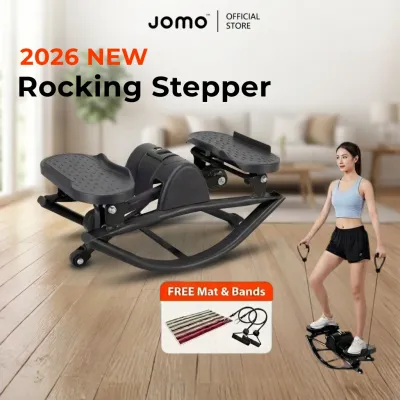
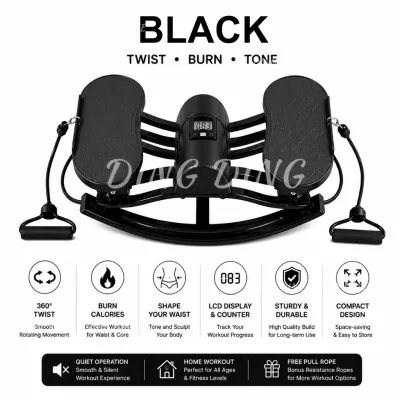
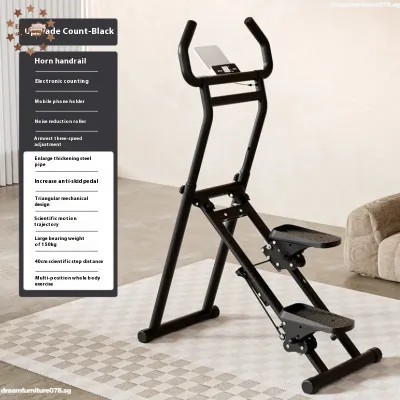
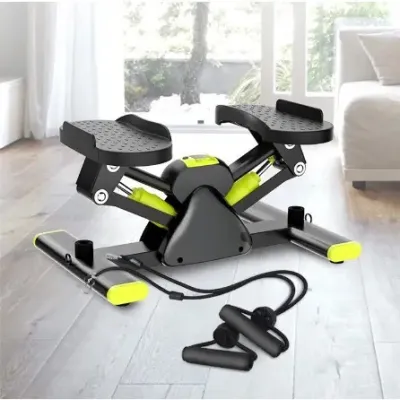
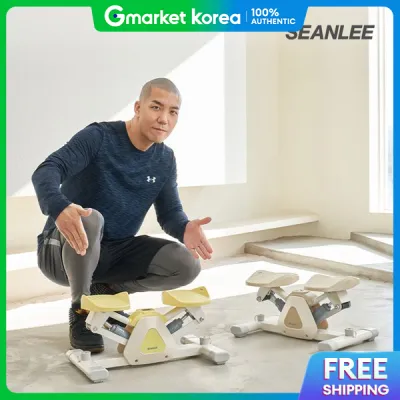
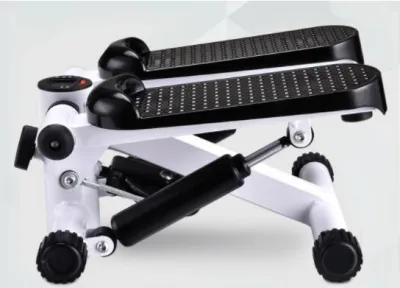
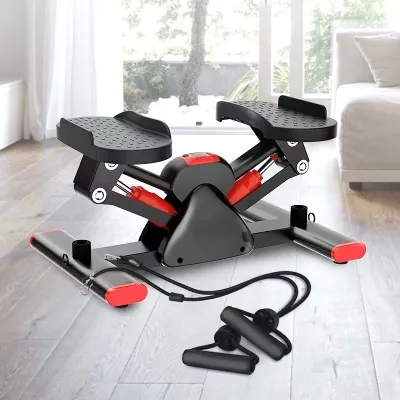
Prices are valid at publication and may change. Please refer to the product page for the latest price.
Do not forget to look upward. Standing on a stepper elevates your height by 20 to 40 centimeters. Verify that your head remains a safe distance from low-hanging light fixtures, air conditioning units, and especially ceiling fans, which are common in Singapore living rooms and bedrooms.
Finally, consider the impact on your flooring. HDB flats often feature vinyl, laminate, or polished porcelain tiles. The repetitive downward force and slight shifting of a stepper can scratch or dent these surfaces over time. Placing a high-density, non-slip rubber mat beneath the equipment distributes the weight evenly, dampens operational noise, and prevents the machine from sliding during intense sessions.
Key Dimensions and Design Features for Compact Spaces
When shopping for a stepper, you will encounter two main structural designs: fixed-base models and foldable or stowable units. Fixed-base steppers generally offer greater structural rigidity because they have fewer moving joints and hinges. This solid construction minimizes wobbling, which is crucial if you are exercising on slightly uneven surfaces.

Foldable designs, on the other hand, feature frames or handlebars that collapse to reduce their storage height or depth. While highly convenient for sliding under a bed, these folding mechanisms can introduce slight play or flexing over time. If you choose a foldable model, inspect the locking pins and hinge clamps regularly to ensure they remain tight and secure.
Pedal spacing and handlebar configurations also dictate the spatial footprint. Wide-set pedals may feel more stable but increase the overall width of the machine. Handlebars provide excellent balance support for beginners, but fixed, bulky handles can make the machine difficult to store. Look for models with detachable handlebars or telescoping columns that can be adjusted or removed entirely when not in use.
Always verify the manufacturer’s maximum user weight capacity rather than making assumptions based on the machine’s physical size. A lightweight stepper weighing under 10 kilograms might look easy to move, but it must possess a robust internal frame to support your body weight safely. Compare the equipment’s net weight against its rated capacity; a higher weight-to-capacity ratio often indicates better frame materials and welding quality.
Evaluating the Rocking Mechanism and Workout Comfort
The core appeal of a rocking stepper lies in its multi-directional movement, which typically combines vertical stepping with a lateral, side-to-side sway. This lateral motion engages the obliques, glutes, and thighs more dynamically than a standard vertical mini stepper. However, this side-to-side action requires a wider lateral clearance, so you must ensure your exercise zone accommodates this swaying path.
Workout comfort depends heavily on the quality of the hydraulic cylinders and the pedal design. Look for textured, oversized pedals with raised borders to prevent your feet from slipping off during lateral movements. Because Singapore’s tropical climate can lead to heavy sweating during indoor workouts, non-slip pedal surfaces are essential for maintaining a secure grip.
Hydraulic cylinders generate the resistance for your workout. High-quality cylinders allow you to adjust the tension, letting you customize the workout intensity. Be aware that hydraulic fluid warms up during use, which can temporarily alter the resistance level. Ensure the manufacturer’s instructions outline the recommended continuous usage limits—typically 15 to 30 minutes—to prevent the cylinders from overheating.
Keep in mind that compact designs sometimes limit the stride length or the maximum angle of the rocking motion. If the stride is too short, you might feel like you are taking rapid, shallow steps rather than engaging in a full, comfortable range of motion. Test or verify the maximum step height to ensure it matches your fitness level and joint mobility.
Storage Solutions and Daily Maintenance in Small Flats
In a small HDB flat, keeping your exercise equipment out of sight when not in use helps maintain a tidy, relaxing home environment. Vertical storage is a popular option for compact steppers. If you store the unit upright against a wall or inside a utility closet, ensure it is securely positioned so it cannot tip over and cause injury or damage, especially if you have children or pets.
Alternatively, measure the clearance under your bed frame or sofa. Many mini rocking steppers are low enough to slide underneath these furniture pieces, keeping them completely out of the way. If storing the unit in a wardrobe, place it on a lower shelf to avoid lifting heavy weights above shoulder height, which can strain your back.
Regular maintenance is vital to keep the stepper operating quietly and smoothly. Wipe down the frame and pedals after every workout to remove sweat, which can cause corrosion over time. Periodically inspect the pivot joints and hydraulic cylinders for any signs of fluid leaks or loose bolts.
Listen closely to your equipment during use. Squeaking, clicking, or an abrupt loss of resistance in one pedal are clear warning signs that the machine requires attention. If you notice uneven resistance or fluid leakage, stop using the stepper immediately and consult the manufacturer or a qualified technician for replacement parts or repair advice.
Common Sizing and Placement Mistakes to Avoid
One of the most frequent mistakes buyers make is relying solely on the packaging or shipping dimensions listed on online marketplaces. These measurements often reflect the disassembled product packed tightly in a cardboard box. Always search for the fully assembled dimensions, and add several centimeters to account for the outward flare of the pedals and handlebars.
Placement is equally critical for safety and comfort. Avoid positioning your stepper in high-traffic pathways, corridors, or directly in front of household exit doors. In an emergency, blocked pathways pose a serious hazard. Additionally, do not place the machine near heat sources like refrigerators or in unventilated, damp corners where moisture can accumulate and degrade the metal components.
Finally, never underestimate the importance of vertical clearance. While you might have measured the floor space perfectly, standing on the stepper brings your head much closer to the ceiling. Always perform a slow, manual test step on the machine before starting a full-speed workout to verify that you have ample clearance from ceiling fans, hanging lights, and concrete beams.
Frequently Asked Questions (FAQ)
Can I use a rocking stepper directly on HDB vinyl or laminate flooring?
It is highly recommended to avoid placing a rocking stepper directly on vinyl or laminate flooring. The repetitive pressure, friction, and minor vibrations generated during a workout can scuff, dent, or discolor these sensitive materials over time. Instead, place a dense, non-slip rubber or PVC equipment mat under the stepper. This mat protects your floor, dampens operational noise, and prevents the machine from shifting during use.
How much weight can a typical compact rocking stepper support?
Most compact rocking steppers are designed to support weights ranging from 100 to 120 kilograms, but capacities vary significantly by model and frame construction. Never rely on general estimates. Always locate and verify the manufacturer’s official weight capacity label, which is typically printed on the product frame or detailed in the user manual, to ensure safe and stable operation.

Community discussion
Share your experience or ask a question. Comments are reviewed before publication.