
Living in a Housing & Development Board (HDB) flat requires a smart approach to space management, especially when introducing fitness equipment into your home. A compact walking treadmill offers an excellent way to maintain your daily step count without stepping out into the tropical heat or sudden downpours. However, finding a machine that fits seamlessly into your living room or study without disrupting your household layout requires careful planning.
The ideal walking treadmill for an HDB flat is one that balances a functional walking surface with a highly collapsible design. By focusing on models that can be stored flat under a sofa or stood upright in a narrow closet, you can enjoy the benefits of home cardio without sacrificing your valuable floor space. Selecting the right model involves evaluating your specific room dimensions, understanding key storage features, and ensuring the machine operates quietly enough for high-density apartment living.
Measuring Your HDB Flat for a Walking Treadmill
Before purchasing any fitness equipment, you must accurately measure the physical space where you plan to use and store the machine. Do not rely solely on the total square footage of your room; instead, map out the exact footprint the treadmill will occupy when fully extended. Walking treadmills typically require a flat, level surface that is completely clear of rugs, loose cables, or low-hanging furniture.
Products mentioned in this guide
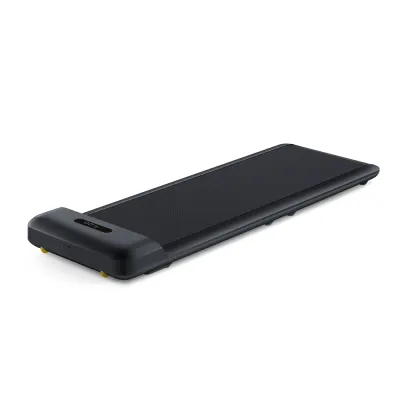
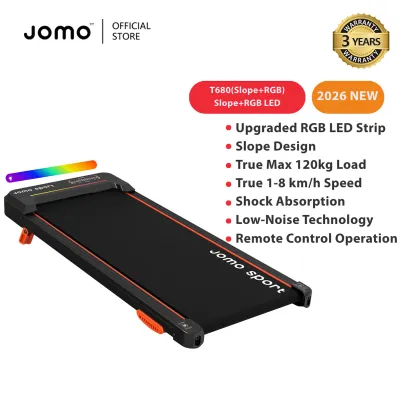
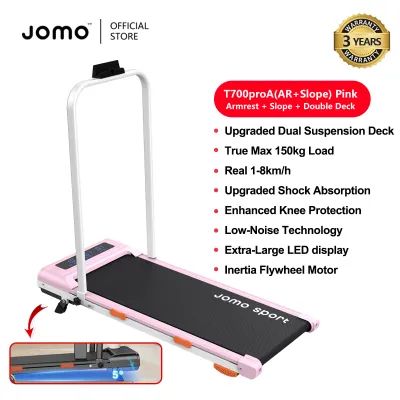
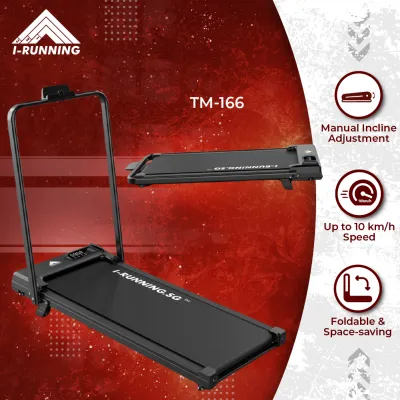
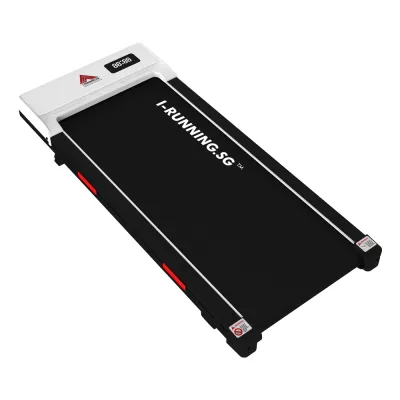
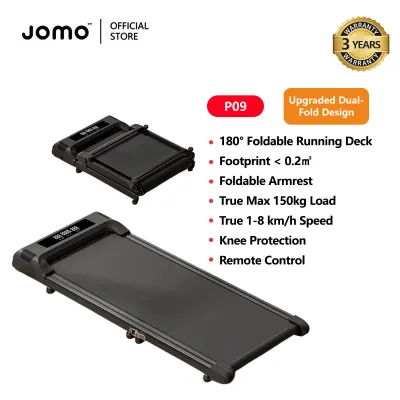
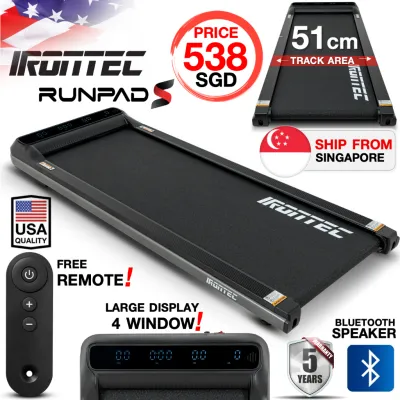
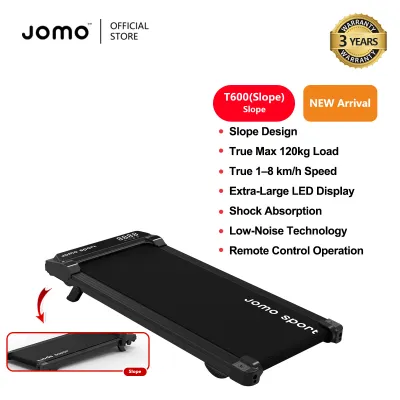
Prices are valid at publication and may change. Please refer to the product page for the latest price.
Safety clearances are a critical factor that many apartment dwellers overlook. For safe operation, manufacturers generally recommend leaving at least 1 to 1.5 meters of clear, unobstructed space directly behind the treadmill belt. This safety zone ensures that if you trip or need to step off suddenly, you will not be thrown against a wall or piece of furniture. Additionally, maintain a clearance of at least 0.5 meters on both sides of the deck to allow for easy mounting and dismounting.
Next, consider the logistics of getting the treadmill into your home. Measure the width of your HDB main entrance, bedroom doorways, and any tight corridors the package must pass through during delivery. If your block relies on elevators, verify the lift door width and internal cabin depth to ensure the delivery team can transport the boxed unit safely to your floor.
Ceiling height is another essential measurement, particularly if you are tall or considering a model with an incline feature. Standard HDB ceilings typically measure around 2.6 meters. To calculate your clearance, add your height to the step-up height of the treadmill deck, which usually ranges from 10 to 15 centimeters. Ensure you have at least 20 to 30 centimeters of clearance above your head to prevent feeling cramped or accidentally bumping into ceiling fans and light fixtures.
Essential Space-Saving Features to Look For
When browsing compact walking treadmills, specific design elements can make a significant difference in how easily the machine integrates into your daily routine. Look for models with handle-free designs or foldable handlebars. Handlebar-free units, often referred to as walking pads, feature a completely flat profile that makes them exceptionally easy to slide under low-clearance furniture when not in use.

The overall thickness of the treadmill deck is a primary specification to verify. To store a treadmill under a standard sofa or bed frame, the deck thickness should ideally be under 15 centimeters. Measure the clearance under your furniture beforehand to ensure a seamless fit, keeping in mind that some beds have center support legs that might block a wide treadmill.
Built-in transport wheels are non-negotiable for a portable treadmill. Because you will likely move the machine before and after every workout, look for units equipped with durable, smooth-rolling wheels on the front base. Some advanced models feature multi-directional wheels, which allow you to maneuver the treadmill sideways into tight corners or narrow storage gaps with minimal physical strain.
Since compact walking treadmills often lack a traditional, bulky console, pay close attention to how you will control the machine. Look for models that include a lightweight, wearable remote control or offer integration with a dedicated smartphone application. A clear LED display built directly into the motor cover at the front of the deck is also highly beneficial, as it allows you to track your speed, distance, and time without requiring a tall dashboard.
Comparing Folding Mechanisms and Storage Options
Understanding how a treadmill folds and stores is key to ensuring it does not become a permanent, unsightly fixture in your living room. There are two primary storage orientations to consider: horizontal flat-folding and vertical upright storage. Horizontal storage is ideal if you have ample space under a bed or sofa, while vertical storage is perfect for tucking the machine behind a door, inside a utility closet, or against a blank wall.
The physical weight of the treadmill directly impacts how convenient it is to store daily. Compact walking treadmills generally weigh between 20 and 40 kilograms. While transport wheels bear most of the weight during horizontal movement, you must still be capable of lifting one end of the machine to stand it upright or guide it under furniture. Ensure the weight of the model aligns with your physical strength to prevent back strain during daily setup.
Examine the folding mechanism to see if it requires manual tools or features a quick-release system. Some models require you to unscrew hand dials or use an Allen key to fold down the handrail, which can quickly become tedious if you exercise daily. Look for quick-release latches, foot pedals, or hydraulic assist mechanisms that allow you to fold or unfold the machine in seconds without tools.
If you plan to store your treadmill vertically, prioritize models designed with stable, self-standing capabilities. Some units feature built-in folding feet or a robust base frame that allows them to stand independently at a 90-degree angle. If the model must lean against a wall, ensure it has non-slip rubber contact points and consider using a safety strap to secure it, preventing the machine from tipping over if bumped by children or pets.
Verifying Stability, Noise, and Safety Limits
While space-saving design is important, a compact walking treadmill must still provide a safe, stable, and neighbor-friendly workout experience. Always verify the manufacturer’s stated maximum weight capacity before purchasing. To ensure longevity and safety, choose a model where your weight is comfortably below the limit, leaving a safety buffer of at least 10% to 15% to avoid overworking the motor.
The motor power and belt dimensions directly influence the smoothness of your walk. Look for a motor with a continuous horsepower (CHP) rating suitable for walking, typically between 1.0 and 2.0 CHP. The walking belt should be wide enough to accommodate your natural stride without forcing you to walk in an unnaturally straight line; a belt width of at least 40 centimeters is generally recommended for comfortable walking.
In high-density HDB blocks, structural noise and vibrations can easily travel through concrete floors to the unit below. To maintain good neighbor relations, look for treadmills equipped with multi-layer running belts and built-in shock-absorption pads. These features help cushion the impact of your steps, significantly reducing the low-frequency thudding noise that can disturb others.
Safety should never be compromised for the sake of a compact design. Even on completely flat, handle-free walking pads, look for safety features such as an automatic stop function when no user is detected on the belt. If the model includes a foldable handrail, ensure it comes with a physical safety key and clip that attaches to your clothing, which instantly cuts power to the motor if you fall or drift too far back.
Frequently Asked Questions (FAQ)
Can I use a walking treadmill on a vinyl or laminate floor?
Yes, you can use a walking treadmill on vinyl or laminate flooring, but you must take precautions to protect the surface. Always check the manufacturer’s guidelines for specific flooring recommendations. To prevent scratches, indentations, and potential discoloration from heat buildup, place a high-density equipment mat underneath the treadmill. This mat also provides essential grip, preventing the machine from sliding on slippery laminate surfaces during use.
Do under-desk walking treadmills require assembly?
Most under-desk walking treadmills are designed for convenience and arrive fully assembled or require minimal setup out of the box. Typically, you only need to unpack the unit, plug in the power cord, and perform a quick check of the belt alignment. Before your first session, read the user manual to verify if the belt requires initial lubrication and to locate the adjustment bolts, which help keep the walking belt centered over time. Ensure the power cord is routed safely to a wall outlet without crossing high-traffic pathways.

Community discussion
Share your experience or ask a question. Comments are reviewed before publication.