
Practicing golf in Singapore, whether at a local driving range or a short-game practice green, involves hitting dozens of balls to build consistency. Bending down to retrieve each ball manually quickly leads to physical fatigue, taking your focus away from swing mechanics and posture. A golf ball tube picker offers a straightforward, mechanical solution to collect balls efficiently while standing completely upright.
This guide outlines the essential criteria—such as capacity, grip mechanisms, material durability, and climate resilience—to help beginners select a reliable tool. By focusing on physical features and verification checks, you can make an informed first purchase that fits your height, practice style, and storage space. This practical framework ensures you select a durable accessory without relying on generic top-ten lists.
Why a Tube Picker is Essential for Beginner Practice
Beginners often spend hours practicing short chips, pitches, and putting strokes to build muscle memory. This repetitive practice requires retrieving dozens of balls at regular intervals to keep the session going. Bending over fifty to a hundred times per session places significant strain on the lower back and hamstrings, which can lead to premature fatigue.
Products mentioned in this guide
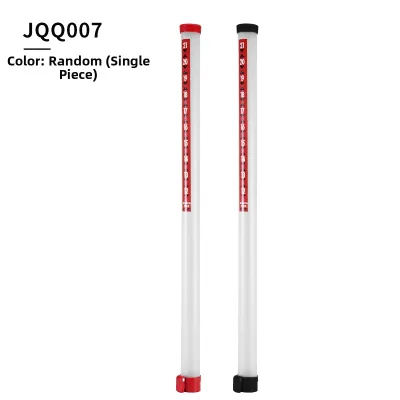
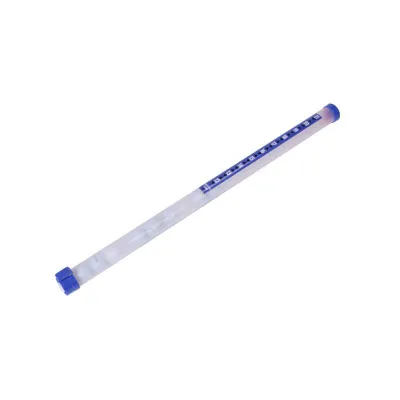
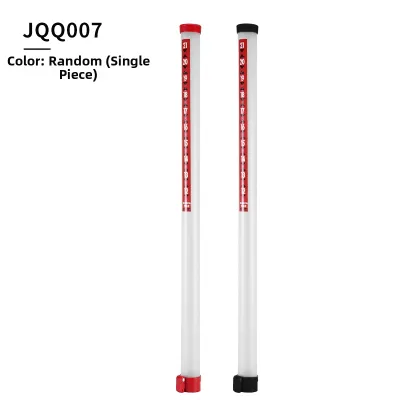
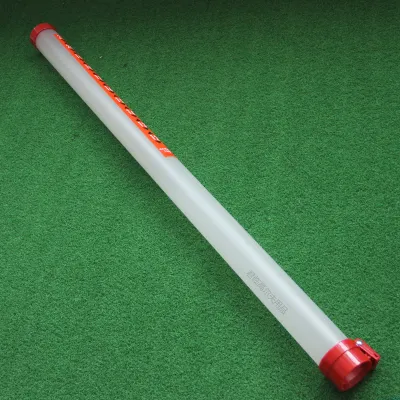
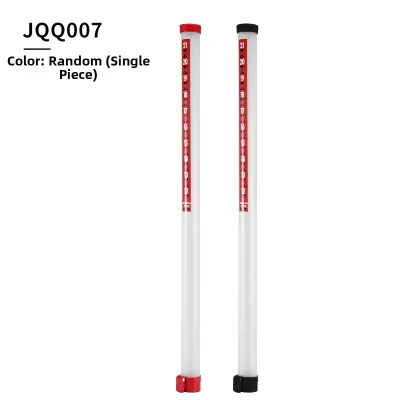
Prices are valid at publication and may change. Please refer to the product page for the latest price.
Using a tube picker allows you to collect balls simply by pressing the device down over each ball, keeping your spine neutral. This physical relief helps maintain your energy levels and concentration throughout long practice sessions. By minimizing physical discomfort, you can focus entirely on refining your swing path and ball contact.
Efficiency is another major benefit, as a tube picker reduces the time spent gathering balls, leaving more time for actual hitting. Whether you are practicing in a backyard, on a dedicated chipping green, or during casual practice rounds, a quick cleanup keeps the session moving. The faster you can clear the green, the more repetitions you can fit into your scheduled practice time.
It is helpful to distinguish a tube picker from other retrieval tools, such as single-ball suction cups or putter-grip claws. While suction cups are designed to retrieve a single ball from the cup without bending, they cannot handle volume. A tube picker is a high-capacity tool designed specifically to gather and transport twenty to forty balls at once, making it a dedicated practice companion rather than a minor convenience.
Core Features to Evaluate Before Your First Purchase
Selecting your first tube picker requires looking closely at how the device is built and how it operates. The right combination of capacity, mechanism, and material prevents frustration on the practice green and ensures the tool lasts. Evaluating these physical attributes before buying helps you avoid common issues like dropped balls or heavy, unwieldy tubes.

Balancing Tube Capacity and Length for Your Height
Tube pickers generally hold between twenty and forty golf balls, and finding the right balance is key to comfortable use. A higher capacity means you can collect more balls before emptying the tube, which is highly convenient for long practice sessions. However, a fully loaded tube of forty balls adds significant weight, which can strain your wrist and shoulder during transport.
For most beginners, a moderate capacity of twenty-five to thirty balls offers an ideal balance between weight and utility. This capacity keeps the loaded tube light enough to carry comfortably while still providing enough balls for a productive practice sequence. It also ensures the tube remains manageable when you are walking across uneven turf.
The physical length of the tube must also match your height to ensure you do not have to bend your knees or waist to reach the ground. A tube that is too short forces you into a slight hunch, defeating the primary ergonomic purpose of the tool. Conversely, an excessively long tube can feel awkward to balance and steer, especially when it is fully loaded.
When shopping, check the manufacturer’s specified length and compare it to your standing reach to ensure a comfortable, upright posture. Many manufacturers provide height recommendations or detailed dimension charts. Verifying these measurements beforehand ensures the tube supports a healthy, upright posture throughout your practice.
Evaluating the Internal Grip and Release Mechanism
The mechanism at the bottom of the tube determines how easily it picks up balls and how securely it holds them. Most models use internal ridges, flexible plastic fingers, or metal clips that expand slightly when pressed over a ball and then snap back to hold it. You want a mechanism that requires minimal downward force to capture the ball, as high-resistance designs can tire your arms quickly.
Equally important is how the tube releases the collected balls into your practice bag or bucket. Some designs feature a top plunger or a sliding outer sleeve that opens the bottom gate, allowing the balls to roll out smoothly. Other basic models require you to invert the tube and let the balls pour out of the top opening.
Whichever style you choose, look for a secure, ergonomic top handle that provides a firm grip when the tube is heavy. A slipping handle can cause you to drop the entire tube, potentially spilling the balls and damaging the mechanism. A textured or contoured handle design helps you maintain control during rapid collection.
Choosing the Right Material for Weight and Durability
The materials used to construct the tube affect both its overall weight and its ability to withstand regular impacts. Lightweight plastics, such as thin-walled PVC or polycarbonate, keep the empty weight of the tool very low. However, low-grade plastics can crack easily if dropped on hard concrete paths or if stepped on accidentally.
Reinforced aluminum and composite tubes offer much higher structural integrity and resist bending or denting. While aluminum is slightly heavier than plastic, it provides a solid, premium feel and handles the weight of a full load without flexing. The extra durability is often worth the slight increase in weight for long-term use.
When evaluating materials, look for product descriptions that mention impact tolerance or reinforced walls. A durable tube should feel rigid when you apply gentle pressure to the sides, ensuring it will not warp over time. Checking these material specifications helps you avoid flimsy models that require frequent replacement.
Adapting Your Choice for Singapore's Tropical Climate
Singapore’s unique tropical climate presents specific challenges for outdoor sports equipment that you must consider. The high humidity and frequent rainfall mean that metal components are highly susceptible to rust and corrosion. If you choose an aluminum tube, ensure it features an anodized finish, and verify that any internal springs or clips are made of stainless steel.
Sweat is another factor, as high temperatures lead to damp hands during outdoor practice sessions. Look for handles made of non-slip materials, such as textured rubber or high-density foam, which maintain grip even when wet. Avoid smooth, hard plastic handles that can easily slip out of sweaty hands and cause accidental drops.
The intense tropical sun also delivers high levels of ultraviolet (UV) radiation, which can degrade plastics over time. Standard plastics can become brittle, faded, and prone to cracking after prolonged exposure to sunlight. Verify that any plastic components, especially the main tube or the bottom gripping fingers, are UV-stabilized or UV-resistant.
Finally, consider how you will transport and store the tube within Singapore’s urban environment. Many golfers commute to driving ranges or practice facilities using public transport, such as the MRT or buses, or compact taxis. A very long, rigid tube can be cumbersome to carry on a crowded train or bus.
Additionally, storage space in local apartments, such as HDB flats or condominiums, is often limited. Choosing a model that is compact, lightweight, or features a detachable handle makes storage and commuting much more manageable. Ensuring your tool fits your lifestyle outside the golf course is just as important as its performance on the green.
Where to Buy and Verify Your Picker in Singapore
When looking to purchase your first golf ball tube picker, exploring local retail options allows you to verify the quality firsthand. Visiting specialized golf pro shops in retail hubs like Queensway Shopping Centre or Far East Shopping Centre is highly recommended. In these physical stores, you can hold the tube, test its weight, and feel the ergonomics of the handle.
Testing the tension of the bottom grip mechanism in person ensures it does not require excessive force to operate. You can also check how smoothly the release mechanism functions by testing it with a few practice balls if the shop allows. This hands-on evaluation helps you avoid buying a tool that feels awkward or stiff.
If you prefer shopping online, official brand websites and authorized storefronts on major online marketplaces offer a wide selection. When browsing online, compare prices in S$ to find an entry-level option that fits your budget without sacrificing essential features. Be cautious of extremely cheap, unbranded options, as they often use low-grade plastics that break quickly under tropical conditions.
Always check the seller’s return policy and warranty terms before completing your online purchase. Since you cannot physically test the internal mechanism online, a flexible return policy ensures you can exchange the item if it arrives with a stiff or faulty grip. A reliable warranty also provides peace of mind regarding the durability of the internal springs and clips.
Simple Maintenance to Extend Your Picker's Lifespan
Proper maintenance is essential to keep your tube picker operating smoothly and to prevent premature wear. After practicing on damp grass or sandy chipping greens, dirt, mud, and grass clippings can accumulate inside the bottom mechanism. This debris can clog the flexible fingers or prevent the internal ridges from gripping the balls securely.
Get into the habit of rinsing the bottom of the tube with clean water after each use to flush out any trapped particles. Allow the tube to dry completely in a shaded, well-ventilated area before storing it away. This simple step prevents rust on metal clips and keeps the plastic components clean and functional.
Avoid storing the picker in direct sunlight, such as on a sunny balcony or in the trunk of a car parked outdoors, as extreme heat can warp the materials. Instead, store it in a cool, dry place inside your home or golf bag locker. Proper storage protects the structural integrity of both plastic and metal components over time.
Regularly inspect the tool for warning signs of wear that might affect its performance. Look for hairline cracks in the plastic, loose screws on the handle, or a loss of tension in the bottom gripping fingers. If the balls begin to slip out of the bottom during transport, or if the release plunger becomes sticky, it may be time to replace the worn components or the tube itself.
Frequently Asked Questions (FAQ)
Will the picker hold worn or slightly misshapen range balls?
Most tube pickers are designed with flexible internal ridges or fingers that can accommodate minor variations in ball size and surface texture. Slightly scuffed or worn-out range balls will typically fit and stay secure inside the tube without any issues. The flexible mechanism expands slightly to grip the ball and holds it in place under normal carrying conditions.
However, severely deformed, cut, or heavily misshapen balls may not seat properly and could jam the internal mechanism. If a ball is visibly out of round, it is best to retrieve it by hand rather than forcing it into the tube. If you plan to use non-standard practice balls, check the manufacturer’s specifications for compatible ball diameters.
Should you choose a telescopic or fixed-length tube?
The choice between a telescopic and a fixed-length tube depends on your transport needs and storage space. Telescopic models offer excellent portability, as they can collapse to a shorter length, making them easy to pack into a golf bag or carry on public transport. This makes them ideal for golfers who commute to the range without a car.
However, the adjustable joints in telescopic models can sometimes wear out, slide unexpectedly, or collect dirt, which can affect their stability. Fixed-length tubes are generally more durable, stable, and offer a smoother, more reliable ball release because they have no moving joints along the shaft. If you primarily drive to the course and have ample storage space, a fixed-length tube is often the more robust and reliable choice.

Community discussion
Share your experience or ask a question. Comments are reviewed before publication.