
To play your best golf in Singapore’s tropical climate, managing moisture is a constant battle. With relative humidity levels frequently climbing above 80 percent, sweat and condensation accumulate rapidly on your hands, grips, and clubfaces. The best quick-dry sport towels for golf in this environment are lightweight, highly absorbent microfiber waffle-weave towels equipped with secure attachment clips. These specialized accessories balance rapid moisture evaporation with the physical texture needed to clean clubs, ensuring your equipment performs consistently from the first tee to the eighteenth green.
Choosing the right towel is not just a matter of convenience; it directly impacts your swing mechanics and shot consistency. For beginners and seasoned players alike, understanding how different materials and designs interact with high humidity is the key to maintaining a dry, confident grip throughout a four-hour round.
Why Tropical Humidity Demands a Specialized Golf Towel
In Singapore’s intense heat, sweat is inevitable. When moisture transfers from your hands to your golf grips, it creates a slippery barrier that severely compromises your control. To compensate for a slipping club, golfers often instinctively tighten their grip. This excess hand and forearm tension disrupts the natural release of the clubhead, leading to inconsistent ball striking, sliced shots, and a loss of distance. A dedicated quick-dry towel allows you to dry your hands and grips thoroughly before every single shot, preserving a light, relaxed grip pressure.
Products mentioned in this guide
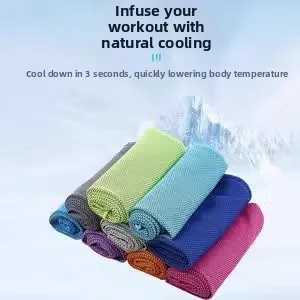
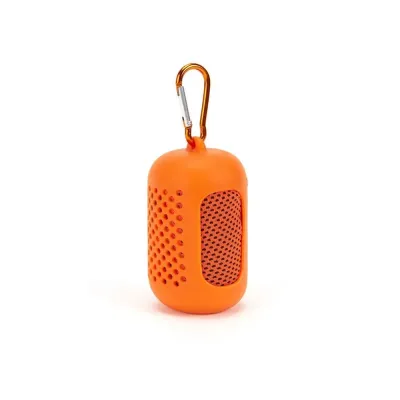
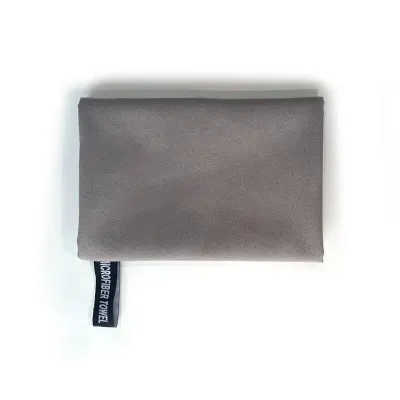
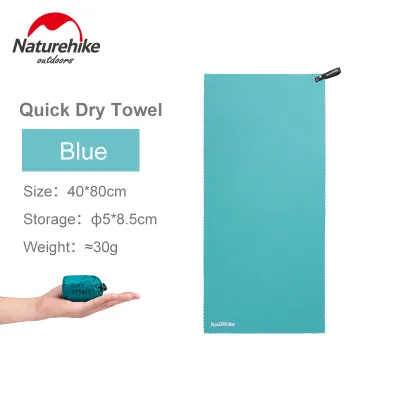
Prices are valid at publication and may change. Please refer to the product page for the latest price.
Moisture on the clubface is equally detrimental to your game. When water or wet grass clippings are trapped between the golf ball and the clubface at impact, it acts as a lubricant. This reduction in friction causes “flyers”—shots that launch with drastically reduced spin, sailing past your target green. By using a highly absorbent towel to wipe down your clubface and clean out the grooves after every swing, you ensure clean contact and predictable spin rates.
Standard cotton towels are poorly suited for these demanding conditions. While cotton is highly absorbent, it holds onto water molecules tightly within its organic fibers. In high-humidity environments, the ambient air cannot evaporate the moisture from a cotton towel quickly enough. Within a few holes, a cotton towel becomes heavy, waterlogged, and completely saturated. Instead of drying your gear, a damp cotton towel merely smears moisture around, while also becoming a breeding ground for musty odors during the round.
Core Features to Evaluate in a Quick-Dry Sport Towel
When selecting a quick-dry sport towel for your golf bag, you must look for a balance between absorption capacity and evaporation speed. The towel needs to absorb multiple times its weight in water to handle heavy sweat and wet grass, yet it must also release that moisture into the air rapidly. Synthetic fibers with engineered cross-sections are ideal for this, as they pull moisture away from surfaces and spread it across a wide surface area to accelerate drying.

Surface texture is another critical factor. A smooth, flat towel is perfectly fine for wiping sweat from your forehead, but it is highly inefficient at cleaning golf clubs. Look for towels with distinct physical patterns, such as deep waffle grids or ribbed channels. These textures act like miniature scrapers, lifting packed mud, sand, and grass turf out of your club’s grooves without scratching the delicate finish of your irons or the specialized coatings on your driver and woods.
Finally, pay close attention to the attachment mechanism. A golf towel must remain easily accessible throughout your round, meaning it needs to secure firmly to your golf bag or cart. Look for heavy-duty metal carabiners, magnetic patch systems, or reinforced metal grommets. Cheap plastic clips often become brittle under constant sun exposure and can snap when you pull the towel quickly. A secure attachment ensures your towel never drops onto the damp fairway or gets lost transitionally between holes.
Material Breakdown: Microfiber, Waffle Weave, and Blends
Microfiber is the gold standard for modern quick-dry sport towels. Typically made from a blend of polyester and polyamide, microfiber features split fibers that are finer than a strand of human hair. This split structure creates millions of tiny crevices that trap dust, dirt, and moisture through capillary action. Microfiber towels dry up to three times faster than traditional cotton, making them exceptionally reliable in humid climates. However, they do require specific laundering care to prevent the microscopic fibers from melting or clogging.
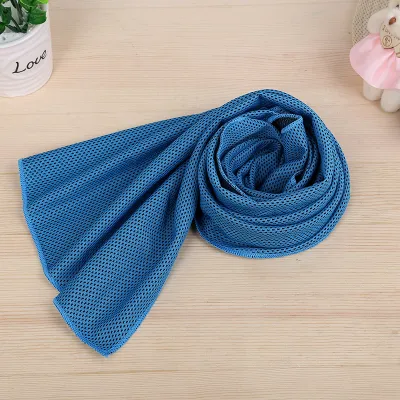
Among microfiber options, the waffle-weave pattern is highly recommended for golfers. The recessed squares of a waffle weave act as pockets that scoop up dirt and debris from the clubface, while the raised ridges dry the surface. Because the weave structure increases the overall surface area of the towel, it enhances both the absorption speed and the evaporation rate. This dual-action performance makes waffle-weave microfiber the most efficient choice for managing both dirty clubs and sweaty hands on the course.
Cotton and polyester blends offer a softer, more traditional feel against the skin, which some golfers prefer for wiping their face. However, these blends compromise on performance. While the polyester content helps the towel dry slightly faster than pure cotton, the cotton fibers still retain moisture for extended periods. In Singapore’s persistent humidity, a poly-cotton blend towel will gradually gain weight and remain damp throughout the latter half of your round, making it less effective for keeping your equipment dry.
Sizing and Placement Strategies for the Golf Course
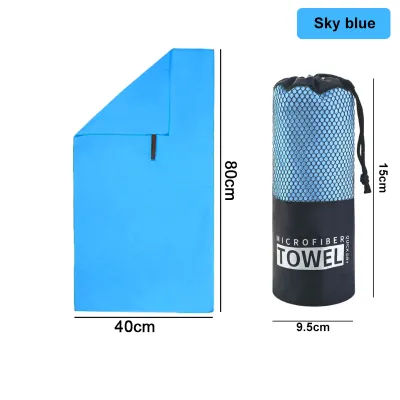
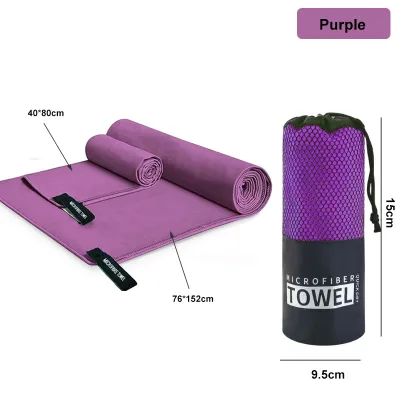
Golf towels come in various dimensions, and choosing the right size depends on your carrying style and usage habits. Standard hand-towel sizes, roughly 40cm by 60cm, are highly versatile and ideal for players who prefer to carry their bags or use a pushcart. They provide ample surface area for a full round without adding unnecessary weight or bulk to your setup.
For maximum utility, many golfers opt for oversized caddy towels, which can measure up to 50cm by 100cm. These larger formats allow you to employ a “wet-and-dry” strategy. You can dampen one end of the towel with water before your round to clean stubborn dirt and dried mud off your clubs, while keeping the remaining section dry for your hands and grips. Tri-fold designs are also highly practical; they feature grommets that keep the towel folded into three sections, keeping the dirty cleaning surfaces tucked inward and away from your clean clothes.
Proper placement on your golf bag is essential to keep the towel clean and functional. Attach the towel to the upper ring of your golf bag, ensuring it hangs high enough that it does not drag on the wet grass when you set your stand bag down on the fairway. If you are riding in a golf buggy, hanging the towel from the roof support frame or wrapping it around a handrail keeps it at chest height, allowing for quick access between shots without having to bend down to your bag.
Preventing Mildew and Odors in Damp Climates
Singapore’s warm, humid climate creates the perfect environment for bacteria and mildew to thrive on damp fabrics. To keep your quick-dry towel fresh and hygienic, establish a strict post-round routine. Never leave a damp towel stuffed inside a zippered pocket of your golf bag or locked in the warm trunk of your car after a game. As soon as you return home, hang the towel in a well-ventilated indoor area or under direct sunlight to dry completely.
When washing your quick-dry towel, always refer to the manufacturer’s care label. Most synthetic microfiber towels should be washed in cold or warm water with a mild liquid detergent. Avoid using powder detergents, as undissolved powder particles can lodge themselves inside the microscopic spaces of the microfiber, reducing its overall absorbency and drying efficiency.
Most importantly, never use fabric softeners or chlorine bleach on quick-dry fabrics. Fabric softeners work by coating fibers with a thin, water-repellent chemical layer to make them feel soft. This coating completely clogs the capillary channels of microfiber, destroying its ability to absorb sweat and dry quickly. Bleach should also be avoided, as it chemically degrades synthetic fibers over time, causing them to break down, shed, and lose their structural strength.
Frequently Asked Questions (FAQ)
Can I use a regular gym towel instead of a dedicated golf towel?
While a regular gym towel can wipe away sweat, it lacks the structural features required for a round of golf. Gym towels are typically smooth and made of standard cotton or basic microfiber, which lacks the abrasive texture needed to clear packed dirt and sand from deep club grooves. Additionally, gym towels do not come with heavy-duty carabiners or grommets, making them difficult to secure to your golf bag. Without a secure attachment, a gym towel is highly likely to fall out of your bag or get lost on the course.
How often should I wash my golf towel during the rainy season?
During the rainy season, or when playing in high humidity where your towel remains damp for several hours, you should wash your golf towel after every single round. Sweat contains salts, body oils, and bacteria that accumulate quickly in damp fibers. If your towel begins to feel stiff, loses its natural absorbency, or develops a sour, musty odor, it is a clear sign of bacterial buildup and sweat salt accumulation. Prompt washing with a mild liquid detergent will restore the towel’s capillary action and keep it smelling fresh.

Community discussion
Share your experience or ask a question. Comments are reviewed before publication.