
To find a reliable fishing pole brand as a beginner in Singapore, look for established manufacturers that maintain active local distribution networks, offer clear material specifications, and provide robust entry-level series designed for tropical environments. Brands like Shimano, Daiwa, Penn, and Okuma are widely regarded as trustworthy entry points because their budget-friendly rods benefit from the same engineering pipelines as their high-end gear. Choosing a reliable brand ensures that your rod can withstand the learning curve of casting, rigging, and fighting fish without suffering sudden structural failure.
Singapore’s unique angling landscape requires gear that can handle both freshwater and saltwater environments. Beginners here typically start at public jetties like Bedok Jetty, coastal breakwaters, reservoirs like Marina Reservoir, or commercial payponds. Each environment demands specific rod characteristics, and a reliable brand provides clear guidance on whether a pole is suited for light freshwater lure casting or heavy saltwater bait fishing.
Rather than chasing high-end professional gear, a beginner should focus on established manufacturers that offer robust warranties and clear material disclosures. This approach protects your investment and ensures that you can find replacement parts locally if an accident occurs.
Products mentioned in this guide
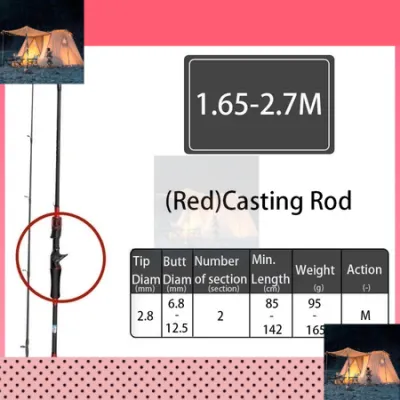
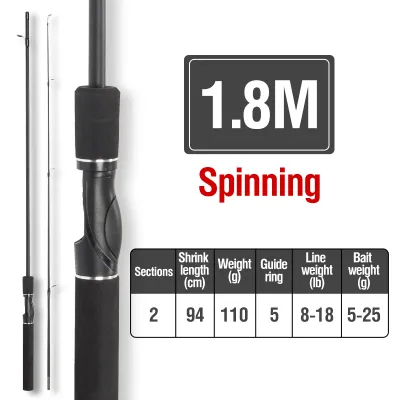
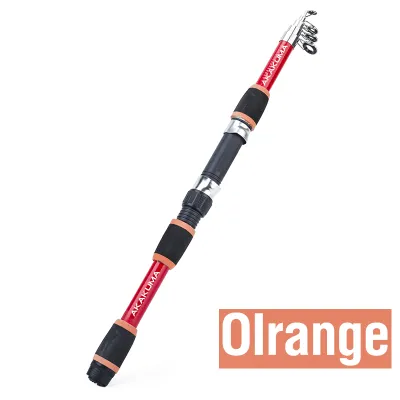
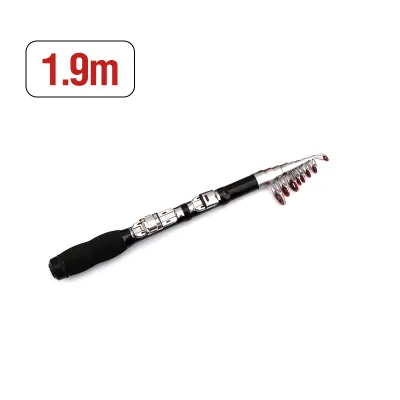
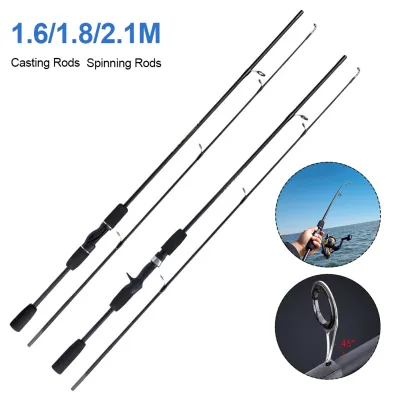
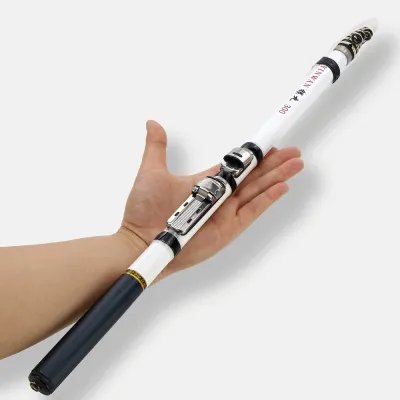
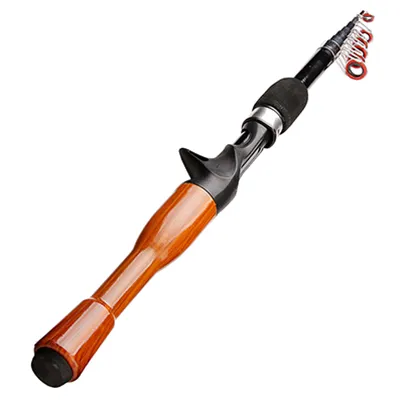
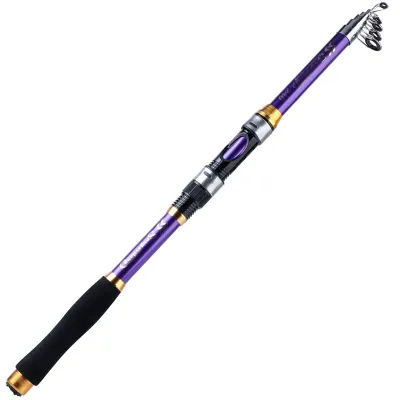
Prices are valid at publication and may change. Please refer to the product page for the latest price.
What Defines a Reliable Brand for Beginner Anglers
Consistent build quality is the cornerstone of a reliable fishing pole manufacturer. When you are learning to cast and handle a rod, minor mistakes like “high-sticking” (holding the rod too vertically under load) or accidentally bumping the blank against concrete jetty railings are common. A reputable brand ensures uniform wall thickness throughout the rod blank during the manufacturing process, which prevents sudden snapping under moderate tension.
Availability of replacement parts and accessible warranty support are equally critical. In Singapore, a vibrant network of local tackle shops supports major brands, making it easy to source replacement guides, tip-tops, or even individual sections for multi-piece travel rods. If a guide ring chips or a reel seat cracks, a reliable brand’s distribution network ensures you can repair the rod rather than discarding it entirely.
Clear manufacturer specifications and transparent material sourcing set trustworthy brands apart from generic alternatives. Reliable manufacturers print accurate line ratings (such as 8-17 lb) and lure weight ranges directly on the rod blank. They use transparent material descriptions, specifying the type of graphite modulus or fiberglass composite used, rather than relying on vague marketing buzzwords that obscure the rod’s true capabilities.
Responsive customer service through local distributors provides peace of mind. When you purchase from a brand with an established presence in Singapore, you gain access to staff who understand local fishing conditions and can verify warranty terms or recommend compatible components. This local support system is invaluable for newcomers navigating their first gear purchases.
Essential Features to Look for in Entry-Level Fishing Poles
Material composition directly affects a fishing pole’s durability, weight, and sensitivity. Fiberglass rods are incredibly tough, highly flexible, and forgiving of beginner handling errors, though they tend to be heavier and less sensitive. Graphite (carbon fiber) rods are lightweight and highly sensitive, allowing you to feel subtle bites, but they are more brittle and prone to fracturing if mismanaged. Composite rods blend these materials, offering a balanced middle ground that provides both durability and decent sensitivity for novice anglers.

Action and power ratings must align with your target species and local fishing environments. Power refers to the rod’s resistance to bending (ranging from ultra-light to heavy), while action describes where the rod bends along the blank (ranging from slow to extra-fast). For Singapore’s versatile fishing scenarios—such as targeting peacock bass in reservoirs or small snappers at coastal jetties—a medium-light to medium power rod with a fast or moderate-fast action offers the greatest versatility.
Handle materials and grip ergonomics play a significant role in comfort during long fishing sessions. EVA foam grips are highly recommended for Singapore’s humid and salty climate because they resist rot, are easy to scrub clean of bait slime, and provide a secure, non-slip grip even when wet. Cork handles offer a classic aesthetic and excellent sensitivity, but they require more meticulous maintenance to prevent degradation from constant exposure to moisture and sweat.
Overall balance and portability are key considerations for beginners who often rely on public transport like the MRT or buses to reach their fishing spots. A two-piece or multi-piece travel rod measuring between 6 to 7 feet is highly portable and fits easily into a carrying case. When paired with a matching spinning reel, the rod should feel balanced in your hand, with the center of gravity resting near the top of the reel seat to minimize wrist fatigue during repeated casting.
Evaluating Established Brands Versus Generic Alternatives
The value of brand heritage lies in extensive design testing and structural integrity. Established manufacturers spend years refining their guide placement and blank tapers to ensure that stress is distributed evenly along the rod when fighting a fish. This engineering precision prevents localized stress points that lead to premature rod failure, a common issue with unbranded or generic alternatives.
Reading product labels carefully is essential when verifying material claims and weight ratings. Generic poles sold on online marketplaces often feature exaggerated claims, such as “unbreakable carbon” or unrealistic maximum drag capacities. Beginners should look for verified component labels, such as Fuji guides or quality aluminum oxide inserts, and check if the reel seat locks securely without any lateral play or wobbling.
The trade-offs between upfront savings and long-term value are stark when comparing generic poles to established brands. A generic rod may cost under S$20, making it highly tempting for a newcomer. However, these products typically lack quality control, meaning a single casting error or a minor drop can shatter the blank. Furthermore, because generic rods do not offer replacement parts or warranties, a broken tip or a missing guide ring usually renders the entire pole useless.
Investing slightly more—typically between S$40 and S$80—in an entry-level rod from an established brand provides a significantly better user experience. You receive a tool that performs predictably, protects your fishing line from friction damage, and is backed by a manufacturer’s commitment to quality. Over time, this reliability saves money by reducing the need for frequent replacements and preventing lost fish due to equipment failure.
Purchasing Channels and Verification in Singapore
Choosing where to buy your fishing pole significantly impacts your purchase security and access to expert advice. Specialized local tackle shops, found in areas like Beach Road, Geylang, or neighborhood heartlands, are far superior to general sporting goods stores or unverified online marketplaces. Tackle shop staff possess deep knowledge of local fishing spots and can recommend the exact rod specifications suited for your intended style of angling.
Verifying authorized dealer status is crucial to ensure you receive genuine products and valid local warranties. Many popular brands face counterfeit issues on unauthorized ecommerce platforms. Purchasing from an authorized physical store or their official online storefront guarantees that the product is authentic and eligible for local distributor support if a manufacturing defect arises.
Before finalizing your purchase, perform a thorough in-person inspection of the fishing pole to catch any manufacturing defects. Hold the rod at eye level and sight down the blank from the reel seat to the tip; the guides must be perfectly aligned in a straight line. Run a finger gently along the ceramic inserts of each guide to check for chips, cracks, or sharp edges that could easily sever your fishing line under tension.
Additionally, test the mechanical components of the rod to ensure smooth operation. Screw the reel seat locking nut up and down to verify that the threads engage smoothly without binding or slipping. For multi-piece rods, join the sections together and gently flex the rod; listen closely for any creaking, clicking, or loose movement at the joints (ferrules), which could indicate a structural flaw or an improper fit.
When fishing near coastal breakwaters, slippery rocky shores, or during sudden tropical downpours in Singapore, safety must always be your primary concern. Always wear high-traction footwear, remain highly aware of incoming tides, and stop fishing immediately if you hear thunder or see lightning. Carbon fiber fishing poles are highly conductive and act as effective lightning rods, making immediate shelter-seeking a non-negotiable safety rule.
Basic Maintenance to Extend the Life of Your First Pole
Proper maintenance is essential to protect your investment and ensure your fishing pole performs reliably over many seasons. Singapore’s marine environments are highly saline, and salt deposits can quickly corrode metal components if left unchecked. After every outing, rinse the entire rod thoroughly with gentle running fresh water, paying close attention to the guide frames, thread wraps, and reel seat hoods where salt crystals tend to accumulate.
Avoid using high-pressure water sprays, as the force can drive salt particles and grit deeper into the reel seat threads or under the guide wraps. Once rinsed, wipe the rod down with a clean microfiber cloth and allow it to air dry completely in a shaded, well-ventilated indoor area. Never store a damp rod inside a plastic sleeve or a sealed rod tube, as trapped moisture promotes mold growth and accelerates the degradation of the rod’s protective epoxy coating.
Safe storage practices prevent physical damage and warping of the rod blank. Store your fishing pole vertically in a dedicated rod rack or horizontally on a flat, supported surface. Leaning a rod against a wall at an angle for extended periods can cause the blank to take a permanent bend, permanently ruining its action and casting accuracy. Keep your gear away from direct sunlight and extreme heat sources, such as the trunk of a car parked in the sun, which can weaken the adhesives holding the guides and reel seat in place.
Establish a regular visual inspection routine to catch early signs of wear before they lead to equipment failure. Periodically run a dry cotton swab through the inside of each guide ring; if the cotton catches on any microscopic cracks or chips, the guide insert must be replaced to prevent it from fraying your line. Inspect the epoxy wraps securing the guides to the blank for any signs of cracking, peeling, or discoloration, and address these minor issues early to keep your rod in peak fishing condition.
Frequently Asked Questions (FAQ)
Do I need an expensive fishing pole to start catching fish?
No, you do not need an expensive fishing pole to catch fish successfully. For beginners, mastering basic techniques, understanding tide tables, selecting the right bait, and finding active fish locations are far more important than the price tag of your gear. Entry-level poles from reputable brands offer excellent performance and durability at a fraction of the cost of professional-grade equipment. High-end rods use specialized materials to achieve marginal gains in weight reduction and sensitivity, which are rarely noticeable or necessary for someone just starting out.
Can I use a freshwater fishing pole for saltwater fishing?
While you can physically use a freshwater fishing pole in saltwater, it is generally not recommended unless the rod is explicitly rated for multi-environment use. Freshwater rods often feature guide frames, reel seat hoods, and internal components made from metals that lack corrosion-resistant plating. Exposure to saltwater will cause these components to rust and degrade rapidly, even with regular rinsing. If you must use a freshwater rod in a marine environment, you must meticulously wash and dry the entire pole immediately after use to minimize the risk of structural failure.

Community discussion
Share your experience or ask a question. Comments are reviewed before publication.