
Finding a reliable multi-purpose air pump brand for basketballs and home inflatables in Singapore requires looking beyond flashy marketing and focusing on technical specifications like pressure accuracy, adapter compatibility, and structural build quality. While many generic brands promise universal utility, a basketball requires precise low-pressure inflation (typically between 7.5 to 8.5 PSI) to maintain its bounce and structural integrity, whereas larger home inflatables demand high-volume air delivery. Selecting the right brand involves understanding how different manufacturers engineer their pumps to balance these contrasting needs, ensuring you invest in a tool that protects your sports equipment while offering versatile utility for household items. By evaluating key construction details, mechanism types, and brand support structures, you can find an inflation solution that performs consistently over years of use.
Key Specifications to Evaluate When Comparing Air Pump Brands
When comparing air pump brands, the pressure gauge is the most critical component for protecting your sports equipment. Basketballs, soccer balls, and volleyballs are highly sensitive to over-inflation, which can stretch the outer casing, warp the shape, or even rupture the internal butyl bladder. A reliable brand will feature a highly legible, dual-scale gauge displaying both PSI (pounds per square inch) and bar. For sports balls, look for a gauge that provides clear, high-resolution markings in the lower pressure range (0 to 15 PSI). Many high-pressure bicycle pumps feature gauges that go up to 160 PSI, which makes reading a precise 8 PSI reading for a basketball extremely difficult. Digital gauges offer a distinct advantage here, providing clear numerical readouts often accurate to within 0.1 PSI, which eliminates the guesswork associated with analog needles.
Adapter compatibility is another major differentiator among pump brands. A truly multi-purpose pump should ship with a comprehensive kit of nozzles and needles. This kit must include standard heavy-duty steel inflation needles for sports balls, Presta and Schrader valve adapters for bicycle tires, and tapered plastic nozzles of varying diameters for inflatable pool toys, air mattresses, and exercise balls. Brands that secure these adapters in an onboard storage compartment are highly preferable, as loose needles are easily lost in sports bags or garage drawers. Furthermore, the connection mechanism between the pump hose and the adapter must be robust. Threaded connections offer the most secure, airtight seal, whereas quick-release thumb-lock collars are faster to use but must be constructed from high-quality composite plastics or metals to prevent air leakage over time.
Products mentioned in this guide
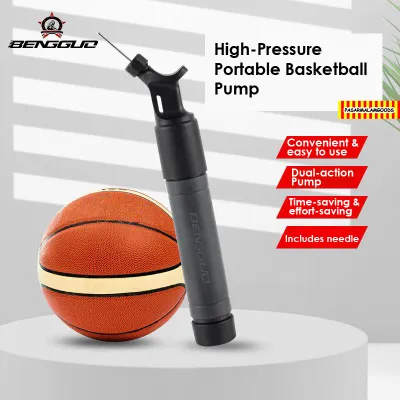
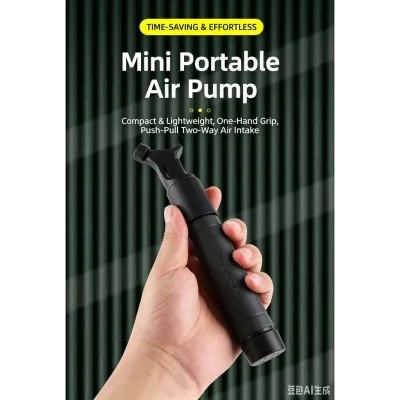
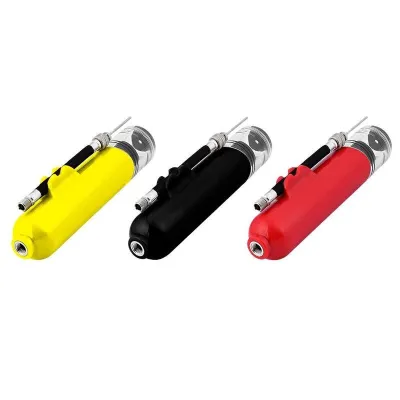
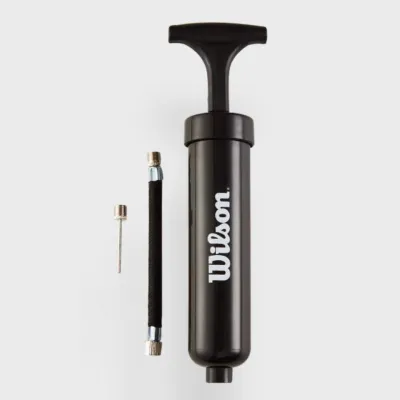
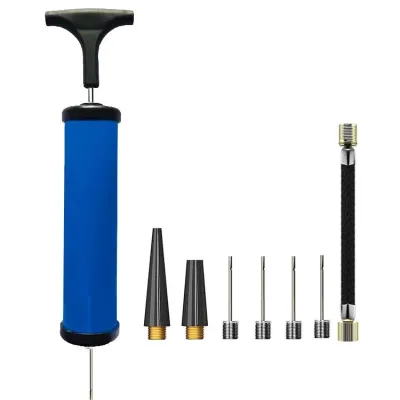
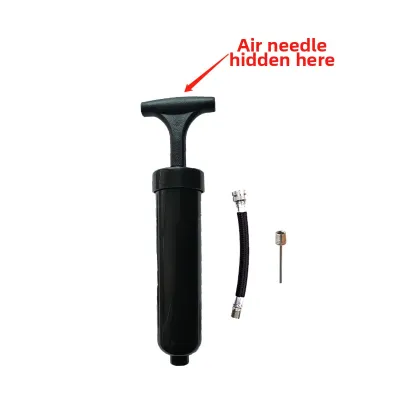
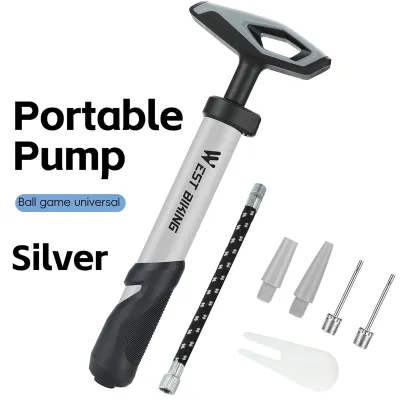
Prices are valid at publication and may change. Please refer to the product page for the latest price.
The durability of an air pump is directly tied to its cylinder material and hose construction. Low-cost brands often utilize thin plastic cylinders that flex under pressure, leading to internal seal bypass and rapid wear. Premium brands construct their pump cylinders from seamless aluminum or steel, which dissipates heat more effectively during rapid pumping and resists physical impacts. The hose itself should be made of reinforced, braided rubber or high-grade polyurethane. In Singapore’s hot and humid climate, cheap PVC hoses tend to become brittle, stiffen, or develop micro-cracks near the connection joints. A flexible, braided hose with integrated strain relief sleeves at both ends will withstand repeated bending and high-pressure cycles without degrading or leaking air.
Matching Pump Mechanisms to Your Sports and Home Needs
Selecting the right pump mechanism depends heavily on the volume of air you need to move and the physical effort you are willing to exert. Hand pumps are the traditional choice for sports bags due to their compact size and lightweight design. They are highly portable and require no electrical power, making them perfect for quick courtside top-ups. However, inflating a completely flat basketball or a larger inflatable with a standard single-action hand pump can be physically tiring and time-consuming. Foot pumps offer a compelling alternative for home use, utilizing leg power to drive a larger piston. This design reduces upper-body fatigue and typically delivers a higher volume of air per stroke, making them highly suitable for inflating larger items like pool floats or bicycle tires alongside sports balls.

For maximum convenience and high-volume home inflatables, electric air pumps have become increasingly popular. Modern digital electric pumps are compact, battery-powered devices that automate the inflation process entirely. When evaluating electric pump brands, look for models that feature an automatic shutoff function. This safety feature allows you to preset your desired PSI; the pump runs until it detects that pressure and then shuts off automatically, preventing accidental over-inflation. Battery capacity, measured in milliampere-hours (mAh), and thermal management are also crucial. High-volume inflatables require continuous operation, which generates significant heat. Reliable electric pump brands design their units with active cooling vents and internal thermal protection circuits that shut the motor down before it overheats.
If you prefer a manual pump but want to maximize efficiency, consider the difference between single-action and dual-action mechanisms. A standard single-action pump only expels air when you push the plunger inward. A dual-action pump, by contrast, features an internal valve system that pumps air into the ball on both the push and the pull strokes. This effectively halves the time and effort required to inflate a basketball. While dual-action pumps are highly efficient for sports balls, they do require slightly more physical force on the pull stroke, which might feel resistant to younger users. Understanding these mechanical differences allows you to choose a pump style that aligns with who will be using the tool and where the inflation tasks will take place.
How to Assess Brand Reliability and Build Quality
To judge a manufacturer’s trustworthiness without relying on unverified marketing claims, you must look closely at their post-purchase support and structural design choices. A reliable brand will back its product with a clear, written warranty—typically 12 months for consumer-grade pumps—and maintain an accessible customer service channel. Furthermore, reputable brands often sell or provide replacement parts, such as spare O-rings, replacement hoses, and extra valve needles. If a brand treats the entire pump as a disposable item when a single rubber seal fails, it is generally a sign of lower manufacturing standards. Choosing a brand that offers modular, replaceable components ensures your pump remains functional for years.
Analyzing user feedback across independent retail channels can reveal common failure points that marketing materials hide. Pay close attention to complaints regarding gauge detachment, where the pressure gauge housing cracks or leaks air under pressure. Another frequent issue in cheaper models is hose cracking at the base of the pump, which immediately renders the tool useless. Handle breakage is also common in low-end manual pumps where the plastic T-handle is molded too thinly to withstand the downward force of vigorous pumping. Brands that reinforce these high-stress areas with metal inserts, thick fiberglass-reinforced plastics, or ergonomic rubber overmolds consistently demonstrate better long-term reliability in real-world conditions.
It is also helpful to distinguish between specialized sports equipment manufacturers and general hardware or novelty brands. Specialized sports brands design their pumps with a primary focus on ball valve safety, low-pressure accuracy, and portability. Their needles are often engineered to minimize friction and protect delicate rubber valves. General hardware brands, on the other hand, build pumps designed primarily for high-pressure applications like car or bicycle tires; while durable, these pumps may lack the delicate touch and low-pressure sensitivity needed for sports balls. Novelty or unbranded generic pumps sold on discount platforms often prioritize low cost over all else, utilizing cheap internal seals that quickly lose compression, leading to air bypass and eventual failure.
Pre-Purchase Checks for Equipment Safety and Compatibility
Before purchasing any air pump, you must perform several compatibility and safety checks to ensure the tool will not damage your expensive sports gear. First, cross-reference the pump’s maximum pressure output with the recommended inflation limits of your equipment. A standard basketball requires only 7.5 to 8.5 PSI, while a road bicycle tire might require over 100 PSI. If you choose a high-pressure pump designed for bikes or vehicles, verify that it allows for extremely fine adjustments at low pressures. Using an uncalibrated high-pressure pump on a sports ball carries a high risk of over-inflation, which can permanently warp the ball’s panels or cause the internal bladder to burst.
The physical design of the inflation needle and valve adapters is another critical safety factor. Cheap, poorly manufactured needles often feature rough metal burrs or sharp edges around the air exit hole. When inserted into a basketball’s self-sealing rubber valve, these burrs can slice the valve wall, leading to slow, irreparable air leaks. Ensure the brand you select uses smooth, polished stainless steel needles with rounded tips. Additionally, always apply a drop of lubricant, such as glycerin or silicone oil, to the needle before insertion. This reduces friction, protects the valve core from tearing, and ensures a tight, airtight seal during the inflation process.
For electric or high-pressure manual pumps, the presence of a pressure release valve is an invaluable safety feature. If you accidentally over-inflate a ball or tire, a pressure release valve—usually a small brass button located near the gauge—allows you to bleed off excess air slowly without disconnecting the pump. This gives you precise control over the final pressure. On electric models, verify that the digital sensor is calibrated correctly and that the auto-shutoff mechanism reacts instantly when the target pressure is reached. A delay of even a few seconds on a high-speed electric pump can easily over-inflate and ruin a delicate sports ball.
Buying Channels and Post-Delivery Verification in Singapore
When sourcing an air pump in Singapore, choosing the right buying channel is essential for securing an authentic product with a valid warranty. Purchasing from authorized local sports retailers or official brand stores ensures you receive genuine merchandise and access to local customer support. While general online marketplaces and ecommerce platforms may offer lower prices, they often feature parallel-imported goods or counterfeit items that lack warranty coverage in Singapore. Buying from a physical store also allows you to handle the pump, inspect the weight and material quality, and verify that all advertised adapters are included in the box before making a financial commitment. High-quality multi-purpose pumps in Singapore typically range from S$15 to S$60, depending on whether they are manual or digital electric models.
Once your pump is delivered, perform a systematic initial verification to ensure it meets performance standards. Start by inspecting the unit for any visible shipping damage, such as cracked plastic housings or bent needles. Next, assemble the pump, attach the sports needle, and perform a dry test by sealing the needle tip with your finger while gently depressing the plunger. If you feel solid resistance and hear no escaping air, the internal seals and hose connections are airtight. To test the pressure gauge, inflate a basketball to its approximate standard firmness and check if the gauge registers a stable, responsive reading. The needle or digital readout should rise smoothly without sticking or jumping erratically.
If you discover that the pressure gauge is inaccurate, or if key components like the inflation needle are missing, take immediate action. Do not attempt to use makeshift adapters, as this can damage your sports equipment. Contact the retailer or local distributor immediately to request a replacement or refund under the terms of your consumer warranty. Keeping the original packaging and purchase receipt intact will greatly expedite this process. By conducting these simple post-delivery checks, you can ensure that your new air pump is fully functional, safe to use, and ready to keep your sports gear perfectly inflated.
Frequently Asked Questions (FAQ)
Can I use a standard bicycle pump with a pressure gauge for a basketball?
Yes, you can use a standard bicycle pump to inflate a basketball, provided you have the correct steel inflation needle adapter. Most bicycle pumps feature Schrader or Presta valve connectors, so you will need to screw or clamp the ball needle securely into the pump’s nozzle. However, you must exercise extreme caution regarding the pressure gauge. Bicycle pumps are designed for high-pressure, low-volume inflation, and their gauges often scale up to 120 or 160 PSI. Because a basketball only requires 7.5 to 8.5 PSI, this target pressure will sit at the very bottom of the gauge’s scale, making it highly difficult to read accurately. To avoid over-inflation, pump slowly and check the ball’s firmness frequently.
How do I know if my basketball is inflated to the correct pressure without a gauge?
If you do not have a reliable pressure gauge, you can estimate the inflation level using the standard drop-test method. Hold the basketball at eye level so that the bottom of the ball is exactly 1.8 meters above a solid concrete floor. Release the ball and let it bounce. A properly inflated basketball should bounce back up to a height of approximately 1.2 to 1.4 meters, measured from the floor to the top of the ball. Additionally, perform a tactile check: you should be able to compress the surface of the ball slightly with your thumbs, but it should feel firm and resist deep squeezing. While these manual checks are useful in a pinch, they are subjective estimates and cannot replace the precision of a dedicated PSI gauge.

Community discussion
Share your experience or ask a question. Comments are reviewed before publication.