
Finding the right yoga mat cleaner spray is critical to preserving the structural integrity and grip of your mat. In a warm, humid climate like Singapore’s, sweat and ambient moisture can quickly turn a yoga mat into a breeding ground for bacteria and odor. However, grabbing a generic household disinfectant or the wrong specialized spray can permanently ruin your mat’s surface, making it dangerously slick or causing it to crumble. The safety of any cleaner depends entirely on the specific material of your mat—whether it is thermoplastic elastomer (TPE), natural rubber, or cork. Matching the chemical properties of the spray to your mat’s physical structure ensures you maintain a hygienic, high-traction surface for every session.
Why Your Yoga Mat Material Dictates Cleaner Compatibility
Yoga mats are generally divided into two structural categories: closed-cell and open-cell. Closed-cell materials, such as TPE, feature a sealed surface that prevents liquids from penetrating the interior of the mat. While this makes them highly resistant to moisture absorption, it also means any residue from an incompatible cleaner will sit directly on top of the mat, creating a slippery film.
Conversely, open-cell materials like natural rubber and cork are highly porous. They are designed to absorb moisture during sweaty practices to maintain a reliable grip. However, this open structure means they also absorb whatever cleaning solution you spray onto them. If you use a cleaner containing harsh chemicals, synthetic fragrances, or heavy oils, these substances seep deep into the pores. Over time, they clog the material, break down the natural polymers, and cause the mat to lose its natural traction or degrade prematurely. Before purchasing any yoga mat cleaner spray, always check your mat manufacturer’s care label and warranty conditions, as using unapproved chemical agents can void your coverage.
Products mentioned in this guide
![[UTAMA SPICE] Energizing Yoga Mat Spray for cleaning & sanitizing - 100% natural cleaner for yoga mats exercise mats multipurposed cleaner](https://img.lazcdn.com/g/p/2c034a7b596802693b5b4f923b700f3c.jpg_400x400q80.jpg_.webp)
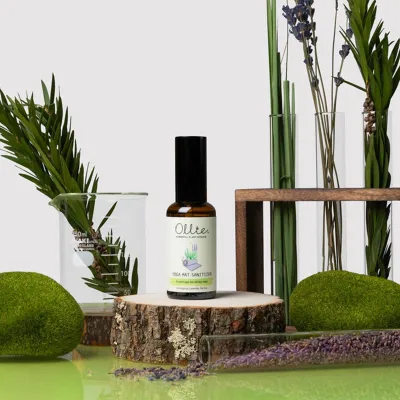
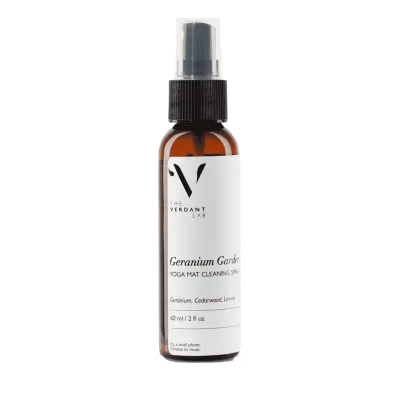
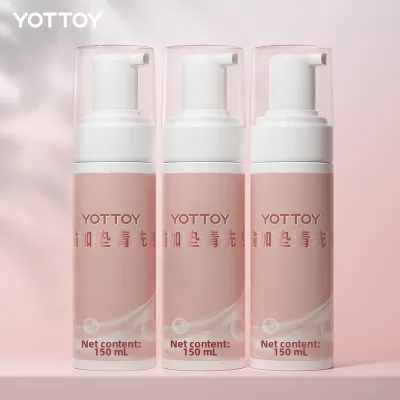
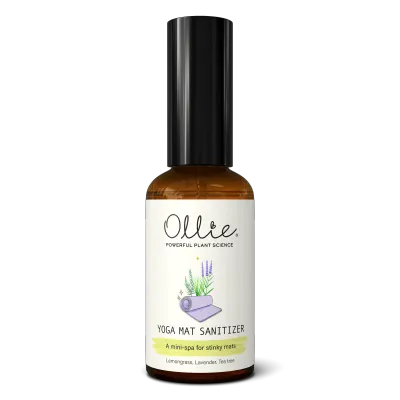
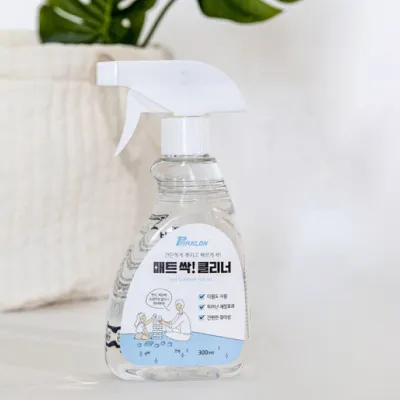
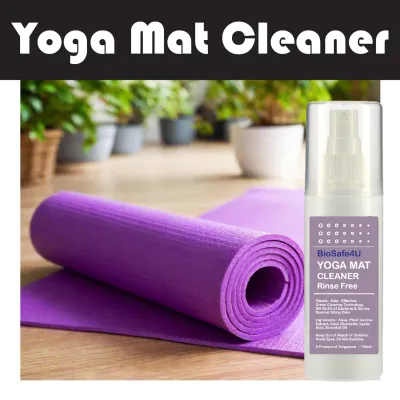
Prices are valid at publication and may change. Please refer to the product page for the latest price.
Selecting a Safe Cleaner Spray for TPE Yoga Mats
Thermoplastic elastomer (TPE) is a popular, lightweight material known for its closed-cell structure. Because TPE does not absorb sweat, cleaning it is relatively straightforward, but the material remains sensitive to harsh chemical solvents. Strong alcohol solutions or highly concentrated detergents can strip the protective top layer of the TPE, leading to premature cracking and fading.

When shopping for a yoga mat cleaner spray for a TPE mat, look for mild, water-based formulations. Many manufacturer-approved sprays rely on gentle, plant-derived surfactants that lift surface dirt and oils without compromising the polymer structure. It is crucial to avoid oil-based cleaners on TPE mats. Because the surface is non-porous, oils cannot sink in; instead, they leave a slick, greasy residue that is incredibly difficult to wash off and can make your next downward dog highly unstable.
Selecting a Safe Cleaner Spray for Natural Rubber Mats
Natural rubber mats are highly prized by yogis for their exceptional, dry grip and eco-friendly composition. However, natural rubber is an organic, open-cell material that requires highly specific care. It is incredibly sensitive to environmental factors, as well as the chemicals applied to its surface. Using the wrong spray can cause the rubber to dry out, oxidize, and undergo “dry rot,” where the mat begins to flake, harden, and lose its elasticity.
To protect a natural rubber mat, you must select a spray that is explicitly labeled as rubber-safe, plant-based, and oil-free. Essential oils, which are common in many botanical cleaners, are highly damaging to natural rubber because they dissolve the natural latex bonds and clog the open pores. Verify the spray’s pH guidelines on the product packaging; natural rubber thrives with neutral or slightly acidic, highly diluted solutions. Avoid any products that do not clearly state their compatibility with natural rubber, as even a single application of an incompatible solvent can permanently ruin the mat’s traction.
Selecting a Safe Cleaner Spray for Cork Yoga Mats
Cork yoga mats offer a unique, naturally antimicrobial surface that actually increases its grip as it gets wet. This natural material contains suberin, a waxy substance that inherently resists mold and mildew—a major benefit in humid tropical environments. Because cork is naturally self-cleaning to a degree, it requires only minimal, gentle maintenance to preserve its surface integrity and prevent cracking.
Heavy chemical sprays, synthetic perfumes, and alcohol-based solutions should never be used on cork. These harsh substances strip the natural oils from the cork wood, causing it to dry out, become brittle, and eventually crack or peel away from its backing. Instead, opt for mild botanical sprays approved by the mat maker, or formulations that use highly diluted, gentle ingredients. When cleaning cork, the rule of thumb is to use minimal moisture; a light misting is all that is required to refresh the surface without oversaturating the natural wood fibers.
Ingredients to Avoid Based on Your Mat Material
To keep your yoga gear in peak condition, you must become an active label reader. There are several common ingredients in household disinfectants and even some commercial yoga sprays that you should actively avoid. High-concentration alcohols, such as isopropyl alcohol, are excellent for sanitizing hard surfaces but are far too drying for natural rubber and cork. Essential oils, while popular for their pleasant scents, should be avoided on open-cell rubber mats due to their pore-clogging and material-degrading properties. Strong synthetic solvents, bleach, and artificial fragrances can also cause rapid chemical damage.
Recognizing the early signs of chemical damage can save your mat from total destruction. If you notice surface discoloration, a sticky or unusually slick texture, flaking, or fine cracks appearing on the surface, stop using your current spray immediately. Always cross-reference the cleaner’s ingredient list with your mat manufacturer’s specific care instructions to ensure you are not introducing a damaging agent to your specific mat type.
How to Safely Test and Apply Your Yoga Mat Cleaner
Even when a spray claims to be universal or natural, performing a spot test is the safest way to prevent accidental damage. Spray a tiny amount of the cleaner onto a small, inconspicuous area of your mat—such as a corner on the underside. Wait 24 hours to check for any adverse reactions, such as color fading, texture changes, or a loss of grip in that specific spot.
When you are ready for a full clean, the application method is just as important as the cleaner itself. Never spray a liquid cleaner directly onto an open-cell mat, as this can lead to pooling and deep absorption. Instead, spray a moderate amount of the cleaner onto a clean microfiber cloth, then gently wipe down the surface of the mat. This controlled method ensures even distribution and prevents oversaturation. If at any point during or after cleaning the mat becomes slippery, starts shedding material, or exhibits a persistent chemical odor, discontinue use immediately. Allow your mat to air dry completely in a shaded, well-ventilated indoor space before rolling it up, especially in high-humidity regions where trapped moisture can lead to mold.
Frequently Asked Questions (FAQ)
Can I use a homemade vinegar and water spray on all yoga mats?
While a highly diluted white vinegar and water solution is a popular DIY option for closed-cell TPE mats, it is not safe for all materials. The natural acidity of vinegar can gradually degrade the organic compounds in natural rubber and dry out cork over time. Before applying any homemade acidic mixture, consult your mat manufacturer’s care guidelines, as using unauthorized DIY solutions can void your product warranty.
How often should I spray and clean my yoga mat?
The frequency of cleaning depends on your practice style and the mat’s material. For closed-cell TPE mats, a quick wipe-down with a mild spray after every session is ideal to remove surface sweat. For open-cell mats like natural rubber and cork, limit wet cleaning to once every few weeks or only when visibly soiled, as frequent moisture exposure can accelerate material breakdown.
What should I do if my cleaner spray leaves a slippery residue?
If an incompatible spray has left your mat slick, you can attempt to restore its grip by stripping the residue. Wipe the surface thoroughly with a clean cloth dampened with warm water and a tiny drop of mild, oil-free dish soap. Afterward, wipe it down multiple times with a fresh, water-only damp cloth to remove all soap traces, and let the mat air dry completely before your next practice.

Community discussion
Share your experience or ask a question. Comments are reviewed before publication.