
Quick Answer: Key Specs for Soft Kettlebells
When choosing a soft kettlebell, the most critical specifications to evaluate are the outer coating material, the internal fill type, and the handle clearance. Soft kettlebells prioritize home gym safety and floor protection, making them ideal for indoor workouts where dropping a traditional cast-iron weight could crack tiles or damage floorboards. However, they present a trade-off: while they offer excellent impact absorption and reduced noise, their larger physical volume and potentially flexible handles can make advanced, high-velocity ballistic movements more challenging than with traditional iron weights.
Coating and Outer Material: Floor Protection and Grip
The outer shell of a soft kettlebell determines how well it protects your living space and how secure it feels in your hands. Common materials include neoprene, silicone, and heavy-duty fabrics like Cordura or reinforced canvas. Neoprene offers a smooth, slightly cushioned feel that absorbs minor impacts well, though it can become slippery when wet with sweat. Silicone provides excellent sweat resistance and is easy to wipe clean, but it may feel overly sticky or rubbery during high-repetition transitions. Heavy-duty fabrics are highly durable and resist tearing, but their textured surfaces can be abrasive on bare hands during long training sessions.

To verify floor-safe claims, look closely at the density of the outer layer and the underlying padding. A durable soft kettlebell should have a thick, resilient buffer zone between the outer shell and the internal weight. You can check this by pressing firmly on the body of the bell; it should yield slightly under pressure but immediately spring back without letting you feel the hard internal core. Reading user feedback specifically regarding seam split issues and floor impact noise can help you gauge how well the material holds up to repeated drops on hard surfaces.
Products mentioned in this guide
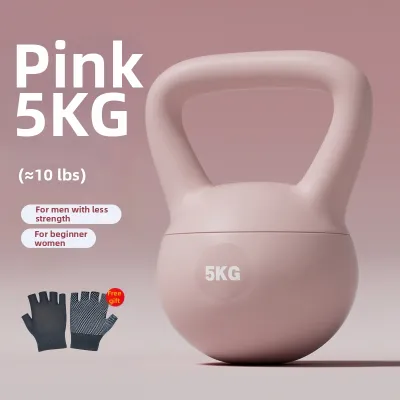
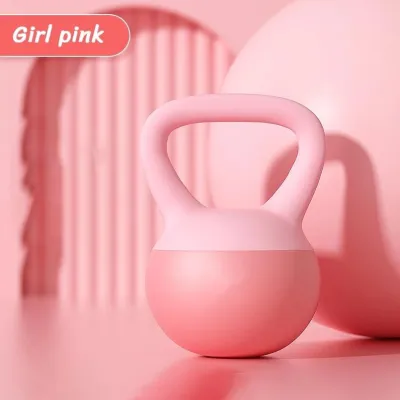
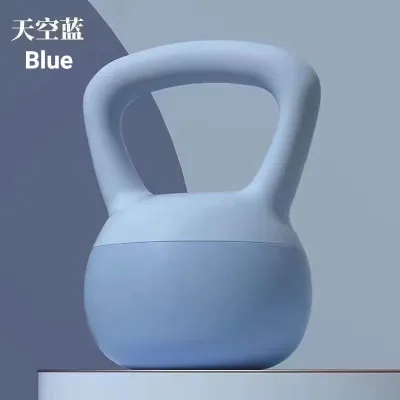
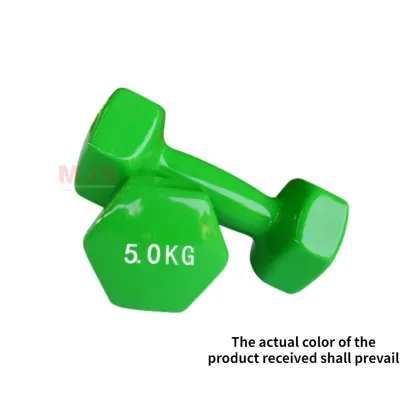
Prices are valid at publication and may change. Please refer to the product page for the latest price.
Maintenance is another key factor in long-term durability. Fabric shells tend to absorb sweat and moisture, which can lead to unpleasant odors and staining if left unaddressed. Silicone and neoprene are much easier to maintain, requiring only a quick wipe with a damp cloth after use. Regardless of the material, avoiding harsh chemical cleaners and allowing the equipment to dry completely in a well-ventilated area will prevent premature degradation of the outer shell.
Weight Range and Internal Fill: Balancing Size and Resistance
The internal fill of a soft kettlebell directly dictates its physical size, weight distribution, and overall stability. Unlike solid cast-iron bells, soft models typically use loose fillers such as sand, iron sand, steel shot, or a combination of a solid core wrapped in soft padding. Sand-filled models are highly cushioned and quiet when dropped, but they require a much larger physical volume to achieve the same weight as iron. This increased bulk can interfere with your movement path during exercises like clean-and-presses or swings. Iron sand and steel shot offer a denser alternative, allowing the kettlebell to remain relatively compact while maintaining a soft outer profile.
When deciding between fixed and adjustable soft kettlebells, consider your training goals and current strength baseline. Fixed-weight models are generally more durable because they have fewer failure points, making them excellent for consistent, high-intensity workouts. Adjustable models, which often use removable sandbags or weight plates inside a zippered shell, offer great versatility for progressive overload but require careful inspection. If you choose an adjustable or fabric-shelled model, always inspect the seam strength, zipper quality, and hook-and-loop closures. Look for double-stitched seams and heavy-duty, dust-proof zippers to prevent fine sand or iron dust from leaking out during dynamic movements.
For beginners, matching the starting weight to your current physical capability is crucial for mastering proper form. Whether you are investing S$30 in a single light bell or building a full home gym set, a standard starting weight for foundational movements like the deadlift and basic swing typically ranges from 4 kg to 8 kg for those new to resistance training, and 12 kg to 16 kg for individuals with some strength training experience. Choosing a weight that allows you to maintain a neutral spine and controlled shoulder packing is far more important than opting for a heavier, unstable load.
Handle Design and Clearance: Comfort for Two-Handed Movements
The handle is your primary point of contact with the kettlebell, making its design critical for both safety and comfort. Key dimensions to evaluate include the inner width of the handle, the horn thickness (the diameter of the handle grip), and the vertical clearance (the distance from the underside of the handle to the top of the bell’s body). For two-handed movements like the standard kettlebell swing, the inner width must be wide enough to accommodate both of your hands side-by-side without pinching your pinky fingers.
Handle materials on soft kettlebells vary widely, ranging from rigid steel or cast iron integrated into a soft base to fully soft, fabric-wrapped handles. Rigid handles provide a stable, predictable grip that mimics traditional kettlebells, allowing the bell to rotate smoothly in your hand during snatches and cleans. Fully soft handles, while safer if they accidentally strike your forearm, can bend or compress under load. This flexibility can alter the kettlebell’s center of gravity mid-swing, requiring more grip strength and forearm stability to control.
Before purchasing, check the manufacturer’s dimension charts and compare them against your own hand measurements. If you have larger hands, a handle with a vertical clearance of at least 5.5 to 6 centimeters is generally recommended to prevent your knuckles from rubbing against the body of the bell. Additionally, look for a handle texture that offers a balance between grip security and comfort; a slightly textured, non-slip surface helps prevent the bell from slipping out of sweaty hands without causing blisters during high-repetition sets.
Secondary Specs That Rarely Change Your Decision
When shopping for a soft kettlebell, it is easy to get distracted by marketing features that have little impact on your actual training. Aesthetic choices, such as bright color-coding or stylish branded packaging, do not affect the durability or functionality of the weight. Similarly, generic “ergonomic” labels should be ignored unless they are backed up by specific, verifiable measurements that match your body size.
A flat base is a standard feature on almost all soft kettlebells to prevent them from rolling away when placed on the floor. While a flat bottom is useful for storage, you do not need to over-analyze this spec unless you plan to perform advanced exercises like deficit push-ups directly on top of the handles—a practice that is generally safer to perform on rigid, stable equipment anyway. Finally, minor weight increments, such as 0.5 kg differences, are rarely worth a price premium. For beginners, focusing on consistent form with standard weight jumps (such as moving from 8 kg to 12 kg) is far more effective than micro-loading with specialized, expensive increments.
Frequently Asked Questions (FAQ)
Can I use a soft kettlebell for heavy lifting and advanced competitive lifts?
Soft kettlebells are generally not designed for heavy competitive lifting or high-impact Olympic-style training. Their soft shells and flexible fills absorb impact well, but they lack the structural rigidity and precise balance required for advanced ballistic movements like heavy snatches or jerks. Additionally, soft models often have lower maximum weight capacities compared to solid steel or cast-iron options. Always check the manufacturer’s specified weight limits and recommended use cases before attempting heavy overhead work to ensure the handle and seams can safely withstand the dynamic forces.
How do I clean and maintain a fabric or neoprene soft kettlebell?
To clean a fabric or neoprene soft kettlebell, wipe the exterior with a damp cloth and a mild, diluted soap solution. Avoid soaking the kettlebell in water or using harsh chemical solvents, as excessive moisture can seep into the internal fill and degrade the outer adhesive or fabric fibers. After cleaning, place the kettlebell in a well-ventilated, shaded area to air-dry completely. Keeping the equipment out of direct sunlight during the drying process prevents the outer material from cracking or fading over time.

Community discussion
Share your experience or ask a question. Comments are reviewed before publication.