
To fit a treadmill comfortably in a Housing & Development Board (HDB) flat, you must prioritize a compact footprint, reliable folding mechanisms, effective noise-dampening features, and appropriate clearance dimensions. Living in high-density housing means balancing your fitness goals with spatial constraints and neighborly consideration. Choosing the right machine requires looking beyond the running belt to evaluate how the equipment integrates into your daily living space, both when in use and when stored away.
By systematically measuring your home, evaluating folding designs, managing acoustics, and balancing performance specifications, you can find a machine that supports your fitness routine without compromising your living comfort. This guide outlines the essential features and verification steps to help you make an informed decision.
Measure Your Space and Delivery Clearances
Before browsing online catalogs or visiting showrooms, you must map out the exact physical limits of your home. A treadmill occupies two distinct footprints: the active operational space when you are running, and the folded storage footprint when the machine is idle. You need to measure both areas carefully to ensure the machine does not block essential walkways, household shelters, or bedroom doors.
Products mentioned in this guide
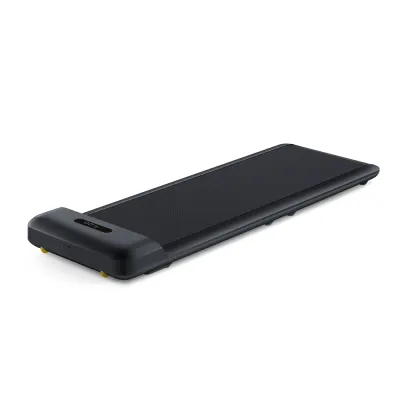
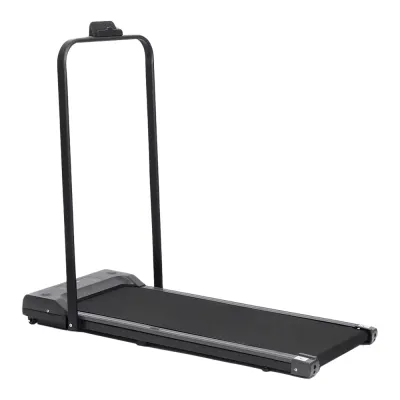
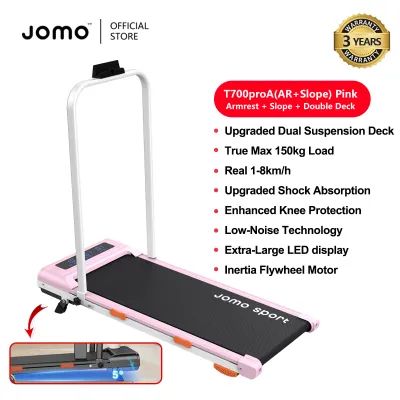
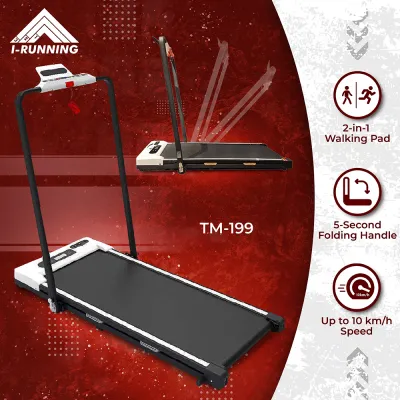
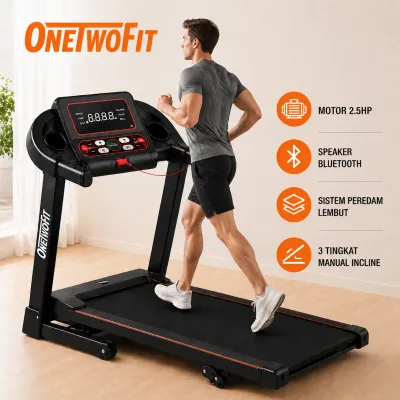
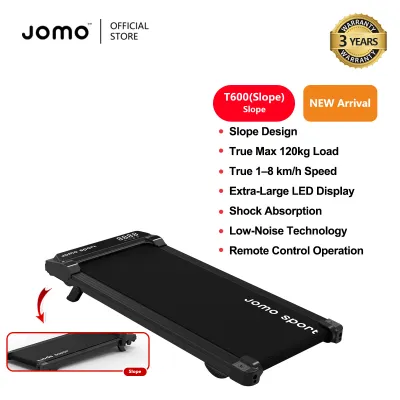
Prices are valid at publication and may change. Please refer to the product page for the latest price.
Safety clearances are non-negotiable when operating a motorized running belt. Manufacturers typically recommend leaving a clear, unobstructed safety zone of at least two meters behind the rear of the treadmill and about half a meter on both sides. This buffer zone is critical in case you lose your footing or need to dismount quickly during an emergency. Attempting to squeeze a treadmill flush against a wall or between heavy furniture pieces increases the risk of injury.
Beyond the room itself, you must verify the delivery pathway from the estate’s loading bay to your front door. Measure the height and width of your HDB block’s passenger lift doors, the turning clearance in the common corridor, and your main entrance frame. Many heavy-duty treadmills arrive in large, bulky boxes that cannot navigate tight 90-degree turns in older estate corridors or fit inside standard lift cabins without prior unboxing. Checking these specifications in the product manual or consulting the retailer before delivery prevents costly return fees.
Evaluate Folding Mechanisms and Storage Footprints
For most HDB dwellers, a folding treadmill is the only practical option to preserve floor space. Folding designs generally fall into two categories: hydraulic assist systems and manual folding systems. Hydraulic drop-fold mechanisms use gas shocks to help lift the heavy deck with minimal physical effort and lower it slowly and safely to the floor. Manual folding systems require you to lift the entire weight of the deck yourself, which may be challenging if you have lower back concerns or limited upper-body strength.

When a treadmill is folded upright, its stability becomes a primary safety concern, especially in households with children or pets. You should inspect the locking mechanism to ensure it clicks securely into place and cannot be easily dislodged by an accidental bump. Some models feature dual-locking pins or secondary safety latches that provide extra peace of mind when the machine is stored vertically in a shared living room or study.
If your fitness routine focuses primarily on light jogging or walking while working, an ultra-compact walking pad or under-desk treadmill might be a more suitable alternative to a traditional running machine. These flat, streamlined units often lack a bulky upright console, allowing them to slide completely under a sofa, bed, or desk when not in use. However, you must verify if these models have speed limitations, as many are capped at walking or light jogging paces and are not built for high-intensity sprinting.
Repositioning the treadmill should not feel like a strenuous workout in itself. Look for machines equipped with multi-directional transport wheels and constructed from lightweight yet durable frame materials, such as high-grade aluminum or reinforced steel alloys. Wheels that only roll forward and backward make lateral adjustments difficult in tight rooms, so checking the wheel configuration in the product specifications can save significant effort during daily setup.
Manage Noise and Vibration for Multi-Story Living
Living in an HDB flat means sharing walls and floors with neighbors, making noise management a top priority. The sound of running on a treadmill comes from two sources: the mechanical hum of the motor and the physical impact of your feet hitting the deck. To mitigate impact noise, look for treadmills featuring multi-layer running belts and advanced internal shock absorption systems, such as elastomeric dampeners or spring cushions, which absorb the downward force of your stride before it transfers to the concrete floor.
The motor type also plays a significant role in the overall noise level of the machine. Modern brushless DC motors generally operate with a much quieter hum and offer smoother speed transitions compared to older brushed motor designs. While brushless motors may carry a higher initial cost, their quieter operation and reduced electromagnetic interference make them highly desirable for early morning or late-night workouts in close quarters.
Even with excellent built-in shock absorption, structural vibration can still travel through the floorboards and disturb the neighbors living directly below you. Placing a high-density, heavy-duty rubber anti-vibration mat beneath the treadmill is a highly effective and inexpensive way to isolate physical vibrations. These specialized mats help disperse the impact energy and protect your flooring from scratches, indentations, and grease marks.
Mechanical friction is another common source of squeaks, squeals, and grinding noises that can develop over time. Regular maintenance is essential to keep the machine running quietly and efficiently. You should consult the manufacturer’s user manual to establish a routine schedule for lubricating the deck with silicone oil, checking belt tension, and vacuuming dust out of the motor cover to prevent overheating and premature wear.
Balance Compact Dimensions with Running Performance
While finding a small treadmill is important, you must not compromise on safety and basic performance limits. The size of the running belt directly affects your safety and comfort during a workout. Taller runners with longer strides require a longer belt to prevent their feet from slipping off the back, while faster running speeds naturally demand a wider belt to accommodate lateral movement. You should verify that the belt dimensions match your physical height and running style before purchasing.
The motor’s power rating is another critical specification to evaluate, specifically looking at the Continuous Horsepower (CHP) rather than the Peak Horsepower (PHP). The CHP indicates the motor’s ability to maintain a consistent speed under a continuous load without overheating. If you plan to use the treadmill for regular running, a motor with insufficient CHP will struggle under your weight, leading to jerky belt movements, increased wear, and potential motor failure.
Compact and ultra-lightweight folding treadmills often have lower maximum user weight capacities compared to their heavy, non-folding commercial counterparts. It is vital to check the manufacturer’s specified weight limit and leave a safe buffer margin. Operating a treadmill close to or exceeding its maximum weight capacity strains the motor, degrades the shock absorption system, and can void your warranty.
Finally, consider the design of the console and handlebars. Many modern space-saving treadmills feature minimalist, streamlined consoles or even rely on tablet mounts and remote controls instead of large, bulky plastic dashboards. Prioritizing essential feedback metrics—such as speed, time, and distance—over built-in entertainment screens can significantly reduce the physical bulk of the machine, lower the purchase price, and make the unit much easier to fold and store.
Frequently Asked Questions (FAQ)
Do I need permission from HDB to use a treadmill?
You do not need formal written permission from the Housing & Development Board to own or use a standard residential treadmill in your flat. However, you must adhere to general guidelines regarding floor load limits and neighborly conduct. Standard HDB residential floors are designed to support typical household loads, but exceptionally heavy commercial-grade fitness equipment may require careful placement. To ensure safety, position the machine close to load-bearing walls or structural columns rather than in the center of a room, and always take proactive steps to prevent excessive noise and vibration from disturbing your neighbors.
Can I place a treadmill near an open window or balcony?
Placing a treadmill near an open window or on a semi-outdoor balcony is generally not recommended due to Singapore’s tropical climate. High humidity, heavy rain splash, and airborne dust can quickly damage the sensitive electronic console, corrode internal metal components, and cause electrical short circuits in the motor. Additionally, exposure to direct sunlight can degrade the rubber running belt and plastic housing over time. To protect your investment and maintain your manufacturer’s warranty, it is best to operate and store the treadmill in a fully enclosed, dry, and well-ventilated indoor area.

Community discussion
Share your experience or ask a question. Comments are reviewed before publication.