
Selecting a waterproof outdoor inflatable tent requires looking beyond marketing buzzwords to evaluate measurable specifications and structural design. In Singapore’s tropical climate, where sudden, heavy downpours are common, a tent’s ability to keep water out while managing high humidity is critical. Rather than relying on a single brand name as a universal guarantee of dry shelter, campers must understand how to verify fabric ratings, seam construction, and air beam integration. By focusing on verifiable technical details, you can confidently select an inflatable tent that withstands sustained rain and keeps your gear dry.
Because inflatable tents rely on pressurized air tubes instead of traditional fiberglass or aluminum poles, their structural integrity and fabric tension are closely linked. A saggy tent collects water pools, which increases the risk of leakage regardless of the fabric’s waterproof rating. Therefore, evaluating the waterproof capability of an air tent involves assessing both the material specifications and the structural design that keeps the fabric taut under heavy rainfall.
Understanding Waterproof Ratings and Materials
To establish a baseline for evaluating any brand’s waterproof performance, you must first understand the Hydrostatic Head (HH) rating. This measurement, expressed in millimeters (mm), indicates the pressure of water the fabric can withstand before moisture penetrates. For example, a fabric rated at 2,000mm HH can theoretically hold a 2,000-millimeter column of water on its surface before leaking.
Products mentioned in this guide
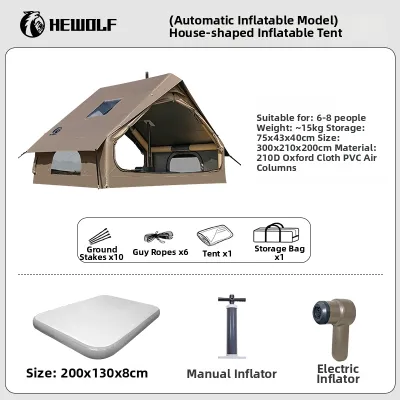
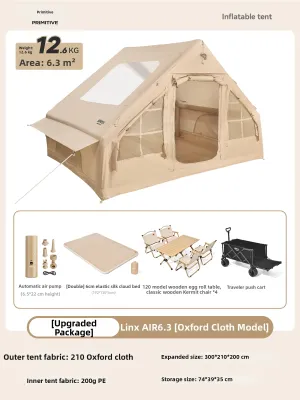
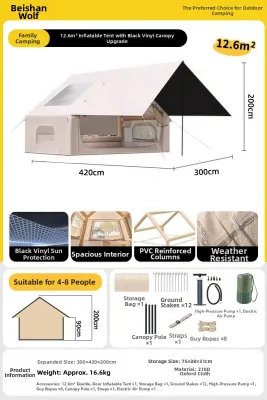
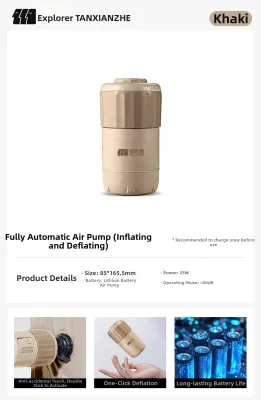
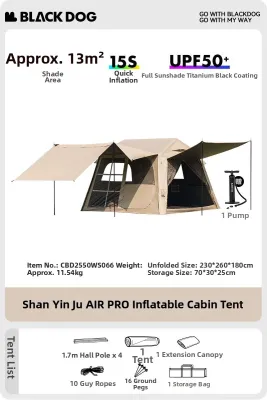
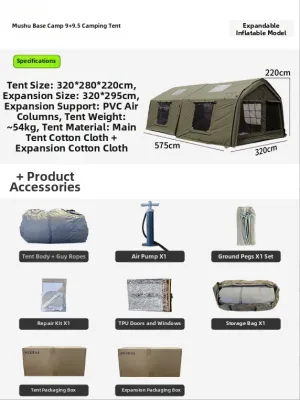
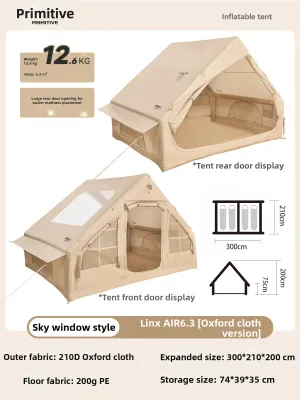
Prices are valid at publication and may change. Please refer to the product page for the latest price.
When camping in regions prone to intense tropical storms, a higher HH rating is essential. For light, occasional drizzle, a rating of 1,500mm is generally sufficient. However, for reliable protection against heavy downpours, look for a rainfly with a minimum rating of 3,000mm. The tent floor or groundsheet requires an even higher rating—ideally 5,000mm or more—because the physical pressure of campers sitting, kneeling, or sleeping on the floor forces water through the fabric much more easily than gravity alone.
The choice of tent fabric also plays a significant role in water resistance, durability, and weight. Polyester is the most common material used in modern inflatable tents. It is naturally hydrophobic, meaning it does not absorb water or sag when wet, and it offers excellent resistance to ultraviolet (UV) damage. Nylon is lighter and stronger than polyester, but it tends to absorb water and stretch when wet, which can cause the tent walls to sag and collect rain unless the fabric is treated with a high-quality silicone coating.
Another premium option is polycotton, a blend of polyester and cotton. Unlike synthetic fabrics that rely entirely on chemical coatings, polycotton fibers swell when wet, naturally sealing the weave to block water. Polycoton is highly breathable, which significantly reduces condensation inside the tent—a major advantage in warm, humid climates. However, polycotton tents are substantially heavier, bulkier, and require a process called “seasoning” (repeatedly wetting and drying the tent at home) before their first trip to ensure the fibers have fully expanded.
To enhance water resistance, manufacturers apply specialized coatings to synthetic fabrics. Polyurethane (PU) is the standard coating applied to the interior of polyester or nylon fabrics. While highly effective at blocking water, standard PU coatings can degrade over time when exposed to heat and moisture—a process known as hydrolysis. When shopping, look for formulations specified as polyether-polyurethane or those with added UV inhibitors, which offer better longevity. Silicone coatings, often applied to premium nylon fabrics (silnylon), provide superior water repellency, elasticity, and UV resistance, though they require specialized silicone-compatible seam sealers if repairs are needed.
Key Construction Features for Rain Protection
Even the highest-rated fabric will leak if the tent’s construction is subpar. The seams, where different panels of fabric are stitched together, are the most vulnerable points for water ingress. Standard stitching leaves thousands of tiny needle holes that water can easily penetrate. To prevent this, reputable manufacturers apply a thermoplastic tape over the seams using heat and pressure. When evaluating a tent, verify whether the product specifications state “fully taped seams” rather than “taped seams,” as the latter may only refer to critical seams like the roof line, leaving side walls vulnerable.

For maximum durability and water protection, some heavy-duty tents utilize welded seams. Instead of stitching, the fabric layers are fused together using heat or radio frequency waves, creating a seamless, completely waterproof bond. While welded seams are more common on heavy-duty groundsheets and premium expedition tents, they represent the gold standard for preventing water entry at high-stress points.
Another critical feature is a bathtub-style floor. This design involves a highly waterproof groundsheet fabric that extends several inches up the sides of the tent walls before meeting the upper fabric panels. By raising the seam line off the ground, a bathtub floor prevents standing water, mud, and ground runoff from seeping into the sleeping area during heavy downpours. Ensure that the corners of the bathtub floor are reinforced and properly sealed, as these areas experience the most tension and wear.
The design of the rainfly, door awnings, and vestibules also dictates how well a tent manages water runoff. A full-coverage rainfly that extends all the way to the ground provides the best protection against wind-driven rain. Look for tents with built-in rain awnings or extended vestibules over the entry doors. These structures prevent rain from dripping directly into the inner tent when you open the door to enter or exit. Additionally, well-designed rainflies feature drip lines and tensioning points that direct water away from ventilation ports, allowing you to keep vents open for airflow without risking water splashback.
How to Evaluate Brand Claims and Specifications
When browsing online marketplaces or specialty outdoor retailers, you must learn to distinguish between genuine technical specifications and vague marketing claims. Be cautious of product descriptions that use generic terms like “waterproof,” “weather-resistant,” or “rainproof” without providing specific hydrostatic head ratings or material details. A reputable brand will always list the exact HH rating, fabric denier (thickness), and coating type in their technical specifications.
Look for brands that reference standardized testing protocols. For example, European standards like EN 5912 or international standards like ISO 811 provide a consistent framework for testing wind and rain resistance. Tents tested under these standards are subjected to simulated wind and rain machines to verify their structural integrity and waterproof performance under controlled, extreme conditions.
Warranty terms offer another clue to a brand’s confidence in its waterproofing. Look for manufacturers that offer multi-year warranties covering manufacturing defects, specifically seam tape peeling, coating degradation, and air beam failures. A brand that provides a comprehensive warranty is more likely to use high-quality PU coatings and robust seam-taping processes that do not degrade after a single season.
Finally, cross-reference manufacturer specifications with verified user reviews, focusing on feedback from campers who have used the tent in sustained, heavy rain. Pay close attention to comments regarding seam durability, valve leaks, and condensation. It is important to distinguish between a genuine leak and condensation buildup; many users mistake interior moisture caused by poor ventilation for a waterproof failure. Reviews that mention dry interiors during multi-day storms are strong indicators of reliable real-world performance.
Building Your Shortlist: What to Look for in Product Listings
To narrow down your choices, define the minimum specifications required for your specific camping style and the weather conditions you expect to encounter. If you plan to camp primarily during dry seasons with only occasional light showers, a lightweight air tent with moderate ratings will suffice. However, if you anticipate unpredictable tropical weather or plan to camp during the wet season, prioritizing heavy-duty materials and high waterproof ratings is essential.
Use the following comparison framework to evaluate and shortlist different inflatable tent categories based on their technical specifications:
| Tent Category | Recommended Fly HH | Recommended Floor HH | Seam Construction | Best Suited For |
|---|---|---|---|---|
| Lightweight / Weekend | 1,500mm – 2,000mm | 3,000mm | Fully Taped | Short trips, fair weather, quick setups |
| Heavy-Duty Family | 3,000mm – 5,000mm | 5,000mm – 10,000mm | Fully Taped & Reinforced | Extended camping, heavy rain, high wind |
| Premium Polycoton | Natural swelling + DWR | 10,000mm (Welded) | Stitched with expanding thread | Hot, humid climates, long-term setups |
When comparing models, also consider the packed size and weight. Inflatable tents are generally heavier and bulkier than traditional poled tents because of the robust air beam sleeves and integrated pumps. If you have limited storage space at home or a smaller vehicle, you may need to balance a high waterproof rating with a manageable packed size.
Lastly, verify the availability of after-sales support and replacement parts. Because the waterproof integrity of an inflatable tent depends on the air beams remaining inflated, you must be able to easily source replacement air tubes, valves, or puncture repair kits. Brands with local distributors or responsive customer service channels in Singapore make it much easier to resolve issues quickly before your next camping trip.
Maintenance and Care to Preserve Waterproofing
Even the most expensive, high-spec inflatable tent will eventually lose its waterproof effectiveness if it is not properly maintained. Regular care preserves the factory-applied coatings and extends the lifespan of the tent. When cleaning your tent, never use harsh household detergents, bleach, or washing machines. These can strip the Durable Water Repellent (DWR) coating from the exterior fabric and damage the delicate polyurethane coating on the inside. Instead, set up the tent, gently brush away loose dirt, and spot-clean dirty areas using a soft sponge, cold water, and a specialized tent wash or mild, non-detergent soap.
Proper drying is the single most important step in tent maintenance. Never pack away a wet or damp tent for long-term storage. In warm, humid environments, storing a damp tent creates the perfect conditions for mold and mildew growth. Mildew not only causes unpleasant odors and stains but also triggers hydrolysis, which chemically breaks down the waterproof PU coating, leaving it sticky, flaky, and useless. If you must pack up your tent in the rain, unpack it and pitch it in a well-ventilated, shaded area at home within 24 hours to let it dry completely.
Over time and with exposure to UV rays, the factory-applied DWR coating on the exterior of the fabric will wear off. You can identify this when rainwater stops beading on the surface and instead begins to soak into the outer fibers—a condition known as “wetting out.” To restore water repellency, clean the tent thoroughly and apply an aftermarket water-based DWR spray while the tent is pitched. Additionally, if you notice seam tape beginning to peel or lift in high-stress areas, clean the area with rubbing alcohol and apply a flexible polyurethane seam sealer to restore the waterproof barrier.
Frequently Asked Questions (FAQ)
Do inflatable air beams compromise the tent's waterproof integrity?
No, inflatable air beams do not inherently compromise a tent’s waterproof performance. In high-quality designs, the air tubes are housed inside heavy-duty, protective polyester or Oxford nylon sleeves that are entirely separate from the outer waterproof rainfly. The points where the beams connect to the tent structure are reinforced and sealed. To ensure water does not enter through inflation valves, look for models where the valves are protected by waterproof storm flaps or positioned under protective awnings.
How often should I reapply waterproofing treatments to my inflatable tent?
The frequency of re-waterproofing depends on how often you camp and the intensity of the weather. For casual campers who use their tent a few times a year, a factory coating can last several years. However, if you camp frequently in intense sun and heavy rain, you may need to reapply a DWR spray every 12 to 24 months. Perform a simple test before each season: spray water onto the pitched tent fly. If the water beads and rolls off, the coating is intact; if the fabric darkens and absorbs the water, it is time to reapply a treatment.
Is a groundsheet necessary if the tent floor already has a high hydrostatic head rating?
Yes, using an additional groundsheet or footprint is highly recommended, even if your tent floor has a high HH rating. The primary purpose of a groundsheet is not just to add an extra waterproof layer, but to protect the tent’s integrated floor from physical damage. Sharp rocks, twigs, and rough ground can easily puncture or abrade the waterproof coating on the bottom of your tent. A separate groundsheet acts as a sacrificial barrier, extending the lifespan of your tent’s floor and keeping the bottom of your tent clean and dry for easier packing.

Community discussion
Share your experience or ask a question. Comments are reviewed before publication.