
Setting up a dedicated home gym in Singapore requires smart, space-efficient choices, especially when living in a cozy HDB flat or a modern condominium where floor space is at a premium. Traditional dumbbell racks take up significant room, which is why investing in high-quality adjustable weights is one of the most practical decisions you can make. By consolidating an entire rack of dumbbells into a single pair, these versatile tools allow you to perform a wide range of exercises without cluttering your living area. Choosing the right set requires understanding how different designs handle, wear, and fit into your specific training routine.
To find the ideal adjustable weights for your home workouts, you must evaluate adjustment mechanisms, weight increments, physical footprint, and safety features. This guide breaks down the essential factors to consider so you can make an informed investment that supports your long-term fitness progression.
How Different Adjustment Mechanisms Work
To make an informed purchase, you must first understand the mechanical systems that allow these weights to change. The most common modern design is the dial-selector system. With this style, you place the dumbbell in its custom tray and turn a dial on one or both ends to select your desired weight. When you lift the handle, only the selected plates remain attached, while the rest stay in the tray. This system is incredibly fast and convenient, making it ideal for workouts that require rapid weight changes. However, the internal gears and selector teeth are complex, meaning they require careful handling and are susceptible to damage if dropped.
Products mentioned in this guide
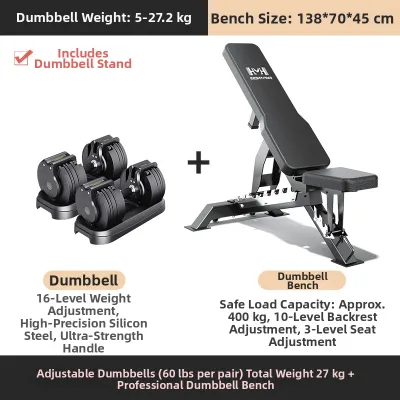
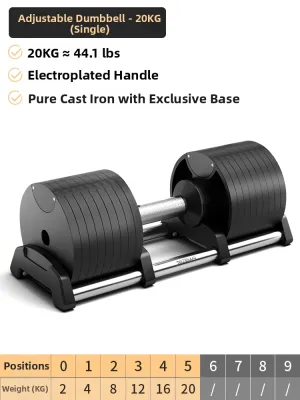
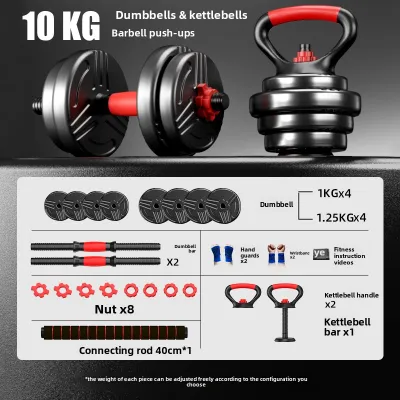
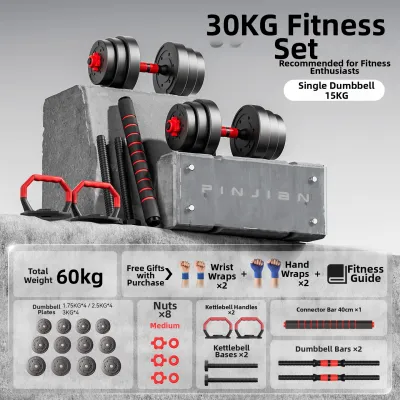
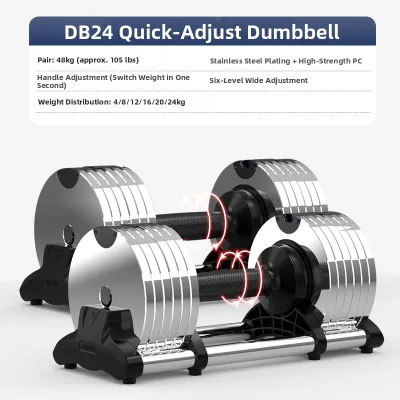
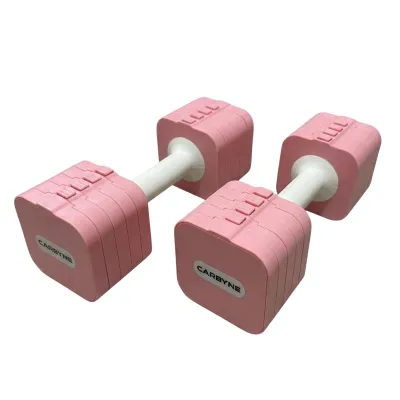
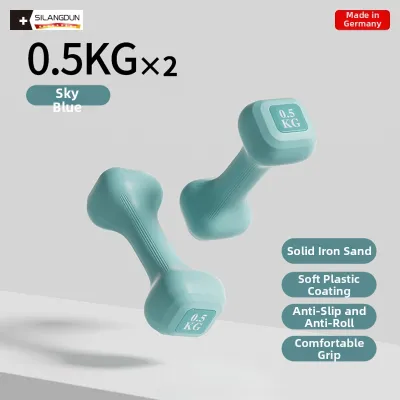
Prices are valid at publication and may change. Please refer to the product page for the latest price.
Another popular option is the pin-selector system, often found in block-shaped dumbbells. This design uses a heavy-duty selector pin, similar to those on weight machines in commercial gyms, to lock the desired number of plates to the handle. Pin-selector models are highly regarded for their structural durability and square profile, which prevents them from rolling away between sets. While they are generally more robust than dial systems, changing weights can sometimes feel slightly less fluid, and the blocky shape can take some getting used to during specific exercises.
For those who prioritize simplicity and durability over speed, traditional spin-lock and plate-loaded designs remain excellent choices. Spin-lock dumbbells feature a threaded steel bar where you manually slide individual weight plates on and off, securing them with a threaded collar. While this process is slow and can interrupt the flow of a fast-paced workout, spin-lock systems are virtually indestructible and have no complex internal mechanisms to fail. Understanding these mechanical differences is crucial because the speed of your weight transitions directly impacts your workout flow, while mechanical complexity dictates how carefully you must handle the equipment. Always consult the manufacturer’s instructions for mechanism-specific handling and care to ensure long-term reliability.
Critical Specifications to Compare Before Buying
When comparing adjustable weights online or in local showrooms, several physical and functional specifications deserve close attention. First, evaluate the total weight range and the specific increment steps. A set that adjusts from 2 kg to 24 kg or 4 kg to 32 kg offers excellent versatility, but the size of the weight jumps is just as important as the maximum capacity. For isolation exercises like lateral raises, bicep curls, or tricep extensions, you need small increment steps, such as 1 kg or 2 kg, to progress safely. Conversely, compound movements like chest presses, squats, and rows can accommodate larger weight jumps. Ensure the set you choose offers the fine-grained control needed for your weakest lifts.

The handle design is another critical factor that directly affects your safety and comfort. Look closely at the grip texture, diameter, and knurling patterns. In Singapore’s warm and humid climate, workouts can quickly become sweaty, making a secure grip essential. Metal handles with cross-hatched knurling provide the most reliable, slip-resistant grip, whereas rubberized or contoured plastic handles can become slick when wet and may degrade over time. Additionally, check the handle diameter; a grip that is too thick or too thin can lead to premature forearm fatigue and compromise your lifting form.
Finally, consider the overall physical dimensions of the dumbbells. Some adjustable models maintain a fixed length regardless of the weight selected. This means even if you are lifting only 4 kg, the dumbbell remains at its maximum physical length, which can feel awkward or restrict your range of motion during exercises like hammer curls or overhead presses. Other designs expand and contract dynamically, becoming shorter and more compact at lighter weights. If you have a smaller frame or prefer movements that require keeping the weights close to your body, a dynamic-length design is generally more comfortable.
Matching Weight Ranges to Your Training Goals
Your fitness goals and preferred workout styles should dictate the weight capacity and design of the adjustable dumbbells you select. If your primary objective is building muscle and strength through progressive overload, you will need a set with a higher maximum weight limit. Beginners and intermediate lifters often find that a pair reaching 24 kg per side provides ample room for growth. However, if you plan to perform heavy compound lifts like deadlifts, goblet squats, or heavy rows, you may want to look for advanced sets that scale up to 36 kg or 40 kg per dumbbell. Investing in a heavier set from the start prevents you from outgrowing your equipment too quickly.
For those who prefer high-intensity interval training (HIIT), metabolic conditioning, or rapid-transition circuit routines, the speed of adjustment is far more important than maximum weight capacity. In these workouts, you often need to drop the weight quickly to transition from a heavy movement to a lighter, high-rep exercise. A fast-adjusting dial or pin-selector system is ideal here, as it allows you to change weights in under five seconds. Compact, rounded designs are also easier to maneuver quickly during dynamic, full-body movements.
It is also important to recognize the limitations of adjustable weights and identify scenarios where alternative equipment might be more appropriate. Because of their mechanical complexity, adjustable dumbbells are not suited for explosive, high-impact movements like kettlebell swings, clean and presses, or snatch variations where the weights might clash or be dropped. For these specific exercises, traditional fixed dumbbells, cast-iron kettlebells, or heavy-duty resistance bands are much safer and more practical. Integrating these complementary tools into your home gym allows you to preserve the lifespan of your adjustable set while still enjoying a diverse range of training modalities.
Managing Space, Storage, and Safety at Home
Setting up a home gym in a residential space requires careful planning around physical footprint, floor protection, and safety. Before purchasing a set of adjustable weights, measure your available floor space. Remember that these dumbbells must sit in their dedicated storage trays or cradles when not in use. While the footprint of the trays is relatively small, you also need enough clear space around them to safely lift and replace the weights. Many users opt for a standalone dumbbell rack, which elevates the cradles to waist height. This makes loading and unloading much easier on your lower back, though it does increase the permanent footprint of the equipment in your room.
Floor load capacity and surface protection are critical considerations, especially in high-rise apartments. While a 40 kg dumbbell set is well within the structural load limits of modern residential floors, dropping that weight can easily crack ceramic tiles, dent parquet, or tear vinyl flooring. To prevent structural damage and minimize noise, always place a high-density rubber protective mat under your workout area. Mats with a thickness of at least 10mm to 15mm are highly recommended for home strength training, as they help absorb impact and dampen the vibrations that can travel through the floor and disturb your neighbors.
Establishing safe handling practices is the single most important factor in extending the life of your adjustable weights. Unlike commercial fixed dumbbells, mechanical adjustable models must never be dropped or slammed onto the floor. Even a short drop can misalign the internal locking gears, crack the selector pins, or damage the plastic spacers, rendering the entire unit unusable or, worse, unsafe to lift. Always practice controlled lowering techniques, placing the dumbbells down gently on your protective mat at the end of every set. Before lifting the weights from their cradles, double-check that the dials or pins are fully engaged to prevent plates from slipping out mid-exercise.
Purchasing Channels and Delivery Inspection Checklist
When you are ready to buy, navigating the local retail landscape in Singapore requires a strategic approach. You can purchase adjustable weights through authorized sports retailers, official brand stores, or general online marketplaces. Buying from authorized local retailers or official brand stores is highly recommended because it ensures you receive genuine products, reliable customer service, and straightforward warranty support. Many local retailers have physical showrooms where you can test the grip, try the adjustment mechanism, and feel the balance of the dumbbells before committing to a purchase. While general online marketplaces and e-commerce platforms may offer lower prices, you must carefully vet the seller’s reputation, read customer reviews, and confirm shipping terms to avoid counterfeit goods or high delivery fees for heavy items.
Because adjustable dumbbells are heavy and contain intricate mechanical parts, they are vulnerable to damage during transit. Expect to invest anywhere from S$200 to over S$800 for a quality set, making a thorough inspection essential. As soon as your package arrives, perform a delivery inspection using this checklist:
- Test the locking mechanism: Place the dumbbells in their cradles and cycle through every single weight setting. The dials or pins should glide smoothly and lock into place with a distinct, secure click. If the mechanism sticks, feels gritty, or fails to align, do not use the weights.
- Inspect the weight plates: Examine each plate individually for visible cracks, deep scratches, or loose plastic casings. Ensure the plates sit snugly in the cradle and do not wobble excessively when docked.
- Verify handle and core integrity: Hold the handle and check for any play, rattling, or loose screws between the grip and the selector mechanism. The core shaft must feel completely solid.
Before finalizing your purchase, review the warranty terms and return policies in detail. A quality set of adjustable weights should come with a warranty of at least one to two years covering mechanical defects. Additionally, verify whether the seller offers local customer support and has replacement parts readily available in Singapore. If a single plate or dial breaks down the line, being able to source a local replacement part is far more convenient and cost-effective than shipping heavy components from overseas.
Frequently Asked Questions (FAQ)
Can I drop adjustable dumbbells during a workout?
No, you should never drop mechanical adjustable dumbbells. The internal gears, selector pins, and alignment tabs in dial or pin-selector systems are highly vulnerable to impact damage. Dropping them can cause these components to crack, bend, or misalign, which can lead to plates slipping out during a lift and causing serious injury. Always use controlled lowering techniques to place the weights down gently. If your workout style involves explosive movements or training to absolute failure where dropping weights is unavoidable, you should use fixed rubber dumbbells or bumper plates instead.
How do I clean and maintain the adjustment mechanism?
Keeping your adjustable weights clean is essential for maintaining smooth mechanical operation, especially in Singapore’s humid climate. After every workout, wipe down the handles, plates, and selector trays with a dry or slightly damp microfiber cloth to remove sweat, skin oils, and chalk residue. Avoid using harsh liquid cleaners, solvents, or unauthorized lubricants like standard WD-40 on the internal gears, as these substances can attract dust, hair, and grit, eventually jamming the mechanism. Always consult your specific manufacturer’s manual for approved cleaning methods and calibration steps.
Are adjustable dumbbells suitable for heavy powerlifting?
While adjustable dumbbells are excellent for general strength training, hypertrophy, and fitness maintenance, they are generally not suitable for heavy powerlifting. Most adjustable sets max out between 24 kg and 40 kg, which may not provide enough resistance for advanced powerlifters training compound movements. Additionally, the physical balance, handle thickness, and structural durability of adjustable models differ from solid steel or cast-iron competition dumbbells. If your training revolves around maximal loads, extreme impact, and powerlifting-specific preparation, transitioning to heavy fixed dumbbells or a high-quality barbell and plate set is a safer and more effective choice.

Community discussion
Share your experience or ask a question. Comments are reviewed before publication.