
Selecting the right sports towel is one of the most practical decisions a beginner golfer can make when assembling their first gear kit. While clubs, balls, and tees often take center stage, a reliable towel is the accessory you will interact with on almost every single hole. In humid tropical climates like Singapore, where sudden downpours, damp fairways, and high humidity are constant factors, keeping your hands dry and your equipment clean is essential for maintaining a consistent grip and clean ball contact. A proper towel ensures that mud, grass, and moisture do not interfere with your swing or ruin your clubs.
For those just starting out, navigating the wide array of golf accessories can be overwhelming. You do not need to spend a fortune on high-end tour-grade gear, but relying on a basic household towel can lead to frustration on the course. The goal is to find an entry-level sports towel that offers the right balance of durability, absorbency, and convenience. By focusing on key material properties, attachment styles, and maintenance requirements, you can build a highly functional starter kit that keeps you comfortable and focused on improving your game.
Key Features to Evaluate in a Golf Sports Towel
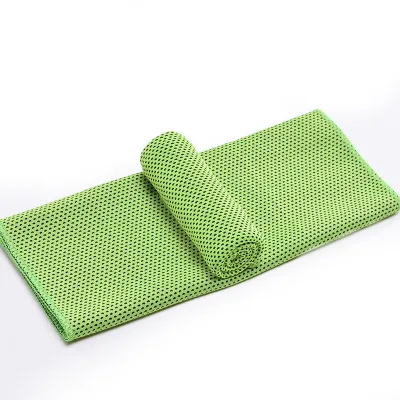
When evaluating a sports towel for golf, the material composition is the most critical factor. Microfiber has become a common standard for modern golf towels, and for good reason. This synthetic material, typically a blend of polyester and polyamide, features split fibers that create a massive surface area. This structure allows microfiber to trap dirt, mud, and grass clippings far more effectively than traditional fabrics. Additionally, microfiber dries quickly, making it highly suited for humid environments where cotton towels tend to remain damp and heavy throughout an eighteen-hole round.
Products mentioned in this guide
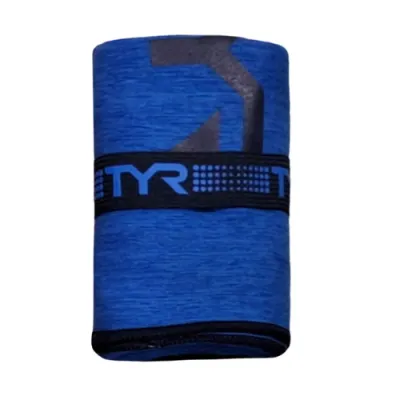
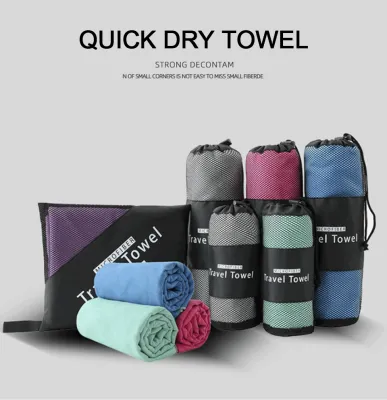
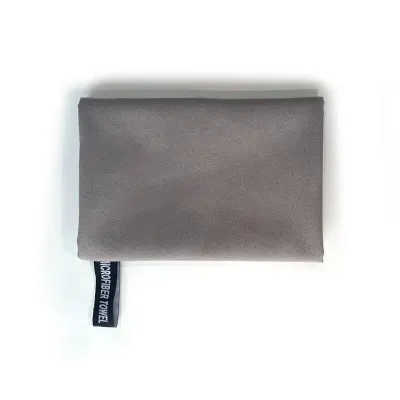
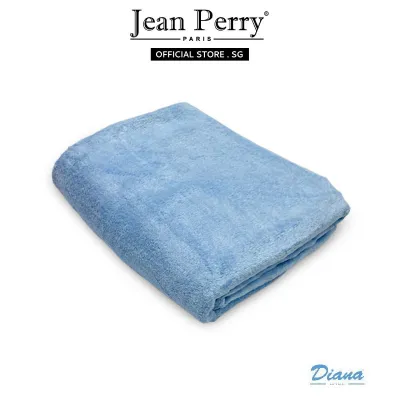
![( 1-2pcs Hand Towel ) Canopy Premium Egyptian Cotton Towel | Bathroom Towel | Sport Towel | Soft Towel | Gym Towel [ durable absorbent formaldehyde-free ] 手巾 汗巾](https://img.lazcdn.com/g/p/c992df47a0a7ae9ebfabba5d7b470947.jpg_400x400q80.jpg_.webp)
Prices are valid at publication and may change. Please refer to the product page for the latest price.
Cotton, on the other hand, remains a classic choice favored for its exceptional softness and natural feel. Cotton towels are highly effective at absorbing sweat and water quickly, making them excellent for wiping your face, forehead, and hands on a hot afternoon. However, cotton fibers tend to hold onto moisture rather than letting it evaporate, which can make the towel heavy and prone to developing musty odors if left in a golf bag. For a beginner, a waffle-weave microfiber towel is generally the most versatile option for equipment care, while a smaller cotton towel can be kept separate for personal use.
The physical size of your sports towel affects both its utility and how easily you can carry it around the course. Golf towels generally fall into two categories: large caddy towels and compact tri-fold towels. Large caddy towels, often measuring around 50 cm by 100 cm, are designed to be draped over the tops of your clubs. They offer plenty of surface area, allowing you to keep one end wet for scrubbing dirty club faces and the other end dry for your hands. However, these larger towels can be cumbersome for beginners who walk the course or use compact pushcarts, as they can easily drag on the ground or get caught in cart wheels.
Compact tri-fold towels, typically measuring around 40 cm by 50 cm or 40 cm by 60 cm, are highly recommended for beginners. These towels are folded into thirds and secured with a central grommet, keeping them narrow and streamlined. They hang neatly from the side of your golf bag without taking up excessive space or dragging on the turf. This size provides more than enough surface area for a standard round while ensuring your gear remains tidy and easy to transport.
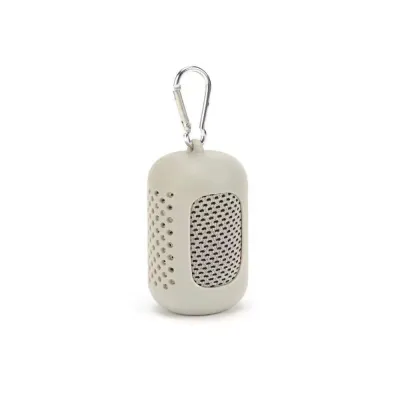
How your towel attaches to your golf bag or cart determines how accessible it is during play. The most common attachment method is a metal carabiner or clip threaded through a reinforced grommet. This design is incredibly secure, ensuring your towel will not fall off when you are walking the fairways or driving a buggy over bumpy terrain. Carabiners allow you to quickly detach the towel when you need to take it to the green to clean your ball before putting.
Another modern option is the magnetic attachment system, which uses a powerful magnet embedded in the towel or attached via a clip. This allows you to stick the towel directly to the metal frame of a golf buggy or the head of a club, eliminating the need to clip and unclip it constantly. While highly convenient, magnetic towels are generally more expensive and run the risk of falling off if you hit a severe bump. For beginners, a classic carabiner or a simple strap system offers the most reliable and cost-effective security.
Balancing Budget and Brand Reputation for Beginners
As a beginner golfer, you will quickly notice a price difference between towels branded by major golf manufacturers and generic sports towels. Established golf brands often charge a premium for their logos, but this cost sometimes reflects specialized designs tailored to the sport. For instance, golf-specific towels frequently feature a deep waffle-weave pattern designed to scrub dirt out of the tiny grooves on your irons. This texture is less common in standard gym towels, which are typically optimized solely for absorbing sweat.

However, you do not need to overspend on premium branded accessories when starting out. Many reputable, entry-level golf brands and general sports retailers offer high-quality microfiber sports towels at a fraction of the cost of tour-level gear. When building your starter kit, prioritize the functional features—such as a waffle texture and a sturdy clip—over a luxury logo. A budget-friendly towel that performs well is far more valuable to a beginner than an expensive designer towel that you are hesitant to get dirty.
For beginners, purchasing multi-packs of sports towels is often a smarter financial strategy than buying a single premium item. Golf towels get dirty quickly, especially if you are practicing your short game out of muddy hazards or playing on damp mornings. Having a rotation of multiple towels ensures you always have a clean one ready for your next round without having to run a load of laundry after every visit to the driving range.
Multi-packs also allow you to dedicate different towels to different tasks. You can use one inexpensive towel strictly for cleaning muddy club faces and wheels, and keep a cleaner, softer towel reserved for your hands and face. This division of labor extends the lifespan of your gear and keeps your personal hygiene separate from equipment maintenance. Look for multi-packs of microfiber waffle-weave towels on online marketplaces or at local sports retailers to get the best value for your money.
Pre-Purchase Verification and Fit Check
Before purchasing a sports towel, it is essential to verify its material composition by checking the manufacturer’s specifications or product labels. Look for a high percentage of polyester and polyamide in microfiber towels, as this blend offers the best balance of water absorption and quick-drying performance. Avoid towels that do not clearly state their material makeup, as low-quality synthetic fabrics may smear dirt around your clubs rather than lifting it away.
Additionally, review the washing instructions on the label. Some specialized towels may have strict care requirements that do not fit your lifestyle, such as hand-wash-only instructions or restrictions on machine drying. For a beginner, choosing a machine-washable towel that can handle regular laundering is key to maintaining a hassle-free routine.
A towel is only useful if it stays attached to your bag. When shopping, inspect the quality of the attachment clip or carabiner. Look for clips made from rust-resistant materials such as anodized aluminum, stainless steel, or high-grade durable plastics. In humid climates, cheap metal clips can quickly rust and seize up, making it difficult to detach the towel when needed.
You should also verify that the clip’s opening is wide enough to fit the D-rings on your golf bag or the accessory mounts on your pushcart. Some bags feature thick plastic rings that require a larger carabiner, while others have small fabric loops. Ensuring compatibility beforehand prevents the frustration of buying a towel only to find you cannot easily attach it to your gear.
While a textured towel is excellent for cleaning, you must ensure the fabric is safe for all your equipment. Modern golf clubs, particularly those with graphite shafts or matte crown finishes, can be sensitive to abrasive materials. Run your hand over the towel’s surface to confirm that the texture, while scrubby, is still soft to the touch and free of stiff, plastic-like fibers that could cause micro-scratches.
If you play with clubs that have delicate finishes or custom paint jobs, a softer, high-density microfiber towel is safer than a highly abrasive scrubbing towel. Checking the texture beforehand ensures you can clean your clubs thoroughly after every shot without worrying about cosmetic damage that could affect their appearance.
Care and Maintenance to Preserve Absorbency
To keep your sports towel performing at its best, you must care for it correctly during laundering. The single most important rule of maintaining microfiber towels is to never use fabric softeners or dryer sheets. Fabric softeners work by depositing a thin, waxy silicone coating over the fibers to make them feel softer. While this might be pleasant for household bath towels, it completely ruins the performance of a sports towel.
This silicone coating clogs the microscopic pathways in microfiber, drastically reducing its ability to absorb water and trap dirt. Instead of wiping away moisture, a softened towel will simply push water around the surface of your clubs and hands. If you accidentally wash your towel with softener, you can often restore its absorbency by washing it again in warm water with a small amount of liquid detergent and a splash of white vinegar.
Always wash your golf towels separately from cotton items like t-shirts or bath towels. Microfiber acts like a magnet for lint, and washing it with cotton will result in the synthetic fibers trapping tiny cotton particles, reducing the towel’s effectiveness. Use a mild liquid detergent and avoid powder detergents, which can get trapped inside the weave.
Wash the towels in cool or warm water. High heat can melt the synthetic polyester and polyamide fibers, permanently damaging their structure and reducing their softness. For drying, air drying is the safest and most energy-efficient method, especially in warm climates. If you must use a clothes dryer, select a low-heat or air-fluff setting to prevent heat damage.
Even with meticulous care, sports towels will eventually reach the end of their functional lifespan. One of the most common signs that it is time for a replacement is a persistent, musty odor that remains even after a thorough wash. This smell is caused by bacteria trapped deep within the synthetic fibers, which can thrive in humid golf bags.
Other indicators include a noticeable loss of absorbency, where the towel begins to repel water rather than soaking it up, or a stiff, scratchy texture that could potentially damage your clubs. If the attachment grommet becomes loose or the fabric around the clip begins to tear, replace the towel promptly to avoid losing it on the course. Keeping an eye on these signs ensures your gear always performs reliably.
Frequently Asked Questions (FAQ)
Can I use a standard gym towel instead of a golf-specific sports towel?
While you can technically use a standard gym towel on the golf course, it is not ideal for several reasons. Gym towels are typically made of smooth cotton or thin microfiber designed solely for wiping sweat from your skin. They lack the textured weave—such as a waffle pattern—needed to scrub heavy mud, grass, and sand out of club grooves and ball dimples.
Furthermore, standard gym towels rarely come with built-in attachment mechanisms like grommets or carabiners. Without a secure clip, you will have to stuff the towel into a bag pocket or drape it over your clubs, where it can easily fall off and get lost while you are moving between holes. Investing in a dedicated golf sports towel ensures you have the right texture and a secure attachment for a hassle-free round.
How many sports towels should a beginner carry during a round?
It is highly recommended for beginners to carry at least two sports towels during a round, especially when playing in warm or humid conditions. The first towel should be a dedicated utility towel attached to the outside of your bag. This towel is used for the dirty work: wiping mud off your clubs, cleaning your golf ball on the green, and wiping down your pushcart wheels. You can keep one half of this towel damp to make cleaning easier.
The second towel should be kept clean and dry, stored inside a zip pocket of your golf bag or cart. This towel is reserved exclusively for personal hygiene, such as wiping sweat from your face, hands, and club grips. Keeping these two tasks separate ensures that you do not accidentally wipe abrasive mud or grass onto your face or transfer slippery moisture onto your club grips when you need a secure hold.

Community discussion
Share your experience or ask a question. Comments are reviewed before publication.