
Finding reliable and affordable weight lifting equipment on Singapore’s online marketplaces can feel like navigating a maze of endless listings, varying materials, and fluctuating prices. While the convenience of having heavy iron delivered directly to your doorstep is highly appealing, the sheer volume of budget-friendly options makes it easy to end up with sub-par gear that compromises your safety or training progress. Because stock levels, seller promotions, and specific product listings change dynamically on these platforms, relying on static product recommendations often leads to dead links and outdated pricing.
Instead of chasing temporary deals, the most effective way to build a home gym is to equip yourself with stable evaluation criteria, material checklists, and cost-calculation methods. This approach allows you to confidently assess any dumbbell or barbell listing you encounter, ensuring you invest in gear that is durable, safe, and suited to your specific fitness goals. By understanding what to look for in product specifications and how to spot common online listing red flags, you can establish a highly functional strength training setup without overspending.
Setting a Realistic Budget and Identifying Your Weight Lifting Needs
Before browsing any e-commerce platform, you must define your training goals and assess the physical constraints of your living space. In Singapore, where HDB flats and condominiums often feature compact layouts, space efficiency is just as critical as financial cost. A set of fixed-weight dumbbells requires a dedicated rack and significant floor space, making them less practical for smaller rooms. In contrast, adjustable dumbbells pack multiple weight increments into a single pair, offering a highly compact footprint that easily slides under a bed or fits into a closet corner.
Products mentioned in this guide
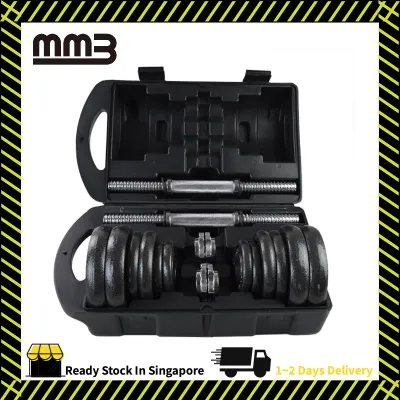
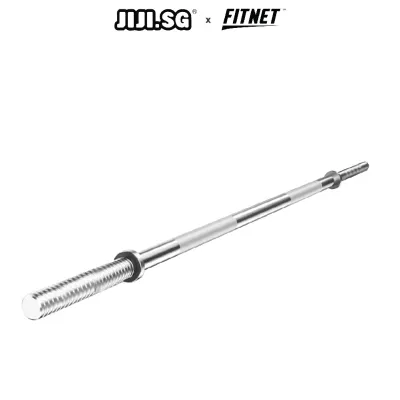
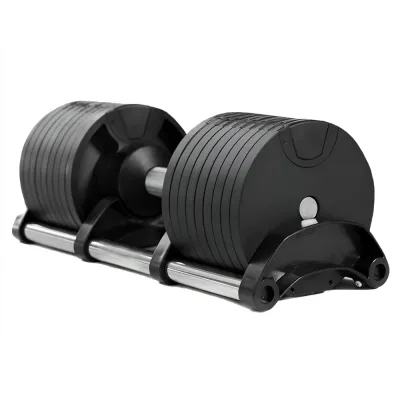
Prices are valid at publication and may change. Please refer to the product page for the latest price.
If your training focus leans toward heavy compound movements like deadlifts, squats, and overhead presses, a barbell setup is the logical choice. Here, you must decide between standard barbells (typically featuring a 25mm sleeve diameter) and Olympic barbells (featuring a 50mm sleeve diameter). Standard bars are generally more budget-friendly and lighter, making them suitable for general fitness and high-repetition workouts. Olympic bars, while more expensive, offer higher weight capacities, standard rotating sleeves to reduce wrist strain, and compatibility with commercial-grade plates, making them a better long-term investment for progressive strength training.
To avoid outgrowing your equipment too quickly, estimate your weight requirements for the next six to twelve months. Beginners often make rapid strength gains in compound lifts, meaning a very light weight set may become obsolete within weeks. Look for systems that allow you to add individual plates over time rather than requiring an entirely new set. Establishing a strict maximum budget in S$ before you start searching prevents impulse buys and helps you filter out listings that are either suspiciously cheap or unnecessarily premium.
Essential Specifications to Verify Before Checkout
When shopping for weight lifting equipment online, you cannot physically test the grip or inspect the build quality before purchasing. Therefore, you must scrutinize the technical specifications provided in the product description. Start by checking the handle diameter and the knurling depth. Knurling refers to the cross-hatched pattern etched into the metal grip; a depth that is too shallow can cause the bar to slip when your hands sweat, while knurling that is too aggressive can cause discomfort during long sessions. For most lifters, a handle diameter between 28mm and 30mm offers a comfortable, secure grip for both pushing and pulling movements.

Sleeve compatibility is another critical specification that requires precise verification. If you are buying a barbell and weight plates separately, or planning to expand an existing set, you must match the barbell’s sleeve diameter with the inner hole diameter of the plates. Standard barbells require plates with a 25mm (or 1-inch) center hole, whereas Olympic barbells require plates with a 50mm (or 2-inch) center hole. Mixing these standards is impossible; standard plates will not slide onto an Olympic bar, and Olympic plates will wobble dangerously on a standard bar. Always double-check these measurements in the listing’s specifications rather than relying on generic product titles.
Material coatings play a vital role in durability, floor protection, and maintenance, especially in Singapore’s warm and humid climate. Bare steel or low-grade chrome plating is highly susceptible to rust when exposed to ambient humidity. Look for powder-coated, rubber-encased, or polyurethane-coated options to prevent corrosion. For home workouts, rubber-coated or neoprene dumbbells are excellent because they dampen noise and protect tiled or vinyl flooring from accidental drops. However, be aware that budget rubber plates can sometimes emit a strong chemical odor initially; reading user feedback can help you identify which products require extensive airing out before indoor use.
Evaluating Online Listings: Quality Indicators and Red Flags
Navigating online marketplaces requires a healthy dose of skepticism, as low-cost listings often use stock photos that do not accurately represent the actual product. To separate genuine bargains from low-quality imitations, start by analyzing user reviews with a critical eye. Filter reviews to show one-star and two-star ratings first, looking specifically for recurring complaints about structural failures, loose welds, or broken collar clamps. Pay close attention to reviews that mention inaccurate weight calibration, as budget plates can sometimes deviate by more than ten percent from their advertised weight, which disrupts your training progression.
Seller credibility is your primary safety net when purchasing heavy equipment online. Check the seller’s overall rating, response rate, and how long they have been operating on the platform. A reputable seller should have a high response rate and a clear, documented return policy. This is crucial because shipping heavy metal items carries a risk of damage during transit. If a barbell arrives bent or a weight plate is cracked, you need to be confident that the seller will facilitate a replacement or refund without charging you exorbitant return shipping fees.
Be highly vigilant against common red flags in budget listings. One major warning sign is a vague or confusing weight description, such as listing the “total package weight” including the packaging materials, or grouping multiple items together to inflate the perceived value. Another critical red flag is suspiciously low pricing on heavy dumbbell sets. Extremely cheap weights are often filled with sand, cement, or iron filings encased in a thin plastic shell. These vinyl-cement weights are significantly bulkier than iron plates of the same weight, making them awkward to lift, and they are highly prone to cracking and leaking sand after minimal use. Stick to solid cast iron or steel cores for long-term safety and durability.
Calculating Hidden Costs and Delivery Factors in Singapore
The price tag you see on an online listing is rarely the final amount you will pay, especially when ordering heavy fitness equipment. Shipping fees can significantly alter the value proposition of a budget purchase. Because weight lifting gear is exceptionally dense, standard shipping rates rarely apply. Many e-commerce platforms calculate shipping based on dimensional weight or apply heavy-item surcharges. Before finalizing your decision, add the items to your digital cart to view the actual delivery cost to your Singapore address, as high shipping fees can sometimes make a seemingly cheap item more expensive than a premium local option.
Beyond shipping, you must verify what accessories are included in the base price. A barbell is useless without secure collars to keep the weight plates from sliding off during a lift. Check the product description to confirm whether spring clips, spinlock collars, or lock-jaw clamps are included, or if you need to purchase them separately. If you are buying an adjustable dumbbell set that requires assembly, ensure that the necessary hex keys or wrenches are included in the package so you can assemble the equipment safely upon arrival.
Finally, consider the logistics of the delivery itself. Heavy parcels weighing 20kg or more require careful handling, and not all courier services provide door-to-door delivery to high-rise residences. If you live in an HDB flat or condominium, verify whether the courier will deliver directly to your unit door or leave the package at a ground-floor drop-off point. Carrying multiple heavy boxes up stairs or elevators yourself can be a safety hazard. Additionally, opt for shipping options that offer robust tracking so you can ensure someone is home to receive the delivery and inspect the packaging for any transit damage immediately.
Prioritizing Purchases for a Starter Weight Lifting Setup
If your ambition to build a home gym outpaces your immediate budget, a phased purchasing strategy is the most practical way forward. Trying to buy a complete set of dumbbells, a barbell, a bench, and a rack all at once can lead to compromising on quality just to stay within your spending limit. Instead, prioritize your purchases based on versatility and immediate utility. For most beginners, starting with a high-quality pair of adjustable dumbbells is the smartest move. This single purchase allows you to perform dozens of unilateral and bilateral exercises, targeting every major muscle group while taking up virtually no space.
Once you have established a consistent routine and saved additional funds, you can transition to a barbell setup. Start by purchasing a reliable, standard or Olympic-sized barbell bar and a minimal set of weight plates—typically a pair of moderate-weight plates that allow you to perform basic movements safely. You do not need to buy a full range of plate increments immediately. By starting small, you can gradually purchase additional pairs of plates as your strength increases, spreading the financial cost over several months while ensuring you never lift more than your equipment can safely handle.
When managing a tight budget, establish clear rules on where you can compromise and where you must stand firm. You can easily compromise on non-essential aesthetic features, such as the color of the weight plates, minor cosmetic blemishes, or basic packaging. However, you should never compromise on structural safety components. This includes the integrity of the barbell shaft, the locking mechanism of the collars, and the stability of any adjustable dumbbell dials. Investing in a structurally sound, plain-looking iron bar is infinitely better than buying a flashy, poorly welded alternative that risks failing mid-lift.
Frequently Asked Questions (FAQ)
Are adjustable dumbbells worth the investment for beginners?
Yes, adjustable dumbbells are highly cost-effective and practical for beginners, especially in space-constrained Singapore homes. While the upfront cost of a single adjustable pair is higher than a single pair of fixed dumbbells, it replaces an entire rack of individual weights. This saves significant floor space and offers a much lower cost per kilogram as you progress. However, when buying budget adjustable models, prioritize simple, robust selector pin or spinlock mechanisms over complex plastic dial systems, which can wear out or jam over time.
How can I ensure the barbell will fit my existing weight plates?
To ensure compatibility, you must match the outer diameter of the barbell’s sleeves with the inner hole diameter of your weight plates. Standard barbells have a sleeve diameter of approximately 25mm (1 inch) and require standard plates with matching 25mm holes. Olympic barbells have a sleeve diameter of 50mm (2 inches) and require Olympic plates with 50mm holes. Always measure your existing plates with a caliper or ruler, and carefully read the technical specifications of the barbell listing online to avoid mismatched equipment.
What should I do if the delivered weights feel lighter or heavier than advertised?
If you suspect your delivered weights are inaccurate, weigh them individually on a calibrated household digital scale. Document any significant discrepancies by taking clear photos of the weight plate on the scale showing the reading. If the variance exceeds acceptable manufacturing tolerances (typically plus or minus two to three percent for budget cast iron), contact the seller immediately through the e-commerce platform’s messaging system. If the seller is uncooperative, initiate a formal dispute or return request through the platform’s buyer protection program, using your photographic evidence to support your claim.

Community discussion
Share your experience or ask a question. Comments are reviewed before publication.