
Selecting the right 2 kg dumbbell for your home workouts in Singapore involves balancing material durability, grip comfort, and space constraints. While a 2 kg weight may seem straightforward, the market is flooded with options ranging from polyurethane-coated solid steel to bulkier cement-filled plastic shells. For Singaporean fitness enthusiasts exercising in HDB flats or condominiums, the suitable choice must protect flooring, withstand high humidity, and offer a secure grip during sweaty sessions. Rather than focusing on a single brand, finding the right equipment requires evaluating manufacturing standards, coating materials, and ergonomic designs that match your specific fitness routine.
Why 2 kg Dumbbells Are Essential for Home Fitness
A 2 kg dumbbell serves as a highly versatile tool in a home gym, bridging the gap between bodyweight exercises and heavy resistance training. For beginners, this weight provides a manageable entry point to learn proper form without overloading joints or risking acute injury. It is particularly effective for high-repetition endurance training, where the goal is to maintain muscular tension over extended periods rather than lifting to failure.
In physical therapy and rehabilitation, 2 kg weights are widely utilized to rebuild strength in stabilizing muscles, such as the rotator cuff, after an injury. They are also highly integrated into low-impact aerobic routines, including Pilates, barre, and light shadowboxing, where they add just enough resistance to elevate the heart rate and increase muscular engagement without compromising speed or fluid movement.
Products mentioned in this guide
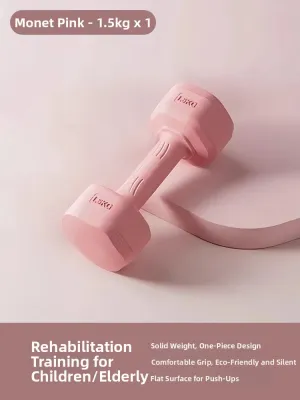
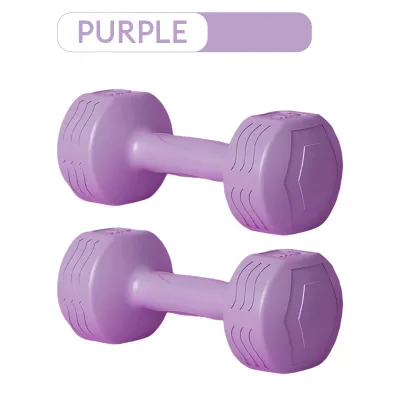
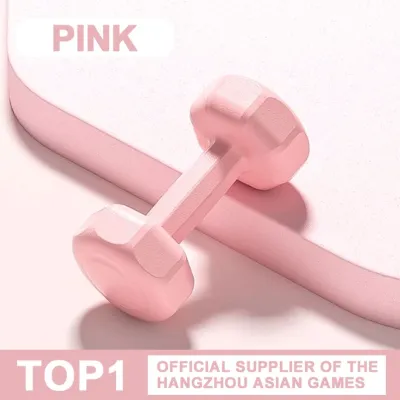
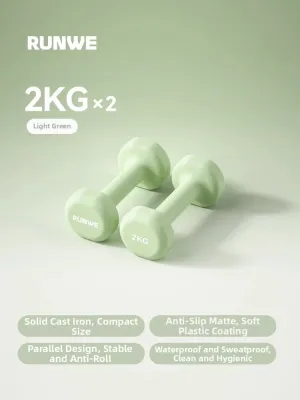
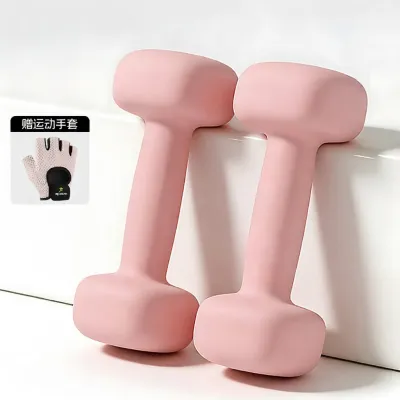
![[SG Ready Stock] Fitness Dumbbells Home Strength Training 1Kg/2Kg/3Kg Rubber dumbbells for girls](https://img.lazcdn.com/g/p/923f27057110e9aadae3d93d3c8f3495.jpg_400x400q80.jpg_.webp)
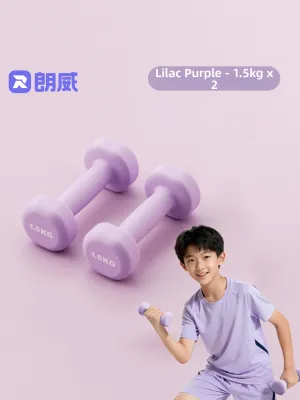
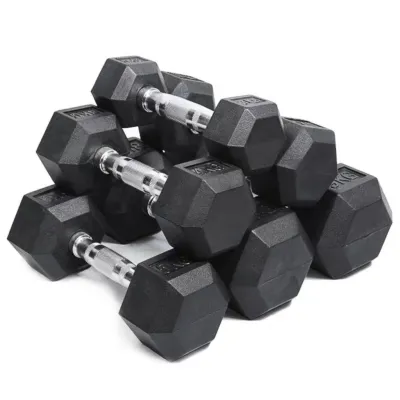
Prices are valid at publication and may change. Please refer to the product page for the latest price.
While 2 kg weights are generally insufficient for significant muscle hypertrophy in larger muscle groups like the quadriceps or chest, they are ideal for targeted muscle activation and joint mobility. Using them for warm-ups before heavier lifts helps lubricate joints and activate the nervous system, ensuring safer and more effective workouts overall.
Furthermore, light dumbbells are highly accessible for seniors and individuals recovering from prolonged periods of inactivity. They allow for the safe execution of functional movements, such as overhead presses and bicep curls, which help maintain the strength required for daily activities. By focusing on controlled movements, users can improve their mind-muscle connection and joint stability without putting excessive stress on their connective tissues.
Core Criteria for Evaluating Dumbbell Brands
When assessing different fitness brands offering 2 kg dumbbells, look beyond aesthetic appeal and focus on structural integrity. High-quality brands prioritize precise manufacturing standards, starting with the core material. Premium brands typically use solid cast iron or steel cores, which provide a compact size and excellent durability. In contrast, lower-tier brands often use sand or cement mixtures encased in plastic, resulting in a bulky, unbalanced product that can leak over time.

Weight accuracy is another critical differentiator. Reputable manufacturers adhere to strict calibration standards, ensuring that a dumbbell labeled as 2 kg actually weighs within a tiny tolerance margin (often within 1% to 3% of the stated weight). Cheap, unbranded alternatives can vary significantly, sometimes differing by up to 10% or more between the left and right hand, which can lead to muscle imbalances and joint strain during bilateral exercises.
Warranty and customer support are strong indicators of a brand’s confidence in its product. Look for manufacturers that offer clear warranties against defects such as coating peeling, handle cracking, or core loosening. A reliable brand should provide at least a one-year warranty and have an accessible customer service channel to handle replacements.
Finally, analyze user feedback patterns on local e-commerce platforms and fitness forums. Instead of relying on initial unboxing reviews, filter for long-term feedback. Pay close attention to comments regarding how well the coating holds up after months of sweat exposure, whether the handles become slippery, and if there are any reports of chemical odors. Consistent complaints about peeling coatings or loose internal weights are clear warning signs.
Additionally, consider the brand’s history and specialization in strength equipment. Brands that focus exclusively on fitness gear tend to invest more in research and development, resulting in better ergonomics and material selection. They are also more likely to comply with international safety and environmental standards, ensuring that the plastics and rubbers used in their coatings are free from harmful chemicals.
Material and Coating Options for 2 kg Weights
The exterior material of your dumbbell directly impacts its longevity, grip, and suitability for your home environment. Neoprene and vinyl coatings are exceptionally popular for 2 kg weights. Neoprene offers a soft, textured, matte finish that provides a reliable non-slip grip, even when hands are sweaty. It also acts as a protective barrier, reducing noise and preventing scratches on tiled or vinyl flooring common in Singaporean homes. Vinyl coatings have a smooth, slightly glossy finish that is easy to wipe clean, though they can become somewhat slippery when wet with perspiration.
Bare cast iron and chrome dumbbells offer a classic, rugged aesthetic and long-lasting durability, as there is no synthetic coating to peel or crack. However, they require diligent maintenance in Singapore’s tropical, highly humid climate. Without proper care, bare metal is highly susceptible to oxidation and rust. Additionally, dropping bare metal weights can easily crack floor tiles or damage wooden floorboards, making them less practical for apartments without heavy-duty rubber gym matting.
Polyurethane (PU) and high-quality rubber coatings represent the premium tier of dumbbell materials. PU is incredibly durable, highly resistant to tears and impacts, and virtually odorless. Unlike cheap rubber, which can emit a strong, persistent chemical smell that lingers in small, air-conditioned rooms, PU remains neutral and maintains its clean appearance for years. Rubber-coated dumbbells are also highly durable and offer excellent floor protection, but buyers must verify that the brand uses low-odor, vulcanized rubber.
Cement-filled plastic dumbbells are the most budget-friendly option, but they come with significant trade-offs. Because cement is much less dense than iron or steel, these dumbbells are physically much larger. This bulkiness can restrict your range of motion during exercises like bicep curls or shoulder presses. Furthermore, the plastic shells can crack if dropped, leading to sand or cement dust leaking onto your floor.
When choosing between these materials, consider your storage setup. If you plan to keep your dumbbells on a dedicated rack, bare metal or PU options are excellent. However, if you store them in a drawer or on the floor, neoprene or rubber-coated options are much more practical as they will not scratch adjacent surfaces or roll around noisily.
Shape and Grip Designs for Different Exercises
The physical shape of a dumbbell influences both safety and exercise versatility. Hexagonal (hex) heads are highly recommended for home workouts. The flat edges prevent the dumbbells from rolling away when placed on the floor, which is a crucial safety feature if your workout space has a slight incline or if you are exercising near glass doors. Hexagonal designs also allow you to perform floor-based exercises, such as dumbbell push-ups or renegade rows, by providing a stable, non-rocking base. Round heads, while traditional, can roll unpredictably, posing a tripping hazard in tight spaces.
Handle ergonomics play a vital role in hand comfort and joint alignment. Many modern dumbbells feature contoured handles that are thicker in the middle to match the natural curvature of a closed hand. For 2 kg weights, which are frequently used by individuals with smaller hands, the handle diameter should be relatively slim (typically around 25 mm to 28 mm) to allow for a secure, comfortable wrap. Knurling—the cross-hatched pattern engraved into metal handles—provides mechanical grip, but for light 2 kg weights, a mild knurling or a textured neoprene coating is usually sufficient and gentler on the skin.
Proper weight distribution is essential for preventing wrist strain. High-quality brands ensure that the weight is evenly balanced between the two heads of the dumbbell. If the weight distribution is uneven, it can create an awkward rotational force on your wrist during dynamic movements like lateral raises, front raises, or reverse flies, leading to discomfort or repetitive strain injuries over time.
Furthermore, the length of the handle should be proportional to the weight. A handle that is too long can make the dumbbell feel unwieldy during fast-paced movements, while a handle that is too short can cramp your hand against the weight heads. Testing the grip in person, if possible, is the most reliable way to ensure the design matches your hand size and exercise preferences.
Verifying Brand Reliability and Retailer Authenticity in Singapore
To ensure you are purchasing genuine, high-quality 2 kg dumbbells, it is essential to buy from authorized sources. Start by visiting the official website of your chosen fitness brand to locate their list of authorized physical retailers and online flagship stores in Singapore. Purchasing directly from these verified channels guarantees that you receive an authentic product backed by the manufacturer’s warranty, rather than a counterfeit or substandard imitation.
When inspecting a dumbbell, look for clear markers of authenticity. Genuine products typically feature deeply engraved or molded weight markings that will not wear off over time, along with clear brand logos and manufacturer details. The overall finish should be consistent, with no sharp plastic seams, uneven coating thicknesses, or loose particles rattling inside the weight heads.
Before finalizing your purchase on any local e-commerce platform, carefully review the seller’s return and exchange policies. Reputable sellers will offer a straightforward return window (typically 7 to 15 days) allowing you to exchange the product or receive a refund if the dumbbells arrive damaged, poorly calibrated, or with manufacturing defects.
Be cautious of price-to-value discrepancies. While it is tempting to opt for the cheapest option available, unusually low prices (such as a pair of 2 kg dumbbells sold for under S$10) often indicate low-quality cement-filled weights disguised as solid metal, or counterfeit goods made with toxic, high-odor plastics. Investing a reasonable amount (typically between S$15 to S$40 for a quality pair of 2 kg dumbbells, depending on the coating material) ensures safety, durability, and a much better workout experience.
Additionally, check if the retailer has a physical showroom in Singapore. Visiting a showroom allows you to physically inspect the dumbbells, test the grip comfort, and verify the material quality before committing to a purchase. It also provides a physical location to return to should you encounter any issues with your equipment in the future.
Frequently Asked Questions (FAQ)
Can I build significant muscle mass using only 2 kg dumbbells?
No, 2 kg dumbbells are generally insufficient for building significant muscle mass (hypertrophy), as muscle growth requires progressive overload with increasingly heavier resistance. However, you can still stimulate muscle endurance and tone by using specific training methodologies. Focus on high-repetition sets (20 to 30 repetitions), slow down the tempo of your movements (such as taking four seconds to lower the weight), and incorporate isometric holds at the peak of contraction. These techniques maximize time under tension, helping to fatigue the muscle fibers and improve muscular endurance without needing heavier loads.
How do I prevent cast iron dumbbells from rusting in a humid climate?
To prevent cast iron dumbbells from rusting in Singapore’s humid environment, store them in a dry, well-ventilated indoor area, away from direct sunlight and moisture-prone zones like balconies or bathrooms. After every workout, thoroughly wipe down the handles and weights with a clean, dry microfiber cloth to remove sweat, which contains corrosive salts. For uncoated cast iron, occasionally apply a very light layer of manufacturer-approved protective oil (such as mineral oil) to the surface, wiping off any excess to maintain a safe, non-slip grip.

Community discussion
Share your experience or ask a question. Comments are reviewed before publication.