
Finding the right fishing float in Singapore is about matching your local fishing environment—whether it is a calm reservoir or a choppy coastal jetty—with a float that is durable, easy to cast, and simple to rig. For beginners, the ideal float brand is one that offers clear buoyancy markings, robust construction to withstand impacts against concrete structures, and high visibility under the bright tropical sun. Rather than chasing high-end tournament brands, entry-level anglers should focus on brands that prioritize structural consistency and clear packaging instructions.
Understanding Float Types for Beginner Anglers
Before evaluating specific brands, it is essential to understand the basic float categories and how they align with local fishing conditions. Stillwater floats, such as wagglers and pencil floats, are designed primarily for calm waters. Wagglers are attached to the fishing line only at the bottom, which allows the line to sink beneath the surface, protecting your presentation from wind drift. These are highly sensitive and excellent for detecting subtle bites from cautious fish.
In Singapore, freshwater fishing is popular in designated zones within reservoirs like Bedok Reservoir or MacRitchie Reservoir. In these calm, controlled environments, lightweight wagglers or small plastic stick floats are highly effective. They allow you to present light baits like dough, bread, or small worms to target species such as peacock bass, tilapia, and pacu without spooking them.
Products mentioned in this guide
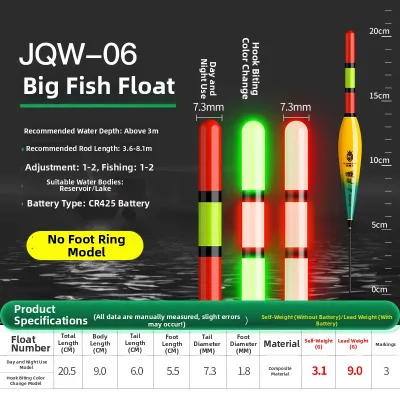
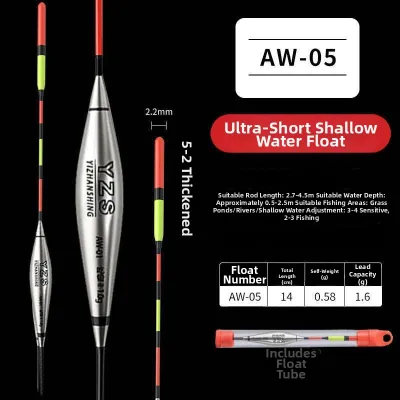
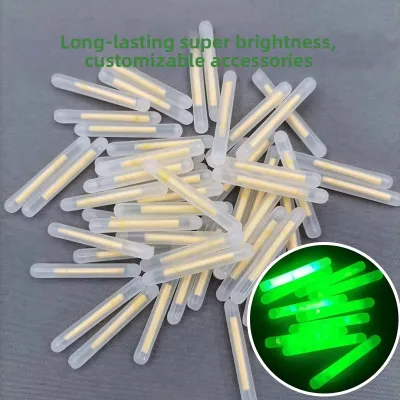
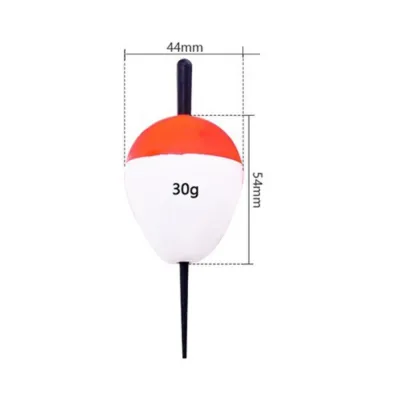
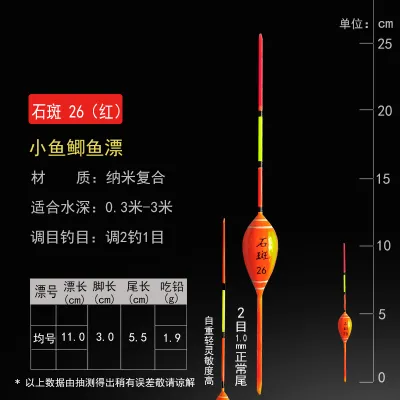
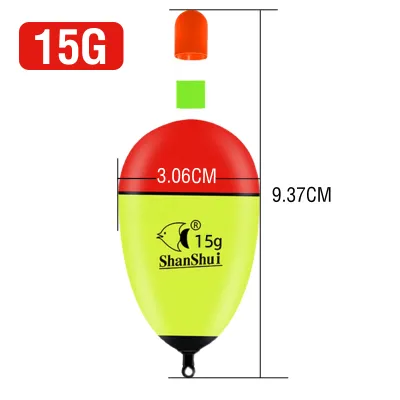
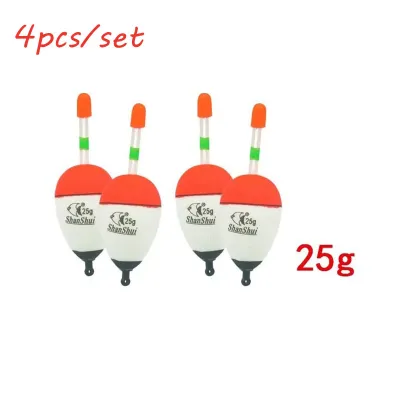
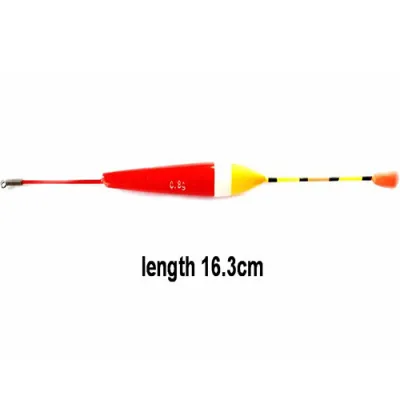
Prices are valid at publication and may change. Please refer to the product page for the latest price.
Conversely, coastal fishing spots like Bedok Jetty, Woodlands Jetty, or the rocky shorelines of West Coast Park present a different set of challenges. Here, you must contend with tidal currents, wind, and choppy saltwater. For these environments, beginners should look for heavier, more robust floats such as cigar floats, loaded crystal wagglers, or high-buoyancy EVA foam floats. These designs can carry heavier sinkers to keep your bait at the desired depth despite the moving water.
As a beginner, versatility should be your primary goal. Highly specialized tournament floats require precise shotting patterns and delicate handling, which can lead to frustration early on. Instead, look for versatile, forgiving designs. Plastic bubble floats, which can be partially filled with water to adjust casting weight, or pre-weighted loaded wagglers are excellent starting points because they simplify the rigging process and cast well even in breezy coastal conditions.
Core Features to Evaluate in Entry-Level Floats
When comparing different float brands, focusing on physical and functional specifications will help you identify high-quality options. The first critical feature is material durability. Traditional balsa wood floats offer excellent buoyancy and sensitivity, but they can crack easily if cast against concrete jetty pillars or rocky shorelines. For rugged coastal use, EVA foam floats are virtually indestructible and highly buoyant, making them a favorite among local jetty anglers. Polycarbonate or clear plastic floats offer a great middle ground, providing durability and low underwater visibility.

Under Singapore’s intense tropical heat and high humidity, cheap materials can degrade rapidly. Low-grade plastics may warp, and poor-quality foam can absorb water over time, altering the float’s buoyancy. Therefore, look for brands that use UV-stabilized plastics and high-density foam to ensure your equipment survives multiple sessions in the sun.
Visibility is another crucial factor for successful bite detection. The float’s antenna or tip must be easily visible from a distance, even in challenging lighting conditions. Reputable brands apply multiple layers of high-visibility, fluorescent paint—typically in bright orange, yellow, or red—that resists fading. When fishing during the bright midday sun, glare on the water can make floats difficult to see, so a high-contrast antenna is essential to prevent eye strain.
Finally, pay close attention to the weight and buoyancy ratings printed on the float. Reliable brands clearly label their floats with their shotting capacity, often represented in grams or traditional shotting units. This rating tells you exactly how much weight is required to pull the float down to its optimal riding level in the water. Clear, permanent markings prevent guesswork and help you balance your rig accurately.
Criteria for Selecting Beginner-Friendly Brands
Evaluating brands without relying on unverified marketing claims requires a practical framework. First, look for consistency in manufacturing. When browsing floats in a shop, inspect several units of the same model side-by-side. A reliable brand maintains strict quality control, ensuring that every float stem is perfectly straight and aligned with the body. Crooked stems or uneven weight distribution will cause the float to cast erratically and sit awkwardly in the water, which masks delicate bites.
Second, consider the availability of compatible accessories and spare parts. Beginner anglers frequently lose small components or damage float tips during casting practice. Brands that offer a complete ecosystem—including matching silicone float adapters, replacement antenna tips, and secure float stops—provide much better long-term value. This compatibility ensures you can easily repair or adjust your rig without needing to purchase an entirely new float.
Third, clear packaging and instructions are a hallmark of a beginner-friendly brand. The packaging should feature clear rigging diagrams showing how to assemble the float on your line, where to place the split shots, and how to tie the hook link. Some brands also provide recommended target species and water conditions on their labels, helping you make an informed choice before you even reach the cashier.
Sourcing and Verifying Floats in the Local Market
Finding the right floats involves knowing where to shop and how to inspect the products. Visiting local tackle shops in Singapore—such as those located around Beach Road, Geylang, or heartland neighborhoods—is highly recommended for beginners. Physical shops allow you to handle the floats, test the flexibility of the stems, and check the build quality firsthand. Furthermore, tackle shop owners and local anglers are invaluable sources of advice, often sharing tips on which float designs work best for specific local spots. Budget-friendly entry-level floats typically start around S$2 to S$5, making them highly accessible.
If you prefer the convenience of online marketplaces, navigate them with caution. Filter for reputable sellers with high ratings and read verified buyer reviews carefully. Look for photos uploaded by local buyers to verify that the product matches the online description. Avoid purchasing generic, unbranded bulk packs; these often suffer from poor quality control, inaccurate buoyancy markings, and fragile construction that can ruin a fishing trip.
Once your floats are purchased or delivered, perform a quick verification checklist before heading to the water. Roll the float on a flat table to ensure the stem is perfectly straight. Run your finger along the body to check for rough plastic seams or paint defects that could snag your line. Finally, test the float in a bucket of water with a few split shots to confirm that the printed buoyancy rating matches the actual weight required to submerge the body, leaving only the colored antenna visible.
Frequently Asked Questions (FAQ)
How do I maintain and store my fishing floats to prevent damage?
To extend the lifespan of your floats, always rinse them thoroughly with clean freshwater after every fishing session. This removes salt crystals, algae, and reservoir debris that can degrade the paint and weaken plastic components over time. Store your floats in rigid plastic float tubes or dedicated compartments within your tackle box to prevent them from being crushed or bent by heavier gear. Finally, periodically inspect hollow plastic floats for hairline cracks; if you notice a float sitting lower in the water than usual, it may have suffered water ingress and should be repaired with waterproof epoxy or discarded.
Can I use the same float brand for both freshwater and saltwater fishing?
Yes, many high-quality float brands design their products for cross-environment use, but you must verify the hardware specifications first. Ensure that any metal components, such as swivels or eyelets, are made from corrosion-resistant materials like brass or stainless steel, as standard steel will rust rapidly in saltwater. Additionally, keep in mind that saltwater is denser than freshwater, meaning your float will ride slightly higher in the sea than it does in a reservoir. You may need to add a small amount of extra weight to your rig when transitioning from freshwater to saltwater to maintain the same level of sensitivity.

Community discussion
Share your experience or ask a question. Comments are reviewed before publication.