
Selecting a reliable foam yoga block in Singapore requires looking past attractive colors and brand logos to evaluate the physical properties that ensure safety and longevity. In Singapore’s warm and highly humid climate, yoga gear is subjected to unique environmental stressors, including sweat and ambient moisture, which can degrade low-quality materials rapidly. A high-quality foam block serves as a crucial extension of your body, providing the necessary height, stability, and support to maintain proper alignment across various poses. Whether you are practicing at home in a compact apartment or commuting to a studio in the Downtown Core, understanding how to assess foam density, structural integrity, and manufacturing quality will help you invest in a block that truly supports your practice.
Key Features to Evaluate in Foam Yoga Blocks
The primary function of a yoga block is to provide unyielding support. Most foam blocks are made from Ethylene-Vinyl Acetate (EVA), a copolymer known for its flexibility and toughness. However, the density of EVA foam varies significantly across different brands. High-density EVA foam features a tightly packed, closed-cell structure that resists compression under body weight. When you press your thumb firmly into a high-density block, the surface should yield slightly to provide comfort but immediately spring back without leaving a permanent indentation. Low-density foam blocks, often sold at budget prices, tend to squish or warp when you lean your weight onto them, which can compromise your balance and strain your wrists during poses like Half Moon (Ardha Chandrasana).
Standard yoga blocks typically measure 4 inches by 6 inches by 9 inches (approximately 10 cm by 15 cm by 23 cm). This specific ratio is designed to offer three distinct heights depending on how the block is oriented, allowing you to customize the level of support. Some brands offer slim or compact blocks, often measuring 3 inches in width. While these smaller blocks are lighter and easier to pack into a commuter bag for trips on the MRT, they offer a narrower base of support. If you have larger hands, limited flexibility, or require maximum stability in standing poses, a standard 4-inch block is generally safer and more versatile.
Products mentioned in this guide
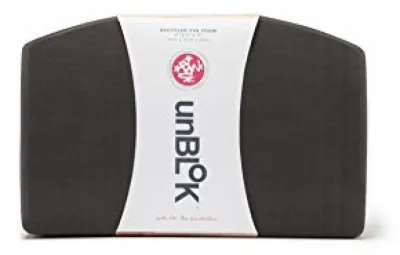
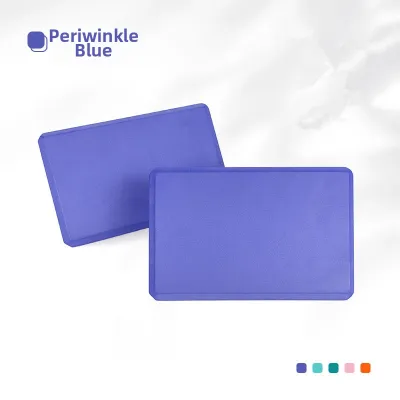
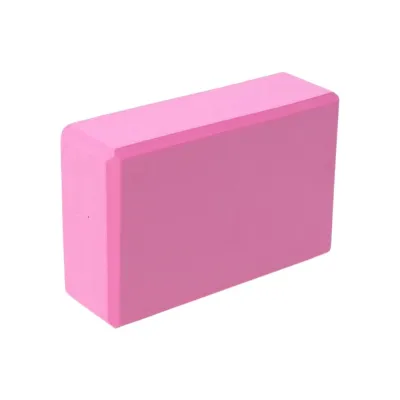
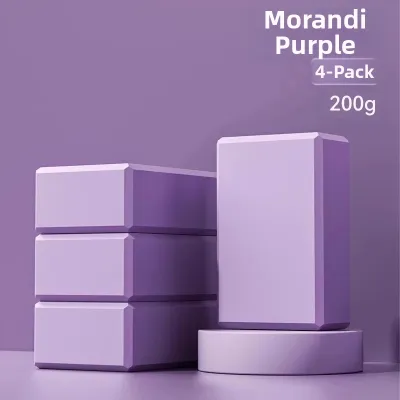
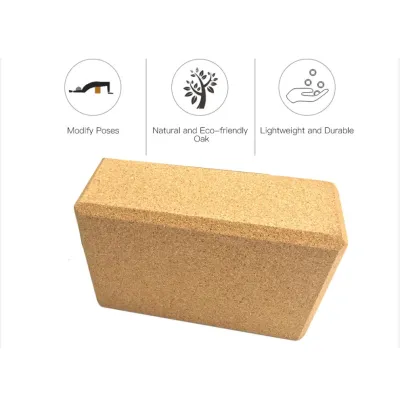
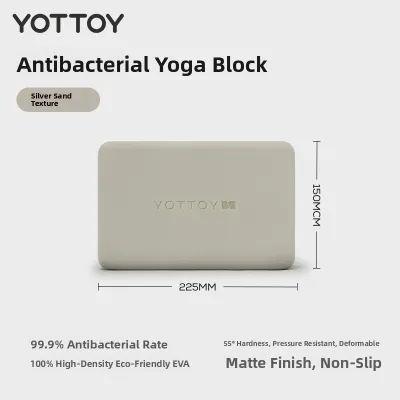
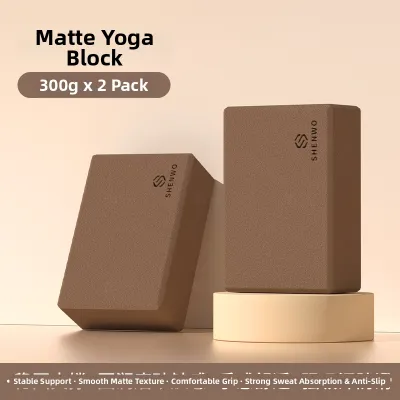
Prices are valid at publication and may change. Please refer to the product page for the latest price.
The physical finish of a foam block directly impacts your comfort and safety. High-quality brands feature beveled edges, which are slightly rounded or chamfered corners rather than sharp, 90-degree angles. Beveled edges distribute pressure more evenly across your palms and fingers, preventing the block from digging painfully into your skin during weight-bearing poses. Additionally, the surface texture plays a critical role in maintaining a secure grip. Look for blocks with a matte, slightly textured, or non-slip finish. In Singapore’s humid environment, smooth or glossy foam surfaces can become incredibly slick when exposed to sweat, increasing the risk of the block slipping out from under your hands or feet.
Matching Block Specifications to Your Practice
In slower, passive styles of yoga, blocks are held under the body for extended periods to encourage deep muscle release. For poses like Supported Bridge (Setu Bandha Sarvangasana) or Supported Fish (Matsyasana), the block must support the weight of your pelvis or spine comfortably. A wider, standard-sized foam block is ideal here because it distributes your body weight over a larger surface area, reducing localized pressure points. Because foam has a natural, slight give compared to rigid cork or wood, high-density foam blocks are highly recommended for restorative practices where comfort and prolonged relaxation are the primary goals.

Fast-paced, flowing practices require quick transitions where you must rapidly reposition your blocks. For these styles, the weight of the block is a primary consideration. Foam blocks are exceptionally lightweight, typically weighing between 150 to 300 grams, making them far easier to lift, slide, and flip mid-flow than their heavier cork counterparts. When selecting a block for dynamic flows, prioritize a brand that offers a secure, textured grip and a slightly narrower profile if you have smaller hands, ensuring you can grab the block firmly with one hand without disrupting your rhythm.
Your current level of flexibility and strength should dictate the specific block dimensions and firmness you choose. Beginners often use blocks to “bring the floor closer,” helping to maintain a straight spine and open chest when flexibility is limited. For this purpose, a firmer, standard-sized block is essential to provide a stable foundation. Advanced practitioners, on the other hand, often use blocks to deepen stretches or challenge their core stability. For example, placing a block under the front foot in a low lunge deepens the hip flexor stretch, while squeezing a block between the thighs during arm balances engages the adductor muscles. For these advanced applications, the block must be dense enough to withstand high squeezing forces without warping.
How to Verify Brand Reliability and Product Quality
Because your face and skin will come into direct contact with the block, verifying the safety of the materials is paramount. Many budget foam blocks are manufactured using cheap chemical blowing agents that leave a strong, unpleasant chemical odor, known as off-gassing. Reliable brands explicitly state that their blocks are non-toxic, hypoallergenic, and free from harmful substances like phthalates, heavy metals, and formamide. When purchasing a new foam block, expect a mild initial scent, but this should dissipate within a few days of airing the block out in a well-ventilated, shaded area. If a block continues to emit a strong chemical smell after a week, it may indicate low-grade manufacturing materials.
To assess how well a brand’s blocks will hold up over years of use, look for specific physical indicators of durability. High-quality EVA foam resists flaking, chipping, and scratching. When reading user reviews on online marketplaces or brand websites, pay close attention to complaints about “crumbling corners,” “surface peeling,” or “permanent fingernail marks.” A durable block should maintain its clean edges and flat surfaces even after being packed tightly into gym bags or stacked under heavy weights. Avoid blocks made of multi-layered, laminated foam sheets glued together, as these layers can delaminate and split apart over time, especially when exposed to Singapore’s high humidity.
A brand’s customer service policies are a strong indicator of their product confidence. Reputable fitness and yoga brands often provide a clear warranty against manufacturing defects, such as uneven surfaces, warping, or premature splitting. When shopping, check if the retailer or distributor offers a straightforward return or exchange policy. A reliable brand or local distributor in Singapore should be responsive to inquiries and willing to replace a defective product, giving you peace of mind that your investment is protected.
Navigating Purchase Channels and Pricing in Singapore
When looking to buy a foam yoga block in Singapore, you have several retail paths. Visiting a physical specialty yoga studio or a dedicated fitness boutique allows you to perform a hands-on “squeeze test” to verify the foam’s density and texture before spending any money. However, physical stores often carry a limited selection of brands and colors. Online marketplaces and specialized e-commerce platforms offer a much broader range of international and local brands, often at more competitive prices. The trade-off is that you cannot physically inspect the block before it arrives, making it crucial to rely on detailed product specifications and verified customer reviews.
In the Singapore market, foam yoga blocks generally fall into three pricing tiers. Budget blocks priced under S$10 are widely available but are often made of low-density foam that compresses easily and degrades quickly. Mid-range blocks, typically priced between S$15 and S$25, offer a much better balance of high-density EVA foam, beveled edges, and durable construction. Premium blocks from established global yoga brands can cost S$30 or more; while expensive, these blocks often feature eco-friendly foam blends, superior slip resistance, and exceptional longevity. For a regular practitioner, investing in a mid-range or premium block is more cost-effective in the long run than repeatedly replacing cheap, collapsing blocks.
Because yoga blocks are lightweight but relatively bulky, shipping costs can significantly impact the final price. When ordering from international online retailers, ensure that the shipping fees do not exceed the value of the block itself. Many local e-commerce sellers in Singapore offer affordable domestic shipping or free delivery when you meet a minimum purchase threshold. Additionally, check the packaging standards of the seller; foam blocks can be easily dented or punctured during transit if they are not packaged with sufficient protective wrapping, so choosing a seller with high packaging ratings is highly recommended.
Frequently Asked Questions (FAQ)
How do I clean and maintain my foam yoga block?
To maintain hygiene and extend the life of your foam block, clean it regularly using a soft cloth dampened with warm water and a few drops of mild dish soap. Gently wipe down all surfaces, paying extra attention to areas where sweat accumulates. Avoid using harsh chemical cleaners, bleach, or alcohol-based sanitizers, as these substances can break down the cellular structure of the EVA foam, causing it to dry out, crack, or lose its grip. Because of Singapore’s high humidity, never store a damp block in a closed cupboard or gym bag. Instead, allow the block to air-dry completely in a shaded, well-ventilated indoor space away from direct sunlight, which can cause the foam to fade and degrade.
Can I use a foam block for weight-bearing balance poses?
While high-density foam blocks provide excellent support for most standard poses, they have physical limitations when it comes to advanced weight-bearing balances. In poses where your entire body weight is concentrated on a small area of the block—such as Crow Pose (Bakasana), handstands, or other advanced inversions—standard foam blocks may compress slightly or wobble, which can compromise your wrist stability and safety. Before attempting these poses, verify the stability of your block by applying gradual pressure. If you feel the block deforming or shifting under your weight, it is highly recommended to transition to denser, completely rigid materials like cork or wood blocks, which offer absolute structural stability and will not compress under heavy, concentrated loads.

Community discussion
Share your experience or ask a question. Comments are reviewed before publication.