
Selecting the right rigid tape brand in Singapore requires balancing maximum joint immobilization with skin safety, especially under the demands of a hot and humid tropical climate. High-quality rigid sports tape provides the mechanical limit needed to protect vulnerable ligaments in the ankle and wrist during high-impact movements. By understanding how to evaluate material composition, adhesive quality, and local retail authenticity, you can secure reliable joint stabilization that withstands intense physical activity.
Understanding How Rigid Tape Stabilizes Joints
Rigid sports tape is designed to limit joint range of motion to prevent injury or protect a joint that is already recovering from a sprain. Unlike elastic options, this tape does not stretch when force is applied. It acts as an external ligament, anchoring to the skin to physically block movements that could overstretch or tear vulnerable tissues.
To understand its role, it is helpful to contrast rigid tape with elastic kinesiology tape. Kinesiology tape is highly stretchable and designed to move with your body, aiming to facilitate muscle activation and improve localized blood flow without restricting joint movement. In contrast, rigid tape is stiff and unyielding, specifically applied to lock a joint in a neutral position or restrict specific angles of movement, such as preventing the outward rolling of an ankle.
Products mentioned in this guide
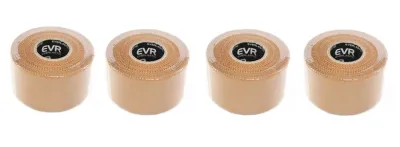
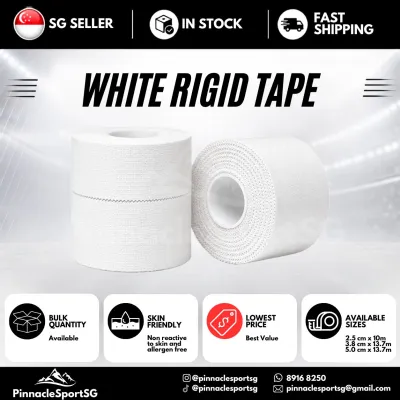
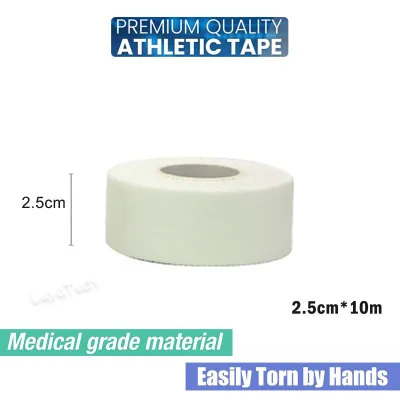
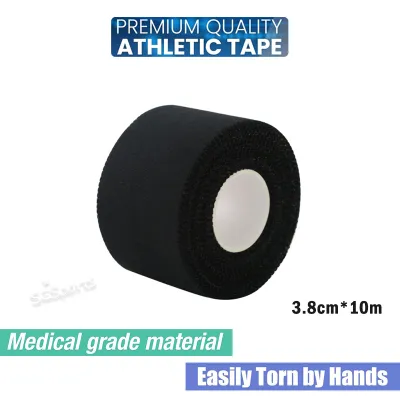
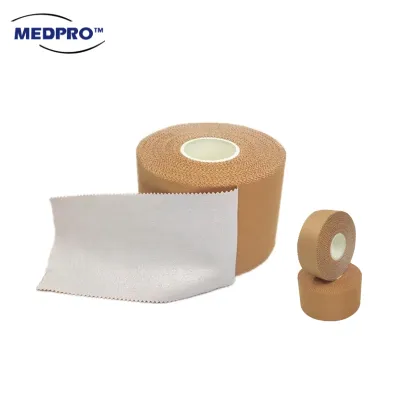
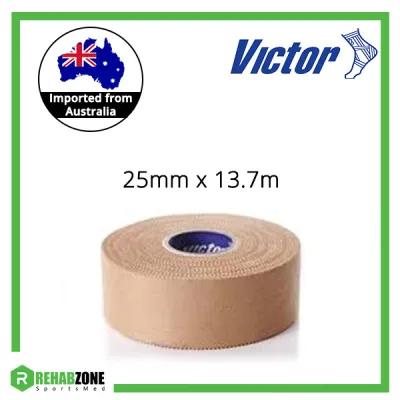
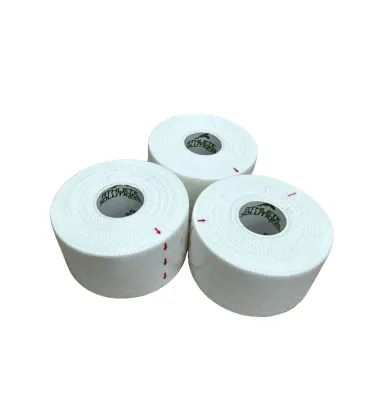
Prices are valid at publication and may change. Please refer to the product page for the latest price.
For ankle stabilization, rigid tape is commonly used to prevent inversion sprains, where the foot rolls inward and damages the lateral ligaments. In the wrist, it helps prevent hyperextension or hyperflexion during activities that place sudden loads on the hand, such as gymnastics, weightlifting, or racket sports. By restricting these extreme ranges of motion, the tape reduces the load on healing tissues and provides immediate structural support.
Key Criteria for Evaluating Sports Tape Brands
When comparing different sports tape brands on the market, the adhesive formulation is one of the most critical factors to consider. A reliable brand uses a strong, medical-grade zinc oxide adhesive that remains sticky even when subjected to friction and sweat. However, because strong adhesives can cause skin irritation, you should look for brands that offer hypoallergenic, latex-free formulations to minimize the risk of contact dermatitis.

Material composition directly determines the tape’s tensile strength and durability during movement. You will generally find tape made from either cotton or rayon, as well as synthetic blends:
- Cotton Tape: This is the traditional choice, offering a balance of reliable support and natural breathability. It is easy to tear by hand and is highly suitable for general taping needs and moderate-impact sports.
- Rayon and Synthetic Blends: These materials offer significantly higher tensile strength than pure cotton. Rayon tape does not stretch or give under heavy loads, making it the preferred choice for high-stress joints like the ankle during intense court sports.
Singapore’s high humidity and warm temperatures present a unique challenge for sports adhesives. Sweat can quickly pool under non-porous tape, causing the adhesive to slide off the skin and rendering the support ineffective. High-quality brands address this by utilizing a porous adhesive application pattern, which allows sweat to escape and air to circulate, keeping the tape bonded to the skin for longer periods.
Brand transparency regarding manufacturing standards is a strong indicator of reliability. Reputable manufacturers clearly state their material specifications, adhesive types, and compliance with international medical device standards on their packaging. Avoid brands that do not disclose their material origins or fail to provide clear instructions regarding latex content, as this increases the risk of unexpected skin reactions.
Matching Tape Specifications to Ankle and Wrist Needs
Selecting the correct tape width is essential for achieving effective joint support without restricting blood flow or causing unnecessary bulk. Standard rigid tape is available in several widths, each suited to different anatomical areas:
- 50mm Width: Best suited for large joints or wrapping broad areas, such as thigh compression or securing heavy shoulder wraps.
- 38mm Width: The industry standard for ankle taping. This width provides enough coverage to secure the lateral ligaments efficiently while conforming well to the contours of the heel and ankle joint.
- 25mm Width: Ideal for smaller joints like the wrist. It allows for precise wrapping around the wrist bones and palm without bunching up or restricting finger movement.
- 12.5mm Width: Primarily used for taping fingers and toes, providing targeted support to small collateral ligaments.
You should also evaluate the physical handling characteristics of the tape before purchasing. High-quality rigid tape features serrated edges, allowing you to tear it easily by hand in both directions without needing scissors. The tape should tear cleanly without leaving frayed threads, which can catch on clothing or socks and cause the tape job to unravel prematurely during play.
Your choice of tape should also align with the intensity of your sport and your recovery phase. High-impact court sports like netball, basketball, or badminton require maximum tensile strength, making premium rayon tape the most reliable option. For low-impact daily rehabilitation or light gym sessions, a standard cotton rigid tape may provide sufficient support while being gentler on the skin and easier to remove.
Always read the product labels to verify the manufacturer’s intended use cases and performance limits. Some tapes are specifically rated for water resistance, which is crucial if you participate in water sports or sweat heavily. Checking these specifications ensures you do not use a light-duty tape for a high-stress application, which could lead to premature tape failure and potential joint reinjury.
Finding Authentic Sports Tape in Singapore
To ensure you are purchasing genuine, high-quality rigid tape, it is best to buy from authorized physical retailers in Singapore. Well-established local pharmacies, specialized sports medicine clinics, and dedicated physiotherapy centers stock professional-grade brands that meet strict medical standards. Buying from these physical locations allows you to inspect the packaging firsthand and seek advice from knowledgeable staff.
If you prefer shopping online, look for official brand storefronts or authorized distributors on major e-commerce platforms. Be cautious of third-party parallel importers offering unusually low prices, as these products may be counterfeit or stored in sub-optimal conditions. Extreme heat and humidity in unconditioned warehouses can degrade the adhesive backing long before the product reaches you, resulting in tape that fails to stick.
When purchasing rigid tape, always inspect the physical packaging for intact safety seals, clear batch numbers, and visible expiry dates. The adhesive on sports tape has a limited shelf life and will naturally dry out or become overly gooey over time, especially if exposed to air. A secure shrink-wrap seal ensures the tape has been protected from moisture and dust since leaving the factory.
Because sports tape is a health and personal care consumable, most retailers do not accept returns or exchanges once the protective packaging has been opened. Before making a purchase, verify the retailer’s policy regarding defective items, such as tape that arrives dried out or damaged. Keeping your receipt and buying from reputable local sellers provides the best protection if you encounter any quality issues.
Safe Application, Skin Care, and When to Seek Help
Before applying any rigid tape, it is vital to read and follow the manufacturer’s specific application instructions. Applying tape incorrectly can fail to support the joint and may even cause skin damage or restrict blood circulation. If you are new to taping, consider having a physiotherapist demonstrate the correct wrapping patterns for your specific joint needs.
Proper skin preparation is key to ensuring a strong bond and protecting your skin from irritation. Follow these steps for safe application:
- Clean the Skin: Wash the area with mild soap and water to remove dirt, sweat, and natural oils, then dry the skin completely.
- Manage Hair: Shave or closely trim the area to be taped, as adhesive sticking to hair increases pain during removal and reduces tape contact with the skin.
- Conduct a Patch Test: If you have sensitive skin, apply a small piece of tape to your forearm for 24 hours to check for redness, itching, or swelling before taping a major joint.
- Use Pre-Wrap: Consider applying a thin layer of foam pre-wrap or a skin barrier spray before taping to protect sensitive skin from direct contact with the adhesive.
While wearing rigid tape, you must remain vigilant for signs of restricted circulation or nerve compression. If you experience numbness, tingling, a cold sensation, or if your skin turns pale or blue below the taped area, the tape is too tight. Immediately cut the tape off to restore normal blood flow and prevent tissue damage.
Stop using rigid tape immediately if you develop severe skin irritation, blisters, or an allergic reaction under the taped area. Taping should never be used to mask severe pain or to force an unstable, severely injured joint to perform. If you experience persistent joint pain, swelling, or instability, consult a qualified physiotherapist or medical doctor for a proper diagnosis and treatment plan.
Frequently Asked Questions (FAQ)
Can rigid tape be reused after a single sports session?
No, rigid sports tape is strictly designed for single-use applications. Once the tape is peeled off the skin, the adhesive backing loses its structural integrity and cannot form a secure bond a second time. Additionally, used tape accumulates sweat, dead skin cells, and bacteria, making reuse highly unhygienic and increasing the risk of skin infections.
How should I remove rigid tape to minimize skin irritation?
To remove rigid tape safely, avoid pulling it off rapidly, as this can tear the upper layers of your skin. Instead, apply an oil-based remover, baby oil, or warm soapy water to the tape to help break down the adhesive. Gently peel the tape back slowly, keeping it close to the skin and pulling in the direction of hair growth while supporting the skin with your other hand.
Does rigid tape replace the need for ankle or wrist braces?
Rigid tape does not replace a dedicated joint brace, as they serve different purposes. Tape provides highly customized, low-profile support that restricts movement precisely, but it loses some of its tension during prolonged activity. Braces offer adjustable, reusable, and long-term structural support, making them more suitable for severe chronic instability, whereas tape is ideal for temporary protection during active sports.

Community discussion
Share your experience or ask a question. Comments are reviewed before publication.