
Selecting your first set of snorkeling gear in Singapore requires a careful balance of comfort, safety, and value. While the tropical waters around the Southern Islands or nearby regional reefs offer incredible marine life, poorly fitting equipment can quickly turn an exciting weekend adventure into a frustrating experience. Beginners often face a confusing array of options, ranging from cheap supermarket plastic sets to high-end professional scuba diving gear. The key to making a smart investment lies in understanding how to evaluate brand reliability, material standards, and design features that match your current skill level. By focusing on essential safety markers and physical fit rather than marketing hype, you can find durable equipment that keeps you comfortable and safe in the water.
Understanding the Difference Between Snorkeling and Scuba Gear
When exploring underwater equipment, beginners frequently encounter gear labeled for both snorkeling and scuba diving. Understanding the functional distinctions between these two categories is essential to avoid overspending on highly specialized, heavy-duty equipment. Snorkeling gear is designed primarily for surface swimming and shallow dives, prioritizing lightweight materials, flexibility, and ease of breathing at the surface. In contrast, scuba gear is engineered to withstand the extreme pressure of deep-water environments, requiring robust construction and specialized interfaces for breathing gas delivery.
These differences are most apparent in the design of masks, snorkels, and fins. A snorkeling mask typically features a slightly wider profile to maximize the field of view at the surface, whereas a scuba mask focuses on low internal volume to make clearing water easier under pressure. Snorkels designed for surface use often incorporate splash guards or dry-top valves to prevent surface chop from entering the tube, features that are unnecessary or even cumbersome for scuba divers who rely on regulators. Furthermore, snorkeling fins are generally shorter and more flexible, allowing for easy, low-effort kicking on the surface, while scuba fins are stiffer and longer to propel a diver carrying heavy life-support equipment through strong currents.
Products mentioned in this guide
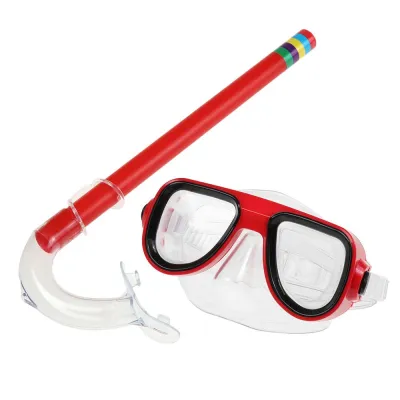
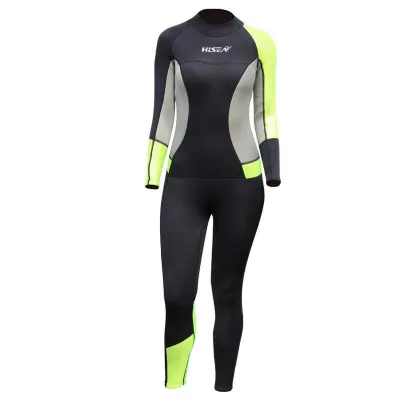
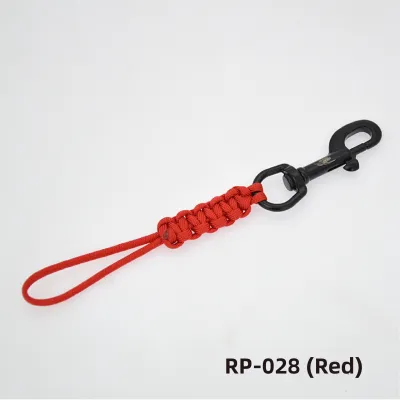
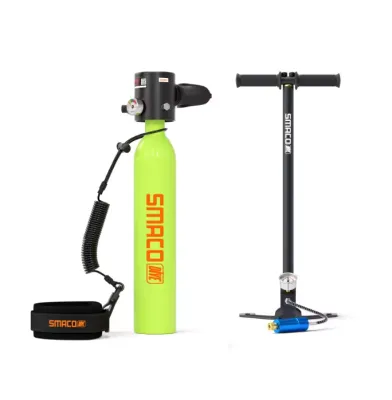
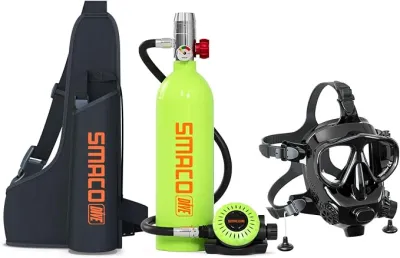
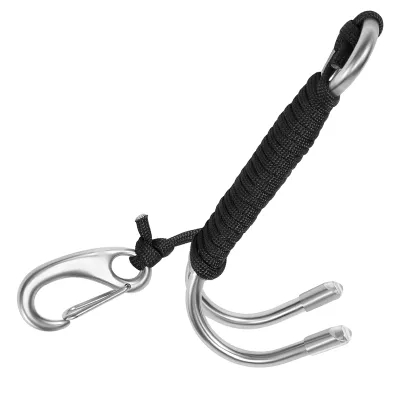
Prices are valid at publication and may change. Please refer to the product page for the latest price.
Fortunately, many established scuba manufacturing brands leverage their professional engineering standards to produce dedicated, high-quality snorkeling lines. By choosing these entry-level snorkeling products from reputable diving brands, you benefit from the same rigorous quality control and material standards used in deep-sea diving gear without paying for advanced scuba-specific features. This crossover allows beginners to secure highly durable, safe, and comfortable equipment at a fraction of the cost of professional diving setups.
Key Criteria for Evaluating Beginner Snorkeling Brands
Evaluating the reliability of a snorkeling brand requires looking past attractive packaging and focusing on verifiable material specifications. The most critical indicator of quality in any snorkeling mask or snorkel is the use of 100% hypoallergenic liquid silicone for the facial skirt and mouthpiece. Low-quality, ultra-budget brands often substitute polyvinyl chloride (PVC) or cheap plastic blends, which degrade rapidly under the tropical sun, emit chemical odors, and fail to form a reliable, watertight seal against the skin. Silicone remains soft, flexible, and resilient over years of exposure to salt water and UV rays, ensuring long-term comfort and safety.

Ergonomics and fit design represent another essential benchmark for reputable brands. Reliable manufacturers invest in research to design mask skirts that conform to a wide variety of facial structures, incorporating double-feathered edges to prevent leaks. They also design snorkel mouthpieces that minimize jaw fatigue during extended swimming sessions, utilizing orthodontic shapes that sit naturally in the mouth. When comparing brands, look for those that offer adjustable, micro-metric strap buckles that allow for precise tensioning without pulling on your hair or putting excessive pressure on the bridge of your nose.
A brand’s commitment to customer support and product longevity is often reflected in its warranty policies and the availability of replacement parts. High-quality manufacturers understand that small components like snorkel keepers, buckle clips, and fin straps are prone to wear or accidental loss. Brands that offer easily accessible replacement parts ensure that a single broken clip does not force you to discard an entire set of gear. Checking for clear manufacturer warranties and responsive customer service channels provides peace of mind that the brand stands behind its products.
While price should not be the sole deciding factor, it serves as a useful indicator of engineering standards. Ultra-budget sets sold at general beachside souvenir shops often compromise on safety features, using fragile plastic lenses that can shatter under impact. Mid-range brands justify their pricing by utilizing tempered glass lenses, robust buckle assemblies, and high-grade silicone. Investing in a mid-range set from a dedicated water sports brand ensures you receive the necessary safety certifications and material durability required for safe ocean swimming.
Essential Gear Components and What to Look For
Assembling a reliable snorkeling kit involves selecting components that work together to provide a seamless, comfortable, and safe experience on the water’s surface. Prioritizing specific design features in each piece of equipment ensures you remain relaxed and focused on the marine environment.
Masks, Snorkels, and Fins
The mask is your window to the underwater world, making its design and fit the most critical aspect of your gear selection. Beginners should look for masks featuring tempered glass lenses, which offer superior clarity, scratch resistance, and safety compared to plastic alternatives. A single-lens design provides an uninterrupted, wide field of view, which is highly beneficial for surface swimmers, while a dual-lens design allows for the installation of corrective prescription lenses if needed. To verify a proper fit, perform a simple seal test: place the mask gently on your face without using the strap, inhale slightly through your nose, and look down; a well-fitting mask should hold its position solely through the suction created, indicating a watertight seal.
Your snorkel is your lifeline to the surface, and its design directly impacts your breathing comfort. For beginners, a dry-top snorkel is highly recommended, as it utilizes a buoyant valve mechanism that automatically seals the tube when submerged, preventing water from entering during surface dives or unexpected waves. Semi-dry snorkels feature a splash guard at the top to deflect surface spray but do not seal completely when submerged. Regardless of the top design, ensure the snorkel features a lower purge valve, which allows you to easily clear any water that enters the tube with a simple, sharp exhalation.
Fins provide the propulsion needed to navigate currents and cover distances without exhausting yourself. For snorkeling in warm tropical waters, full-foot fins are highly popular because they are lightweight, easy to slip on, and do not require separate footwear. However, if you plan to walk over rocky shores or hot sand to reach your entry point, open-heel fins paired with neoprene booties offer superior protection and adjustability. Beginners should opt for fins with medium-to-high flexibility and moderate blade length, which deliver sufficient thrust for surface swimming without straining your calf muscles or ankles.
Exposure Protection and Accessories
Even in the warm tropical waters around Singapore, exposure protection is vital for safety and comfort during extended snorkeling sessions. A high-quality rash guard with a certified Ultraviolet Protection Factor (UPF) of 50+ protects your skin from intense sun exposure, eliminating the need for excessive sunscreen that can harm delicate marine ecosystems. In addition to sun protection, a thin neoprene wetsuit or rash guard provides a physical barrier against stinging jellyfish and minor abrasions from floating debris. For beginners who plan to spend hours in the water, a 1.5mm to 2mm shorty wetsuit offers mild thermal insulation and a slight boost in natural buoyancy, helping you stay relaxed on the surface.
Maintaining clear vision is essential for a safe snorkel session, making anti-fog treatments a necessary accessory. New masks often have a thin layer of silicone residue on the inside of the glass from the manufacturing process, which must be carefully cleaned before the first use to prevent persistent fogging. Applying a dedicated, reef-safe defogging solution or a mild baby shampoo mixture to the dry lens before entering the water creates a protective film that prevents condensation. Avoid using harsh household chemicals or abrasive cleaners, which can permanently scratch the glass or damage the delicate silicone skirt.
Proper storage and transport accessories play a significant role in extending the lifespan of your snorkeling equipment. A heavy-duty mesh gear bag is highly recommended, as its open-weave design allows air to circulate freely around your wet gear, promoting rapid drying and preventing the growth of mold and mildew. Storing damp silicone gear in sealed plastic bags or unventilated containers can cause the material to discolor, lose its elasticity, and develop unpleasant odors. A dedicated mesh bag also makes it easy to rinse your entire kit with fresh water simultaneously while keeping all your components organized.
How to Verify Brand Reliability and Safety Standards
With numerous products available online, beginners must learn to distinguish certified, high-quality gear from substandard counterfeits. Legitimate snorkeling and scuba brands clearly print safety certifications and manufacturing standards on their product packaging and user manuals. For masks, look for markings indicating compliance with international safety standards, such as the European CE mark or specific ANSI standards for impact resistance in tempered glass. These markings guarantee that the glass has undergone rigorous testing to ensure it crumbles safely under extreme impact rather than shattering into sharp, dangerous shards.
When browsing online listings, several red flags can help you identify low-quality or counterfeit products. Be cautious of listings that use vague material descriptions, such as “highly durable plastic” or “soft rubber,” instead of explicitly specifying 100% liquid silicone and tempered glass. Unusually low prices that seem too good to be true are often a clear sign of compromised manufacturing standards and cheap materials. Additionally, reliable brands always provide detailed sizing charts, clear instructions for use, and transparent contact information for customer support.
To ensure you are purchasing genuine products backed by manufacturer warranties, always buy from authorized dealers, specialized local dive shops, or official brand stores. Specialized dive shops in Singapore staffed by certified diving professionals offer invaluable expertise, allowing you to ask questions and receive personalized fitting advice. Purchasing from these reputable channels guarantees that you receive authentic gear that has been stored and handled correctly, protecting your investment and ensuring your safety in the water.
Where to Buy and What to Check Before Purchasing
When preparing to purchase your snorkeling gear, comparing different retail channels can help you find the best balance of convenience, expertise, and price. Visiting a specialized local dive shop is highly recommended for beginners, as it allows you to physically handle the gear, try on different sizes, and receive expert guidance from experienced staff. While general e-commerce platforms and online marketplaces may offer lower prices, they lack the personalized fitting services and immediate quality assurance provided by physical retail stores. If you choose to buy online, stick to official brand flagship stores to avoid counterfeit products.
Before finalizing your purchase in a store, perform a series of quick physical checks to ensure the gear is free from defects. Inspect the mask skirt for any warping, tears, or uneven edges in the silicone, and test the buckle mechanism to ensure it locks securely and adjusts smoothly. For snorkels, check that the purge valve at the bottom is seated flat and free of debris, and test the dry-top float mechanism by gently tipping the snorkel upside down to ensure the valve moves freely. When trying on fins, ensure there are no tight pressure points around your toes or heels, as these can quickly lead to painful blisters in the water.
Once you have purchased your gear, establishing a proper post-purchase inspection and maintenance routine is essential for long-term durability. Before your first trip, rinse all components in fresh water and inspect the strap integrity and valve functions once more. After every saltwater excursion, thoroughly rinse your gear in clean, fresh water to remove salt crystals, sand, and chlorine, which can degrade silicone and corrode metal buckle springs over time. Allow your gear to dry completely in a shaded, well-ventilated area away from direct sunlight, as prolonged exposure to UV rays can cause silicone to become brittle and crack.
Frequently Asked Questions (FAQ)
Can I use scuba diving masks and fins for snorkeling?
Yes, you can safely use scuba diving masks and fins for snorkeling, as they are built to exceptionally high safety and material standards. However, beginners should be aware of a few practical trade-offs. Scuba masks often have a lower internal volume, which is excellent for clearing water but may offer a slightly narrower field of view compared to dedicated surface snorkeling masks. Scuba fins are typically longer, stiffer, and heavier, designed to propel a diver carrying heavy equipment; using them for surface snorkeling can quickly fatigue your leg muscles if you are not accustomed to the resistance.
How much should a beginner spend on a complete snorkeling set?
A beginner in Singapore should expect to invest between S$60 and S$150 for a reliable, entry-level snorkeling set consisting of a high-quality mask, snorkel, and fins. Sets priced below this range often utilize cheap PVC materials and plastic lenses, which compromise safety and comfort. Spending within the mid-range tier ensures you receive 100% liquid silicone skirts, tempered glass lenses, and durable buckle systems that will last for years. Premium sets exceeding S$200 are generally geared toward advanced free-divers or scuba divers and are not necessary for casual surface snorkeling.
Is it better to buy a bundled set or purchase individual pieces?
For most beginners, purchasing a pre-packaged bundled set from a reputable brand offers excellent convenience and cost savings. Bundles are designed to ensure that the mask, snorkel, and carrying bag are fully compatible and color-coordinated. However, if you have a unique face shape, wear prescription glasses, or have different sizing needs for your feet and face, purchasing individual pieces is highly recommended. Buying components separately allows you to customize the fit of your mask and the flexibility of your fins, ensuring maximum comfort and safety in the water.

Community discussion
Share your experience or ask a question. Comments are reviewed before publication.