
Selecting your first tenya jigs does not require spending a fortune on premium, high-end Japanese import brands. For beginners targeting bottom-dwelling species like snapper, grouper, and threadfin in Singapore’s coastal waters, the key to success lies in identifying entry-level jigs that offer a reliable balance of structural integrity and affordability. Because tenya fishing involves bouncing a weighted jig armed with a fresh prawn along rocky seabeds and coral reefs, snagging and losing gear is an inevitable part of the learning curve. Starting with cost-effective jigs allows you to master the essential lift-and-drop technique without the constant fear of losing expensive tackle. By focusing on verifiable physical attributes—such as hook sharpness, paint durability, and secure skirt attachments—you can easily find budget-friendly options that perform exceptionally well on the water.
To make an informed decision, you must understand how to evaluate the build quality of a tenya jig before it ever touches the water. A reliable entry-level jig should feature a robust main hook that resists bending under pressure, a securely tied assist hook, and a durable finish that can withstand repeated impacts against hard structures. Rather than relying on brand prestige, beginners should learn to inspect the physical components of each jig to ensure they are getting the best possible value for their money.
What Defines Quality and Value in Entry-Level Tenya Jigs
When evaluating entry-level tenya jigs, balancing the initial purchase price with long-term durability is your primary objective. A cheap jig that loses its paint after a single drop or suffers from a bent hook on the first strike quickly becomes more expensive than a slightly higher-priced, well-made alternative. Value is not merely about finding the lowest price tag; it is about finding a jig that can survive multiple reef contacts and successfully land several fish before needing replacement. For beginners, a reasonable price range for a dependable lead-alloy tenya jig in local tackle shops typically sits between S$6 and S$12, depending on the weight and hook configuration.
Products mentioned in this guide
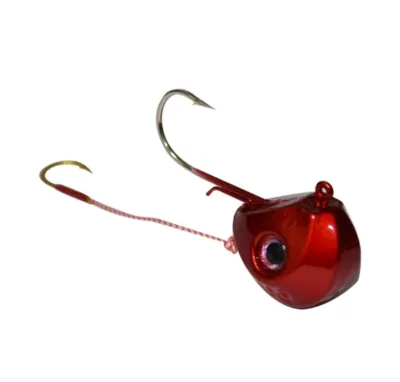
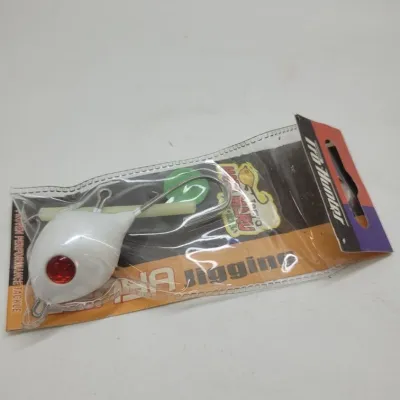
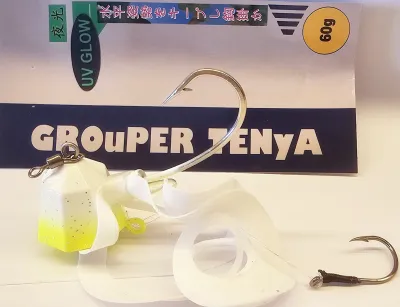

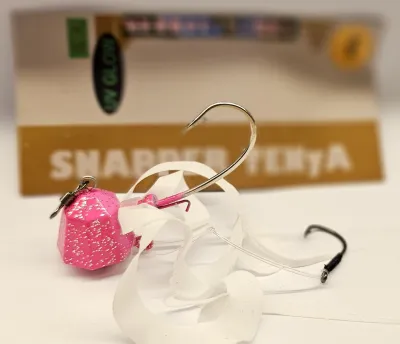
Prices are valid at publication and may change. Please refer to the product page for the latest price.
Understanding the material composition of the jig head is essential for evaluating its value proposition. Most entry-level jigs are constructed from lead alloy, which is highly cost-effective and provides sufficient weight to reach the seabed. While premium tungsten jigs offer a smaller profile for the same weight, they are significantly more expensive and represent a high financial risk for beginners who frequently snag on structure. Lead jigs provide a larger profile that can actually increase visibility in murky waters, making them an excellent and practical choice for those still perfecting their bottom-contact techniques.
The metallurgy and sharpness of the hooks are the most critical factors determining a jig’s overall performance. Tenya fishing relies on a clean, rapid hook set, often when a fish bites gently at the bait rather than striking aggressively. The main hook, which is molded directly into the jig head, must be sharp enough to penetrate the hard, bony mouths of target species like red snapper. It must also possess sufficient tensile strength to resist straightening under the load of a fighting fish. Inspect the hook point closely; it should feel sticky-sharp against your fingernail, and the wire should not flex easily when moderate lateral pressure is applied.
Equally important is the quality of the skirt and appendage materials, which provide the lifelike action that attracts fish. High-quality entry-level jigs utilize silicone or durable rubber skirts that remain supple in water, creating a natural pulsing motion even during slow movements. Avoid jigs with stiff, plasticky skirts that clump together or lose their shape after being stored in a tackle box. The appendages, which often mimic prawn antennae or small baitfish tails, should be securely bound to the jig collar with durable thread or a tight silicone band to prevent them from being easily pulled off by small bait-stealers.
Essential Features to Check Before Buying
Selecting the correct weight class is your first step when choosing tenya jigs for specific fishing conditions. In Singapore’s southern waters or deep channels, tidal currents can be strong, requiring heavier jigs to reach the seabed effectively. As a general guideline, you should select a jig weight that allows you to maintain vertical contact with the bottom without letting the line scope out at an extreme angle. For shallow reef flats of 10 to 20 meters with mild currents, jigs weighing between 30 and 50 grams are usually sufficient. For deeper waters or spring tides, you may need to scale up to 80 grams or more to keep your bait in the strike zone.

Matching the hook style and size to your target species and bait presentation is crucial for maximizing your hook-up ratio. The main hook must be sized appropriately to accommodate a whole fresh prawn, which is the standard bait for tenya fishing. The prawn should sit straight along the hook shank, with the hook point exiting cleanly through the tail or back. Additionally, check the assist hook configuration; a secondary, smaller hook attached via a braided line is essential for hooking fish that nip at the head or sides of the prawn. Ensure the assist line is made of high-strength, abrasion-resistant braid, such as Kevlar or high-density PE, that can withstand the sharp teeth of predatory fish.
Pay close attention to the connection point where the assist line attaches to the jig head. In reliable entry-level models, this connection is typically made via a solid ring or a heavy-duty split ring that allows the assist hook to swing freely without tangling. If the assist line is tied directly to a thin wire eyelet with rough edges, the line can easily fray and snap under tension. A free-swinging assist hook also ensures that when a fish thrashes, it cannot use the weight of the jig head as leverage to throw the hook.
Color selection plays a significant role in how visible your jig is to fish under varying water clarities and depths. In murky coastal waters or during overcast days, high-visibility colors such as chartreuse, bright orange, and pink are highly effective, especially when combined with glow-in-the-dark (luminous) finishes. In clearer offshore waters or bright, sunny conditions, natural patterns like silver, gold, or green-gold tend to perform better by mimicking local baitfish. Beginners should stock a small selection of both high-visibility and natural colors to adapt to changing water conditions throughout the day.
How to Evaluate Brand Reliability Without Professional Reviews
When professional reviews or independent test data are unavailable for budget-friendly brands, you can evaluate reliability by examining manufacturer specifications. Look for brands that are transparent about the materials used in their construction, such as specifying the type of hook alloy or the use of high-density lead. A manufacturer that provides detailed information about hook sizes, weight in grams, and recommended target species generally demonstrates a higher level of quality control. Avoid brands that package their jigs in generic, unlabeled bags with no clear specifications, as these are often mass-produced with little attention to detail.
Analyzing consistent user feedback on online marketplaces and local fishing forums is another excellent way to gauge real-world performance. Look for patterns in buyer reviews rather than focusing on isolated complaints; if multiple users report that the hooks bend easily or that the paint chips off after a single cast, these are clear indicators of poor manufacturing standards. Conversely, positive feedback highlighting consistent hook sharpness, durable paint finishes, and successful catches on specific local reefs can give you confidence in a budget brand’s reliability.
There are several physical red flags you should look out for when inspecting jigs in person or reviewing product photos. Check the weight markings on the jig head; high-quality brands always stamp or print the weight clearly on the body, whereas low-grade jigs often omit this detail. Inspect the paint finish for bubbles, uneven coating, or exposed metal, which suggest poor adhesion and a high likelihood of rapid chipping. Finally, examine the eyelets and connection points; they should be perfectly centered, smooth, and free of excess lead or paint that could damage your leader line or restrict the movement of the assist hook.
Testing the luminous properties of the paint is another simple way to verify manufacturing quality. If you have access to a UV torch or a bright flashlight, shine it on the glow-in-the-dark sections of the jig for a few seconds. A well-made jig with high-quality luminous pigments will charge quickly and retain a visible glow for several minutes. If the glow fades almost instantly or appears patchy and uneven, it indicates that the manufacturer used cheap, low-grade paint that will offer minimal visibility when the jig descends into deeper, darker waters.
Building a Balanced Beginner Tenya Setup
To get the most out of your chosen tenya jigs, you must pair them with a rod that features the correct power and action. Tenya fishing requires a highly specialized rod with a sensitive, flexible tip to detect the delicate nibbles of bottom fish, combined with a powerful backbone to drive the hook home. A light to medium-light rod rated for the weight range of the jigs you plan to use is ideal. If your rod is too stiff, you will struggle to detect bites and may pull the hook out of the fish’s mouth; if it is too weak, you will not be able to set the hook effectively or control a strong fish near the structure.
Your choice of mainline and leader material is equally critical for preventing costly break-offs while maintaining sensitivity. A thin, high-quality braided mainline (typically PE 0.8 to PE 1.5) is essential because it offers minimal water resistance, allowing your jig to sink faster and remain vertical in strong currents. Pair this braid with a fluorocarbon leader of approximately 12 to 20 pounds tension strength, depending on the presence of sharp rocks or coral. The fluorocarbon leader provides crucial abrasion resistance against underwater structures and is virtually invisible to wary fish in clear water.
Your reel’s drag system must be exceptionally smooth to handle the sudden, powerful runs of reef-dwelling fish without snapping your light leader. When fishing with relatively thin lines, a jerky or sticky drag can easily cause line breakage at the knot. Before heading out, adjust your drag to approximately one-third of your leader’s breaking strength, and verify that the line pulls off the spool smoothly without any catching or hesitation. This mechanical reliability is far more important than having a massive maximum drag capacity that you will never fully utilize.
Allocating your budget effectively across your entire setup will ensure you do not compromise on the components that matter most. While it is tempting to spend your entire budget on a premium reel, beginners are better off investing in a high-quality, sensitive rod first, as this directly impacts your ability to feel bites and control the jig. Allocate a moderate portion of your budget to a reliable, smooth spinning or overhead reel with a consistent drag system. Keep your jig budget modest by purchasing a selection of reliable, entry-level jigs in various weights and colors, allowing you to learn the technique without worrying about the financial impact of losing gear.
Purchasing Channels and Pre-Checkout Verification
When sourcing your tenya jigs, comparing local tackle shops in Singapore with online e-commerce platforms can help you find the best deals. Local tackle shops offer the invaluable advantage of allowing you to physically inspect the jigs before buying, and the staff can often provide real-time advice on which weights and colors are currently producing fish in local waters. Online marketplaces, on the other hand, frequently offer a wider selection of budget-friendly brands and bulk purchasing options at lower prices. If buying online, stick to reputable sellers with high ratings and positive customer feedback to minimize the risk of receiving counterfeit or substandard products.
Upon receiving your jigs, perform a thorough physical inspection before adding them to your tackle box. Start by testing the sharpness of the hook points using the fingernail test; if the hook slides off your nail without catching, it needs to be sharpened with a hook file before use. Check the weight molding to ensure there are no sharp edges or burrs near the line tie that could fray your leader. Gently tug on the assist hook line and the skirt attachments to verify that they are securely bound and will not unravel under the tension of a fighting fish.
Do not forget to inspect the bait keeper, which is the small wire barb or keeper molded onto the main hook shank. This component is designed to hold the prawn firmly in place and prevent it from sliding down the hook during the descent or when small fish nibble at it. Ensure the bait keeper is securely attached and positioned correctly; if it is loose or misaligned, the prawn will spin in the current, causing your line to twist and reducing the natural presentation of your bait.
Understanding the return and exchange policies of your chosen retailer is essential when purchasing budget-friendly gear. Even reliable entry-level brands can occasionally produce a defective batch with misaligned eyelets, dull hooks, or peeling paint. Ensure the seller offers a straightforward return policy that allows you to exchange defective items or receive a refund if the product does not match the advertised specifications. Keeping your receipts and taking clear photos of any manufacturing defects immediately upon unboxing will make the return process much smoother.
Frequently Asked Questions (FAQ)
How do I maintain the skirts and appendages to prevent tearing?
To prolong the life of your silicone or rubber skirts, always rinse your tenya jigs thoroughly with fresh water after every saltwater outing to remove salt crystals and debris. Allow the jigs to dry completely in a shaded, well-ventilated area before storing them, as trapping moisture can cause the skirt materials to degrade or stick together. Avoid storing your jigs in direct sunlight or high-temperature environments, such as the trunk of a car, which can melt or warp the delicate appendages. Additionally, keep different colored skirts separated in your tackle box to prevent chemical reactions or color bleeding between different materials.
Can I replace just the hook if it gets dull or bent?
On standard tenya jigs, the main hook is permanently molded into the lead or tungsten head and cannot be replaced if it becomes severely bent or broken. However, if the main hook point is merely dull, you can easily restore its sharpness using a fine-grit diamond hook file. The secondary assist hook, which is attached via a braided line, can and should be replaced whenever it shows signs of wear, rust, or fraying. Most manufacturers design the assist hook system to be easily detached, allowing you to loop on a fresh replacement assist hook without needing to discard the entire jig head.

Community discussion
Share your experience or ask a question. Comments are reviewed before publication.