
Casting metal slice lures is one of the most exciting and effective ways to target fast-moving pelagic species. For beginners, the key to success lies in selecting a rod that balances casting distance, lure control, and structural safety. The ideal setup typically features a medium to medium-heavy power rating, a fast or moderate-fast action, and a length tailored to your specific fishing environment. This combination allows you to cast heavy metal lures efficiently without overloading the blank, while maintaining the responsiveness needed to mimic injured baitfish.
In regional waters, targeting Spanish Mackerel—locally known as batang—with metal slice lures is a highly popular technique. To successfully hook and land these fast, hard-hitting predators, your equipment must withstand sudden, powerful runs. Understanding how rod power, action, and length interact will help you choose a setup that maximizes your casting distance and prevents gear failure.
Understanding Rod Power and Action for Metal Slice Lures
To choose the right rod, you must first understand the distinct roles of rod power and rod action. While these terms are often used interchangeably by beginners, they refer to completely different physical characteristics of the rod blank.
Products mentioned in this guide
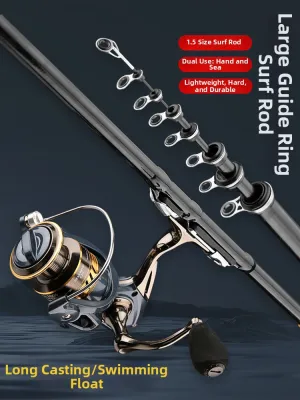
Prices are valid at publication and may change. Please refer to the product page for the latest price.
Rod power describes the rod’s overall lifting strength and its resistance to bending under a load. It is categorized on a scale from ultra-light to extra-heavy. For casting metal slice lures, which are inherently dense and heavy, you need a rod with enough backbone to launch the lure and control a fighting fish. If your rod power is too light, the blank will flex too deeply during the cast, limiting your distance and making it difficult to set the hook. Conversely, a rod that is too heavy will lack the sensitivity required to feel subtle strikes and may feel overly stiff and tiring to use.
Rod action, on the other hand, determines where the rod bends along its blank and how quickly it recovers to its straight position. Action ranges from slow to extra-fast. A fast-action rod bends primarily in the top third of the blank, while a moderate-action rod bends closer to the middle. For metal slice lures, a fast or moderate-fast action is highly advantageous. This quick taper allows you to work the lure with sharp, aggressive rips and jerks, transmitting your hand movements directly to the slice without delay.
Furthermore, the stiffness of a fast-action rod’s backbone is crucial for hook-setting efficiency. Pelagic species like batang have hard, bony mouths that require significant force to penetrate. When a fish strikes your fast-moving slice lure, a rod with a solid backbone ensures that the energy from your hookset is transferred instantly to the hook point, securing a solid connection before the fish can shake the lure free.
Matching Rod Power to Lure Weight and Target Fish
Before purchasing any rod, you must evaluate the weight of the metal slices you plan to cast and the size of your target species. Every fishing rod has its specifications printed directly on the blank, usually just above the reel seat. These markings indicate the recommended lure weight range and line class.

Always check the manufacturer’s lure weight rating to ensure it safely matches your metal slices. If you intend to cast slices weighing between 20 and 40 grams, your rod’s rated range must comfortably accommodate these weights. Operating near or beyond the maximum limit of the rod’s rating compromises casting distance and risks fracturing the graphite or fiberglass fibers within the blank during a high-velocity cast.
Selecting the right power rating also involves a trade-off based on your target environment. A medium-light or medium power rod is excellent for smaller coastal species, offering high sensitivity and making smaller fish exciting to catch. However, if you are targeting larger pelagics like batang in open water, a medium-heavy power rod is generally preferred. This heavier rating provides the necessary leverage to steer strong fish away from structures and handle the high-speed retrieves required to trigger strikes.
Additionally, you must verify the rod’s line weight rating, which is often expressed in PE ratings or pound-test limits. Matching your line strength to the rod’s specifications is a critical safety measure. If you spool your reel with a line that exceeds the rod’s maximum rating and lock down your drag, a sudden run by a large fish or a severe bottom snag can place more stress on the blank than it was designed to handle, resulting in a catastrophic rod failure.
Choosing the Right Rod Length for Casting Distance and Control
Rod length is a primary factor in determining how far you can cast your metal slice and how much control you have over the lure during the retrieve. The optimal length depends heavily on where you plan to fish and your physical comfort.
Longer rods, typically ranging from 9 to 11 feet, are the standard choice for shore-based anglers fishing from open surf beaches, rocky headlands, or long jetties. The extra length provides greater leverage, allowing you to generate higher tip speed during the cast. This extra speed translates directly into maximum casting distance, which is essential when predatory fish are feeding far from the shore. Additionally, a longer rod helps you keep your line clear of shore waves and sharp rocks during the retrieve.
In contrast, shorter rods, usually between 7 and 8 feet, are better suited for fishing from boats, kayaks, or confined shoreline areas with overhanging vegetation. Shorter blanks offer superior casting accuracy, allowing you to target specific structures or bait schools with precision. They also reduce physical fatigue during long sessions, as they require less physical effort to swing and manipulate. Furthermore, landing a fish next to a boat is significantly easier and safer with a shorter rod.
When selecting a rod length, you must also consider your own height and physical strength. A rod that is too long or poorly balanced can strain your wrists and shoulders, leading to improper casting technique and reduced control. When testing a rod, pay attention to its balance point when paired with a reel, ensuring the tip does not feel excessively heavy.
Step-by-Step Rod Selection Checklist for Beginners
Finding the right rod requires a systematic approach to ensure you invest in a durable, high-performing piece of equipment. Use this step-by-step checklist when evaluating your options.
First, conduct a thorough physical inspection of the rod. Examine the guide alignment by looking down the blank from the reel seat to the tip; the guides should form a perfectly straight line. Check the ceramic inserts inside each guide for chips or cracks, as damaged guides will quickly fray your braided line. Ensure the reel seat is sturdy, the locking nut moves smoothly, and there are no visible blemishes or deep scratches on the blank itself.
Second, match the rod with an appropriately sized spinning reel to create a balanced setup. For a medium or medium-heavy rod designed for metal slices, a reel size between 3000 and 5000 is typically ideal. Mount the reel onto the rod and hold the setup at the top of the grip. The balance point should lie close to your hand; an unbalanced setup will feel awkward and tire your arms quickly during repeated casting. Spool the reel with high-quality braided line that falls within the rod’s recommended line class.
Third, test the rod’s flex and recovery speed. If you are shopping in a physical store, ask a staff member to hold the tip gently while you apply light pressure to feel the bending curve and backbone. If you are purchasing from an online marketplace, carefully review the product specifications, customer feedback, and return policies. Ensure the seller offers a clear warranty or return policy in case the rod arrives damaged or does not meet your expectations upon inspection.
Common Beginner Mistakes and Equipment Safety Limits
To protect your investment and ensure a safe fishing experience, you must be aware of common mistakes that lead to equipment damage and learn how to recognize the physical limits of your gear.
One of the most frequent errors is overloading the rod blank. Beginners often assume that a rod rated for a maximum of 30 grams can safely cast a 40-gram metal slice if they cast gently. However, the sudden loading force of a cast can easily exceed the structural limits of the graphite, leading to an immediate snap. Always stay within the recommended weight range printed on the blank.
Another critical mistake is “high-sticking.” This occurs when you lift the rod past a 90-degree vertical angle relative to the ground, typically while trying to lift a fish out of the water or when pulling hard on a snagged lure. High-sticking forces the rod tip to bend at an extreme, unnatural angle, concentrating all the pressure on the thinnest part of the blank rather than distributing it down to the powerful butt section. This almost always results in a broken tip. Always use a net or lip grip to land fish, and keep the rod angle below 60 degrees when under heavy load.
Finally, establish clear stop conditions for your equipment. Before every trip, inspect your rod for signs of wear. If you detect visible cracks in the blank, loose or wobbling guides, or compromised epoxy wraps around the guide feet, stop using the rod immediately. Continuing to cast or fight fish with compromised gear can cause a sudden, dangerous failure. Consult the manufacturer or a qualified rod builder to assess and repair the damage before heading back to the water.
Frequently Asked Questions (FAQ)
Can I use a standard spinning rod for metal slice lures?
Yes, you can use a standard spinning rod for light, casual slice lure fishing near the shore, provided the lure weight falls within the rod’s rated capacity. However, standard general-purpose rods often lack the specialized guide design and backbone stiffness required for continuous, high-speed retrieves. Over time, casting heavy metal slices on a rod not designed for the task can cause excessive fatigue and may limit your casting distance and hook-setting efficiency.
What type of fishing line pairs best with a slice lure rod?
Braided line is highly recommended for metal slice lure fishing. Braid offers near-zero stretch, which provides maximum sensitivity to feel subtle strikes at long distances and ensures immediate hook penetration when targeting hard-mouthed fish like batang. Always pair your braided mainline with a high-quality fluorocarbon or monofilament leader. The leader acts as a shock absorber during powerful casts and sudden runs, protecting your rod blank from sudden spikes in tension.

Community discussion
Share your experience or ask a question. Comments are reviewed before publication.