
Selecting safe and reliable elastic bands with hooks for climbing gear requires a clear understanding of their auxiliary role. These bands, often referred to as bungee cords or gear ties, are designed strictly for organization and securing lightweight items, not for supporting human weight or arresting falls. To choose a reliable option, you must evaluate the structural integrity of the elastic core, the durability of the protective sheath, the security of the hook attachment, and the manufacturer’s specified load limits. Prioritizing verified quality indicators over generic marketing claims ensures your gear remains organized without introducing unnecessary hazards to your climbing setup.
Understanding the Role and Limits of Elastic Bands in Climbing
In any climbing environment, maintaining a clear distinction between life-support equipment and auxiliary organization tools is fundamental to safety. Elastic bands with hooks belong exclusively to the auxiliary category. They are designed to help you manage your pack, keep loose items from dangling, or bundle gear for transport. Under no circumstances should these elastic tools be integrated into your safety chain, anchoring systems, or belay setups.
Acceptable uses for these bands include securing lightweight items like water bottles, camp shoes, or jackets to the exterior of your pack. They are also highly effective for organizing quickdraws in your gear bin, keeping rope coils tidy during storage, or securing a camera case to a harness loop while hiking. In these scenarios, a failure of the band results only in the potential loss or drop of a non-critical item, rather than a catastrophic safety failure.
Products mentioned in this guide
![[Lifestylemart] Garter | Elastic Cord with 2 Hooks (Black)](https://img.lazcdn.com/g/p/fbf5caa45a328625d1bbb6edb628d562.png_400x400q80.png_.webp)
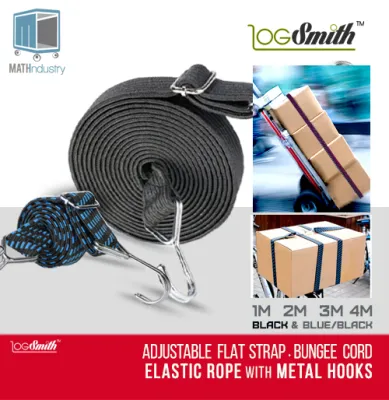
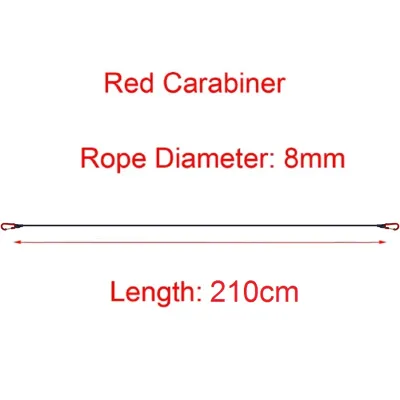
![Bungee Cord Strap With Hook Elastic Rope for Motorcycle Bicycle Luggage [Random Color]](https://img.lazcdn.com/g/p/9972ba5cd44bb877cb66970022e4d122.jpg_400x400q80.jpg_.webp)
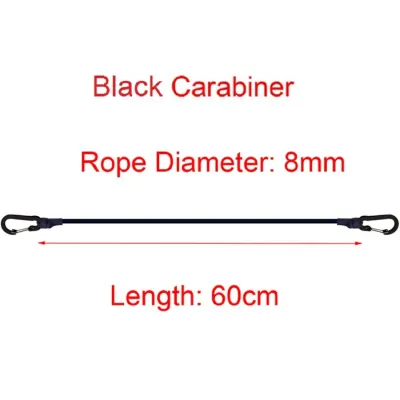
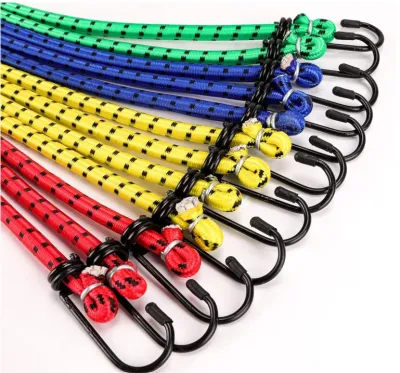
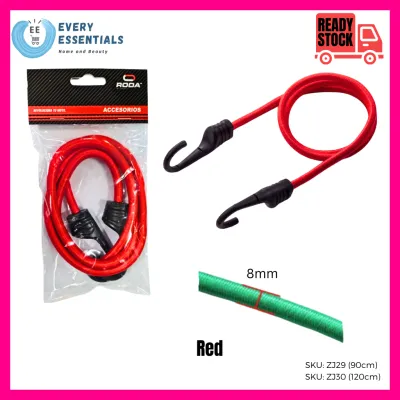
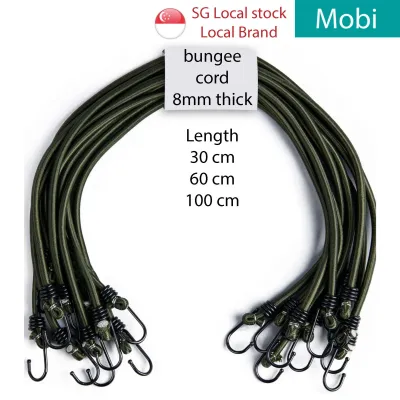
Prices are valid at publication and may change. Please refer to the product page for the latest price.
Conversely, you must strictly prohibit the use of elastic bands for any load-bearing, anchoring, belaying, or personal tethering applications. Elastic materials are inherently dynamic and prone to sudden failure under high tension, making them entirely unsuitable for holding human weight or securing critical safety gear. Relying on an elastic band to secure yourself to an anchor or to back up a climbing system introduces extreme risk.
It is vital to remember that no piece of equipment can replace proper climbing training, experience, and sound judgment. Before attaching any elastic accessory to your harness or pack, assess the consequences of its potential failure. If the failure of the band could lead to a fall, a dropped critical tool, or a compromised safety system, you must use certified climbing slings, locking carabiners, or dynamic accessory cords instead.
Key Safety Indicators and Quality Checks Before Purchase
When shopping for elastic bands with hooks, conducting a thorough physical inspection and verifying manufacturer specifications is essential for ensuring baseline reliability. Start by examining the hook materials and their gate mechanisms. High-quality hooks are typically constructed from corrosion-resistant metals, such as stainless steel or anodized aluminum, or heavy-duty molded polymers that do not degrade easily in outdoor environments. Ensure the hook tips are smooth, rounded, or coated to prevent them from scratching metal carabiners or tearing fabric gear loops. If the hook features a gate or keeper, test its action to ensure it closes securely and does not easily slip open under lateral pressure.

Next, evaluate the construction of the elastic cord itself, focusing on the outer sheath and the inner core. The outer sheath should feature a tight, high-density weave of abrasion-resistant fibers, such as nylon or polyester, which protects the inner elastic core from friction, sharp rock edges, and dirt. Squeeze the cord along its length to check for uniform tension; any soft spots, lumps, or sudden changes in thickness indicate internal damage or poor manufacturing quality. The inner core, usually made of multiple strands of natural latex or synthetic rubber, should provide consistent resistance when stretched, without making cracking or popping sounds that suggest dry rot or broken strands.
A critical step in verifying reliability is checking for a clearly stated Working Load Limit (WLL) or maximum capacity on the product label, packaging, or manufacturer manual. Reputable manufacturers of outdoor gear provide these specifications to guide safe usage, whereas generic or low-quality products often omit load ratings entirely. Avoid purchasing any elastic band that lacks clear capacity guidelines, as using an unrated band increases the risk of unexpected failure under normal tension.
Finally, look for manufacturer-provided safety certifications or quality management standards, such as ISO compliance, rather than relying on vague marketing claims like ‘heavy-duty’ or ‘climbing-grade.’ True climbing-grade equipment is certified by organizations like the UIAA or CE, but because auxiliary elastic bands are not life-support gear, they rarely carry these specific certifications. Instead, look for manufacturers that specialize in outdoor and climbing gear, as they are more likely to apply rigorous quality control and testing protocols to their auxiliary accessories than generic hardware brands.
Matching Specifications to Your Climbing Environment and Gear
Selecting the right elastic band requires matching its length, elasticity, and hook design to your specific climbing environment and the gear you intend to secure. Choosing the correct length is crucial for preventing dangerous snap-back effects. If a band is too short, you will be forced to stretch it near its maximum limit, which places excessive stress on the hooks and the elastic core, increasing the likelihood of a sudden release. Conversely, a band that is too long will not provide sufficient tension to keep your gear secure, allowing items to shift or fall out of place.
Environmental factors also play a significant role in how these materials perform over time. If you climb in high-altitude environments, coastal areas, or wet climates, you must review the manufacturer’s guidelines for UV degradation, moisture exposure, and temperature resistance. Prolonged exposure to sunlight can rapidly degrade untreated elastic fibers, while moisture can cause certain metal hooks to rust or weaken synthetic sheaths. For winter climbing or alpine environments, verify that the elastic core remains flexible in freezing temperatures, as some synthetic rubbers stiffen and lose their elasticity when exposed to extreme cold.
Additionally, ensure the hook shapes and sizes are fully compatible with your existing gear. The hooks should fit securely over your pack’s daisy chains, gear loops, or accessory rings without forcing or bending. Avoid using oversized or sharp-edged hooks that could snag on your harness webbing, scratch critical load-bearing carabiners, or damage the protective sheath of your climbing ropes. A well-matched hook should slide on and off smoothly while remaining securely in place when tension is applied.
Pre-Use Inspection, Maintenance, and Retirement Criteria
Establishing a routine safety check protocol is essential for maintaining the reliability of your auxiliary gear. Before every climbing trip, perform a visual and tactile inspection of each elastic band. Run your fingers along the entire length of the cord to feel for any internal bunching, thinning, or breaks in the elastic core. Visually inspect the outer sheath for signs of fraying, fuzzy patches, discoloration from UV exposure, or cuts. Check the hooks for any signs of bending, cracking, rust, or loose attachment points where the cord meets the hook.
Proper maintenance can significantly extend the lifespan of your elastic bands. After climbing in dusty, muddy, or salty environments, clean the bands according to the manufacturer’s instructions. This typically involves washing them by hand with mild soap and lukewarm water, avoiding harsh chemical detergents or solvents that can degrade the elastic fibers or strip protective coatings from the hooks. Allow the bands to air dry completely in a shaded, well-ventilated area before storing them; never expose them to direct heat sources or leave them in direct sunlight to dry, as this accelerates material breakdown.
Knowing when to retire an elastic band is critical for preventing gear loss or minor accidents on the trail. You must immediately retire any band that has been subjected to an unexpected shock load, even if there is no visible damage, as the internal elastic strands may have snapped. Other immediate retirement triggers include chemical spills (such as exposure to insect repellent, fuel, or battery acid), visible structural deformation of the hooks, a permanent loss of elasticity where the cord remains stretched out, or any exposure of the inner elastic core through a damaged outer sheath. When in doubt, it is always safer to replace the band than to risk a failure in the field.
Frequently Asked Questions (FAQ)
Can I use an elastic band with a hook as a personal anchor or for load-bearing?
No, you must never use an elastic band with a hook for personal anchoring, belaying, or any load-bearing application. These bands are designed solely for lightweight gear organization and securing non-critical items. They lack the strength, energy-absorption capabilities, and safety certifications required for life-support systems. For any load-bearing needs, always use certified climbing equipment such as climbing slings, personal anchor systems, or dynamic ropes that meet UIAA or CE safety standards.
How often should I replace my climbing elastic bands?
There is no fixed time schedule for replacing auxiliary elastic bands, as their lifespan depends heavily on usage frequency, environmental exposure, and care. Instead of relying on a calendar date, use a condition-based framework to determine replacement. Inspect your bands regularly and replace them immediately if you notice permanent stretching, sheath fraying, core damage, or compromised hook gates. Even with minimal use, elastic materials naturally degrade over several years, so replacing them when they show signs of stiffness or reduced elasticity is highly recommended.

Community discussion
Share your experience or ask a question. Comments are reviewed before publication.