
Selecting the ideal 3kg dumbbell for your home workouts in Singapore involves balancing material durability, grip ergonomics, and space efficiency. While a 3kg weight might seem straightforward, the construction of the dumbbell directly impacts your safety, workout comfort, and floor preservation. By evaluating how different coatings perform under humid tropical conditions and understanding the structural differences between fixed and adjustable designs, you can make an informed investment that supports your long-term fitness goals.
Why Choose 3kg Dumbbells for Your Home Gym
A 3kg dumbbell serves as an excellent entry point and utility tool for a wide range of home fitness enthusiasts. For beginners, this weight provides enough resistance to learn proper form without overloading joints or risking injury. It is also a standard weight used in physical therapy and rehabilitation, helping individuals rebuild strength in stabilizing muscles after shoulder, elbow, or wrist injuries. Older adults frequently utilize this weight class to maintain functional mobility, bone density, and joint health without putting excessive strain on their cardiovascular system.
In terms of exercise variety, 3kg dumbbells excel in high-repetition muscular endurance training and aerobic conditioning. They are ideal for isolating smaller muscle groups, such as the lateral and rear deltoids, where using excessively heavy weights often leads to compensatory movements and poor form. Incorporating these light weights into dynamic workouts like shadow boxing, barre, or Pilates adds a challenging layer of resistance that elevates the heart rate and enhances muscular endurance.
Products mentioned in this guide
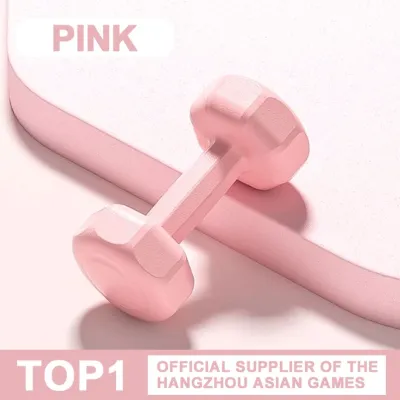
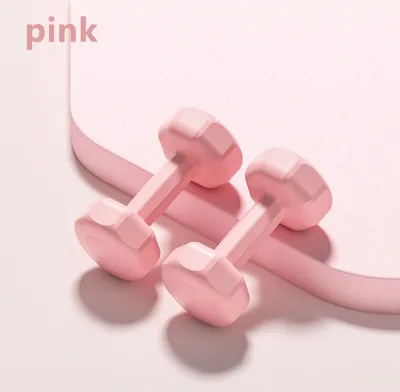
![[SG Stock]Neoprene Dumbbell Weight Strength Training Neoprene Dumbell Set 1kg 2kg 3kg suitable for home and gym exercise](https://img.lazcdn.com/g/p/15509c2888b8e8dae4efd080518cd81f.png_400x400q80.png_.webp)
![[SG in Stock]Dumbbell for Weight Strength Training Neoprene Dumbell Set 1kg 2kg 3kg Suitable For Home And Gym Exercise](https://img.lazcdn.com/g/p/7d8c29df8dc2348f95309f9dc80d8aa1.jpg_400x400q80.jpg_.webp)
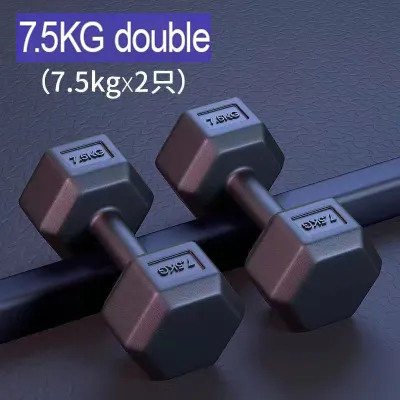
![[SG Ready Stock] Fitness Dumbbells Home Strength Training 1Kg/2Kg/3Kg Rubber dumbbells for girls](https://img.lazcdn.com/g/p/b5448cb7529e30685827c3c56a9552b7.jpg_400x400q80.jpg_.webp)
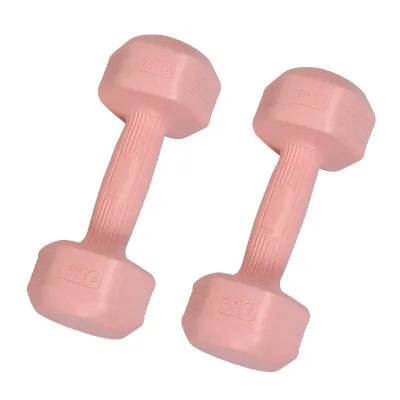
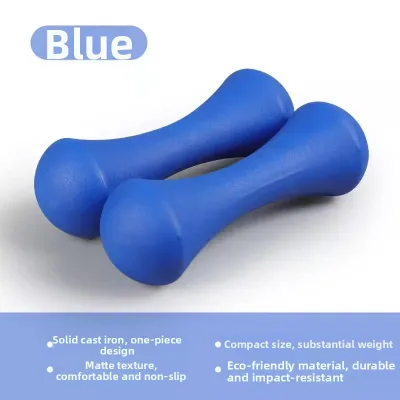
Prices are valid at publication and may change. Please refer to the product page for the latest price.
Knowing when to progress from a 3kg dumbbell is crucial for continuous fitness development. If you can complete more than 15 to 20 repetitions of an exercise with perfect form and feel minimal muscle fatigue, your body has likely adapted to the load. Other indicators include a lack of physical challenge during the final repetitions of a set or the ability to move the weight rapidly without any loss of control. When these signs appear, transitioning to a heavier weight or increasing the complexity of the movement is necessary to continue stimulating muscle growth and strength gains.
Key Features to Evaluate When Buying 3kg Dumbbells
The material and outer coating of a dumbbell determine its longevity and how well it protects your home environment. Cast iron dumbbells are incredibly durable but can easily scratch or crack tiled and vinyl flooring common in Singapore apartments if dropped. Neoprene-coated dumbbells offer a soft, textured exterior that provides an excellent grip even when your hands are sweaty, making them highly popular for dynamic cardio-sculpt workouts. Rubber-coated options are excellent for dampening noise and protecting floors, but lower-quality rubber can emit a strong, persistent chemical odor upon unboxing. Polyurethane coatings represent a premium alternative, offering extreme durability and zero odor, though they generally carry a higher price point.

Handle design is another critical factor that directly influences your grip strength and wrist comfort during high-repetition sets. Metal handles often feature knurling, which is a cross-hatched pattern cut into the steel to improve traction; look for a medium or light knurling pattern that provides secure grip without tearing your skin. Ergonomic handles are contoured to match the natural curve of your palm, distributing pressure more evenly and reducing localized strain on your wrists. Additionally, pay attention to the handle diameter, as handles that are too thick can cause your forearm muscles to fatigue before your target muscle groups are fully worked.
The physical shape of the dumbbell head plays a major role in home safety and storage convenience. Hexagonal dumbbells feature flat sides that prevent them from rolling across the floor when set down, which is a vital safety feature if you train on slightly uneven surfaces or have pets and young children around. This flat-sided design also allows you to perform floor-based exercises, such as dumbbell push-ups or renegade rows, with a stable base. Round dumbbells, while classic and comfortable for certain movements, require a dedicated storage rack or a flat surface with stoppers to prevent them from rolling and causing accidental damage or injury.
Fixed vs. Adjustable Dumbbells: Which Setup Suits You?
Deciding between fixed-weight pairs and adjustable dumbbell systems depends heavily on your available space, budget, and long-term fitness aspirations. Fixed 3kg dumbbells offer the advantage of immediate readiness; there are no collars to tighten or dials to turn, allowing you to transition quickly between exercises during fast-paced circuit training. Because they are constructed as a single solid piece, they offer superior structural integrity and eliminate any anxiety about loose plates shifting mid-exercise. The primary drawback is their static nature; as you get stronger, you will need to purchase additional pairs, which eventually require a dedicated rack and take up valuable floor space in smaller living areas.
Adjustable dumbbell systems, on the other hand, provide a highly versatile and space-saving solution by consolidating multiple weight increments into a single pair. Many adjustable sets can be configured to a 3kg setting, allowing you to start light and gradually increase the resistance as your strength improves. When evaluating adjustable options, it is essential to inspect the locking mechanisms carefully. Spinlock collars must thread securely onto the bar to prevent plates from wobbling, while dial-based selectorized systems require robust internal gears to ensure the plates remain locked in place during overhead movements. You should also verify that the system’s minimum weight increment is low enough to allow for a precise 3kg configuration.
To determine the best financial option, evaluate the cost-per-kilogram value of each setup. A single pair of fixed 3kg dumbbells represents a low upfront investment, making it the ideal choice if you only plan to use this specific weight for targeted exercises or rehabilitation. However, if you intend to progress through a full strength-training program, buying individual pairs of 5kg, 7.5kg, and 10kg dumbbells sequentially will quickly surpass the cost of a single, entry-level adjustable dumbbell set. Calculating your projected equipment needs over the next twelve to eighteen months will help you decide whether the immediate savings of a fixed pair outweigh the long-term economy of an adjustable system.
Where to Buy and What to Verify Before Checkout
When purchasing dumbbells from local sports retailers or online marketplaces in Singapore, careful pre-checkout verification can save you from receiving substandard equipment. Start by checking the product descriptions for weight tolerance specifications. High-quality manufacturers typically guarantee that the actual weight of the dumbbell is within 1% to 3% of the nominal 3kg rating, whereas cheaper, unbranded weights can sometimes deviate by several hundred grams, leading to uneven resistance between your left and right sides. Additionally, look for safety certifications regarding the chemical composition of the coatings, ensuring they are free from harmful phthalates and heavy metals.
Reviewing the seller’s return and exchange policies is a crucial step before finalizing your purchase. Because dumbbells are heavy and subject to rough handling during transit, they can occasionally arrive with chipped coatings, bent handles, or loose internal weights. A robust return policy allows you to exchange products that exhibit manufacturing defects or severe grip flaws, such as sharp metal burrs on the knurling. It also provides a safety net if you receive a rubber-coated dumbbell with an overwhelming chemical odor that fails to dissipate after a week of airing out in a well-ventilated space.
Finally, pay close attention to delivery options and potential shipping surcharges. Because fitness equipment is heavy, standard flat-rate shipping may not apply, or sellers might add significant weight-based surcharges at checkout. Compare the total cost of the dumbbells, including all delivery fees, across different platforms to find the true price in S$. In some cases, purchasing from a local physical retailer that offers free click-and-collect services can be more cost-effective and allows you to inspect the dumbbells in person before taking them home.
Frequently Asked Questions (FAQ)
Is a 3kg dumbbell heavy enough to build muscle?
While high-repetition training with 3kg dumbbells primarily builds muscular endurance, it can stimulate muscle growth under specific conditions. For beginners, individuals returning from a long break, or when targeting small, easily fatigued muscle groups like the rear deltoids and rotator cuffs, 3kg provides sufficient resistance to trigger muscle protein synthesis. To stimulate growth, you must perform exercises with high repetitions and focus on taking each set close to muscular failure while maintaining strict form.
How do I clean and maintain rubber-coated dumbbells?
To prolong the lifespan of coated dumbbells, wipe them down after every workout with a damp microfiber cloth and a mild, diluted dish soap. Avoid using harsh chemical solvents, bleach, or abrasive scrubbing brushes, as these can degrade the protective coating. Store them away from direct sunlight and high-humidity areas to prevent the rubber or neoprene from cracking, fading, or developing a sticky texture over time.
Can I use 3kg dumbbells for full-body workouts?
Yes, 3kg dumbbells are highly versatile for full-body workouts, especially when integrated into compound movements like goblet squats, lunges with bicep curls, or thrusters. They are also excellent for adding light resistance to dynamic movements like shadow boxing or lateral raises. However, for large muscle groups like the chest, back, and glutes, 3kg may eventually become too light to provide progressive overload, requiring you to transition to bodyweight progressions or heavier resistance.

Community discussion
Share your experience or ask a question. Comments are reviewed before publication.