
Selecting the ideal 5kg kettlebell in Singapore requires balancing your personal fitness goals with the practical realities of your living space. In a market filled with various materials, coatings, and handle shapes, the most suitable choice is not a single universal product but rather the one that matches your hand size, training style, and floor protection needs. Whether you are setting up a compact workout corner in a high-density apartment or adding to a dedicated home gym, understanding the structural differences between kettlebell types ensures a safe, effective, and long-lasting investment.
Assessing If a 5kg Kettlebell Fits Your Current Fitness Level
Assessing whether a 5kg kettlebell aligns with your current physical capabilities is the essential first step before making a purchase. For many individuals, a five-kilogram weight serves as an excellent entry point into resistance training, offering enough load to teach foundational movement patterns without overwhelming the joints. Beginners who are transitioning from bodyweight exercises to weighted workouts will find this weight manageable yet effective for learning the mechanics of the hip hinge, squat, and overhead press. It provides a safe margin of error as you develop the neuromuscular coordination required for more complex ballistic movements.
Beyond absolute beginners, a 5kg kettlebell is highly valuable for targeted injury rehabilitation and physical therapy. When recovering from shoulder, elbow, or lower back injuries, rebuilding stability and mobility requires precise, controlled resistance. A lighter kettlebell allows you to perform rotator cuff exercises, overhead carries, and gentle mobility drills without triggering inflammatory responses or overloading healing tissues. Under professional guidance, this weight helps restore joint tracking and muscle activation patterns before you progress back to heavier compound lifts.
Products mentioned in this guide
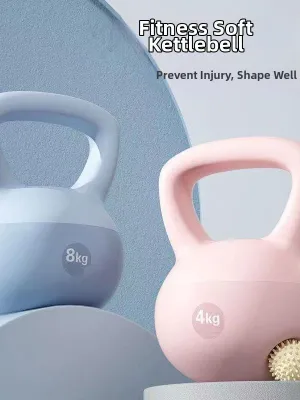
![【SG Seller】1 PCS Kettlebell Quality Solid Fitness Household Dumbbell Lifting 5KG [Fast Shipping]](https://img.lazcdn.com/g/p/0607b799c91e1b5fa6bea9c4d83e7018.png_400x400q80.png_.webp)
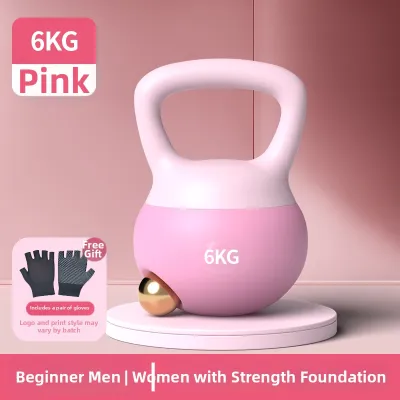
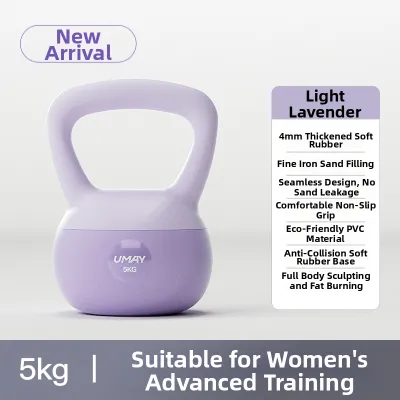
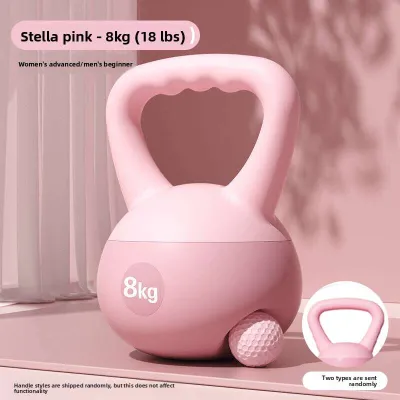
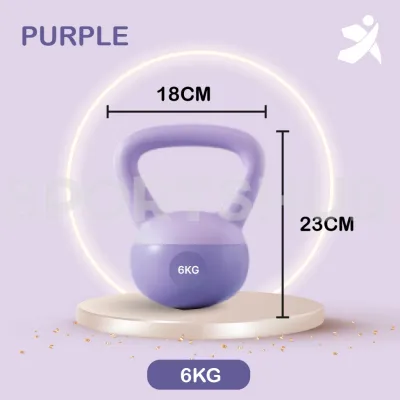
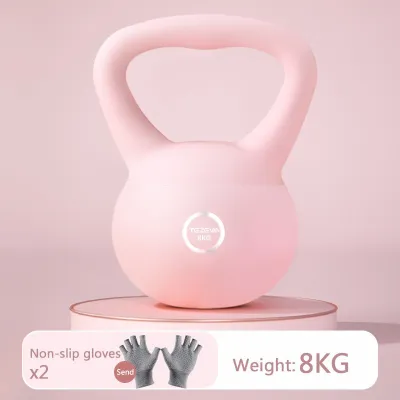
Prices are valid at publication and may change. Please refer to the product page for the latest price.
Even for advanced lifters, a 5kg kettlebell remains a versatile tool in a well-rounded fitness regimen. Experienced athletes frequently utilize lighter weights for high-repetition endurance protocols, active recovery sessions, and complex mobility flows that demand continuous movement. Exercises like the Turkish get-up, windmills, and halo rotations require exceptional shoulder stability and core integration; performing these movements with a 5kg bell challenges your stabilizer muscles and highlights any underlying movement compensations without the risk associated with heavier loads.
To maximize the utility of this weight, focus on movement patterns that leverage its unique offset center of gravity. Exercises such as the goblet squat, single-arm overhead press, tactical lunges, and halos are exceptionally well-suited for a 5kg load. These movements emphasize core bracing, balance, and rotational strength. However, if your primary goal is to develop explosive lower-body power through double-arm swings or heavy deadlifts, you may find that a 5kg bell quickly becomes too light to stimulate adaptation. If you can perform more than twenty-five clean, explosive swings with perfect form without feeling muscular fatigue, it is a clear indicator that you should consider upgrading to a heavier weight or using the 5kg bell strictly for upper-body and mobility work.
Key Features to Evaluate When Comparing 5kg Kettlebells
When comparing different 5kg kettlebells, evaluating their physical and structural characteristics is crucial to ensuring a comfortable and safe workout experience. The material and coating of the kettlebell directly influence its durability, grip quality, and suitability for home environments. Bare cast iron kettlebells offer a classic, rugged feel and a highly reliable grip when paired with gym chalk, but they require diligent maintenance to prevent rust. Powder-coated finishes are widely considered an excellent middle ground, providing a textured surface that holds chalk exceptionally well while offering superior resistance to sweat-induced corrosion.

For those working out in shared residential spaces, vinyl-dipped or rubber-coated kettlebells present a practical alternative. These protective outer layers help cushion the impact when the weight is set down, significantly reducing the clanging noise that can disturb family members or downstairs neighbors. However, users should be aware that low-quality vinyl or rubber coatings can sometimes emit a strong chemical odor initially and may become slippery when coated in sweat. If you opt for a coated kettlebell, look for high-grade, medical-grade rubber or neoprene wraps that maintain a secure grip even during high-intensity, sweaty sessions.
Handle geometry is another critical factor that varies significantly across different brands and manufacturing styles. At a weight of 5kg, the handle diameter is typically thinner than that of heavier bells, often ranging between 28mm and 30mm. A handle that is too thin can cause hand cramping during prolonged use, while an excessively thick handle can prematurely fatigue your grip. Additionally, the window size—the open space between the handle and the bell body—must be wide enough to accommodate your hand comfortably without pinching your wrist during cleans, presses, or snatches. Inspecting the underside of the handle for rough casting seams or burrs is essential, as these imperfections can easily cause blisters or tears on your palms.
The base design of the kettlebell determines its stability during storage and floor-based exercises. A machined, perfectly flat bottom is vital for preventing the kettlebell from tipping over when placed on the floor. While a 5kg kettlebell is generally too light and unstable for advanced floor work like renegade rows, a stable base is still necessary to prevent the weight from rolling and causing damage to your home. Some modern designs incorporate integrated rubber base pads, which offer an extra layer of protection for delicate flooring materials.
Finally, consider the physical size and density of the kettlebell. Standard cast iron kettlebells scale in size with their weight, meaning a 5kg bell is physically quite small. While this compact footprint makes storage incredibly easy, the small body can sometimes rest awkwardly against the wrist bone during overhead or rack positions. In contrast, competition-style kettlebells maintain a uniform external dimension regardless of their weight. A 5kg competition bell is made of steel with a hollow core, providing a much larger surface area that distributes the weight more comfortably across your forearm, though it will occupy more physical space in your home gym setup.
Matching the Kettlebell Design to Your Training Style
Matching the design of your kettlebell to your primary training style is essential for optimizing your movement mechanics and preventing injury. If your fitness routine is centered around Hardstyle training, which emphasizes explosive power, maximum muscular tension, and low-to-moderate repetitions, a standard cast iron kettlebell with a powder-coated finish is highly recommended. The classic design of these bells features a slightly curved handle that facilitates quick grip transitions and allows the center of gravity to shift dynamically during ballistic movements like swings, cleans, and snatches, forcing your core stabilizers to work harder to maintain balance.
For individuals interested in Kettlebell Sport, also known as Girevoy Sport, the requirements are highly specific. This discipline focuses on sub-maximal, high-repetition endurance sets of jerks, snatches, and long cycles lasting up to ten minutes without setting the weight down. To excel in this style, you should invest in a competition-style steel kettlebell. The uniform dimensions of competition bells ensure that your lifting technique remains identical as you progress to heavier weights. Furthermore, the bare, unpainted steel handles of competition bells are designed to be exceptionally smooth, allowing the bell to rotate freely within your hand to minimize friction and prevent painful skin tears during high-volume training.
If your workouts primarily consist of general fitness, high-intensity interval training (HIIT), or cardiovascular conditioning, your priorities will likely lean toward convenience, safety, and floor protection. In these scenarios, vinyl-dipped or neoprene-wrapped kettlebells are often the most practical choice. These coated options are designed to withstand the rapid, dynamic movements of cardio-centric workouts where the kettlebell might frequently come into contact with the floor or other equipment. The colorful coatings also make it easy to identify weights quickly during fast-paced circuit training, and the smooth, non-porous surfaces are incredibly easy to sanitize after a high-sweat session.
Navigating Retail Options and Pre-Purchase Checks in Singapore
Navigating the retail landscape in Singapore requires a strategic approach to ensure you receive a high-quality product that meets your expectations. Specialty fitness equipment retailers and dedicated sports goods stores are excellent places to start, as they often allow you to visit a physical showroom to test the grip, handle clearance, and overall feel of different kettlebells before committing to a purchase. If you prefer the convenience of shopping online through brand official stores or reputable fitness distributors, pay close attention to their return policies and warranty terms, as shipping heavy iron weights back for an exchange can be costly if you receive a defective item.
When your kettlebell is delivered, performing a thorough receiving inspection is highly recommended to verify its quality and safety. First, check the weight tolerance using a reliable digital scale; while minor variances are common, a high-quality kettlebell should weigh within one to two percent of its nominal 5kg rating. Next, carefully run your hands along the entire surface of the handle to check for any sharp casting seams, metal burrs, or uneven coating applications that could compromise your grip or cause hand injuries. Finally, place the kettlebell on a completely flat, level surface and gently push it from different angles to ensure the base is perfectly flat and does not wobble.
Spatial planning is another crucial consideration when integrating a kettlebell into your Singapore home. Although a single 5kg kettlebell occupies very little physical space, the dynamic nature of kettlebell exercises requires a generous safety clearance. Ensure you have a clear, unobstructed workout area of at least two meters by two meters, free from low-hanging light fixtures, furniture, or fragile decor. This safety zone prevents accidental collisions during explosive movements like swings or snatches, protecting both your household belongings and ensuring the safety of other occupants in your home.
Maintaining Your Kettlebell and Protecting Your Floors
Proper maintenance and floor protection are essential for preserving the lifespan of your kettlebell and safeguarding your residential property. Singapore’s tropical climate is characterized by high relative humidity, which can rapidly accelerate the oxidation and rusting of exposed metal surfaces. To protect bare cast iron or powder-coated kettlebells, establish a routine of wiping down the entire weight with a dry microfiber cloth immediately after every workout to remove sweat and hand oils. For long-term rust prevention, apply a very thin layer of mineral oil or 3-in-1 oil to any exposed metal parts every few months, and store your equipment in a dry, climate-controlled indoor environment rather than an open balcony or damp utility yard.
Protecting your flooring is equally important, especially in high-density apartments where ceramic tiles, engineered wood, or vinyl floors can easily crack or dent under the impact of a dropped weight. Even a relatively light 5kg kettlebell can cause significant structural damage if it slips from your grip during a dynamic exercise. To mitigate this risk, always perform your workouts on a high-density rubber gym mat that is at least six to ten millimeters thick. These specialized mats are designed to absorb impact energy, distribute weight evenly, and dampen the acoustic vibrations of your workouts, ensuring your home remains undamaged and your training sessions do not disturb your neighbors.
Frequently Asked Questions (FAQ)
Is a 5kg kettlebell too light for building muscle?
While a 5kg kettlebell is generally too light to stimulate maximal strength or significant muscle hypertrophy in large muscle groups like the glutes and quadriceps, it can still be highly effective for building muscle in smaller, stabilizing muscle groups. By utilizing high-repetition sets, focusing on unilateral movements like single-arm overhead presses, and increasing your time under tension, you can create sufficient metabolic stress to promote muscular endurance and tone. For compound lower-body exercises, however, you will eventually need to progress to heavier weights to continue driving muscle growth.
What is the difference between a standard cast iron and a competition kettlebell?
The primary difference lies in their dimensions and manufacturing standards. Standard cast iron kettlebells increase in physical size as they get heavier, meaning a 5kg cast iron bell is quite small and features a thinner handle. In contrast, competition kettlebells maintain a uniform external size, handle diameter, and shape across all weight increments, from 8kg (and sometimes specialized 5kg steel bells) up to 32kg and beyond. This uniformity allows lifters to maintain consistent technique and forearm contact points as they progress to heavier weights, whereas standard bells require adjusting your grip and rack position for every new weight level.
Can I use a 5kg kettlebell for two-handed swings?
Using a 5kg kettlebell for two-handed swings can be challenging due to the physical limitations of its handle width. Because standard 5kg cast iron kettlebells are physically small, their handles are often too narrow to accommodate both hands comfortably, leading to crowded fingers and compromised shoulder alignment. If you find that your hands do not fit side-by-side on the handle, it is highly recommended to perform single-arm swings instead, or transition to alternative hip-hinge exercises like single-leg deadlifts to ensure proper form and joint safety.

Community discussion
Share your experience or ask a question. Comments are reviewed before publication.