
The ideal ankle wrap depends entirely on the biomechanical demands of your specific activity. While a runner requires lightweight compression that preserves natural stride mechanics, a basketball player needs robust lateral support to prevent inversion during jumps, and a weightlifter requires joint stability that still permits deep ankle flexion. Selecting the wrong type of support can hinder your athletic performance and increase the risk of discomfort or secondary strain. To make an informed decision, you must evaluate the critical features, materials, and support levels of an ankle wrap to match your sport, ensuring both comfort and optimal performance.
Understanding Ankle Wrap Support Levels and Materials
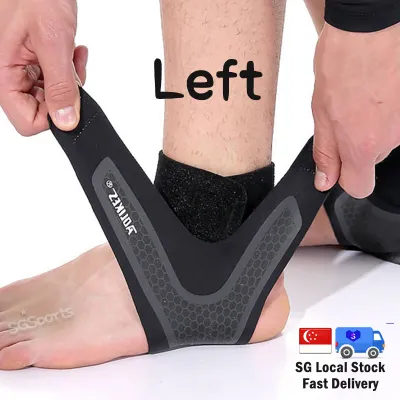
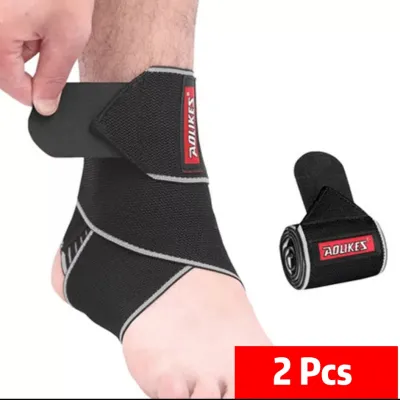
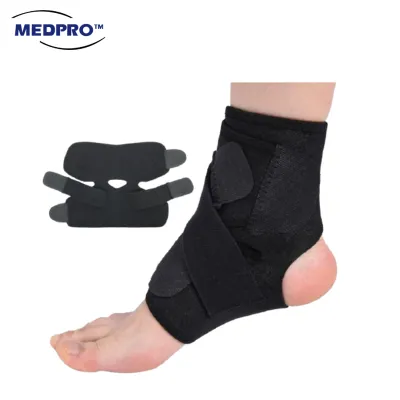
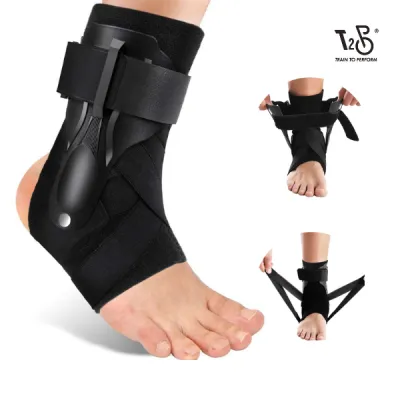
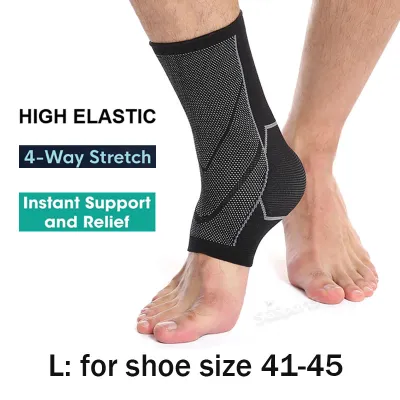
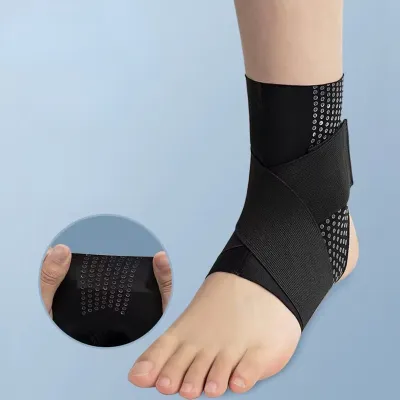
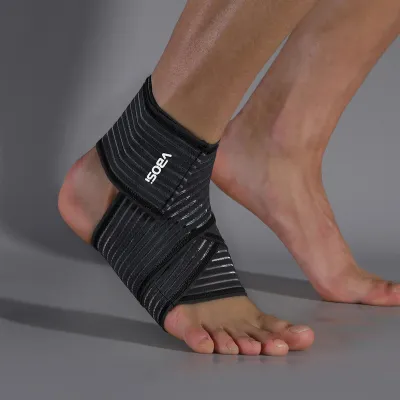
Evaluating an ankle wrap begins with understanding how different designs and materials influence both stability and comfort. Supportive gear generally falls into three structural categories: compression sleeves, lace-up braces, and wrap-around or figure-eight strap designs. Compression sleeves offer mild, flexible support that promotes blood flow and joint awareness without restricting movement. Lace-up braces provide maximum rigidity, mimicking athletic taping to lock the heel in place. Wrap-around or figure-eight straps offer a customizable middle ground, allowing you to adjust tension across specific areas of the foot and ankle.
Material composition directly impacts how a wrap performs under different environmental conditions. Neoprene is highly durable and retains heat, which can help keep joints warm, but it lacks breathability and can trap sweat in warm, humid climates. Nylon and polyester blends are lightweight, highly breathable, and dry quickly, making them excellent for high-sweat activities. Elastic fabrics offer high stretch and comfort but may lose their shape and supportive tension over time with frequent washing.
Products mentioned in this guide
Prices are valid at publication and may change. Please refer to the product page for the latest price.
When reading product packaging, manufacturer support levels—typically categorized as mild, moderate, or maximum—serve as a helpful guide. Mild support is best for minor soreness, swelling management, or daily wear. Moderate support, often featuring adjustable straps, is suited for active sports where you need extra stability without complete immobilization. Maximum support wraps, which frequently incorporate rigid plastic or metal side stays alongside lace-up systems, are designed for recovering from moderate-to-severe sprains or preventing chronic instability during high-impact activities.
Running: Prioritizing Lightweight Compression and Mobility
For runners, the primary goal of an ankle wrap is to provide mild, reassuring compression and manage minor swelling without altering natural gait mechanics. Because running involves thousands of repetitive linear strides, any excess bulk or rigid structure can cause friction inside your running shoes, leading to painful blisters or hot spots. A low-profile, sleeve-style wrap is highly recommended for this activity, as it slips easily into standard trainers without requiring you to adjust your shoe size.

Moisture management is a critical factor for runners, especially when training in hot and humid conditions. Sweat accumulation inside a non-breathable wrap can cause skin maceration, chafing, and unpleasant odors over long distances. Look for wraps made from advanced moisture-wicking synthetic blends that pull sweat away from the skin and dry rapidly. Seamless construction along the heel and arch is also beneficial, as it minimizes the risk of seam-related friction against your running socks.
Rigid side stays, plastic inserts, or bulky adjustable straps are generally unsuitable for running. These structural elements are designed to restrict lateral movement, which is rarely a primary concern in linear running. Forcing your ankle into a rigid path can cause compensatory strain in your knees or hips, as your body attempts to find alternative ways to absorb impact. Unless you are recovering from a specific lateral injury under professional guidance, stick to flexible, elasticized sleeves that move with your foot.
Basketball: Maximizing Lateral Support and Impact Protection
Basketball demands explosive vertical jumps, rapid lateral cuts, and sudden deceleration, all of which place immense stress on the ankle joint. The most common mechanism of ankle injury on the court is inversion, where the foot rolls inward under the weight of a landing or sudden change of direction. To counter these forces, basketball players require maximum lateral stability, which is best delivered by figure-eight strap configurations or structured lace-up designs.
A figure-eight strap mimics professional athletic taping by wrapping around the ankle, under the arch, and back up to lock the heel in place. This design actively resists the rolling motion of the ankle while still allowing the forward and backward flexing needed for running and jumping. When choosing a wrap for basketball, consider how it fits within your footwear. High-support wraps can be bulky, sometimes requiring you to loosen your basketball shoes significantly or even wear a slightly larger shoe size to accommodate the brace comfortably.
Before stepping onto the court, perform a physical check to ensure the wrap is securely anchored. Walk, jog, and perform a few light lateral hops to verify that the wrap does not slip, bunch up at the heel, or slide down your calf. If the wrap shifts during these basic movements, it will not provide reliable protection during high-intensity play. Ensure the straps are tensioned evenly to avoid creating localized pressure points that could restrict circulation or cause discomfort during a game.
Weightlifting: Balancing Joint Stability and Dorsiflexion
In weightlifting, the ankle must withstand heavy axial loads while maintaining a stable foundation. However, unlike basketball, weightlifting does not require lateral agility; instead, it demands excellent sagittal mobility, specifically ankle dorsiflexion. Dorsiflexion is the ability to bend your ankle so that your shins can move forward over your toes, which is essential for achieving deep, upright squats, clean catches, and snatch positions.
The ideal wrap for weightlifting is typically a thick neoprene sleeve or a stiff canvas wrap. Neoprene retains joint warmth, which helps keep the synovial fluid in the joint warm and mobile, while providing strong compressive feedback that enhances your proprioception—your body’s awareness of its position in space. This sensory feedback helps you maintain proper foot alignment and balance under heavy barbells.
Avoid rigid, hinged braces or wraps with stiff plastic side stays for weightlifting. These designs block the very dorsiflexion you need to hit depth in a squat. If your ankle movement is restricted by a rigid brace, your body will compensate by lifting your heels off the floor or rounding your lower back, both of which compromise lifting safety and performance. Test your wrap by performing an unweighted deep squat; if you feel a hard block at the front of your ankle or find yourself leaning excessively forward, the wrap is too restrictive for lifting.
Cross-Sport Compatibility: Can One Wrap Do It All?
While it is tempting to purchase a single ‘multi-sport’ ankle wrap to save money, doing so usually requires significant performance compromises. A highly supportive, rigid brace designed for basketball will be far too bulky and restrictive for a long-distance run, likely causing blisters and altering your stride. Conversely, a lightweight compression sleeve suited for running will fail to provide the lateral stability needed to protect your ankles during a high-intensity basketball game.
You can identify when a wrap is failing to meet the demands of a new activity through clear, observable signs. If you wear a running sleeve to play basketball and still feel your ankle shifting or rolling on lateral cuts, the support is insufficient. If you wear a structured lifting wrap for a run and experience shin splints, knee pain, or chafing, the wrap is restricting your natural movement too much.
If you participate in multiple sports at a high intensity or have a history of ankle injuries, investing in sport-specific gear is highly recommended. For casual, low-intensity activities, a highly adjustable wrap-around strap can offer a middle ground, allowing you to tighten it for lateral support or loosen it for linear mobility. However, always prioritize the specific mechanical demands of your primary activity to ensure safety.
Sizing, Fit, and Safety Checks
An improperly fitted ankle wrap can be counterproductive, either failing to provide support or causing secondary issues like restricted blood flow. To find the correct size, always measure your ankle and foot according to the manufacturer’s specific sizing chart, rather than relying on your standard shoe size. This typically involves measuring the circumference of your ankle just above the ankle bone, or the circumference of your heel diagonally across the top of your foot.
Once you put the wrap on, perform a quick safety check to ensure it is not too tight. Observable signs of restricted circulation include numbness, tingling, cold toes, or a bluish tint to the skin. If you experience any of these symptoms, loosen the straps or size up immediately. The wrap should feel snug and supportive, like a firm hug, but should never cause pain or throbbing.
It is vital to remember that ankle wraps are external mechanical aids; they do not replace medical diagnosis, professional treatment, or physical rehabilitation. If you have experienced a severe sprain, rely on a healthcare professional to assess the damage. Equipment cannot replace proper strength training, balance exercises, and joint mobility work. If you experience persistent pain, swelling, or instability, stop the activity and consult a qualified medical professional.
Frequently Asked Questions (FAQ)
Should I wear an ankle wrap all day or only during sports?
Unless specifically directed by a healthcare professional, you should only wear an ankle wrap during sports or high-stress activities. Wearing a supportive wrap all day during normal daily movements can lead to muscle dependency, where the muscles and tendons surrounding the ankle become weaker because they are relying on the external support. Additionally, prolonged wear can trap moisture against the skin, leading to irritation, and may restrict natural circulation. Allow your joint to move freely during daily activities to maintain natural strength and mobility.
Can an ankle wrap replace physical therapy for a sprained ankle?
No, an ankle wrap cannot replace physical therapy or structured rehabilitation. While a wrap provides temporary external stability and helps manage swelling, it does not heal torn ligaments or restore the neuromuscular pathways responsible for balance and coordination (proprioception). Relying solely on a wrap without performing targeted rehabilitation exercises can lead to chronic ankle instability and a higher risk of re-injury. Consult a physiotherapist to develop a rehabilitation plan that rebuilds strength, flexibility, and balance.

Community discussion
Share your experience or ask a question. Comments are reviewed before publication.