
Choosing the right bike front light for Singapore’s Park Connector Network (PCN) depends on balancing your riding speed with the mixed lighting conditions of the paths. A light with a shaped beam that prevents glare to oncoming pedestrians, paired with reliable weatherproofing for sudden tropical downpours, offers the safest and most responsible performance. Rather than chasing the highest raw brightness, the ideal choice is a light that distributes its output evenly across the path ahead while remaining visible from the sides.
Understanding PCN Night Riding Conditions
Singapore’s PCN is a unique infrastructure that transitions rapidly between different environments. You might ride through a brightly lit residential corridor with overhead streetlights, only to turn into a dark, unlit coastal or forested stretch a moment later. Your front light must handle these transitions seamlessly, providing enough illumination to spot sudden obstacles in dark zones without becoming blindingly bright when you return to urban areas.
Because the PCN is a shared space, etiquette is just as important as personal visibility. On any given evening, you will share the path with runners, families walking dogs, and other cyclists. High-powered, poorly aimed lights can easily blind oncoming path users, creating hazardous situations. Selecting a light that respects other users’ line of sight is a fundamental part of responsible night riding.
Products mentioned in this guide
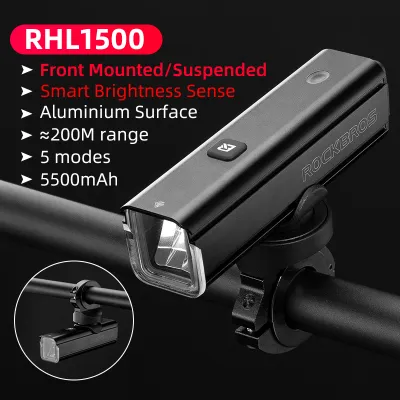
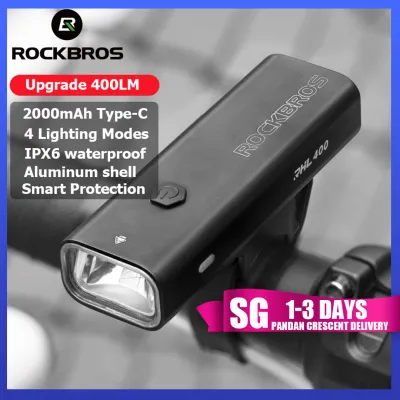
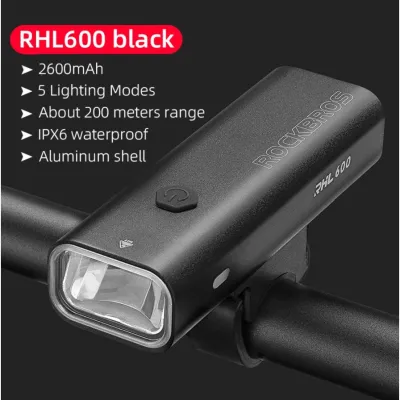
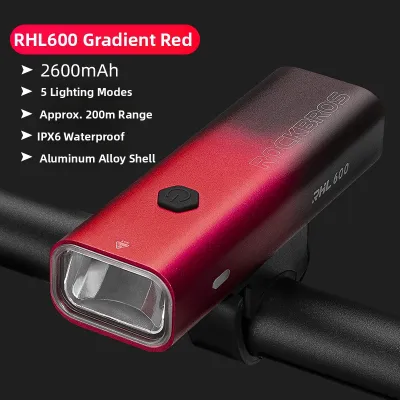
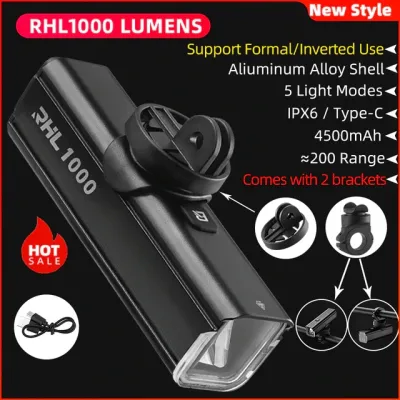
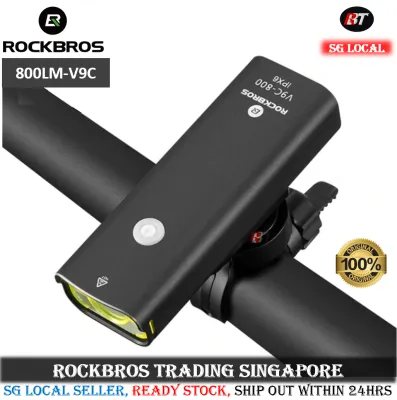
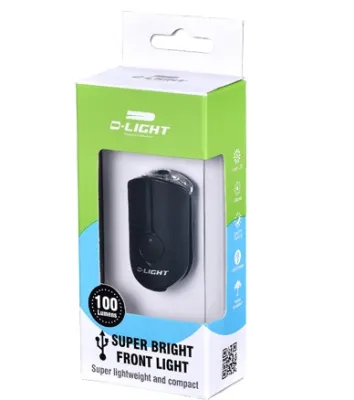
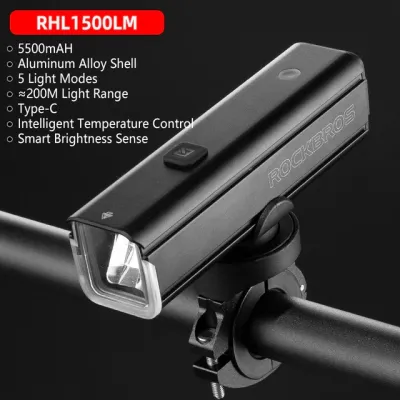
Prices are valid at publication and may change. Please refer to the product page for the latest price.
The local tropical climate also places heavy demands on cycling gear. Sudden, heavy downpours can occur with little warning, and high humidity is a constant factor. A light used on the PCN must be able to withstand both direct water exposure and the persistent moisture in the air, making robust sealing a critical requirement for long-term reliability.
Key Features to Look for in a PCN Bike Light
To find a light that performs well on shared paths, you need to look beyond basic brightness numbers and focus on how the light is shaped and controlled.

The beam pattern is the most critical safety feature for shared-path riding. Standard flashlight-style bike lights project a symmetrical cone of light that shines equally upward and downward, which inevitably glares into the eyes of oncoming trail users. Look for lights designed with a distinct cut-off line, often referred to as a shaped or anti-glare beam. These optics direct the light downward onto the pavement and keep the upper portion of the beam flat, illuminating the path ahead while keeping the eyes of pedestrians and other cyclists in the shade.
Understanding the difference between lumens and lux will help you evaluate how well a light actually performs. Lumens measure the total amount of light emitted by the source in all directions, while lux measures the intensity of light falling on a specific surface at a given distance. A light with high lumens but poor optics might scatter light uselessly into the trees, whereas a light with a lower lumen rating but high lux in the center of its beam will illuminate the path far more effectively.
Weather resistance is another non-negotiable feature for local riding. Check the manufacturer’s specifications for an Ingress Protection (IP) rating. An IPX4 rating indicates resistance to splashing water from any direction, which is suitable for light drizzle, but an IPX6 or IPX7 rating is highly recommended to ensure the light can survive heavy tropical downpours without water entering the housing.
Evaluate the mounting system carefully before making a choice. The PCN features various surfaces, including paved asphalt, concrete slabs, and occasional wooden boardwalks. Constant vibrations can cause a weak mount to slip, pointing your light dangerously upward or downward. Look for robust, adjustable clamps or heavy-duty silicone straps that lock securely onto your handlebars and allow you to fine-tune the angle easily.
Matching Light Types to Your PCN Riding Style
Your choice of light should match how fast you ride and when you typically use the PCN.
For leisure riders and daily commuters who travel at moderate speeds, a compact light with a wide peripheral beam is usually the most practical choice. These riders typically spend more time on well-lit or moderately lit sections of the network. A light that emphasizes side visibility helps you remain noticeable to traffic at road crossings, while a moderate output level is more than sufficient to spot immediate pavement changes without draining the battery quickly.
Fitness cyclists and those who ride at higher speeds require a different setup. When riding faster, your stopping distance increases, meaning you need to see obstacles much further ahead. For these rides, look for a light with a longer throw distance and a higher output setting to illuminate dark stretches effectively. This ensures you have ample time to react to debris, wet patches, or sudden turns on unlit sections of the path.
Power management and charging convenience should also guide your decision. Modern lights featuring USB-C charging ports offer the greatest convenience, allowing you to top up the battery using standard phone chargers or power banks. Consider the battery capacity relative to your typical ride duration; running a light at its maximum setting drains the battery rapidly, so choosing a light with a larger capacity allows you to run it at a medium, highly efficient setting with plenty of runtime to spare.
Setup and Maintenance Tips for Tropical Climates
Proper installation and regular maintenance are essential to get the most out of your light and protect your investment from the elements.
When mounting your light, always check its alignment before setting off. Stand a few meters in front of your stationary bicycle and look back at the light to ensure the beam is angled downward toward the ground. The brightest part of the beam should hit the pavement several meters ahead of your front wheel, rather than pointing straight ahead into the distance. This simple check ensures you maximize your view of the path while keeping the glare well below the eye level of oncoming path users.
Caring for the internal lithium-ion battery is crucial in a warm, humid climate. Avoid leaving your light inside a hot vehicle or in direct sunlight when not in use, as high temperatures accelerate battery degradation. Charge the light at room temperature, and try to avoid letting the battery drain completely to zero before recharging, as keeping the charge level between twenty and eighty percent can help extend the overall lifespan of the battery.
After riding through wet weather, take a few minutes to clean and inspect your equipment. Wipe down the outer casing with a damp cloth to remove road grit and salt, which can degrade seals over time. Open any charging port covers to check for moisture, and allow the light to dry completely in a well-ventilated indoor area before plugging it in to charge. Regularly inspecting the rubber seals around the charging port and lens will help prevent water ingress during your next rainy ride.
Frequently Asked Questions (FAQ)
Are there specific light rules for Singapore's PCNs?
Yes, active mobility regulations require cyclists to display a white light on the front of their bicycle when riding during hours of darkness. While there are no strict statutory limits on maximum lumen output, riders must ensure their lights are angled correctly to avoid blinding other path users. It is always best to check the latest guidelines from local transport authorities to ensure your equipment remains fully compliant with current standards.
Should I use a flashing or steady mode on the PCN?
For night riding on the PCN, a steady beam is highly recommended as your primary light mode. A steady light allows you to judge distances accurately and see the path surface clearly, whereas a flashing light can distort depth perception for both you and oncoming riders. If you choose to use a flashing mode for added visibility during twilight or on highly illuminated roads, ensure it is set to a low-intensity pulse rather than a rapid, high-brightness strobe, which can be highly distracting and disorienting on shared paths.

Community discussion
Share your experience or ask a question. Comments are reviewed before publication.