
Finding a reliable fishing rod under S$100 in Singapore is highly achievable if you know which specifications to prioritise and where to make practical compromises. At this price point, you can secure a durable, responsive tool capable of handling local species in reservoirs, coastal jetties, and payponds. The key is to focus on structural integrity and functional design rather than cosmetic extras or exaggerated performance claims. By understanding the materials, actions, and configurations available, you can make an informed purchase that maximizes your budget and sets you up for angling success.
What to Expect from Fishing Rods Under S$100
When shopping for a fishing rod under S$100, managing expectations regarding materials and construction is essential. In this budget tier, you will primarily encounter two materials: fiberglass and entry-level graphite (often labeled as carbon fiber) or composite blends. Fiberglass rods are incredibly robust, highly flexible, and virtually indestructible, making them excellent for beginners who might accidentally knock their gear against concrete jetty railings. However, they are heavier and lack the sensitivity required to feel subtle bites from smaller fish.
On the other hand, entry-level graphite or carbon composite rods offer a much lighter feel and superior sensitivity, allowing you to detect minor vibrations in the water. The trade-off is that graphite is more brittle than fiberglass and can fracture if subjected to sudden high-impact shocks or high-sticking. For most beginners in Singapore, a composite rod—which blends the durability of fiberglass with the sensitivity of graphite—provides the most balanced performance within a double-digit budget.
Products mentioned in this guide
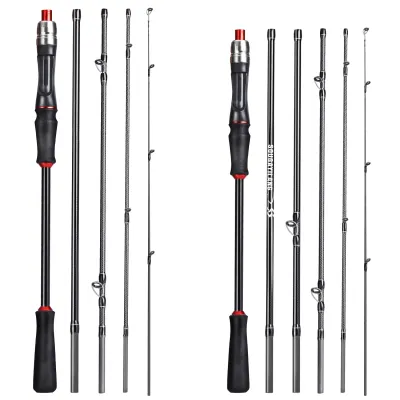
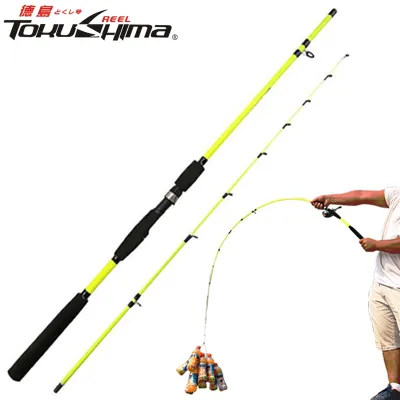
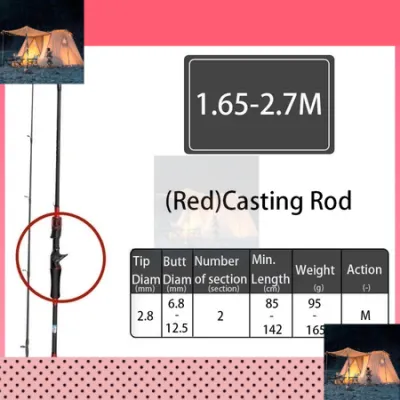
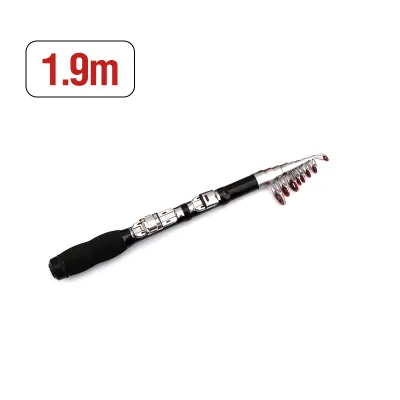
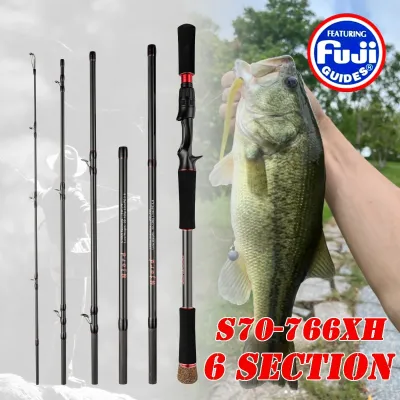
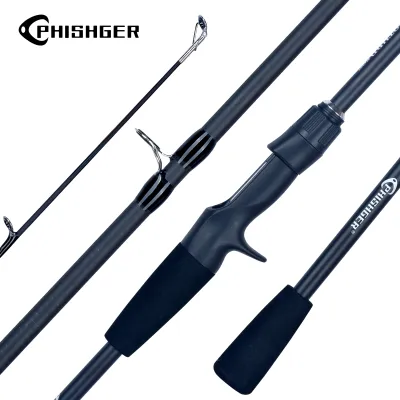
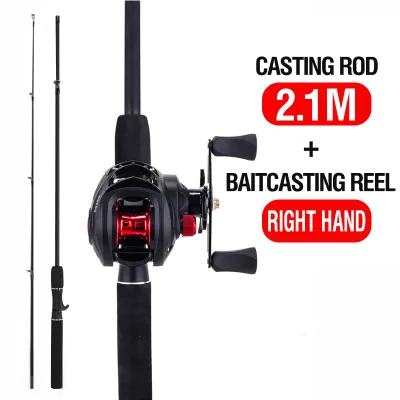
Prices are valid at publication and may change. Please refer to the product page for the latest price.
In terms of rod action and power, budget options typically cover light to medium-heavy power ratings with moderate to fast actions. You should not expect specialized, ultra-light high-modulus carbon blanks at this price, but you can easily find versatile, all-purpose setups.
Additionally, you must clarify what your purchase includes. Many options under S$100 are sold as standalone rods, meaning you must purchase the reel, line, and terminal tackle separately. While some pre-packaged rod and reel combos exist in this price range, they often compromise on the quality of one or both components to keep the price low. Understanding this distinction helps you allocate your funds effectively before heading to the checkout.
Key Specifications to Check Before Buying
Evaluating a fishing rod requires looking closely at the technical specifications printed on the blank, just above the handle. The first specification to consider is rod length, which directly influences your casting distance and leverage. For local Singapore environments, a rod length between 6 and 7 feet is highly versatile. If you plan to fish from crowded coastal spots like Bedok Jetty, a slightly longer rod (around 7 to 8 feet) helps clear the high railings and cast past the shoreline breakers. Conversely, if you are navigating tight, overgrown banks at local reservoirs or casting in urban ponds, a shorter 6-foot rod offers better maneuverability and accuracy.

Power and action are the next critical metrics to verify. Rod power refers to the amount of force required to bend the rod, ranging from ultra-light to heavy. For general local fishing, a medium-light or medium power rod is ideal, as it can handle common species like peacock bass in reservoirs or small snappers at sea. Rod action describes where the rod bends along its length. A fast-action rod bends primarily near the tip, offering excellent sensitivity and quick hook sets, which is perfect for lure fishing. A moderate or slow-action rod bends further down the blank, absorbing the shock of hard-fighting fish, making it highly suitable for bait fishing.
Do not overlook the physical components of the rod, specifically the guides and the handle. Look for guides made of stainless steel with ceramic inserts, such as aluminum oxide, which prevent friction heat from damaging your fishing line. For the handle, EVA foam is highly recommended over cheap cork at this price point. High-quality cork is expensive, so budget rods often use low-grade cork that degrades quickly, whereas EVA foam remains durable, easy to clean, and provides a secure grip even when wet with saltwater or sweat.
Rod Only vs. Rod and Reel Combos: Maximising Your S$100 Budget
Deciding whether to buy a standalone rod or a pre-matched rod and reel combo is a pivotal choice when working with a S$100 limit. A pre-matched combo offers convenience and ensures that the rod and reel are balanced in terms of weight and line capacity. For absolute beginners who want to start fishing immediately without researching compatibility, a combo is an attractive, hassle-free option. However, the primary drawback is that manufacturers often pair a decent rod with a subpar reel containing plastic internal gears that wear out quickly under load.
Selecting your components individually usually yields a higher-quality setup, even within a strict S$100 budget. A practical allocation framework is to spend approximately S$50 to S$60 on a reliable standalone rod. This leaves S$40 to S$50 for a basic, durable spinning reel and a spool of monofilament or braided line. By splitting the budget this way, you ensure that both critical pieces of gear meet a baseline standard of reliability, rather than inheriting a weak link in a pre-packaged set.
When calculating your total expenditure, remember to account for hidden costs that can quickly push you past your S$100 limit. If purchasing online, shipping fees for long, awkwardly shaped packages like one-piece fishing rods can be surprisingly high. Additionally, you will need to budget for essential terminal tackle, such as hooks, sinkers, swivels, and a line spooling service if you do not wish to spool the line onto the reel yourself. Factoring in these minor expenses ensures you do not face unexpected costs at the register.
Where to Shop and How to Avoid Budget Traps
Navigating the market for budget fishing gear requires a strategic approach to where you shop. Visiting a local brick-and-mortar tackle shop in Singapore offers invaluable advantages. You can physically hold the rod to check its weight, balance, and grip comfort, and the staff can provide tailored advice based on where you plan to fish. Furthermore, local shops often inspect the rods for manufacturing defects before putting them on display, reducing the risk of buying a flawed blank.
In contrast, browsing online marketplaces and ecommerce platforms provides a wider selection and the convenience of home delivery. However, online shopping requires extra vigilance to avoid common budget traps. Be highly skeptical of unbranded, generic rods boasting exaggerated specifications, such as claims of lifting extreme weights or using space-age carbon fiber at impossibly low prices. Stick to reputable, entry-level series from established fishing brands that maintain quality control standards even for their budget lines.
Before finalizing any online purchase, always verify the seller’s return policy and warranty terms. A reputable seller should offer a clear return window for items damaged during transit, which is a common issue with fragile rod tips. Check if the manufacturer provides a limited warranty against material defects, as this offers peace of mind that the rod will not snap on its very first outing due to an undetected flaw in the blank.
Essential Maintenance to Extend the Life of Budget Rods
Proper maintenance is the most effective way to protect your investment and ensure your budget rod performs reliably for years. Singapore’s tropical climate and coastal fishing spots expose your gear to high humidity and highly corrosive saltwater. After every outing, especially in saltwater or brackish environments, rinse your rod thoroughly with cool freshwater. Pay close attention to the metal guides, guide feet, and the reel seat, as salt crystals can quickly accumulate in these crevices and cause rust or structural failure.
Once rinsed, wipe the rod down with a clean microfiber cloth and allow it to dry completely in a shaded, well-ventilated area before storing it. Never store a wet rod in a plastic sleeve or a closed cupboard, as trapped moisture can degrade the epoxy coatings and weaken the blank over time. When transporting your rod on public transport like the MRT or buses, use a simple cloth rod bag or a hard protective tube to prevent the delicate tip from getting caught in doors or bumped by other passengers.
Finally, learn to recognize when a rod is no longer safe to use. Inspect the ceramic inserts inside the guides regularly; if an insert is cracked or missing, the sharp edges will quickly fray and snap your fishing line. If you notice deep scratches, splinters, or fractures in the rod blank itself, stop using the rod immediately. Attempting to cast or fight a fish with a structurally compromised blank can cause the rod to shatter unexpectedly, posing a safety risk to you and those around you.
Frequently Asked Questions (FAQ)
Can I catch large fish with a fishing rod under S$100?
Yes, you can successfully land large fish with a budget rod, as a rod’s retail price does not dictate its structural strength. Landing a large fish depends far more on the rod’s power rating, the reel’s drag system, and your angling technique than the cost of the gear. To prevent damage, always operate within the manufacturer’s recommended line class and lure weight limits printed on the rod blank. Rely on your reel’s drag system to tire out strong fish rather than trying to muscle them in using only the rod’s lifting power.
Is a telescopic rod a good choice for beginners on a budget?
Telescopic rods are highly practical for beginners who rely on public transport or have limited storage space in typical Singapore apartments. Their collapsible design makes them incredibly easy to pack into a backpack or carry on the MRT. However, they do come with trade-offs, including reduced sensitivity, uneven weight distribution, and the potential for the individual sections to twist out of alignment during a cast. For the best balance of portability and performance, a standard two-piece rod is generally preferred, though a telescopic rod remains a viable alternative if transport space is your primary constraint.

Community discussion
Share your experience or ask a question. Comments are reviewed before publication.