
Selecting the right rod holder is one of the most practical decisions a beginner angler in Singapore can make. Whether you are casting a line into the deep waters off Bedok Jetty, waiting for a bite along the sandy shores of Changi Beach, or spending a quiet afternoon at a local reservoir, a reliable rod holder keeps your hands free and your equipment safe. It prevents your rod from scraping against abrasive concrete, sliding into the water, or getting dragged away by a sudden, powerful strike. For those new to the sport, the key is finding a balance between portability, ease of setup, and stability without investing in overly complex, permanent mounting systems.
In Singapore’s unique urban fishing landscape, your choice of rod holder is heavily dictated by the specific environment you plan to fish. Public parks, concrete boardwalks, sandy coastlines, and grassy banks each require a distinct approach to securing your gear. Understanding how these different designs function, what features to look for when shopping, and how to set them up safely will ensure your fishing trips are both productive and stress-free.
Rod Holder Designs: Which Type Fits Your Fishing Style?
To make an informed purchase, you must first understand the primary rod holder designs available on the market. These generally fall into three categories: clamp-on holders, ground spikes or stakes, and flush-mount systems. Each design serves a specific purpose, and choosing the wrong one can make your fishing trip highly frustrating or even lead to damaged gear.
Products mentioned in this guide
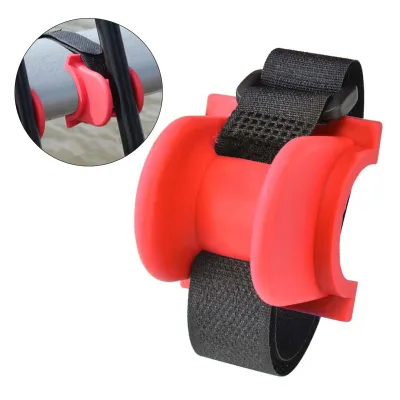
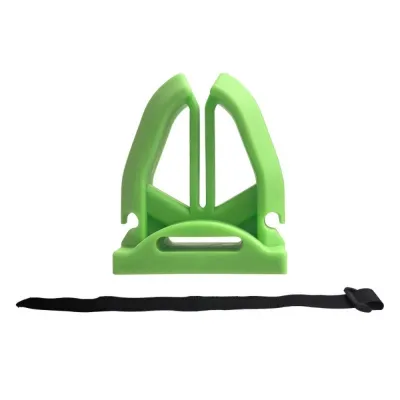
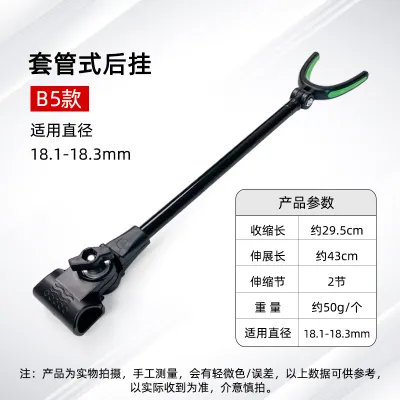
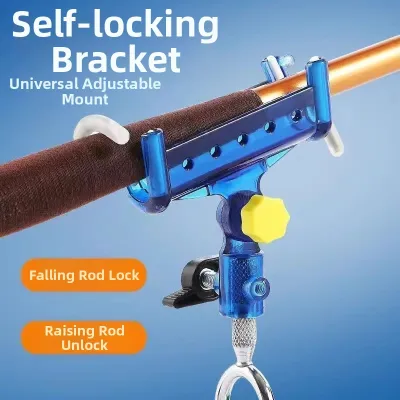
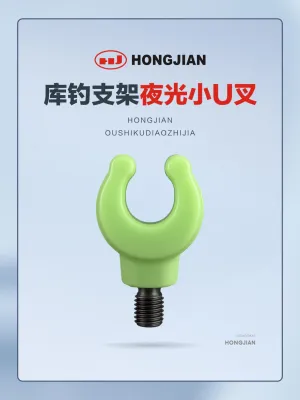
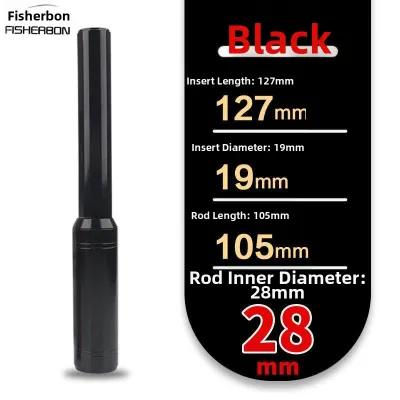
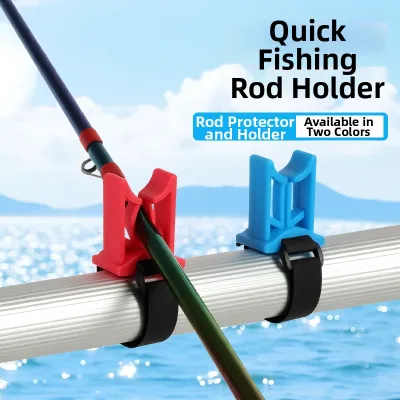
Prices are valid at publication and may change. Please refer to the product page for the latest price.
Clamp-on rod holders are arguably the most popular and versatile option for beginners in Singapore. These devices feature a heavy-duty screw clamp that attaches directly to railings, pipes, or square bars. They are highly portable, require absolutely no drilling or permanent installation, and can be attached or removed in a matter of seconds. This makes them ideal for fishing from public jetties, piers, and bridges where permanent fixtures are strictly prohibited. The main drawback is that they require a sturdy, pre-existing structure to clamp onto, meaning they are useless on an open beach or a grassy bank.
Spike or stake rod holders, often referred to as sand spikes or bank sticks, are designed to be pushed directly into soft ground. They consist of a hollow tube to hold the rod butt, attached to a long, pointed metal or plastic stake. These are incredibly simple, lightweight, and highly effective for shore fishing. They are the go-to choice for sandy beaches and muddy reservoir banks. However, their utility is entirely dependent on the ground condition; you cannot use them on concrete boardwalks, rocky shorelines, or hard-packed gravel paths.
Flush-mount and deck-mount holders are designed for permanent installation on boats, kayaks, or specialized fishing crates. They require drilling holes and using mounting hardware like bolts and sealant to secure the holder to a flat surface. While they offer unmatched stability and a clean look, beginners should generally avoid these systems unless they are purchasing a fishing kayak that already has them pre-installed. Attempting to install permanent mounts on rental boats or public property is not allowed, and doing so on your own watercraft requires precise tools and DIY experience to avoid compromising the hull’s structural integrity.
For most beginners, starting with a portable, non-permanent option like a clamp-on holder or a simple ground spike is the most sensible path. These designs allow you to explore different fishing styles and locations across Singapore without committing to a single setup or risking damage to your personal watercraft or public infrastructure.
Essential Features to Check When Buying Your First Rod Holder
When browsing online marketplaces or visiting local tackle shops in Singapore, it is easy to get overwhelmed by the sheer variety of rod holders on display. To narrow down your choices, focus on a few essential features that directly impact durability, usability, and safety. The first and most critical factor is material composition, especially given Singapore’s hot, humid, and highly corrosive marine environment.

Always check product labels and specifications for indicators of UV resistance and saltwater compatibility. Cheap, low-grade plastics will quickly degrade, fade, and become brittle under the intense tropical sun, leading to sudden structural failure when a fish strikes. Look for holders constructed from high-impact, UV-stabilized polymers, fiberglass-reinforced nylon, or marine-grade stainless steel and anodized aluminum. If you plan to fish primarily in saltwater environments, stainless steel and heavy-duty nylon are highly recommended for their superior corrosion resistance.
Next, evaluate the adjustability and locking mechanisms of the holder. A good beginner rod holder should allow you to adjust both the vertical angle (tilt) and the horizontal direction (swivel) of your rod. This flexibility is crucial for positioning your rod tip correctly against the wind, current, or tide. Ensure the locking joints use robust, easy-to-grip knobs or levers that can be tightened securely by hand. Additionally, look for models that feature a locking collar, strap, or latch at the top of the tube to prevent the rod from bouncing out of the holder during a violent strike or rough wave action.
Another important feature to inspect is the presence of a gimbal pin or slot at the bottom of the holder tube. Many fishing rods feature a notched butt cap (known as a gimbal) designed to lock into a pin inside the holder. This prevents the rod from twisting or rotating when a reel is under load. Even if your current beginner rod does not have a gimbal butt, choosing a holder with a removable or recessed pin ensures compatibility as you upgrade your gear in the future.
Finally, always verify the slot compatibility and inner diameter limits of the rod holder. Measure the thickest part of your rod handle, including the reel seat, and compare it to the holder’s specifications. A holder that is too narrow will not accommodate your rod, while one that is excessively wide may allow the rod to wobble excessively, reducing bite detection and stability. Look for a snug but comfortable fit that allows you to insert and remove the rod quickly without snagging.
Choosing the Right Mount for Singapore's Fishing Spots
Singapore offers a diverse range of fishing environments, each requiring a specific mounting strategy to ensure success and comply with local regulations. Matching your rod holder to your chosen fishing spot is essential for protecting both your gear and the surrounding environment.
If you frequent popular coastal spots like Bedok Jetty, Woodlands Jetty, or Sembawang Park, you will be fishing from concrete structures with metal or wooden railings. Here, a clamp-on or rail-mount rod holder is indispensable. When using these mounts, it is vital to ensure they do not damage public property. Look for clamps that feature rubberized or padded gripping surfaces, or place a small piece of rubber or cloth between the clamp and the railing. This prevents scratching the protective paint or wood finish, which can lead to rapid rusting and structural decay in our salty coastal air.
For those who prefer the tranquil settings of Singapore’s reservoirs and freshwater ponds, such as Pandan Reservoir or Lower Seletar Reservoir, the terrain consists primarily of grassy banks and soil. In these locations, ground spikes or bank sticks are the ideal choice. They can be easily pushed into the earth to hold your rod at a high angle, keeping your line clear of shoreline vegetation. However, if you encounter hard-packed clay or gravel paths where spikes cannot penetrate, a freestanding rod tripod is an excellent alternative. Tripods sit on top of the ground and can hold multiple rods simultaneously, making them highly versatile for freshwater bait fishing.
Surf fishing along open coastlines, such as the beaches of East Coast Park or Pasir Ris Park, presents a different challenge. The combination of soft, shifting sand, strong waves, and wind requires a heavy-duty sand spike. These are typically longer than standard bank sticks, often measuring one meter or more, to allow them to be driven deep into the wet sand where the ground is more stable. A shallowly placed spike can easily be pulled loose by a strong wave or a heavy fish, dragging your expensive rod and reel into the surf.
Regardless of where you choose to fish, always verify the local regulations set by agencies like NParks and PUB. While temporary, non-damaging rod holders are widely accepted, any fixture that requires drilling, nailing, or permanently altering public structures is strictly illegal. Always ensure your setup is completely temporary, and pack up all your equipment when you leave to keep our shared outdoor spaces clean and safe for everyone.
Setup and Safety Checks to Protect Your Gear
Even the highest-quality rod holder can fail if it is not set up and used correctly. Before you cast your line and settle into your chair, take a few minutes to perform essential safety checks to protect your equipment and ensure a successful outing.
Start by verifying the tightness of your mount. If you are using a clamp-on holder, hand-tighten the clamp securely, but avoid using tools like pliers to force it, as over-tightening can crack plastic components or strip the metal threads. Give the holder a firm tug in multiple directions to ensure there is no slippage. If you are using a ground spike, push it deep enough into the soil or sand so that it does not wobble when lateral pressure is applied. If the ground is too soft or muddy, relocate to a firmer spot or use a wider base.
Next, check the alignment of your rod butt within the holder. Ensure the rod is seated fully at the bottom of the tube and that the reel seat is positioned correctly. If your rod has a gimbal butt, make sure it slots securely over the holder’s internal pin. A rod that is only partially inserted or sitting at an awkward angle can easily twist or pop out of the holder when a fish takes the bait, resulting in lost gear.
If at any point during setup your equipment does not seem to align properly, or if the holder feels unstable under the weight of your rod and reel, stop immediately. Do not attempt to force a fit or use makeshift shims that could slip. Consult the manufacturer’s instructions or seek advice from experienced anglers at a local tackle shop to find a compatible solution.
Finally, always use a rod leash or safety tether as a secondary line of defense. A safety leash is a simple, inexpensive cord that clips to your rod handle or reel seat on one end and attaches to a secure anchor point—such as a jetty railing or a heavy ground peg—on the other. Even if your rod holder fails, a clamp slips, or a massive fish strikes with unexpected force, the safety leash ensures your valuable rod and reel remain connected to the shore rather than disappearing into the depths.
Frequently Asked Questions (FAQ)
Can I use a single rod holder for both saltwater and freshwater fishing?
Yes, you can use the same rod holder for both environments, provided you maintain it properly. Saltwater is highly corrosive and will quickly damage metal components and degrade plastics if left untreated. After every saltwater trip, thoroughly rinse your rod holder with clean, fresh water to remove salt crystals, sand, and grime. Pay close attention to moving parts, threads, and locking joints. If your holder has metal screws or pins, applying a light coat of marine-grade lubricant can help prevent rust. Always check the manufacturer’s specifications to ensure the materials are rated for marine use before exposing them to saltwater.
How do I prevent my rod from slipping out of the holder during a strong strike?
Preventing your rod from slipping out requires a combination of proper holder setup and correct reel adjustment. First, ensure your rod holder’s locking collar or safety strap is engaged once the rod is seated. Second, and most importantly, adjust your reel’s drag system. If your drag is set too tight, a sudden, powerful strike from a large fish can pull the entire rod and holder setup into the water. Set your drag loose enough so that a fish can pull line off the spool under pressure, which alerts you to the bite while reducing the sudden force exerted on the rod holder. Once you pick up the rod, you can tighten the drag to fight the fish.

Community discussion
Share your experience or ask a question. Comments are reviewed before publication.