
Selecting a 1kg dumbbell pair in Singapore requires balancing material durability, grip ergonomics, and storage practicality. For beginners, this light weight class serves as an entry point into strength training, physical therapy, and high-intensity cardiovascular workouts. Because Singapore’s tropical climate brings high humidity, the choice of exterior coating directly impacts how long the weights last and how secure they feel in sweaty hands. Rather than searching for a single universal option, you should evaluate how different materials and shapes align with your specific home workout environment and physical needs.
A common mistake is assuming all light weights are identical. In reality, variations in handle diameter, weight distribution, and surface texture can mean the difference between a comfortable workout and wrist strain. By understanding the structural differences between neoprene, vinyl, and chrome finishes, you can make an informed decision that supports your fitness journey without unnecessary wear or safety hazards.
Understanding the Role of 1kg Dumbbells in Beginner Routines
A 1kg dumbbell pair is a versatile tool designed for specific training modalities rather than heavy muscle building. For beginners, these light weights are highly effective for high-repetition endurance training, where the goal is to keep the muscles under tension for extended periods. Activities such as barre, Pilates, shadow boxing, and dance-based cardio workouts frequently utilize 1kg weights to add gentle resistance without compromising speed or form. This level of resistance helps tone the upper body, particularly the shoulders, biceps, and triceps, while keeping the heart rate elevated.
Products mentioned in this guide
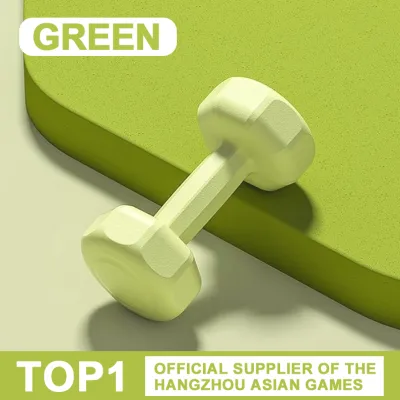

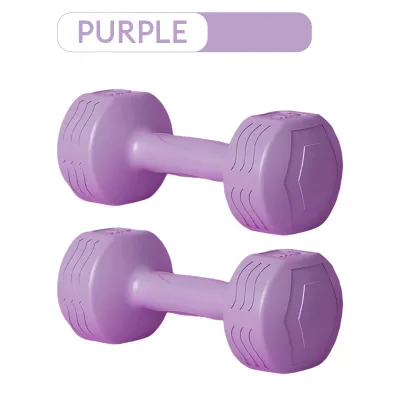
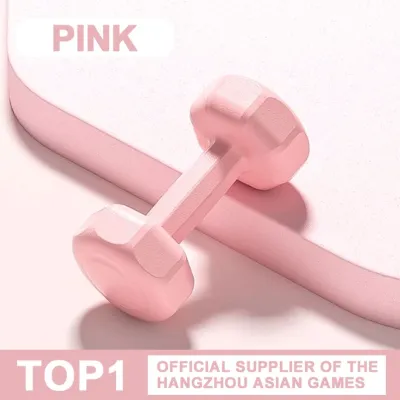
![[SG Stock]Neoprene Dumbbell Weight Strength Training Neoprene Dumbell Set 1kg 2kg 3kg suitable for home and gym exercise](https://img.lazcdn.com/g/p/15509c2888b8e8dae4efd080518cd81f.png_400x400q80.png_.webp)
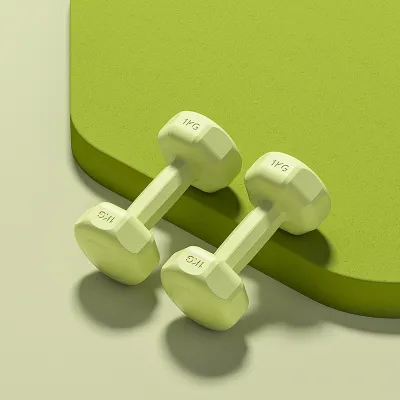
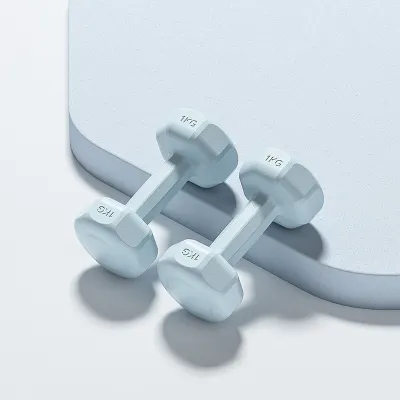
![[SG in Stock]Dumbbell for Weight Strength Training Neoprene Dumbell Set 1kg 2kg 3kg Suitable For Home And Gym Exercise](https://img.lazcdn.com/g/p/46546286cec6d36a3ef083b2e9c920f8.jpg_400x400q80.jpg_.webp)
Prices are valid at publication and may change. Please refer to the product page for the latest price.
In addition to cardiovascular fitness, 1kg dumbbells play a crucial role in physical rehabilitation and mobility work. If you are recovering from an injury or working to strengthen delicate joint structures, such as the rotator cuff in the shoulder, heavy weights can cause further damage. A light, controlled weight allows you to perform targeted isolation exercises safely, helping to rebuild neuromuscular pathways, improve joint stability, and restore full range of motion.
However, it is important to recognize the physiological limitations of a 1kg weight. If your primary goal is to build significant muscle mass or dramatically increase raw physical strength, 1kg dumbbells will quickly lose their effectiveness. Muscle hypertrophy requires progressive overload, which means gradually increasing the resistance to challenge the muscle fibers. While 1kg is excellent for establishing proper movement patterns and building baseline endurance, it cannot provide the mechanical tension necessary for long-term strength gains in major muscle groups like the chest, back, and legs.
Core Selection Criteria for Grip and Comfort
The physical design of a dumbbell handle is the most critical factor determining its comfort and safety during use. Handle diameter varies across different brands and materials, and finding the right fit depends largely on your hand size. A handle that is too thick can prevent you from wrapping your fingers completely around the bar, leading to hand fatigue and a compromised grip. Conversely, a handle that is too thin can cause cramping in the palm during longer workout sessions. For most beginners, a handle diameter between 25mm and 30mm offers a comfortable, secure hold.

Texture is another essential element of grip security, especially in Singapore’s warm and humid environment. When performing dynamic movements, sweaty palms can easily cause a smooth dumbbell to slip, posing a risk of injury to yourself or damage to your surroundings. Textured surfaces, such as textured neoprene or knurled metal, increase friction between your skin and the handle. When evaluating options, look for product descriptions that explicitly mention non-slip textures or ergonomic contours designed to fit the natural curve of your hand.
Weight distribution and balance within the dumbbell itself are vital for preventing joint strain. High-quality dumbbells are cast as a single solid piece of metal before being coated, ensuring that the weight is distributed evenly between the two bell ends. Poorly manufactured weights may have internal air pockets or unevenly distributed filler materials, causing one side of the dumbbell to feel heavier than the other. This imbalance forces your wrist and forearm muscles to work harder to stabilize the weight, which can lead to repetitive strain injuries over time.
Comparing Common Dumbbell Materials and Coatings
Dumbbells in the 1kg weight class are typically finished with one of three common coatings: neoprene, vinyl, or chrome. Each material offers distinct physical properties, maintenance requirements, and tactile experiences that suit different workout styles and home environments.
Neoprene coatings are highly favored for their soft, matte, and slightly textured finish. This synthetic rubber material provides an exceptional grip that remains reliable even when your hands are heavily covered in sweat. The matte surface naturally diffuses moisture, reducing the likelihood of slippage during high-intensity workouts. Additionally, neoprene acts as a protective cushion, reducing the impact and noise if the dumbbell is placed down heavily on a hard floor. However, neoprene is a porous material, meaning it can absorb sweat, body oils, and environmental moisture over time. If not cleaned and dried properly, this absorption can lead to persistent odors and gradual degradation of the coating.
Vinyl coatings, made from polyvinyl chloride (PVC), offer a smooth, glossy, and non-porous alternative. The primary advantage of vinyl is its ease of maintenance; because the surface is completely sealed, it does not absorb sweat or dirt. You can easily wipe a vinyl dumbbell clean with a damp cloth, making it a highly hygienic option for daily use. The main drawback of vinyl is its performance when wet. Once sweat accumulates on the smooth surface, it can become slippery, requiring the use of a workout towel or fitness gloves to maintain a secure hold.
Bare metal or chrome-plated dumbbells represent the traditional approach to strength equipment. These weights are incredibly durable, resistant to chipping, and virtually indestructible under normal home conditions. They offer a sleek, professional aesthetic and often feature knurled handles—a pattern of crossed grooves cut into the metal—to provide a mechanical grip. However, bare metal requires consistent maintenance in humid climates. Without regular wiping, moisture in the air can lead to rust formation along the knurling. Furthermore, metal weights offer no cushioning, meaning they can easily scratch wooden floors, chip tiles, or make significant noise if dropped without protective matting.
Shape and Storage Considerations for Home Use
The physical shape of your dumbbells affects not only how they perform during an exercise but also how easily they can be stored in a compact living space. Traditional dumbbells are round, which allows for smooth rotation during dynamic movements. However, round weights have a natural tendency to roll when placed on flat surfaces. This rolling hazard can be dangerous if you are transitioning quickly between standing exercises and floor work, as a stray dumbbell can easily trip you or roll into furniture and glass fixtures.
Hexagonal dumbbells, often referred to as hex dumbbells, feature flat sides that prevent them from rolling. This design provides excellent stability, allowing you to place them safely on the floor between sets. Hexagonal weights are also highly versatile because they can be used as stable platforms for floor-based exercises, such as push-ups or plank rows, without the risk of the weights shifting beneath you. For home workouts where space is shared with daily living activities, the anti-roll feature of hexagonal designs offers a significant safety advantage.
Storage efficiency is a critical consideration for residents in Singapore, where apartment living requires smart space management. Round dumbbells often require a dedicated rack or storage tray to keep them organized and stationary, which takes up valuable floor space. Hexagonal dumbbells, on the other hand, can be easily stacked vertically in a closet, under a bed, or in a corner of the room. Their flat edges allow them to sit securely on top of one another, minimizing their physical footprint when not in use.
Purchasing Channels and Delivery Verification
When shopping for a 1kg dumbbell pair in Singapore, you have access to a variety of purchasing channels, including local sporting goods retailers, official brand stores, and online marketplaces. Buying from physical retail stores allows you to test the grip, weight balance, and material texture in person before making a commitment. However, online shopping offers greater convenience and a wider selection of colors and shapes. When ordering online, it is essential to purchase from reputable sellers with high ratings and clear return policies to ensure you receive a genuine, high-quality product.
Evaluating online listings requires a critical eye to avoid poorly manufactured items. Look for detailed product specifications, including the core material (such as solid cast iron) and the coating type. Be cautious of listings that use vague terms like “cement-filled” or “plastic weights,” as these are often bulkier, less durable, and prone to leaking sand or concrete dust over time. Reading customer reviews is highly valuable; look for feedback regarding chemical odors, coating durability, and whether the weights arrived matching the advertised specifications.
Once your dumbbell pair is delivered, perform a thorough physical inspection before using them. Start by checking the overall casting quality. Run your hands along the handles and edges to feel for any sharp metal protrusions, rough mold seams, or uneven surfaces that could cause blisters or cuts during a workout. Inspect the exterior coating—whether neoprene or vinyl—for any signs of peeling, bubbling, cracking, or thin spots where the underlying metal is exposed.
Safe Usage and Maintenance for Longevity
Proper maintenance is essential to extend the lifespan of your 1kg dumbbells and ensure they remain safe to use. Sweat contains salt and oils that can degrade synthetic coatings and corrode metal cores over time. After every workout session, make it a habit to wipe down your dumbbells with a clean, dry microfiber cloth to remove all surface moisture. For neoprene weights, which tend to absorb sweat, allowing them to air dry completely in a well-ventilated area before storing them away is crucial to prevent the buildup of unpleasant odors and mold.
Storage conditions play a major role in preventing material degradation. Avoid storing your dumbbells in areas exposed to direct sunlight, such as near windows or on open balconies. Prolonged exposure to ultraviolet (UV) rays can cause vinyl coatings to become brittle and crack, and it can cause neoprene to fade and lose its elastic grip properties. Similarly, avoid high-humidity environments like bathrooms or damp laundry areas, as persistent moisture can seep through microscopic pores in the coating and cause the internal iron core to rust, eventually leading to coating failure.
Knowing when to stop using a dumbbell is vital for your safety. Over time, even high-quality weights will experience wear and tear. Inspect your dumbbells periodically for signs of structural compromise. If you notice the outer coating beginning to split, peel, or flake off extensively, it can expose raw metal edges that can cut your hands. For cement-filled plastic weights, any cracks in the outer shell that allow the internal filling to leak out mean the dumbbell must be discarded immediately, as the weight distribution will be compromised.
Frequently Asked Questions (FAQ)
Can I build significant muscle mass using only 1kg dumbbells?
Building significant muscle mass, known as hypertrophy, requires progressive mechanical tension that challenges your muscles near their limits. While 1kg dumbbells are excellent for improving muscular endurance, cardiovascular fitness, and joint mobility, they do not provide enough resistance to stimulate substantial muscle growth in major muscle groups. To build significant muscle, you will eventually need to transition to heavier weights that allow you to reach muscular fatigue within a lower repetition range, typically between eight and twelve repetitions per set.
How do I clean coated dumbbells without damaging the finish?
To clean neoprene or vinyl dumbbells safely, use a soft microfiber cloth dampened with warm water and a tiny drop of mild dish soap. Gently wipe down the entire surface to remove sweat, dirt, and oils. Avoid using harsh chemical cleaners, bleach, alcohol-based sanitizers, or abrasive scrubbing pads, as these can strip the protective finish, cause vinyl to crack, or degrade neoprene. Never submerge the dumbbells in water, as liquid can enter small seams or pores, leading to internal rust and structural damage.
Should I buy a fixed 1kg pair or an adjustable dumbbell set?
A fixed 1kg pair is ideal if you prioritize immediate convenience, a compact design, and a comfortable grip tailored specifically for light, high-speed movements like cardio or rehabilitation. They require no setup time and are highly durable. An adjustable dumbbell set is a more space-efficient and cost-effective choice if you plan to progressively increase your strength over time, as it allows you to change weights as you advance. However, adjustable handles are often bulkier, heavier even at their lowest setting, and less suited for rapid, dynamic aerobic exercises.

Community discussion
Share your experience or ask a question. Comments are reviewed before publication.