
Selecting the right 1kg dumbbells in Singapore depends entirely on how you plan to move them. While a single kilogram might seem light, this specific weight class serves as a highly versatile tool for high-repetition training, physical rehabilitation, and cardiovascular conditioning. The ideal pair for your home setup should balance grip security, floor protection, and ergonomic comfort, ensuring that the equipment supports your movement patterns without causing joint strain or slipping during sweaty sessions.
In Singapore’s humid climate, material choices and design details become even more critical. A dumbbell that feels comfortable in a dry, air-conditioned showroom can quickly become slippery or develop an unpleasant odor when used in a naturally ventilated apartment. By focusing on how the weight interacts with your hands, your floors, and your specific exercise routine, you can make an informed purchase that offers lasting utility.
Identifying Your Primary Workout Purpose
Before browsing online marketplaces or local sporting goods stores, you must define the exact role these 1kg weights will play in your fitness routine. A 1kg load behaves very differently depending on the speed of your movements and the range of motion involved. For instance, in slow, controlled rehabilitation exercises, a light weight helps isolate specific rotator cuff muscles or forearm stabilizers without overloading healing tissues. In this context, the primary requirement is a highly secure, comfortable grip that allows for precise, steady movements.
Products mentioned in this guide
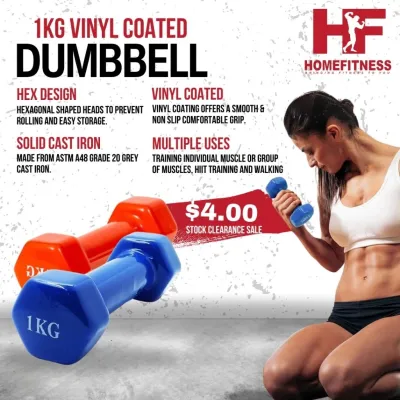
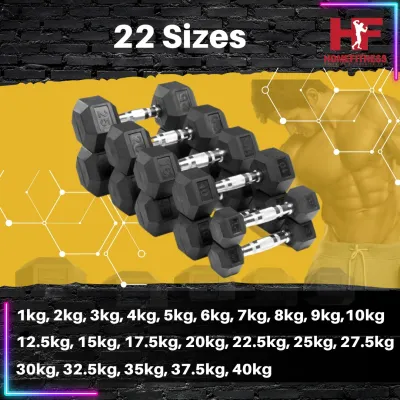
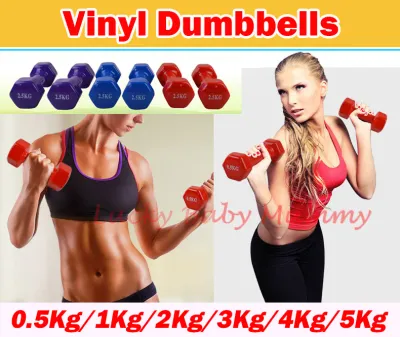
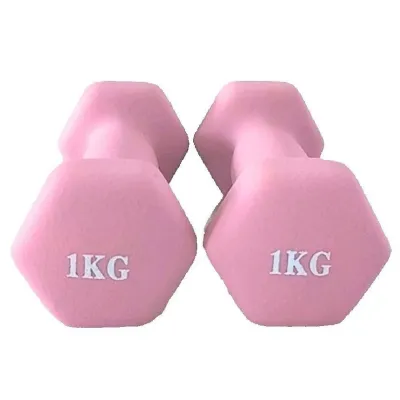
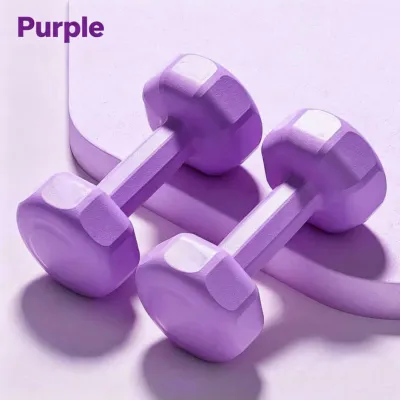
Prices are valid at publication and may change. Please refer to the product page for the latest price.
Conversely, if you are using dumbbells for light cardio, shadow boxing, or high-energy aerobics, the mechanical demands change completely. Here, the weights are subjected to rapid accelerations, sudden changes of direction, and centrifugal forces. A dumbbell that is too bulky or has a slippery surface can easily fly out of your hand or strain your wrists during fast-paced movements. For cardio-centric workouts, you need a compact design that feels like an extension of your fist, allowing you to maintain natural biomechanics.
High-repetition toning routines, such as barre or Pilates, present another set of requirements. These workouts often involve holding the weights for extended periods while performing micro-movements. The cumulative fatigue can make even a 1kg weight feel incredibly heavy over time. For these routines, ergonomic handle shapes and soft-touch coatings are essential to prevent hand cramping and minimize pressure points on your palms.
Finally, assess your current strength baseline to ensure that 1kg is the correct starting point. If you are recovering from an injury or are completely new to resistance training, 1kg provides a safe, low-impact entry level. However, if your goal is progressive overload and building significant muscle mass, a fixed 1kg weight will quickly lose its effectiveness as your body adapts.
Evaluating Materials and Coatings for Home Use
The exterior material of your dumbbells determines how they feel in your hands, how they withstand sweat, and how they treat your living space. In Singapore, where high humidity is a constant factor, material selection directly impacts both hygiene and safety. The most common options for 1kg weights are neoprene, vinyl, cast iron, and silicone coatings, each offering distinct physical properties.

Neoprene is a synthetic rubber coating that provides a matte, slightly textured finish. It is highly favored for its excellent grip, even when your hands are wet with perspiration. Neoprene absorbs a small amount of moisture, which helps prevent slipping, but it requires regular wiping down to prevent sweat buildup and odor over time. The material is relatively soft, offering moderate cushioning if you accidentally drop the weight on a tiled or vinyl floor, making it highly suitable for typical apartment living.
Vinyl coatings feature a smooth, glossy plastic finish. They are exceptionally easy to clean and sanitize, as sweat and dirt can be wiped off instantly with a damp cloth. However, vinyl can become quite slippery when wet, which may compromise your grip during intense cardio sessions. Additionally, if the vinyl coating is thin or poorly manufactured, it can crack or peel over time, exposing the underlying metal to moisture and potential rust.
Silicone-coated dumbbells represent a premium alternative, offering a soft, velvety grip that is completely non-porous. Silicone does not absorb sweat, making it highly hygienic and easy to wash under running water. It also provides excellent noise dampening and floor protection. When evaluating any coated dumbbell, pay close attention to the seam lines; high-quality manufacturing is indicated by smooth, barely noticeable seams that will not chafe your skin during repetitive movements.
Choosing the Right Shape and Grip Design
The physical geometry of a dumbbell affects both your safety during exercise and how easily the equipment can be stored in your home. The two primary shapes available are round and hexagonal, and each serves a different practical purpose.
Round dumbbells are the traditional choice and are highly comfortable for exercises where the weight rotates slightly in your hand. However, round weights have a tendency to roll away when placed on the floor. In a home environment, a rolling dumbbell can pose a tripping hazard or cause damage to nearby furniture. If you choose round dumbbells, you will likely need a dedicated storage rack or a designated storage spot to keep them stationary when not in use.
Hexagonal dumbbells feature flat edges that prevent them from rolling on any flat surface. This design is incredibly practical for home workouts, as you can safely set the weights down between sets without worrying about them moving. Hexagonal shapes also allow you to perform floor-based exercises, such as plank rows or push-ups using the dumbbell handles as supports, though you should always verify that the flat edges are wide enough to provide stable ground contact before putting your full body weight on them.
Beyond the outer shape, the design of the handle is crucial for comfort and injury prevention. Handle thickness should match your hand size; a handle that is too thick will cause premature forearm fatigue, while a handle that is too thin can force you to grip too tightly, leading to wrist strain. For a 1kg weight, a handle diameter of around 25mm to 30mm is generally comfortable for most users. Ergonomic handles often feature a slight contour or curve that matches the natural arch of your palm, which helps reduce pressure points and minimizes the risk of developing calluses.
Matching Dumbbell Features to Specific Routines
To help you decide which features to prioritize, it is helpful to map specific dumbbell characteristics to your preferred workout style. Different routines place unique demands on the equipment, and choosing a matching design will significantly enhance your training experience.
For fast-paced cardio, aerobics, or shadow boxing, your primary concerns are grip security and compactness. You want a dumbbell with a high-traction coating, such as textured neoprene or non-slip silicone, to ensure the weight stays firmly in your hand as you move. The physical size of the dumbbell should be as compact as possible; bulky weights can interfere with your natural movement paths and increase the risk of knocking the weights together or hitting your own body during rapid exercises.
For Pilates, barre, and mobility work, the focus shifts to comfort and versatility. These routines often involve transitioning between holding the weights in your hands and placing them behind your knees or under your feet. A soft, cushioned coating like silicone or thick neoprene is ideal here, as it feels comfortable against the skin and does not pinch. A hexagonal or flat-sided shape is also beneficial, as it allows the weights to remain stable on your exercise mat during transitions.
For physical rehabilitation and gentle joint mobilization, hygiene and ease of use are paramount. If multiple family members are using the weights, or if you are using them under the guidance of a physiotherapist, you need a material that can be easily sanitized between uses. Smooth vinyl or high-grade silicone coatings are excellent choices because they can be wiped down with disinfectant without degrading. Additionally, look for handles with clear, high-contrast weight markings so you can easily identify the correct load.
The following matrix summarizes how different dumbbell characteristics align with these common workout routines:
| Workout Type | Recommended Material | Ideal Shape | Key Handle Feature | Primary Benefit |
|---|---|---|---|---|
| Cardio & Aerobics | Textured Neoprene | Compact Round / Contoured | Integrated hand strap or textured grip | Prevents slipping during rapid movements |
| Pilates & Barre | Soft Silicone | Hexagonal or Flat-sided | Ergonomic, contoured handle | Minimizes hand fatigue and stays put on mats |
| Rehab & Mobility | Smooth Vinyl or Silicone | Hexagonal | Easy-to-clean, medium diameter | High hygiene standards and roll prevention |
Pre-Purchase Checks for Online and Retail Shopping
When you are ready to purchase your 1kg dumbbells, whether from a local sporting goods retailer or through an online marketplace, performing a few quick quality checks can save you from disappointment. Fitness equipment quality can vary significantly, and light weights are sometimes manufactured with less precision than heavy commercial gear.
First, be aware of weight tolerance deviations. In lower-priced fitness equipment, manufacturing tolerances can be surprisingly wide. A dumbbell labeled as 1kg might actually weigh anywhere from 900 grams to 1.1 kilograms. While a 100-gram difference might seem minor, a 10% imbalance between your left and right hands can lead to asymmetrical muscle activation and joint strain over time. If shopping in a physical store, you can ask to weigh the dumbbells, or check user reviews online to see if other buyers have reported significant weight discrepancies.
Second, inspect the quality of the outer coating. For coated dumbbells, look closely at the finish. Avoid weights that show visible air bubbles, peeling edges, or thin spots in the coating, as these are areas where the material is likely to tear or degrade quickly. If buying online, check the retailer’s return policy specifically regarding manufacturing defects. A reputable seller should offer a straightforward exchange process if your dumbbells arrive with damaged coatings or strong chemical odors that do not dissipate after a few days.
Finally, consider the total cost of ownership, including shipping fees and bundle options. Because dumbbells are heavy, shipping costs can sometimes equal or exceed the price of the weights themselves when purchasing online. Look for local sellers who offer reasonable domestic shipping rates or free delivery thresholds. Additionally, buying dumbbells as a pair is almost always more cost-effective than buying them individually.
Frequently Asked Questions (FAQ)
Can I build muscle using only 1kg dumbbells?
Building significant muscle mass, known as hypertrophy, requires progressive overload, which typically involves gradually increasing the resistance over time. While 1kg dumbbells can help beginners or those recovering from injury build initial muscular endurance and tone, they are generally too light to stimulate substantial muscle growth in larger muscle groups like the chest, back, or legs. To continue building muscle, you will eventually need to transition to heavier weights or increase the mechanical tension through other training variables.
How do I clean and maintain coated dumbbells?
To clean coated dumbbells, wipe them down after every workout with a damp cloth and a mild soap solution. Avoid using harsh chemical solvents, bleach, or abrasive scrubbing pads, as these can degrade neoprene, vinyl, or silicone coatings over time. For neoprene weights, which can absorb sweat, allow them to air dry completely in a well-ventilated indoor area away from direct sunlight, as prolonged UV exposure can cause the material to become brittle and fade.
Is it better to buy a fixed 1kg pair or an adjustable set?
For very light weights, a fixed 1kg pair is generally superior to an adjustable set. Fixed dumbbells are much more compact, structurally stable, and quicker to transition between exercises, making them ideal for fast-paced cardio or Pilates routines. Adjustable dumbbell systems are often bulky and have a higher minimum weight starting point, which may be too heavy for delicate rehabilitation or high-repetition endurance work. A dedicated, fixed 1kg pair provides a seamless and comfortable user experience for light-weight training.

Community discussion
Share your experience or ask a question. Comments are reviewed before publication.