
Selecting a 3 kg dumbbell involves balancing your physical capabilities with the practical realities of your workout space. A 3 kg weight is a versatile tool, often serving as the sweet spot for high-repetition endurance training, targeted physical therapy, and small muscle group isolation. To make the right choice, you must evaluate how the dumbbell’s grip, shape, and outer coating align with your specific exercise routine and home environment. By focusing on these physical characteristics, you can find a durable, comfortable tool that supports your fitness journey without causing unnecessary clutter or floor damage.
Assess Your Fitness Level and Exercise Goals
A 3 kg dumbbell is highly accessible but serves distinct roles depending on your fitness level. For absolute beginners, this weight provides a manageable entry point into resistance training, allowing you to master form without overloading your joints. In rehabilitation settings, physical therapists frequently recommend light weights to rebuild strength in injured muscles, particularly around the shoulder girdle and rotator cuff, where heavy loads could cause reinjury. For experienced lifters, a 3 kg dumbbell is not a primary tool for heavy compound lifts, but it is highly effective for high-repetition endurance protocols, aerobic fusion workouts, and targeted isolation work.
Certain muscle groups are relatively small and cannot safely handle heavy loads without compromising form. Exercises like lateral raises, front raises, and triceps kickbacks isolate small muscles—the lateral deltoids, anterior deltoids, and triceps brachii—which respond well to the controlled resistance of a 3 kg weight. Using a weight that is too heavy for these movements often leads to momentum-based swinging, recruiting the larger trapezius muscles and increasing the risk of shoulder injury. A 3 kg dumbbell allows you to maintain strict form, keeping the tension exactly where it belongs.
Products mentioned in this guide
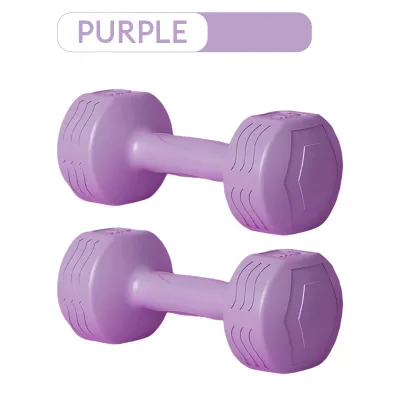

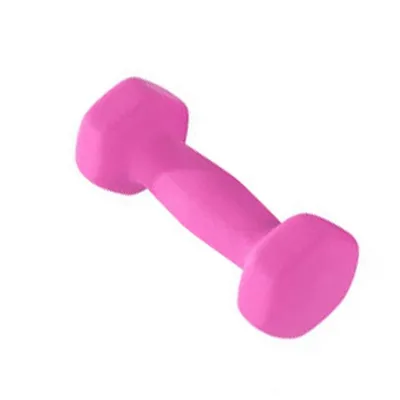
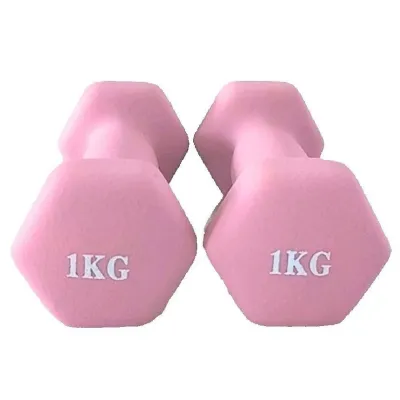
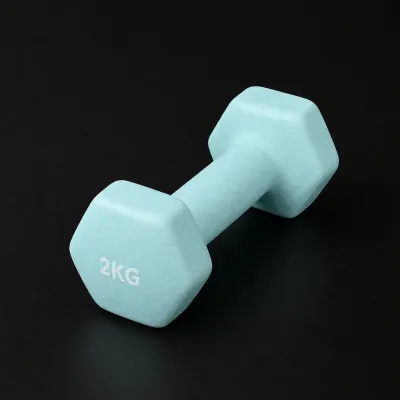
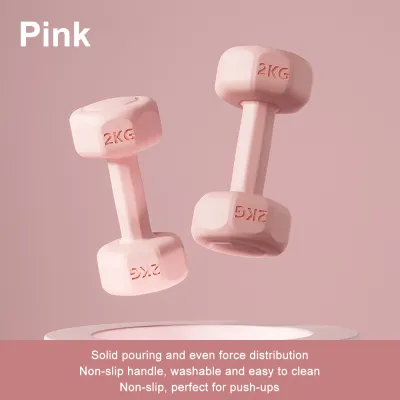
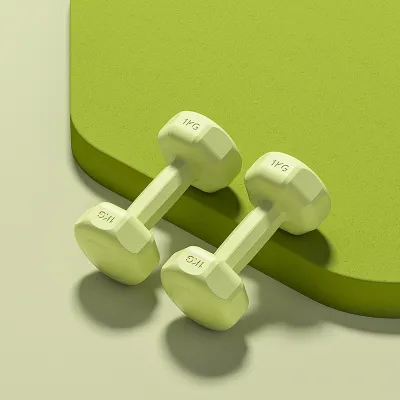
![[SG Stock]Neoprene Dumbbell Weight Strength Training Neoprene Dumbell Set 1kg 2kg 3kg suitable for home and gym exercise](https://img.lazcdn.com/g/p/0e5f0ee1577495ad7d2fbfbdceea9010.png_400x400q80.png_.webp)
Prices are valid at publication and may change. Please refer to the product page for the latest price.
Your body adapts to resistance over time, meaning a weight that feels challenging today will eventually feel light. You can recognize the need to progress when you can complete your target repetitions (such as 15 to 20 reps) with perfect form and minimal muscle fatigue. When this occurs, you do not necessarily have to buy heavier dumbbells immediately. You can increase the difficulty by slowing down the tempo of your movements, pausing at the peak of contraction, or incorporating resistance bands alongside your 3 kg dumbbells to add variable tension. Eventually, transitioning to a heavier weight set will be necessary to continue building strength.
Key Selection Criteria for 3 kg Dumbbells
While the weight of the dumbbell remains constant at 3 kg, the physical design can vary dramatically between manufacturers. Choosing the right dumbbell requires a close look at three primary design elements: the grip design, the physical shape of the weight heads, and the outer coating material. Each of these factors directly influences your safety, comfort, and overall workout experience.

Grip Design and Handle Texture
The handle is your primary point of contact with the dumbbell, making its design critical for wrist comfort and control. Straight handles offer a traditional feel, but contoured or ergonomic handles are often preferred for lighter weights. Ergonomic handles are slightly thicker in the middle, matching the natural curve of your closed hand. This shape helps distribute pressure evenly across your palm, reducing localized strain on your fingers and promoting better wrist alignment during pressing or curling movements.
Handle texture is another vital consideration, especially in warm or humid climates where sweaty palms can compromise your grip. Traditional steel dumbbells feature knurling—a cross-hatch pattern cut into the metal. For a 3 kg dumbbell, a medium-to-light knurling depth is ideal, providing sufficient slip resistance without being so aggressive that it causes painful calluses during high-repetition sets. Alternatively, many coated dumbbells feature textured neoprene or rubberized handles. Neoprene provides a soft, matte texture that naturally absorbs a small amount of moisture, offering a secure grip even when your hands are damp.
Finally, pay attention to the handle diameter. A handle that is too thick can cause premature forearm fatigue, as your muscles must work harder just to hold the weight. Conversely, an excessively thin handle can feel unstable. For a 3 kg dumbbell, a handle diameter between 25 mm and 30 mm is standard and generally accommodates a wide range of hand sizes, ensuring a secure hold during dynamic, fast-paced movements.
Shape and Storage Considerations
The shape of the dumbbell heads determines how the weight behaves when placed on the floor and how easily it can be integrated into floor-based exercises. Hexagonal dumbbells are highly popular for home workouts because their flat sides prevent them from rolling away when set down. This stability is essential if you plan to perform exercises like renegade rows, push-ups on dumbbells, or plank transfers, where the dumbbell must support your body weight without shifting.
Round dumbbells, on the other hand, are classic and slide smoothly against the body during certain movements. However, they present a rolling hazard on uneven floors, which can lead to stubbed toes or damaged baseboards. If you choose round dumbbells, you must be more mindful of where you place them between sets, ensuring they do not roll into pathways or furniture.
Storage is a critical factor for anyone working out in a compact living space, such as a typical apartment. Some 3 kg dumbbells feature stackable or interlocking designs, allowing you to pile them neatly in a corner without them rolling or sliding apart. If you plan to expand your collection later, look for shapes that fit standard compact A-frame racks or flat storage trays, which keep your workout area organized and free of tripping hazards.
Coating and Material Durability
The outer material of your dumbbell protects both the weight itself and your home environment. Bare cast iron dumbbells are highly durable but can easily scratch hardwood floors, crack tiles, and make significant noise when set down. To prevent this, most home-use 3 kg dumbbells are encased in protective coatings like rubber or neoprene. Neoprene coatings offer a soft, matte finish that cushions impacts, protects delicate flooring, and dampens noise, making them excellent for apartment dwellers who want to avoid disturbing neighbors.
Rubber coatings are also highly durable and shock-absorbent, but they can sometimes emit a strong, persistent chemical odor. This off-gassing is particularly noticeable in small, poorly ventilated rooms. When shopping for rubber-coated dumbbells, it is wise to look for low-odor or low-VOC (volatile organic compound) claims. High-quality virgin rubber or synthetic rubber formulations typically have a much milder scent that dissipates quickly, whereas cheaper recycled rubber options can retain a pungent smell for months.
Polyurethane (PU) represents a premium alternative to both rubber and neoprene. PU coatings are exceptionally durable, highly resistant to tearing or peeling, and completely odorless. They feature a smooth, non-porous surface that is incredibly easy to wipe clean after a sweaty workout. While polyurethane dumbbells often carry a higher price tag, their longevity and lack of odor make them a worthwhile investment for long-term home use.
Building Your Shortlist: What to Check Before Buying
Before finalizing your purchase on an online marketplace or at a local sporting goods store, a systematic check of product specifications can save you from common purchasing mistakes. First, verify the manufacturer’s stated weight tolerance. Inexpensive dumbbells can sometimes deviate from their labeled weight by several hundred grams. For a light weight like 3 kg, a variance of even 200 grams represents a significant percentage of the total weight, which can disrupt your progressive overload tracking and cause imbalances between your left and right sides. Look for brands that guarantee a tight weight tolerance, ideally within 1% to 3% of the target weight.
Next, inspect the physical construction of the dumbbell. If you are shopping online, zoom in on product images to check the seam integrity of the coating. Poorly manufactured neoprene or rubber dumbbells often have prominent, sharp seams along the handle or edges that can chafe your hands during use. Look out for visible bubbles, peeling edges, or loose end caps on models that use multi-piece construction. A solid, single-cast core covered in a seamless coating is always the most durable option.
Another frequent point of confusion is the listing quantity. Many retailers sell dumbbells individually rather than in pairs. Always read the product description carefully to confirm whether the listed price in S$ is for a single 3 kg dumbbell or a pair. If you require two dumbbells for bilateral exercises like shoulder presses or bicep curls, buying a single dumbbell by mistake will delay your training and potentially cost you more in separate shipping fees.
Finally, review the retailer’s return and exchange policy. Because fitness equipment is heavy, return shipping can be costly or complicated. Ensure the retailer allows returns or exchanges if the product arrives with a strong chemical odor, manufacturing defects, or if the grip diameter feels highly uncomfortable in your hand. Understanding these terms beforehand ensures a smooth, risk-free purchasing experience.
Frequently Asked Questions (FAQ)
Is a 3 kg dumbbell heavy enough to build muscle?
Yes, a 3 kg dumbbell can contribute to muscle growth, provided you train with sufficient intensity. Hypertrophy (muscle building) can be achieved using lighter weights if you perform exercises to near muscular failure—the point at which you cannot complete another repetition with proper form. While heavier weights are more efficient for building absolute strength, 3 kg weights are highly effective for targeting smaller muscle groups, such as the lateral deltoids or rotator cuffs, and for high-repetition endurance training that stimulates muscle growth through metabolic stress.
Should I buy one 3 kg dumbbell or a pair?
For most fitness routines, purchasing a pair of 3 kg dumbbells is highly recommended. A pair allows you to perform bilateral exercises, such as chest presses, shoulder presses, and bicep curls, which promote balanced muscle development on both sides of your body. However, a single dumbbell is perfectly adequate if your routine focuses primarily on unilateral movements, such as single-arm rows, woodchops, or core rotations, where you only train one side at a time.
How do I clean and maintain coated dumbbells?
To keep your coated dumbbells clean and free of odors, wipe them down after every workout using a damp cloth and a mild, diluted dish soap. Avoid using harsh chemical cleaners, bleach, or abrasive scrubbing brushes, as these can degrade and discolor neoprene or rubber coatings over time. After wiping, dry the dumbbells thoroughly with a clean towel, paying close attention to any exposed metal parts on the handle to prevent rust from forming, especially in humid environments.

Community discussion
Share your experience or ask a question. Comments are reviewed before publication.