
Selecting your first fishing rod is a significant milestone for any aspiring angler in Singapore. The process can quickly become overwhelming when faced with a brand like Abu Garcia, which boasts a vast catalog of rods designed for various techniques, environments, and skill levels. For a beginner, the key to making a successful purchase is not finding the most expensive, high-tech, or specialized model on the rack. Instead, your goal should be to identify a versatile, durable, and forgiving Abu Garcia rod series that supports your learning curve and performs reliably in local waters.
Singapore offers a unique mix of fishing environments, ranging from tranquil freshwater reservoirs and commercial payponds to bustling coastal jetties and saltwater shorelines. Each of these locations presents distinct challenges, from the species of fish you will encounter to the physical space available for casting. By understanding how to evaluate Abu Garcia’s rod configurations, technical specifications, and build quality, you can confidently select a setup that matches your personal needs. This guide provides a practical framework to help you navigate the selection process, ensuring your initial investment translates into successful, hassle-free days on the water.
Identify the Right Abu Garcia Rod Type for Your Fishing Style
Before diving into specific technical details, you must decide on the primary configuration of your fishing rod. Abu Garcia designs rods in two main styles: spinning and casting (also known as baitcasting). For beginners, a spinning rod setup is almost always the most practical and rewarding choice. Spinning rods are designed to pair with spinning reels, which hang beneath the rod. This configuration utilizes gravity to maintain natural balance, making the rod comfortable to hold for extended periods. More importantly, the line flows freely off a fixed spool during a cast, which dramatically reduces the risk of line tangles.
Products mentioned in this guide
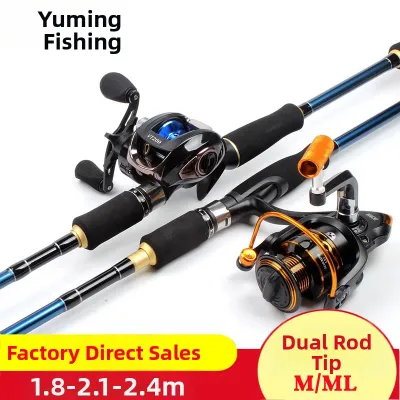
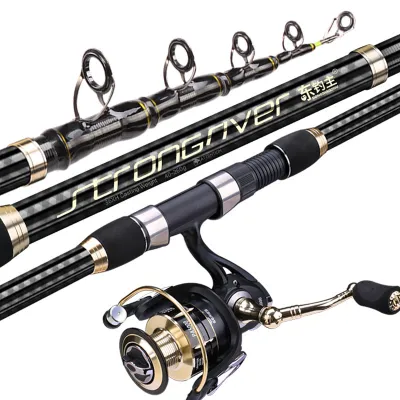
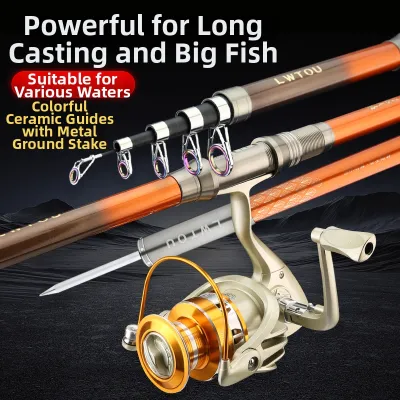
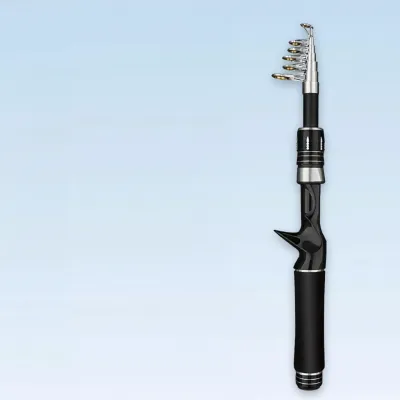
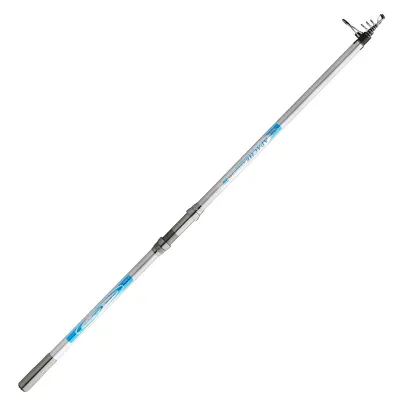
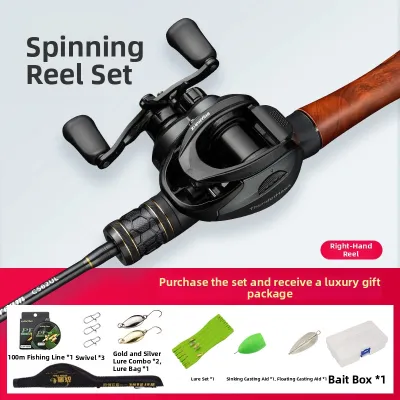
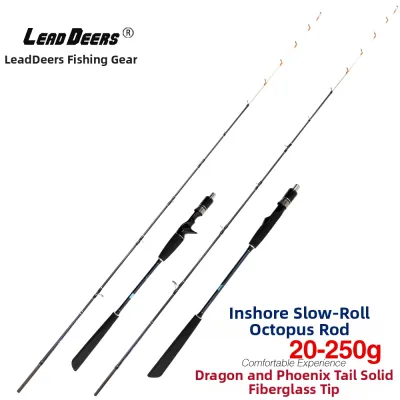
Prices are valid at publication and may change. Please refer to the product page for the latest price.
In contrast, casting rods are designed for baitcasting reels, which sit on top of the rod and feature a rotating spool. While baitcasting setups offer excellent casting accuracy and control for experienced anglers, they require precise thumb control to prevent the spool from overrunning. When a beginner casts a baitcasting reel, the spool often spins faster than the lure pulls the line, resulting in a severe tangle known as a “backlash” or “bird’s nest.” Dealing with these tangles can be incredibly frustrating and can ruin a day of fishing. Starting with an Abu Garcia spinning rod allows you to focus on mastering basic casting mechanics, lure presentation, and fish-handling skills without constant gear interruptions.
Once you have settled on a spinning configuration, you can identify beginner-friendly series by reviewing the manufacturer’s official product descriptions, packaging, and catalog labels. Abu Garcia often categorizes its rods based on target species, fishing techniques, or intended skill levels. Look for series described as “all-rounders,” “versatile,” or those designed for general freshwater and light coastal applications. Avoid highly specialized rods, such as those built exclusively for ultra-light finesse fishing or heavy offshore jigging, as these require advanced techniques and specific reel pairings that are not suitable for someone just starting out.
Another critical factor for Singaporean anglers is the physical construction of the rod, specifically the choice between one-piece and multi-piece designs. Singapore’s urban environment heavily influences how you transport and store your gear. If you rely on public transport like the MRT or buses to reach your fishing spots, carrying a one-piece rod that exceeds six feet in length is highly impractical and may violate transit size restrictions. Furthermore, storing a long, single-section rod in a standard HDB flat can be challenging. Multi-piece rods, such as two-piece or four-piece travel models, offer a highly convenient alternative. These rods break down into compact sections that fit easily into a backpack or a protective travel tube, allowing you to commute comfortably to popular spots like Bedok Jetty, Lower Seletar Reservoir, or local commercial ponds.
Match Rod Specifications to Local Waters and Target Fish
To choose the right Abu Garcia rod, you must learn to read the technical specifications printed on the rod blank, usually located just above the handle. These specifications act as a guide, telling you exactly what the rod is capable of handling. The first specification to consider is rod power, which describes the rod’s resistance to bending under load. Power ratings range from ultra-light to extra-heavy. For a beginner in Singapore, a medium-light (ML) or medium (M) power rod offers the greatest versatility. A medium-light rod provides enough sensitivity to enjoy catching smaller species like tilapia or peacock bass in local reservoirs, while still possessing the structural backbone required to handle larger, hard-fighting fish like barramundi or red drum in commercial payponds.

Rod action is another crucial specification that directly impacts your casting performance and hook-setting efficiency. Action describes where the rod bends along its length when pressure is applied. Fast action rods bend primarily near the tip, offering high sensitivity and quick hook sets, but they require precise timing during the cast. Slow action rods bend further down the blank, providing a highly flexible, parabolic curve. For beginners, a moderate-fast or moderate action rod is highly recommended. This action is incredibly forgiving, absorbing the shock of sudden fish lunges and helping to keep the hook securely set even if your reaction time is slightly slow. It also makes casting easier by allowing the rod to load and release energy more smoothly.
Rod length is a key factor that influences both your casting distance and your physical comfort. For general fishing in Singapore, the ideal rod length for a beginner is between 6 feet (1.8 meters) and 7 feet (2.1 meters). A shorter rod, around 6 feet, is highly maneuverable and excellent for casting in tight spaces, such as under overhanging trees along reservoir banks or near concrete structures. A longer rod, around 7 feet, provides greater leverage and allows for longer casts, which is highly beneficial when fishing from wide-open coastal jetties or sandy shorelines where you need to reach deeper water. Choose a length that feels balanced in your hands and matches the physical constraints of your preferred fishing spots.
Finally, you must pay close attention to the recommended line weight and lure weight ratings printed on the rod blank. These ratings are mandatory checkpoints designed to ensure your rod operates safely and efficiently. For a versatile beginner setup, look for a rod rated for lines between 6 to 15 pounds (approximately 2.7 to 6.8 kg) and lure weights ranging from 1/16 to 1/2 ounce (about 1.8 to 14 grams). Using a lure that exceeds the maximum rated weight can overload the rod blank, causing it to snap during a powerful cast. Conversely, using a line that is heavier than the rod’s rating can place excessive stress on the blank and reel seat during a fight, risking structural damage.
Inspect Build Quality and Materials for Long-Term Durability
Evaluating the materials and build quality of an Abu Garcia rod is essential to ensure your investment lasts for many seasons. Rod blanks are typically constructed from graphite (carbon fiber), fiberglass, or a composite blend of both materials. Graphite blanks are highly favored for their lightweight feel and exceptional sensitivity, allowing you to detect subtle bites easily. However, graphite can be brittle and prone to fracturing if subjected to sharp impacts or bent past its structural limit (a mistake known as “high-sticking”). Fiberglass blanks are heavier and less sensitive, but they are incredibly tough, flexible, and highly resistant to accidental damage. For a beginner, a composite blank—which combines graphite and fiberglass—offers the perfect balance of durability, sensitivity, and forgiveness.
The guide rings, which direct the fishing line along the length of the rod, are another critical component to inspect. High-quality guides feature smooth ceramic or metal oxide inserts housed securely within durable metal frames. When you cast and retrieve, the line rubs against these inserts at high speeds. Any roughness, cracks, or chips in the guide inserts can quickly fray your line, leading to unexpected breakages and lost fish. When evaluating a rod, run your finger carefully along the inside of each guide ring to check for smoothness. Additionally, inspect the thread wraps that secure the guides to the rod blank; they should be wrapped tightly, coated evenly with epoxy, and completely free of cracks, bubbles, or peeling.
The material of the rod handle, or grip, plays a significant role in your comfort and control, especially during long fishing sessions. Abu Garcia rods generally feature either cork or EVA (Ethylene-Vinyl Acetate) foam handles. Cork handles offer a traditional aesthetic and excellent sensitivity, but they can degrade, crack, and accumulate dirt over time when exposed to constant moisture. EVA foam handles are highly durable, lightweight, and incredibly easy to clean. They provide a secure, non-slip grip even when your hands are wet, covered in fish slime, or sweating in Singapore’s hot and humid climate. For most beginners, EVA foam handles represent a more practical, low-maintenance choice.
Before finalizing your purchase, perform a quick physical inspection of the rod in-store to ensure there are no manufacturing defects. Hold the rod at eye level and look down the blank from the reel seat to the tip; the blank should be perfectly straight, and all the guides must align in a precise, straight line. Next, gently flex the rod tip against a flat, smooth surface to observe the bend; the curve should be smooth and uniform, without any flat spots or sudden creaking sounds. Shake the rod gently to listen for any internal clicking or rattling, which could indicate a loose reel seat, poorly fitted guides, or a hidden fracture in the blank. Finally, check the overall finish for any uneven epoxy application, exposed threads, or cosmetic blemishes.
Verify Authenticity and Condition Before Purchasing
To protect your investment, it is crucial to purchase your Abu Garcia rod from authorized physical tackle shops or official online storefronts on reputable ecommerce platforms. Buying from authorized dealers ensures you receive a genuine product rather than a counterfeit or a grey-market import that lacks local warranty support. Authorized retailers can also provide valuable advice, help you register your product warranty, and assist with sourcing replacement parts if your rod ever requires repair. Avoid purchasing from unverified third-party sellers or obscure online marketplaces where product history and authenticity cannot be guaranteed.
When purchasing in-store, always ask the staff to unbox the exact rod you will be purchasing, rather than taking the display model. Inspect the protective rod bag or tube to ensure it is clean and undamaged. Verify that the official warranty documentation is included in the packaging and that the retailer stamps or signs it to validate your purchase. Take a moment to test the reel seat by mounting a compatible spinning reel onto the rod. The locking nut should thread smoothly and tighten securely, holding the reel foot firmly in place without any wobbling, slipping, or misalignment.
Ensuring your selected rod pairs correctly with your reel and line is essential for optimal performance. A mismatched setup can make casting difficult and lead to premature wear on your gear. If you are unsure about compatibility, utilize the expertise of the tackle shop staff. For a medium-light or medium power Abu Garcia rod, a spinning reel in the 2000 to 3000 size range is typically the ideal match. This combination provides a balanced weight distribution, making the setup comfortable to cast and hold. The staff can also help you spool the reel with a suitable braided or monofilament line that falls safely within the rod’s rated line weight limits.
Finally, always verify the retailer’s specific return or exchange policy before completing your transaction. This is particularly important if you are purchasing your rod online, as fishing rods are fragile and can occasionally suffer structural damage during transit. Ensure the retailer offers a clear, straightforward policy that allows for returns or exchanges if you discover any shipping-related cracks, broken tips, or manufacturing defects upon unboxing. Keep your physical receipt and digital order confirmations in a safe place, as you will need them to claim warranty services or process a return.
Frequently Asked Questions (FAQ)
How should I clean and store my rod after fishing in saltwater?
After every fishing session in saltwater, it is essential to rinse your Abu Garcia rod thoroughly with fresh water to prevent corrosion. Use a gentle spray from a hose or wipe the entire rod down with a damp, clean cloth. Pay close attention to the guide rings, the metal guide frames, and the reel seat threads, as salt crystals tend to accumulate in these areas and can quickly initiate rust. Avoid using high-pressure water, which can force salt and grit deeper into the reel seat or under the guide wraps.
Once rinsed, wipe the rod dry with a clean towel and allow it to air dry completely in a well-ventilated, shaded indoor area. Never store a wet or damp rod inside a sealed plastic tube or a non-breathable bag, as trapped moisture can lead to mold growth, degradation of the handle material, and corrosion of the metal components. Store your rod vertically in a dedicated rod rack or horizontally in a dry, cool place away from direct sunlight and extreme heat sources.
Can I use a freshwater rod for occasional saltwater fishing?
Yes, you can use a freshwater-designated rod for occasional saltwater fishing, but you must take extra precautions to protect it. Freshwater rods are often constructed with guide frames and reel seat components that lack the specialized anti-corrosion coatings found on dedicated saltwater models. When exposed to saltwater, these metal parts can rust and corrode rapidly, which can weaken the guides and cause the reel seat to seize.
If you choose to use your freshwater rod in a marine environment, you must rinse it immediately and meticulously with fresh water after your session. Pay extra attention to cleaning the metal guide frames and the moving parts of the reel seat. Inspect the rod regularly for any signs of pitting, discoloration, or rust. Applying a light coat of marine-grade protective spray to the metal components can also help guard against corrosion and extend the lifespan of your gear.

Community discussion
Share your experience or ask a question. Comments are reviewed before publication.