
Selecting the right ankle support for women in Singapore requires balancing structural stability, footwear compatibility, and thermal comfort. Because Singapore’s tropical climate brings high humidity and heat year-round, a brace that feels comfortable in a temperate climate can quickly cause chafing, sweat accumulation, and skin irritation here. Whether you are navigating the court during a netball match, running along the humid paths of East Coast Park, or recovering from a mild sprain, the ideal support must match your specific physical demands and anatomical fit.
Rather than searching for a single universal product, the most effective approach is to evaluate your personal stability requirements, analyze material breathability, and verify how the brace interacts with your existing athletic shoes. Women often require supports that accommodate narrower heel profiles and lower ankle bone alignments compared to unisex designs. By understanding these design nuances, you can make an informed decision that protects your joints without compromising your mobility or comfort.
Identifying Your Ankle Protection and Support Needs
Before browsing available options, you must determine the primary purpose of the ankle support. Ankle braces generally fall into three categories: flexible compression sleeves, semi-rigid stabilizers, and rigid immobilizers. Each category serves a distinct functional purpose, and choosing the wrong level of support can either leave your joint vulnerable or unnecessarily restrict your natural range of motion.
Products mentioned in this guide
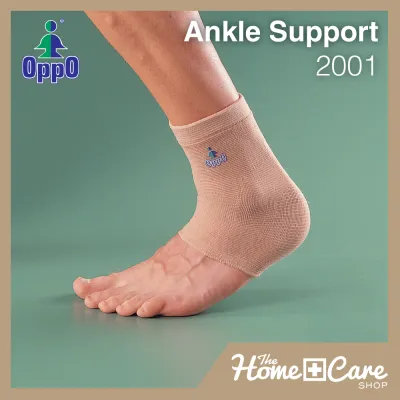
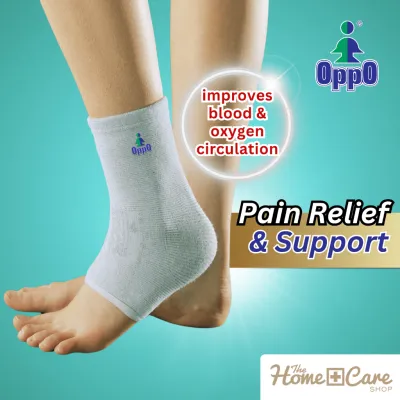
Prices are valid at publication and may change. Please refer to the product page for the latest price.
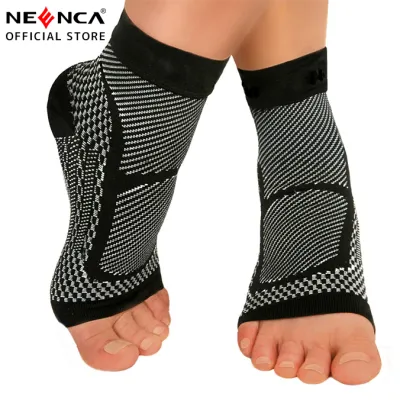
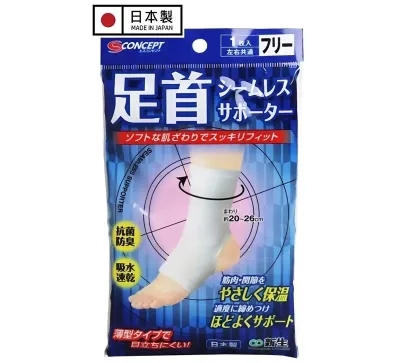
Flexible compression sleeves are designed primarily for mild swelling management, improved proprioception, and light warmth. Proprioception refers to your body’s awareness of its position in space, which can be slightly compromised after minor strains. These sleeves do not physically prevent the ankle from rolling, but they provide sensory feedback that helps you maintain better alignment during low-impact activities.
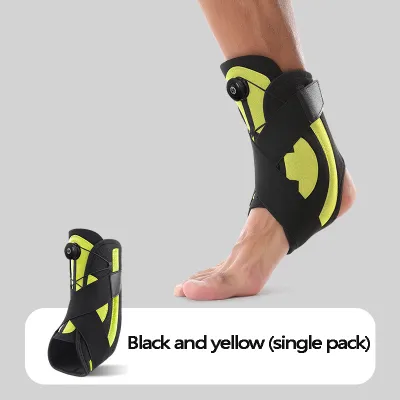
Semi-rigid stabilizers incorporate adjustable straps, laces, or flexible side stays to limit lateral movement while allowing forward and backward bending. These are highly suitable if you have a history of mild sprains and require extra reassurance during lateral movements. They offer a middle ground, providing noticeable structural reinforcement without completely locking down the joint.
Rigid immobilizers feature hard plastic or metal guards that strictly limit both lateral and rotational movement. These are typically reserved for acute injury recovery, severe chronic instability, or post-surgery rehabilitation. Because they highly restrict movement, they should generally be used under the guidance of a healthcare professional to avoid altering your natural gait over long periods.
It is crucial to recognize when an ankle issue requires professional medical evaluation rather than self-treatment with an over-the-counter support. If you experience severe swelling, visible bruising, an inability to bear weight on your foot, or sharp, localized pain, you should consult a doctor or physiotherapist immediately. Using a brace to mask severe pain during physical activity can lead to further joint damage and prolonged recovery times.
Your personal injury history and joint laxity should dictate your baseline support level. If you have hypermobile joints or a history of recurrent sprains, your ligaments may require more structural support than a simple elastic sleeve can provide. Conversely, if you are using a support purely for preventative confidence during occasional workouts, a lightweight, flexible option is often sufficient to keep you moving safely.
Essential Features for Comfort and Stability
Singapore’s persistent humidity makes material selection one of the most critical factors in choosing an ankle support. Traditional neoprene is highly durable and provides excellent heat retention, which can be beneficial for soothing stiff joints. However, in a tropical climate, solid neoprene can trap sweat against the skin, leading to fungal infections, heat rashes, and slippage inside your shoe.

For active use in Singapore, look for advanced knit fabrics, perforated neoprene, or nylon-spandex blends. These materials feature moisture-wicking properties that pull sweat away from the skin and allow air to circulate freely. Lightweight engineered knits offer the added benefit of targeted compression zones, providing tighter support around the arch and ankle collar while remaining highly breathable over the top of the foot.
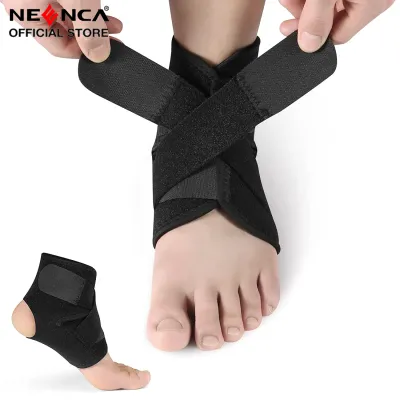
Strap configurations play a vital role in how customizable and secure the support feels during movement. Figure-eight straps mimic athletic taping techniques, wrapping under the arch and crossing over the front of the ankle to lock the heel in place. This design is highly adjustable, allowing you to tighten or loosen the support as your foot swells during a long workout.
Lace-up designs offer a highly secure, uniform fit along the entire length of the ankle, but they take longer to put on and adjust. Sleeve designs with integrated elastic straps offer a convenient compromise, allowing quick application while still providing adjustable tension. When evaluating straps, ensure the hook-and-loop fasteners are high-quality and low-profile so they do not snag on your socks or the interior lining of your shoes.
Profile thickness and structural stays directly impact how easily the support fits inside your footwear. Rigid plastic or spiral steel stays provide excellent lateral reinforcement, but they add bulk to the sides of the ankle. If you plan to wear the support with fitted athletic shoes, look for low-profile designs that utilize thin, high-tensile materials or removable stays, allowing you to customize the brace’s thickness based on the shoe you are wearing.
Matching the Right Brace to Your Sport and Activity
Different physical activities place unique demands on your lower limbs, meaning a brace that works perfectly for one sport may be entirely unsuitable for another. For low-impact activities such as walking, light gym training, or yoga, a flexible, low-profile compression sleeve is usually the most practical choice. These sleeves fit easily under standard socks and casual shoes, providing subtle warmth and joint awareness without restricting your natural stride.
High-impact sports that involve rapid directional changes, jumping, and lateral cutting—such as netball, basketball, tennis, and badminton—require a much higher level of stabilization. During these activities, the ankle is highly susceptible to inversion sprains, where the foot rolls inward under the weight of the body. For these sports, a semi-rigid brace with figure-eight straps or integrated lateral stabilizers is highly recommended to protect the joint during sudden stops and pivots.
When playing on outdoor courts in Singapore, which can become slick from sudden tropical downpours or high humidity, traction and joint stability become even more critical. A supportive brace can provide an extra layer of defense against slips, but it must be paired with court-specific shoes that offer adequate grip. Never rely on an ankle support to compensate for worn-out outsoles or inappropriate footwear.
During recovery and post-injury phases, your primary goal is to protect the healing ligaments from any sudden, uncontrolled movements. This phase typically requires maximum restriction, which is best achieved through a rigid brace or a highly structured lace-up stabilizer. It is essential to coordinate with a physiotherapist during this time to determine the exact transition point from a rigid support to a more flexible one as your strength returns.
Sizing, Fit, and Footwear Compatibility
Achieving a proper fit is essential for both the effectiveness and safety of an ankle support. A brace that is too loose will fail to provide the necessary stabilization, while one that is too tight can restrict blood circulation, cause numbness, and lead to painful pressure points. Because women’s feet often feature narrower heels and different arch heights compared to unisex proportions, relying solely on standard shoe sizes can result in an improper fit.
To find your correct size, always refer to the manufacturer’s specific measurement guide rather than guessing based on your shoe size. Most reputable brands require you to measure the circumference of your ankle just above the ankle bone, or diagonally across the heel and instep. Use a flexible measuring tape and take the measurement while standing naturally with your weight evenly distributed.
Once you receive the support, it is vital to test it with the specific footwear you plan to wear during your activities. Slip the brace on, put on your typical athletic socks, and lace up your shoes completely. Walk around on a flat surface and pay close attention to any heel slippage inside the shoe; if your heel lifts excessively, the added bulk of the brace may be pushing your foot too far forward or upward.
Perform a thorough fit check by standing still and moving your foot in various directions. Check for any immediate pressure points, particularly around the Achilles tendon, the base of the heel, and the prominent bones on either side of the ankle. If you experience any tingling, coldness in your toes, or deep red marks on your skin after a few minutes of wear, the support is likely too tight or misaligned and should be adjusted or resized.
Purchasing Safely and Verifying Product Authenticity
When shopping for ankle supports in Singapore, purchasing from reputable sources ensures you receive genuine, high-quality products that perform as intended. Authorized medical supply shops, specialty sports retailers, and established department stores are reliable physical locations where you can often view the products in person. If purchasing online, stick to official brand stores or verified malls on major ecommerce platforms to avoid counterfeit items that lack proper structural integrity.
Before finalizing your purchase, carefully verify the manufacturer’s specifications and return policies. Because ankle supports are classified as personal hygiene items, many retailers do not accept returns or exchanges once the packaging has been opened or the product has been tried on. Double-check your measurements against the brand’s sizing chart to minimize the risk of ordering an unusable size.
Examine the product labels and descriptions for exact material composition, especially if you have sensitive skin or known allergies. If you have a latex allergy, look for explicit “latex-free” certifications on the packaging, as many elasticated supports utilize natural rubber latex for stretch. Additionally, review the care instructions to ensure the maintenance requirements align with your lifestyle, as some high-performance fabrics require specific washing routines to preserve their elasticity.
Frequently Asked Questions (FAQ)
How long should I wear an ankle support during a workout?
You should generally wear an ankle support only for the duration of your active workout or sports session. Putting the brace on just before your warm-up and removing it immediately after your cool-down prevents excessive sweat buildup and minimizes skin irritation. If you experience any numbness, tingling, sharp pain, or skin discoloration while wearing the support, remove it immediately to restore proper circulation.
Can I wash my ankle brace in a washing machine?
You should always check the care label on your specific ankle support, as washing instructions vary by material. Many structured braces with rigid plastic stays, metal hinges, or heavy Velcro straps should be hand-washed in cool water with a mild detergent to prevent damage to the components and the washing machine drum. If the label permits machine washing, place the brace in a mesh laundry bag, secure all Velcro straps to prevent snagging, use a gentle cycle with cold water, and always air-dry the brace away from direct heat sources.
Will wearing an ankle support weaken my ankle muscles over time?
Using an ankle support as a temporary aid during high-impact sports or early injury recovery will not cause muscle weakness. However, relying on a highly restrictive brace continuously for daily activities without performing rehabilitation exercises can lead to dependency and reduced joint mobility. To maintain long-term joint health, use the support as a safety net during demanding activities, and consult a physiotherapist to guide you through targeted strengthening and balance exercises.

Community discussion
Share your experience or ask a question. Comments are reviewed before publication.