
Choosing the right badminton backpack size depends on balancing your active racket count with your daily commuting realities. If you carry one or two rackets and travel light, a compact 2-racket backpack is ideal. For players who need to carry shoes, a change of clothes, and up to three rackets, a dedicated 3-racket backpack offers the best balance. Serious players or tournament competitors carrying four or more rackets alongside extensive gear will require a larger 6-racket backpack or multi-compartment bag.
In Singapore, where many players commute to sports halls via the MRT or public buses, the physical size of your bag directly impacts your travel comfort. A bag that is too bulky can make navigating crowded trains during peak hours incredibly stressful, while a bag that is too small will force you to carry extra hand luggage. Finding the sweet spot requires evaluating your gear inventory, your transit route, and the tropical climate conditions.
Assess Your Racket Collection and Gear Needs
Start by laying out all your rackets to evaluate your actual carrying requirements. Count how many you actively play with during a single session versus how many you keep as backups in case of string breakage. If you are a casual player who only needs one racket, your capacity needs are minimal. However, if you play competitive matches or use high-tension strings that are prone to snapping, carrying at least two or three rackets is a practical necessity to avoid having your session cut short.
Products mentioned in this guide
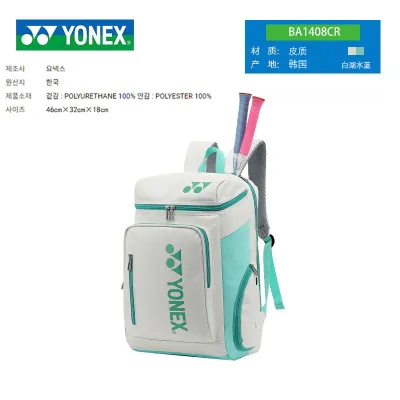
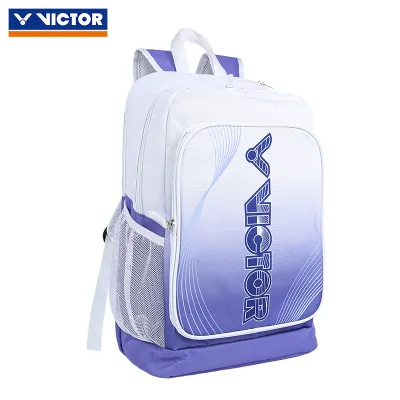
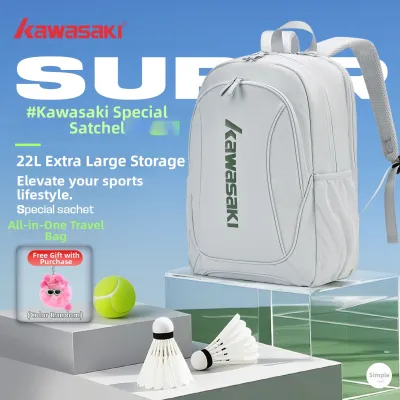
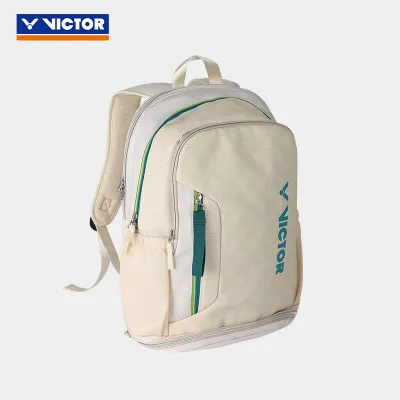
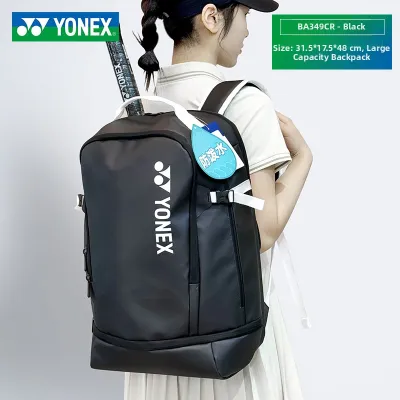
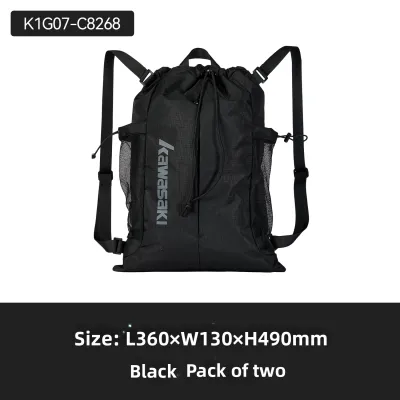
Prices are valid at publication and may change. Please refer to the product page for the latest price.
Next, list the non-racket items you must carry to every session. This typically includes a pair of court shoes, a tube of shuttlecocks, replacement grip tapes, a towel, and a water bottle. If you head to the court straight from work or school, you also need to account for a laptop, office documents, and a change of clothes. These items often take up far more physical volume than the rackets themselves, requiring dedicated compartments to keep everything organized.
Consider your peak load scenarios rather than your lightest days. A weekly casual session might only require your racket and shoes, but a weekend tournament or intensive training session might demand extra apparel, energy snacks, and personal care items. Choosing a bag based solely on your lightest days can leave you struggling to pack when you need to carry a full set of gear.
Think about how you prefer to organize your belongings after a hard game. Sweaty sportswear, damp towels, and used court shoes need to be kept separate from your clean clothes, laptop, and expensive rackets. If your bag lacks dedicated compartments to isolate these items, you will end up using multiple plastic bags, which defeats the purpose of an organized sports backpack.
Match Backpack Capacity to Your Load (2, 3, or 6 Rackets)
The 2-racket backpack is the ultimate choice for minimalists and casual players. These bags are designed with a slim profile, featuring a dedicated rear compartment that holds one or two rackets with the handles extending upward. They are highly compact, lightweight, and easy to carry, making them perfect for quick trips to the court when you do not need to carry a lot of extra gear. However, they rarely have space for a full pair of shoes alongside other large items, meaning you might have to wear your court shoes during your commute.

For the majority of regular players, a 3-racket backpack serves as the most versatile middle ground. These bags typically feature a slightly wider main compartment that can comfortably hold two to three rackets, or a combination of two rackets and a change of clothes. Many models in this category include a dedicated shoe compartment at the bottom or side, allowing you to keep your court shoes isolated from your clean gear. This size easily accommodates a water bottle, a tube of shuttlecocks, and personal items without feeling overly bulky on your back.
When you step up to a 6-racket bag, you are looking at a much larger piece of equipment, often designed as a traditional rectangular racket bag with backpack straps. These are built for serious club players and tournament competitors who carry four or more rackets to ensure they always have the right setup for different playing conditions. They offer massive storage capacity, with multiple large compartments to hold several pairs of shoes, extensive apparel, and multiple tubes of shuttlecocks.
While a larger bag ensures you never run out of space, the trade-off is everyday carrying bulk. A 6-racket bag can feel incredibly cumbersome when walking long distances or standing on a crowded bus. Conversely, a 2-racket bag might force you to carry your shoes in a separate hand-held tote, which can be inconvenient during a daily commute. Evaluating how often you actually need to carry a maximum load will help you avoid buying a bag that is unnecessarily large or frustratingly small.
Factor in Public Transport and Commuting Comfort
Commuting via the MRT or public buses in Singapore during peak hours requires a bag with a manageable physical footprint. A bulky, wide racket bag can easily bump into other passengers in tight train carriages or narrow bus aisles. A streamlined backpack that sits close to your body allows you to move freely without causing disruption to those around you. Many players prefer backpacks where the racket handles point straight up or slightly to the side, keeping the overall width of the bag within shoulder limits.
Singapore’s high heat and humidity can take a toll on your badminton equipment. Transitioning from air-conditioned train stations to hot, humid outdoor walkways causes rapid temperature shifts that can affect racket string tension and even weaken carbon fiber frames over time. Look for backpacks that feature thermal-lined compartments. These specialized linings help regulate the internal temperature of the racket pocket, shielding your valuable gear from extreme environmental changes during your commute.
Carrying a fully loaded bag from the nearest MRT station to an ActiveSG sports hall or private court can place significant strain on your shoulders and back. High-quality ergonomic padding on the back panel and shoulder straps is essential for distributing weight evenly. Look for adjustable chest straps that help stabilize the load, preventing the bag from shifting side to side as you walk. Breathable mesh padding along the back panel is also crucial for promoting airflow, helping to reduce sweat buildup on your back during warm outdoor walks.
Key Features to Check Before You Buy
Before making a purchase, verify that the backpack has a dedicated, ventilated shoe compartment. Court shoes accumulate sweat, dust, and odor during play, and keeping them in the same compartment as your clean clothes or rackets is highly unhygienic. A ventilated pocket, usually located at the bottom of the bag with mesh air vents, allows moisture to escape, keeping your shoes dry and preventing odor from building up inside the bag.
Badminton bags are frequently placed on dusty sports hall floors, damp benches, or even outdoor ground near transit stops. Checking for a water-resistant, durable base material—such as heavy-duty polyester or TPU-coated fabric—is vital. This prevents moisture from seeping into the bottom of your bag if it is placed on a wet surface, and makes it much easier to wipe clean after a long day of travel.
Take a close look at the manufacturer’s specifications regarding internal pocket layouts and hardware quality. High-quality, heavy-duty zippers are essential, as racket compartments are under constant tension. Look for dedicated internal pockets for small valuables like keys, phones, and wallets, as well as external mesh pockets for quick access to water bottles. Reinforced stitching at the stress points where the shoulder straps meet the main body of the bag is a key indicator of long-term durability.
Frequently Asked Questions (FAQ)
Can I use a regular laptop backpack instead of a dedicated badminton bag?
While you can physically fit a racket into a standard laptop backpack, it is not recommended for regular use. Standard backpacks lack the specific structural support needed to protect badminton rackets, often leaving the fragile frames exposed to crushing forces. They also lack thermal insulation to protect string tension from heat, and rarely feature isolated, ventilated compartments for sweaty court shoes and damp apparel. Using a dedicated badminton bag ensures your expensive equipment remains secure, organized, and protected from premature wear.
How do I clean and maintain my badminton backpack?
To prolong the lifespan of your badminton backpack, regular maintenance is essential. Wipe down the exterior materials with a damp cloth and mild soapy water to remove dirt and sweat stains, avoiding harsh chemical cleaners that can degrade water-resistant coatings. Always air out the shoe and apparel compartments immediately after every session to prevent mold and persistent odors from developing. Refer to the manufacturer’s care label before attempting any deep cleaning, and never machine wash or tumble dry your sports bag as this can ruin its structural integrity and specialized thermal linings.

Community discussion
Share your experience or ask a question. Comments are reviewed before publication.