
Selecting the right badminton racket bag is essential for protecting your equipment and ensuring a comfortable commute to the court. Whether you are a casual weekend player or a competitive club member, your bag does more than just hold your rackets; it shields delicate strings from humidity, organizes your court shoes, and carries your personal essentials. Choosing the perfect model requires balancing storage capacity, protective features, and carrying comfort. By understanding how different bag designs align with your playing habits, you can find a reliable gear companion that keeps your equipment safe and ready for every match.
Understanding Racket Capacity and Bag Sizes
Badminton racket bags are typically categorized by their maximum racket capacity, with common sizes ranging from 2-racket slim covers to massive 12-racket tournament bags. However, these capacity ratings can be misleading for everyday players. Manufacturers calculate these numbers based on bare rackets stored without their protective head covers. If you keep your rackets in individual soft sleeves or if you carry additional gear, the actual number of rackets you can fit will be significantly lower.
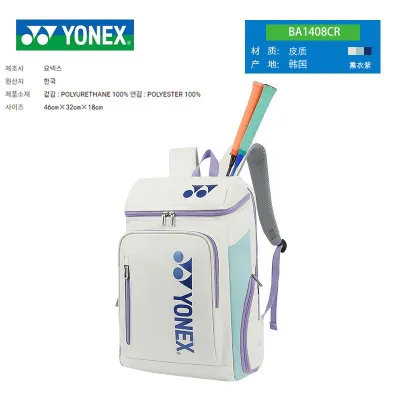
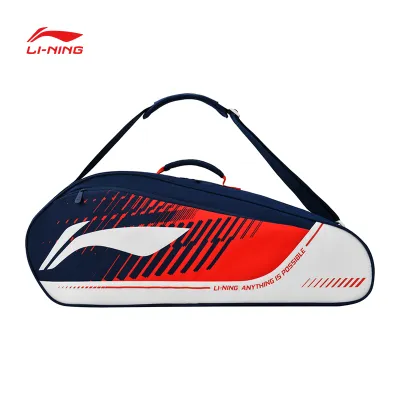
For most regular players, a 6-racket bag serves as the sweet spot for storage and utility. This size typically features two main compartments, allowing you to dedicate one side to two or three rackets and the other side to your court shoes, a tube of shuttlecocks, and a change of clothes. If you prefer to travel light and only carry one or two rackets, a specialized badminton backpack or a slim 2-racket sling bag offers excellent mobility.
Products mentioned in this guide
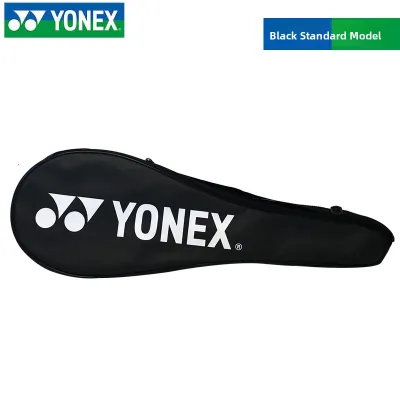
![[😀SG Ready Stock]YONEX YY 1408 series professional badminton bag independent shoe compartment](https://img.lazcdn.com/g/p/bc37ab997b30faf8deb8c0917f220fb4.jpg_400x400q80.jpg_.webp)
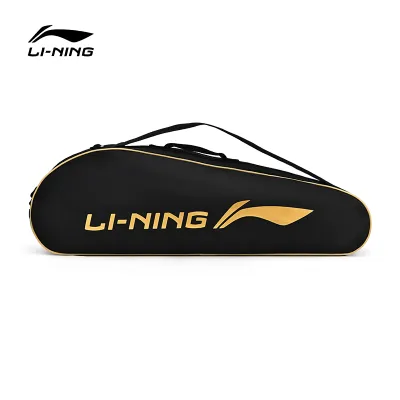
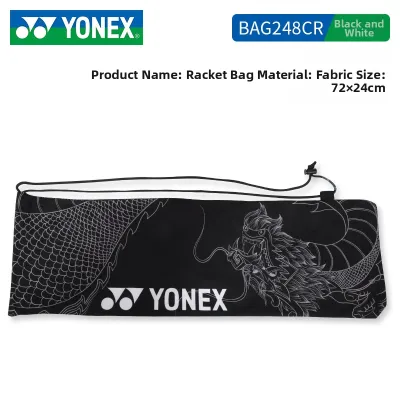
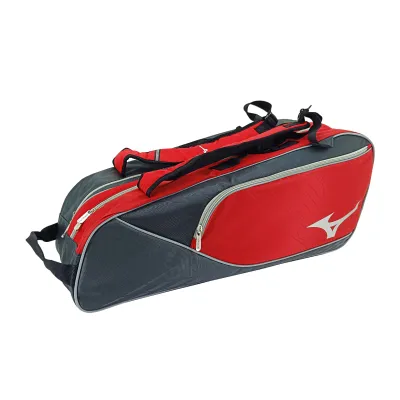
Prices are valid at publication and may change. Please refer to the product page for the latest price.
When choosing a size, consider the trade-offs between storage volume and portability. Larger tournament bags provide ample space but are bulky to carry. If you commute to sports halls via public transport, a compact backpack or a streamlined 6-racket bag with ergonomic shoulder straps will be much easier to manage.
Evaluating Compartment Layouts and Protection
The internal organization of a badminton bag is just as important as its overall size. High-quality bags feature dedicated compartments designed to protect specific types of gear from damage and environmental factors. One of the most critical features to look for is a thermal-insulated compartment. These pockets are lined with heat-reflective material that helps maintain a stable internal temperature. In tropical climates with high humidity and sudden temperature shifts, thermal lining prevents racket strings from losing tension prematurely and protects graphite frames from structural stress.

Another essential feature is a dedicated shoe compartment. Court shoes accumulate dust, sweat, and moisture during play. Keeping them separate from your clean apparel and rackets prevents dirt transfer and maintains hygiene. Look for shoe compartments that load from the bottom or side of the bag and feature mesh ventilation ports. These vents allow air to circulate, helping your shoes dry out and reducing the buildup of unpleasant odors.
Finally, evaluate the overall structural protection of the bag. Check the thickness of the foam padding integrated into the outer walls and compartment dividers. A well-padded bag maintains its shape even when empty, preventing your rackets from being crushed or scratched when the bag is placed in a car trunk or on a crowded bench.
Checking Material Quality and Comfort Features
A durable badminton bag must withstand the wear and tear of regular travel and exposure to various environments. When evaluating outer materials, look for high-density polyester, nylon, or polyurethane-coated fabrics. These materials offer excellent tear resistance and water-repellent properties, which are crucial for protecting your expensive rackets and dry clothes during sudden rain showers. Always check the manufacturer’s product specifications or care labels to verify the water-resistance rating of the outer shell.
Comfort is another vital factor, especially if you carry your bag over long distances. Compare the carrying systems of different models to find one that suits your commuting style. Dual backpack straps are highly recommended for larger bags because they distribute weight evenly across both shoulders, reducing strain on your back. Ensure the straps are wide, heavily padded, and adjustable. For smaller bags, a single padded shoulder strap or a reinforced top grab handle may be sufficient for quick trips from the car to the court.
Do not overlook the quality of the hardware. Zippers are often the first component to fail on a sports bag. Inspect the zipper tracks and pulls; they should be thick, smooth-sliding, and made of durable metal or heavy-duty molded plastic. Double-stitched seams and reinforced stitching at high-stress points, such as where the shoulder straps attach to the bag body, are strong indicators of long-term reliability.
Matching the Bag to Your Playing Habits
To select the ideal bag profile, match the storage features to your specific badminton routine. Casual players who play once a week or less typically only need a simple badminton backpack. These bags hold one or two rackets with the handles exposed, leaving enough room inside for a water bottle, keys, and a wallet. Regular club members who play multiple times a week should opt for a 6-racket bag, which comfortably accommodates a complete gear setup including shoes, spare apparel, and shuttlecocks.
Competitive tournament players who carry four or more rackets, multiple changes of clothes, grip wraps, and recovery accessories will find a 9-racket or 12-racket bag indispensable. Before making a final decision, use a practical checklist to verify the bag’s physical dimensions. Ensure the racket compartment is long enough to fully enclose your rackets—standard adult badminton rackets are approximately 675 millimeters long. Additionally, if you plan to store your bag in a locker at your local sports complex or gym, check the locker dimensions beforehand to ensure a proper fit.
Frequently Asked Questions (FAQ)
Can I use a regular sports backpack instead of a dedicated badminton bag?
While a standard sports backpack can carry your gear, it lacks the specialized structural protection and organization of a dedicated badminton bag. Regular backpacks typically do not have compartments long enough to fully enclose a badminton racket, leaving the handle exposed to rain, dust, and accidental impacts. Furthermore, they lack thermal insulation to protect string tension and dedicated, ventilated shoe compartments to isolate dirty court shoes from clean clothing.
How do I clean and maintain my badminton racket bag?
To extend the lifespan of your badminton bag, regularly empty all compartments and wipe down both the interior and exterior surfaces with a damp cloth and mild soapy water. Avoid machine washing or using harsh chemical detergents, as these can degrade water-resistant coatings and damage thermal linings. Always check the manufacturer’s care label for specific cleaning instructions, and allow the bag to air-dry completely in a shaded, well-ventilated area before storing it away.

Community discussion
Share your experience or ask a question. Comments are reviewed before publication.