
Starting your golf journey in Singapore is an exciting endeavor, whether you are practicing your swing at a local driving range, refining your short game on a condominium putting green, or setting up a hitting net in your backyard. However, one aspect of practice that many beginners overlook is the physical effort required to gather golf balls after a long session. Hitting dozens of balls is excellent for building muscle memory, but bending down to pick up each ball individually can quickly lead to physical fatigue, lower back strain, and a disrupted practice rhythm.
To maximize your practice efficiency and protect your body, investing in a dedicated ball picker is a highly practical decision. These tools allow you to collect multiple balls quickly and comfortably while remaining upright. When choosing the right option for your needs, you must consider the specific environments where you will practice, the storage limitations of typical Singapore homes, and the durable materials required to withstand the local tropical climate. This guide will help you evaluate the key features, compare the common types of ball pickers, and select the ideal tool to keep your practice sessions productive and enjoyable.
Why Beginner Golfers Benefit From a Dedicated Ball Picker
Using a dedicated ball picker is not just about convenience; it is a fundamental way to improve the quality of your practice sessions. When you are new to golf, consistency is key. You need to focus on your grip, stance, alignment, and swing mechanics. If you have to stop every few minutes to bend over, search for balls, and gather them one by one, you break your concentration and disrupt the physical rhythm you are trying to establish. A ball picker allows you to transition smoothly from hitting to collecting, keeping your mind focused on your technique rather than the chore of cleanup.
Products mentioned in this guide
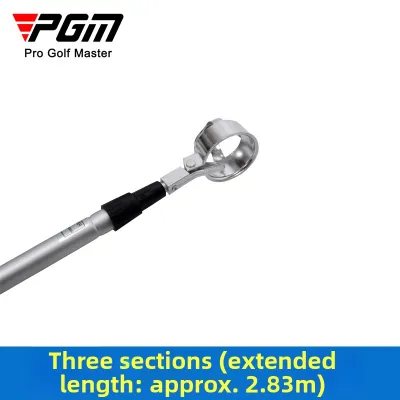
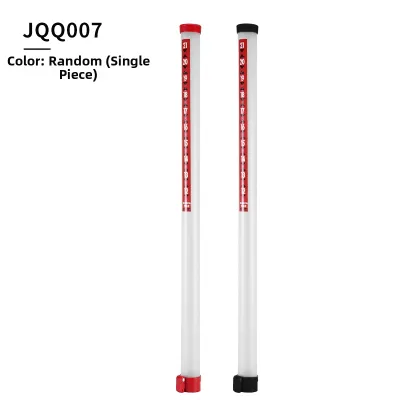
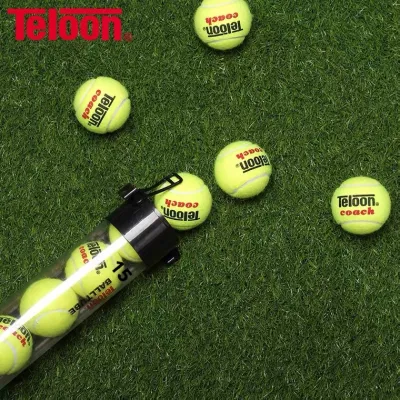
Prices are valid at publication and may change. Please refer to the product page for the latest price.
Physical longevity and comfort are also major factors, especially during high-volume practice sessions. Repetitive bending and reaching can place significant strain on your lower back, hamstrings, and knees. Over time, this minor discomfort can accumulate, leading to fatigue that cuts your practice sessions short or even causes minor injuries. By using a picker that allows you to stand completely upright while gathering balls, you protect your body from unnecessary wear and tear. This is particularly beneficial for beginners who may not yet have developed the specific core and back strength used in golf.
Additionally, using a proper collection tool helps protect the practice environment itself. Whether you are practicing on natural grass in a backyard, artificial turf on a balcony, or a dedicated putting green, walking back and forth repeatedly can cause localized wear. Heavy foot traffic can compact soil, damage delicate turf fibers, or create muddy patches on natural lawns. A ball picker allows you to gather balls efficiently with minimal steps, reducing the overall footprint of your practice session and keeping your training area in optimal condition.
Key Features to Evaluate When Choosing a Ball Picker
When shopping for a ball picker, it is important to look beyond basic aesthetics and evaluate the specific engineering details that determine how well the tool will perform over time. The first feature to consider is the tube capacity and diameter. Standard golf balls have a regulated diameter of approximately 42.67 millimeters, so any picker you choose must have an opening and internal channel designed to accommodate this size securely. The capacity of the picker—how many balls it can hold at once—should align with your typical practice routine. For instance, if you usually practice with a bucket of 30 balls, a picker with a 30- to 45-ball capacity will allow you to clear your practice area in a single pass without needing to empty the tool mid-way through.

Material durability is another critical factor, particularly given Singapore’s unique environmental conditions. The local climate is characterized by high humidity, intense sunlight, and frequent rainfall, all of which can accelerate the degradation of outdoor sports equipment. When evaluating a ball picker, check the manufacturer’s specifications for materials that resist rust and UV damage. Anodized aluminum, stainless steel, and heavy-duty, UV-stabilized plastics are excellent choices. Avoid low-grade, untreated metals that can quickly rust when exposed to damp grass, as well as cheap plastics that can become brittle and crack after prolonged exposure to tropical sunlight.
Ergonomics and handle design play a direct role in how comfortable the tool is to use. Look for handles with ergonomic grips made from non-slip materials like textured rubber or high-density foam, which provide a secure hold even when your hands are sweaty from the tropical heat. The length of the handle is also important; it should be long enough to allow you to stand fully upright without slouching. Some models feature telescopic shafts that can be adjusted to match your height, which is a highly useful feature if multiple family members will be using the same equipment.
Finally, if you are considering a wheeled or rolling model, pay close attention to the base and wheel stability. The wheels should be wide enough to roll smoothly over uneven natural grass, artificial turf, or driving range mats without sinking, snagging, or tipping over. High-quality bearings and sturdy wheel mounts ensure that the picker glides effortlessly, reducing the physical effort required to push or pull the device across your practice space.
Common Types of Ball Pickers for Home and Range Practice
Ball pickers come in several distinct designs, each optimized for different practice scenarios, spaces, and user preferences. Understanding the strengths and limitations of each type will help you narrow down your choices to the one that best fits your routine.
Rolling tube pickers, often referred to as shag tubes, are among the most popular choices for individual golfers. These devices consist of a lightweight aluminum or plastic tube with a specialized one-way tension gate or spring mechanism at the bottom. To collect a ball, you simply place the bottom of the tube over the ball and press down gently. The ball slips past the tension mechanism and is held securely inside the tube. As you collect more balls, they stack vertically inside the shaft. Rolling tubes are exceptionally lightweight, highly portable, and ideal for flat surfaces like putting greens, driving mats, or short backyard grass. However, because they collect balls one by one, they may require more time if you need to clear a very large area with scattered balls.
Push-along basket pickers, also known as rolling wire cages or shag carts, are designed for high-volume collection over larger areas. These tools feature a cylindrical wire basket mounted on wheels with a long handle. As you push the basket forward across the ground, the wires flex slightly when they pass over a golf ball, allowing the ball to enter the cage where it remains trapped. This design is incredibly efficient for clearing wide radii of scattered balls, making it a favorite for golfers who practice chipping in large backyards or open fields. The primary trade-offs are that these wheeled baskets are bulkier to store, heavier to transport, and may struggle on highly uneven terrain or very thick, unkempt grass where the wheels can get stuck.
Handheld or claw-style pickers represent the simplest and most compact option. These are typically small suction cups or plastic claw attachments that secure to the grip end of your putter or a short, dedicated stick. They are designed strictly for picking up individual balls from a putting cup or the ground without requiring you to bend over. While they are excellent for saving your back during a casual putting session on a green, they are not designed for bulk collection. Trying to clear a practice area of dozens of balls using a claw attachment is slow and inefficient, making this type a supplementary tool rather than a primary collection solution for high-volume practice.
Building Your Shortlist: Matching the Picker to Your Practice Space
To finalize your decision, you must match the features and types of ball pickers to the specific physical constraints of your practice environment and lifestyle in Singapore. The first step is assessing the practice surface you will use most frequently. If you primarily practice on hard driving range mats or smooth indoor putting greens, a rolling tube picker with a plastic or rubberized bottom is ideal, as it will not scratch the surface or damage the mat fibers. If you practice on natural grass lawns, such as those found in condominiums or landed properties, ensure the picker’s mechanism—whether it is a tension wire or a rolling wheel—can handle the resistance of the grass blades without getting clogged with mud or clippings.
Storage and portability are major considerations for many Singapore residents, where apartment living often means limited storage space. A bulky, non-foldable wheeled basket may be difficult to store in a standard HDB flat or condominium utility closet. For these living spaces, compact designs are highly preferable. Look for rolling tubes with telescopic shafts that can collapse to a fraction of their full length, or shag bags with foldable handles that can easily slide under a bed, fit into a closet corner, or sit neatly in your car trunk alongside your golf bag.
Before making a purchase, it is also wise to verify retailer policies and product support. Whether you are buying from a local pro shop in Singapore or an online marketplace, check the return conditions and warranty coverage. High-quality ball pickers should come with a manufacturer’s warranty that covers structural defects, particularly on moving parts like tension springs, wheels, and locking joints. Additionally, check if the product requires assembly upon arrival. Some wheeled models may require basic tools to put together, so ensure that clear instructions and all necessary hardware are included in the package.
Care and Maintenance to Extend Your Picker's Lifespan
A golf ball picker is an investment in your practice routine, and taking proper care of it will ensure it remains functional and reliable for years to come. The most important maintenance task is regular cleaning. During outdoor practice sessions, the picker’s wheels, tension gates, and internal channels can easily collect mud, sand, grass clippings, and other outdoor debris. This accumulation can clog the moving parts, reduce the effectiveness of the ball grip, and scratch your golf balls. After each use, take a few minutes to rinse the picker with clean water, using a soft brush to remove any stubborn dirt from the wheels and tension mechanisms, then wipe it dry with a clean cloth.
In addition to cleaning, you should periodically inspect the picker’s mechanical components for signs of wear and tear. Check the tension wires, springs, or plastic retaining clips at the bottom of rolling tubes to ensure they have not stretched, bent, or cracked. If these components lose their tension, balls will begin to slip out of the picker during collection. If you notice any wear, consult the manufacturer’s guidelines for replacement parts or adjustments. Never attempt to force bent wires back into shape with heavy tools, as this can weaken the metal and cause it to snap.
Proper storage is the final key to extending your picker’s lifespan, especially in Singapore’s tropical environment. Prolonged exposure to high humidity, moisture, and direct sunlight can cause metal parts to rust and plastic components to degrade, fade, and become brittle. Always store your ball picker in a dry, shaded indoor area, such as a closet, utility room, or a covered garage. Avoid leaving the tool on an open balcony, in the trunk of a hot car for extended periods, or outdoors where it is exposed to the elements. By keeping it clean, dry, and sheltered, you will ensure that your ball picker is always ready for your next practice session.
Frequently Asked Questions (FAQ)
Can a standard ball picker pick up practice balls or foam balls?
Standard ball pickers are specifically engineered to match the weight, diameter, and structural rigidity of official golf balls. Lightweight practice balls, such as those made of foam or hollow plastic, may not have enough mass or structural strength to trigger the tension gates or spring mechanisms found on rolling tubes and wheeled baskets. Attempting to use a standard picker on soft foam balls can sometimes compress the ball without collecting it, or cause the ball to get stuck in the mechanism. Before purchasing, always check the manufacturer’s specifications to verify if the picker is compatible with non-standard ball diameters and materials.
How do I release the balls from a rolling tube picker?
Emptying a rolling tube picker is designed to be a quick and simple process that does not require you to touch each ball individually. Most high-quality rolling tubes feature a dedicated release mechanism at the top of the shaft. This is typically a sliding gate, a removable rubber cap, or a quick-release lever that opens the top end of the tube. To empty the collected balls safely, position the open top of the tube directly over a practice bucket, basket, or shag bag, and tilt the tube downward to let the balls slide out smoothly. Always avoid shaking the tube violently or emptying it onto a hard, flat floor, as this can cause the balls to scatter and roll away, creating an unnecessary cleanup chore.
Are there motorized or automatic ball pickers for home use?
While large-scale motorized, ride-on, or robotic ball pickers are commonly used by commercial driving ranges and golf courses to clear vast outfields, they are generally impractical, excessively expensive, and oversized for residential use. For home practice setups, backyard nets, or personal putting greens, manual ball pickers—such as rolling tubes, shag bags, and push-along wheeled baskets—are the standard and most practical choice. These manual options are highly cost-effective, require no electrical power or battery maintenance, take up minimal storage space, and are perfectly scaled for the volume of balls a single golfer uses during a personal practice session.

Community discussion
Share your experience or ask a question. Comments are reviewed before publication.