
Selecting the right bicycle tail light for Singapore’s Park Connector Network (PCN) requires balancing personal safety with trail courtesy. Unlike open roads where high-intensity, long-range beams are necessary to alert fast-moving motor vehicles, the PCN is a shared space. Your primary goal is to remain visible to pedestrians, runners, and other cyclists approaching from behind without causing discomfort or temporary blindness. Achieving this balance involves evaluating beam diffusion, mounting stability, weatherproofing, and adjustable brightness modes.
Core Lighting Needs for Singapore's Park Connector Network
The PCN is a unique environment characterized by diverse users moving at highly varied speeds. On any given evening, you will share the path with families walking dogs, runners wearing dark clothing, and personal mobility device users. This high density of mixed traffic means your tail light must signal your presence from a reasonable distance without overwhelming the vision of someone riding directly behind you.
Ambient lighting along the PCN is highly inconsistent. Some sections, such as those running through popular coastal parks, are brightly illuminated by overhead streetlights. Other stretches, particularly canal links or paths bordering nature reserves, can be exceptionally dark. Your tail light must adapt to these transitions, providing enough contrast in well-lit areas while remaining soft enough not to blind others in pitch-black zones.
Products mentioned in this guide
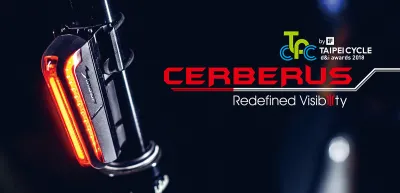
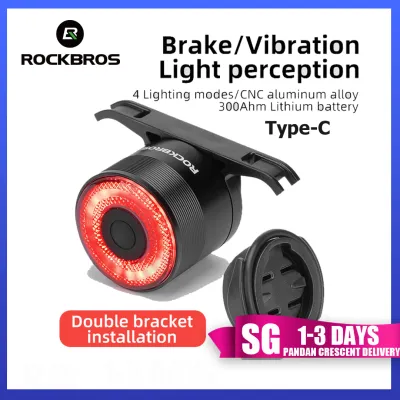
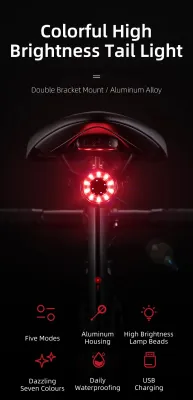
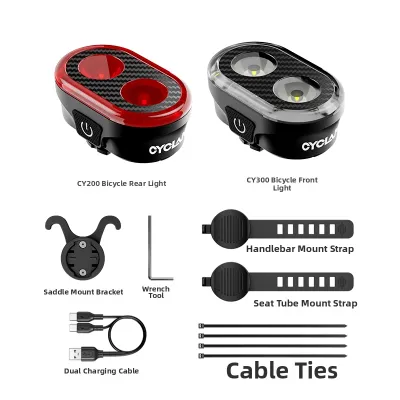
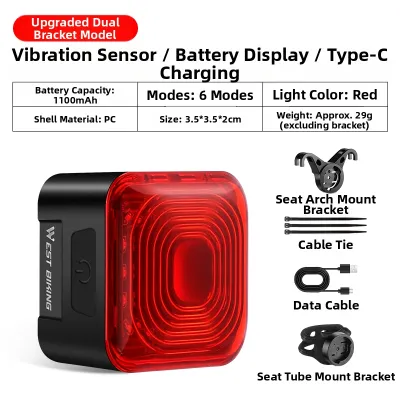
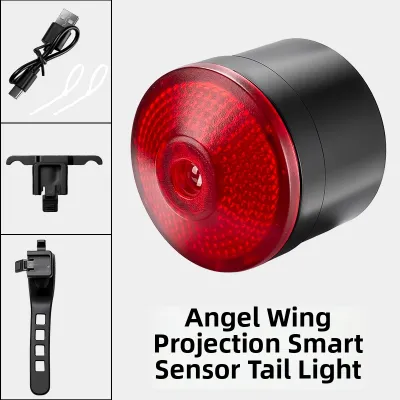
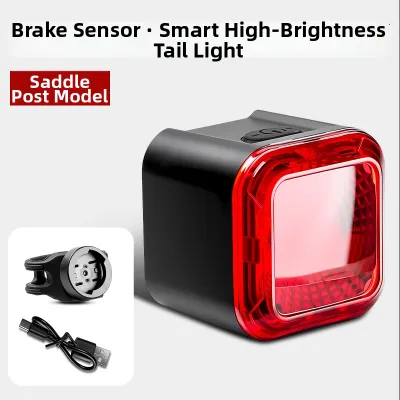
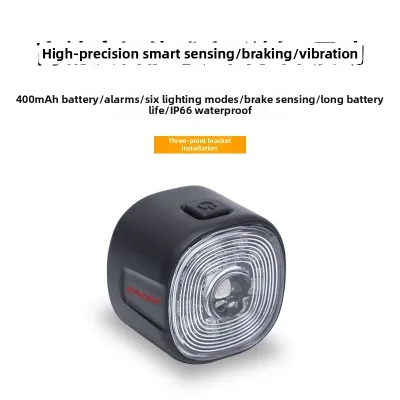
Prices are valid at publication and may change. Please refer to the product page for the latest price.
Essential Features for Shared-Path Tail Lights
When shopping on online marketplaces or at local bike shops, look for tail lights that emphasize wide-angle beam diffusion. A light with a narrow, focused beam acts like a laser, projecting a harsh hotspot directly into the eyes of trailing cyclists. Instead, opt for lenses designed to scatter light horizontally, which improves side visibility at path intersections while softening the direct rearward glare.

Mounting stability is another critical factor. The PCN features numerous speed bumps, tactile paving, curb transitions, and occasional tree root damage that can jar a loose light out of position. Ensure the mounting bracket or silicone strap fits securely around your seatpost or saddle rails. A loose mount not only risks losing the light entirely but can also cause the beam to bounce erratically, distracting other path users.
Singapore’s tropical climate demands robust weatherproofing. Sudden evening downpours and high humidity can easily penetrate poorly sealed electronics. Check the manufacturer’s product label for an Ingress Protection (IP) rating. A rating of IPX4 is generally considered the minimum for splash resistance, but IPX6 or higher offers better protection against heavy rain, ensuring your light continues to function safely during a sudden storm.
Selecting Brightness Levels and Light Modes
Light output is typically measured in lumens, which indicates total light output, or candela, which measures directional intensity. For night riding on the PCN, a rear light emitting between 10 and 50 lumens is generally sufficient. High-output lights designed for daytime road use—often exceeding 100 lumens—are unnecessarily bright for shared paths at night and should be dialed down to lower settings.
Most modern tail lights offer multiple operational modes, including steady, flashing, and pulsing patterns. While a rapid flashing mode is highly effective at catching attention on busy roads, it can be disorienting and cause visual fatigue on dark, narrow PCN paths. A steady low mode or a gentle, slow-pulsing mode is often the most courteous choice, as it allows trailing riders to judge your distance and speed more accurately.
As you transition between different sections of the PCN, be prepared to adjust your light settings. When entering a dimly lit or unlit stretch, lower your brightness to prevent blinding others. Conversely, when approaching busy road crossings or highly congested park hubs, switching to a low-intensity flash can help you stand out against the background clutter of streetlights and shop signs.
Battery Life and Power Management for Evening Rides
Choosing between USB-rechargeable and replaceable battery models depends on your riding frequency and maintenance habits. USB-rechargeable lights, typically powered by lithium-ion batteries, are highly convenient for regular commuters and environmentally friendly. Replaceable battery models (such as those using AAA batteries) are less common now but can be useful for long-distance touring where charging outlets are unavailable.
Always cross-reference the manufacturer’s runtime specifications with your typical ride duration. Keep in mind that steady modes consume significantly more power than flashing or pulsing modes. If your evening ride lasts two hours, select a light that offers at least four hours of runtime on your preferred steady setting to ensure a safe margin of error.
Effective power management prevents unexpected blackouts on the trail. Look for lights equipped with a clear low-battery indicator, such as a color-changing LED on the power button. For longer routes, such as the Round Island Route, it is wise to carry a compact backup tail light or a portable power bank to recharge your devices during rest stops.
Proper Installation and Pre-Ride Checks
Before setting off, determine the most effective mounting location based on your bicycle’s geometry. While seatpost mounting is the most common, rear racks, saddle bags, or mudguards can obstruct the light. If your seatpost is obscured by a bag, consider saddle-rail mounts or clipping the light to your helmet or jersey pocket, ensuring it remains completely unobstructed.
The angle of your tail light is just as important as its brightness. A light mounted parallel to a sloping seatpost will point upward, projecting its beam directly into the eyes of anyone riding behind you. Adjust the mounting bracket so the light face is perpendicular to the ground or angled slightly downward, directing the beam toward the pavement behind your rear wheel.
Establish a quick pre-ride routine to verify your equipment’s readiness. Check that the battery is fully charged, the mounting strap is tight, and the lens is clean. Dust, mud, or road grime on the lens can severely reduce light output and alter the diffusion pattern, compromising your visibility on the path.
Frequently Asked Questions (FAQ)
Are rear lights legally required for cycling on the Park Connector Network?
Yes, active mobility regulations in Singapore require cyclists to display a red light or a red reflector on the back of their bicycle when riding during hours of darkness. To ensure maximum safety, relying on an active, powered red light is highly recommended over a passive reflector alone, as reflectors require an external light source to become visible. Always check the latest guidelines from the Land Transport Authority (LTA) for updated equipment mandates.
Can I use a high-output tail light on bright, well-lit PCN segments?
While you can use a high-output light, you should avoid running it at maximum brightness on well-lit or crowded PCN segments. High-intensity beams can cause discomfort, glare, and temporary blindness for pedestrians and trailing cyclists, especially in dark environments. It is best to switch to a lower lumen setting or a gentle pulse mode to maintain visibility without compromising the comfort and safety of other path users.

Community discussion
Share your experience or ask a question. Comments are reviewed before publication.