
The best compact gym bike for a small HDB flat is one that balances a minimal physical footprint with the structural stability required for your workout intensity. For most space-constrained homes, this means choosing between a folding magnetic upright bike or a compact indoor cycling bike with built-in transport wheels.
Living in a high-density residential estate in Singapore requires smart space planning. Every square meter of floor space is valuable, making oversized commercial gym equipment impractical for daily living.
To find the right fit, you must evaluate your available floor area, understand the physical dimensions of different bike types, and identify key space-saving features that allow the equipment to blend seamlessly into your home without obstructing daily movement.
Products mentioned in this guide
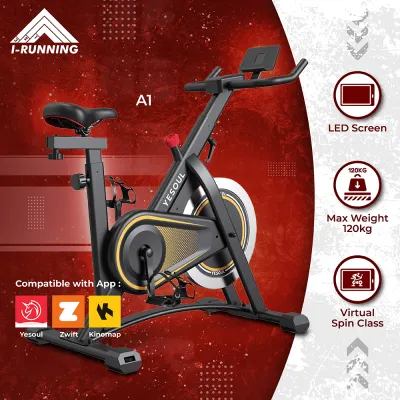
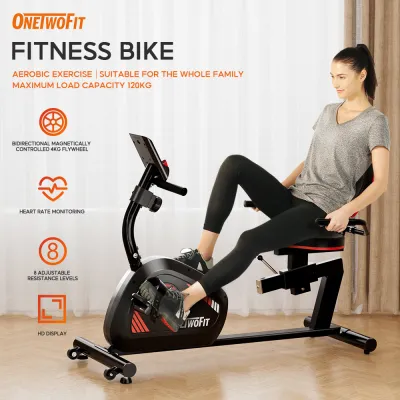
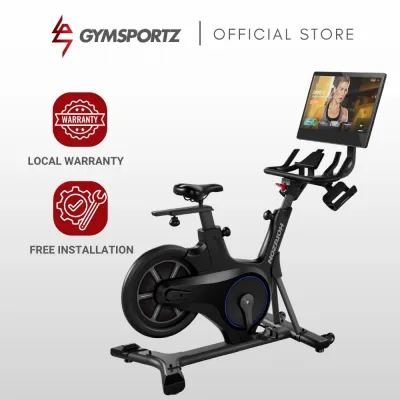
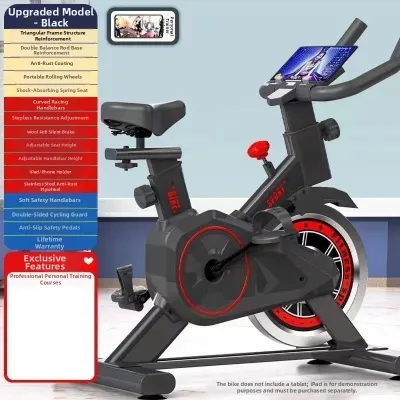
Prices are valid at publication and may change. Please refer to the product page for the latest price.
Defining the Ideal Compact Gym Bike for Tight Spaces
In a typical HDB bedroom or living room corner, a truly compact gym bike should ideally occupy less than 0.5 square meters of floor space when in use. This small footprint allows you to set up a dedicated workout zone without permanently blocking walkways or access to built-in wardrobes.
However, reducing the physical size of the machine must not come at the expense of structural stability. A bike that wobbles or rocks during a workout is not only distracting but can also pose a safety hazard, especially on smooth tile or vinyl flooring.
To ensure a safe workout, look for models that feature wide stabilizer bars and adjustable leveling feet. Always verify the exact manufacturer dimensions rather than relying on vague marketing terms like “mini” or “space-saving,” as these labels are not standardized across different brands.
How to Measure Your HDB Room for a Gym Bike
Before purchasing any fitness equipment, use a physical measuring tape to map out the exact length and width of your designated workout corner. Do not rely on visual estimates, as gym equipment often appears smaller in large retail showrooms than it does in a standard residential room.

When planning the layout, add at least 50 to 60 centimeters of clearance space on all sides of the bike. This extra space is essential for mounting and dismounting safely, and it ensures you do not accidentally strike nearby furniture or walls during an active workout.
Do not forget to account for vertical space and overhead obstacles. If you plan to stand up on the pedals during high-intensity intervals, measure the height from the pedals at their lowest point to your head, ensuring you have ample clearance from ceiling fans, light fixtures, or low-hanging beams.
Finally, check the transit path from your front door to the final room. Measure the width of your HDB main gate, front door, narrow hallways, and the elevator entrance to guarantee that the boxed or fully assembled bike can be moved into your home without getting stuck.
Essential Space-Saving Features to Evaluate
When shopping for a compact gym bike, specific design elements can make a significant difference in how easily the machine integrates into a small home.
Folding Mechanisms Many upright gym bikes feature an X-frame design that allows the frame to fold in half when not in use. When evaluating these models, check if the folded bike can stand securely on its own or if it requires leaning against a wall, which can be unstable. Some advanced folding models can even be folded flat enough to slide under a bed frame or fit inside a utility closet.
Built-In Transport Wheels Even a lightweight gym bike can be awkward to lift and carry. Look for models equipped with heavy-duty transport wheels integrated into the front stabilizer bar. This allows you to easily tilt the bike forward and roll it out of the way once your workout session is complete, minimizing physical strain.
Magnetic Resistance Systems Bikes utilizing magnetic resistance systems are generally more compact than those with heavy, belt-driven physical flywheels. Magnetic systems use adjustable magnets to create resistance, allowing manufacturers to use smaller, lighter flywheels while still maintaining a smooth pedaling motion. This design choice significantly reduces both the overall weight and the physical footprint of the machine.
Comparing the Footprints of Different Gym Bike Types
Different styles of gym bikes offer distinct spatial advantages and trade-offs, depending on your fitness goals and available space.
Upright Gym Bikes Upright bikes offer a highly vertical, space-efficient footprint. They position your body in a posture similar to a traditional road bicycle, making them excellent for general cardio workouts. Because they do not require a long frame, they are often the easiest style to fit into a tight bedroom corner.
Recumbent Gym Bikes Recumbent bikes feature a reclined seat with back support and pedals positioned in front of the rider. While they offer excellent lumbar support and are highly comfortable, they have a much longer horizontal profile. This larger footprint makes them difficult to accommodate in smaller HDB flats unless you have a dedicated multi-purpose room.
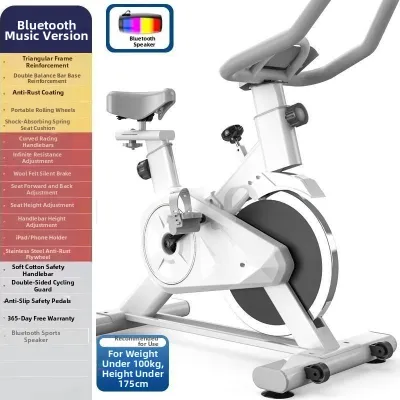
Indoor Cycling Bikes Often referred to as spin bikes, these models have a compact but heavy base designed to withstand high-intensity, standing workouts. While they do not take up much more floor space than an upright bike, their heavy weight means they are less portable and typically require a permanent spot on a protective floor mat.
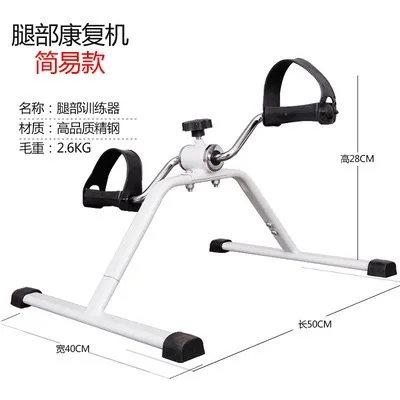
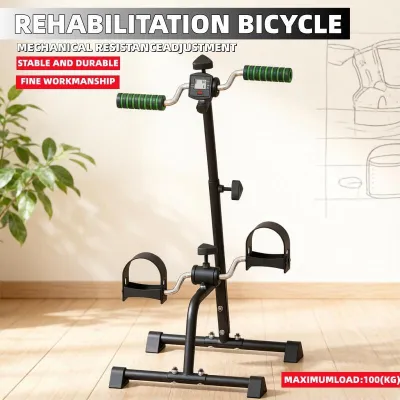
Under-Desk Pedalers For those with absolutely zero dedicated floor space, mini pedalers or under-desk units are ultra-compact alternatives. They consist only of the pedal mechanism and can be placed under a desk or chair. However, they do not offer the ergonomic support, handlebar stability, or full-body workout intensity of a standard gym bike.
Common Space-Matching Mistakes to Avoid
Avoiding common installation mistakes can save you from damaged property, noise complaints, and unusable equipment.
One frequent error is ignoring the “in-use” dimensions of the bike. The static footprint listed on the box only accounts for the frame itself. When you are actively riding, your knees extend outward, your elbows flare, and your body may sway slightly, all of which require additional physical clearance.
Placing the bike too close to walls or heavy curtains can also restrict airflow around the machine. Proper ventilation is necessary to prevent heat buildup around the bike’s internal resistance components and electronic consoles, ensuring the longevity of the equipment.
Additionally, never overlook floor protection and noise transmission. HDB flats feature shared concrete floors that can easily transmit the low-frequency vibrations of a spinning flywheel to the apartment below. Failing to use a proper dampening mat can lead to friction scratches on your flooring and noise complaints from neighbors.
Frequently Asked Questions (FAQ)
Can I keep a gym bike on a balcony or outdoor corridor?
Keeping a gym bike on an open balcony is not recommended due to Singapore’s high humidity, heavy rainfall, and intense sunlight. These environmental factors can rapidly rust metal frames, degrade plastic parts, and damage sensitive electronic consoles. Furthermore, placing fitness equipment in shared HDB corridors is generally prohibited by building management and fire safety regulations, as it can block vital emergency evacuation routes.
Do I need a special mat for my gym bike in a small room?
Yes, using a high-density PVC or rubber equipment mat is highly beneficial in a small room. The mat protects your flooring from heavy point-loads, scratches, and sweat damage. It also plays a crucial role in dampening the vibrations and operational noise generated by the bike, ensuring your workouts remain quiet and do not disturb other household members or downstairs neighbors.
Are folding gym bikes as stable as non-folding ones?
Folding gym bikes generally feature hinges, joints, and locking pins that can introduce a small amount of flex or movement during high-resistance or standing workouts. While they offer sufficient stability for casual, seated pedaling, they are not designed for intense standing climbs. Always verify the manufacturer’s maximum weight capacity and frame specifications to ensure the bike matches your physical requirements and workout style.

Community discussion
Share your experience or ask a question. Comments are reviewed before publication.