
Setting up a home gym in Singapore often requires balancing effective strength training with the spatial realities of high-rise apartments. Finding the right dumbbell set depends on evaluating your available footprint, weight progression needs, and the mechanical reliability of the equipment. This guide outlines how to assess your space, compare different dumbbell mechanisms, and verify build quality and local warranty terms before making a purchase.
Assessing Your Space and Training Needs
Before browsing product catalogs, you must accurately measure your dedicated workout area. In typical Singapore residential layouts, such as HDB flats or condominiums, space is highly optimized, meaning your workout zone may double as a study, living room, or balcony. When measuring, do not simply calculate the storage footprint of the dumbbell rack or cradle. Instead, map out the active working envelope required for your exercises. For instance, performing a lying chest press or a standing lateral raise requires a clear lateral radius of at least one to one and a half meters around your body to prevent the weights from striking walls, furniture, or glass doors.
Your current strength level and long-term fitness goals dictate the weight range you need to purchase. Beginners often make the mistake of buying a light, narrow set of fixed dumbbells, only to outgrow them within a few months of consistent training. Conversely, purchasing an excessively heavy set can lead to wasted space and unnecessary expenditure. If your training focus is on progressive overload for compound movements like squats, lunges, and chest presses, you will require a set that offers a broad weight range with small, incremental steps. For isolation movements like bicep curls or lateral raises, smaller weight jumps are essential for maintaining proper form and preventing injury.
Products mentioned in this guide
![[BULKY] Dumbbell Set Adjustable Exercise Weight Plates Dumbbell Barbell Convertible Gym Set](https://img.lazcdn.com/g/p/084fbf90618f02a1a89eb8fb30f8a31e.jpg_400x400q80.jpg_.webp)
Prices are valid at publication and may change. Please refer to the product page for the latest price.
Living in a high-rise building introduces unique structural and acoustic considerations. While modern concrete floors in Singapore apartments are engineered to support substantial static loads, they are highly efficient at transmitting impact noise and vibrations. Dropping a heavy dumbbell directly onto bare tiles or vinyl flooring can cause structural micro-cracks, shatter floor tiles, and create disruptive noise that travels easily to the units below. To mitigate this, you must plan for appropriate floor protection. Investing in high-density rubber gym tiles or multi-layered EVA foam mats with a thickness of at least 15mm to 20mm is highly recommended. These mats distribute the weight of the equipment, absorb impact energy, and significantly dampen the sound of weights being set down.
Evaluating Dumbbell Types for Compact Spaces
Dumbbells generally fall into three primary categories: selectorized (dial or pin-adjustable), traditional plate-loaded, and fixed-weight sets. Each type presents distinct trade-offs regarding physical footprint, durability, and ease of use. As the maximum weight capacity of a set increases, the physical space required to store it scales differently depending on the design you choose.

The mechanism of the dumbbell also directly influences the speed of your weight transitions during a workout. If your training routine involves supersets, drop sets, or fast-paced circuits where rest times are strictly limited, the time spent changing weights becomes a critical factor. Understanding how these mechanisms operate in practice will help you select a system that aligns with your specific training style and spatial constraints.
Adjustable and Selectorized Dumbbells
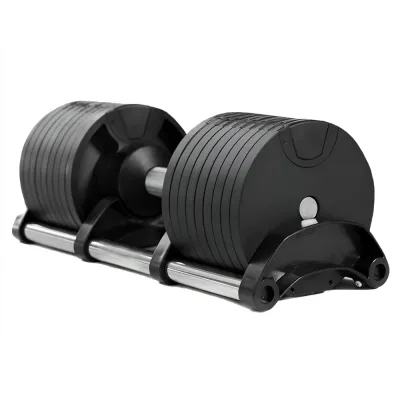
Selectorized dumbbells are a highly space-saving solution for compact home gyms. These systems consolidate an entire rack of traditional dumbbells into a single pair of handles and two compact base trays. By turning a dial, pulling a pin, or twisting the handle, you engage internal gears that lock the desired number of weight plates onto the handle while leaving the remaining plates securely in the tray. This allows you to transition from a light weight for lateral raises to a heavy weight for chest presses in a matter of seconds, all within a footprint of less than half a square meter.
However, the mechanical complexity of selectorized dumbbells requires careful inspection and handling. Before purchasing, you should verify the structural integrity of the locking mechanism. High-quality sets utilize robust metal selector pins, interlocking steel plates, and reinforced internal gears. Avoid models that rely heavily on thin plastic components in high-stress areas, as these are prone to wearing down or cracking over time. Always perform a quick visual check before lifting the dumbbells overhead to ensure the plates are fully engaged and the locking mechanism is securely clicked into place.
Because of their intricate internal designs, selectorized dumbbells have strict operational limits. They must always be returned to their custom storage trays to change weight increments, and they are highly sensitive to impact. Dropping these dumbbells from any height can misalign the internal gears, bend the selector pins, or crack the housing, rendering the entire set unusable. Consequently, if your training style involves explosive Olympic lifts, high-intensity failure training, or exercises where dropping the weights is common, selectorized models are not suitable. They are best reserved for controlled, traditional strength training movements where the weights can be set down gently.
Fixed Dumbbells and Hex Sets
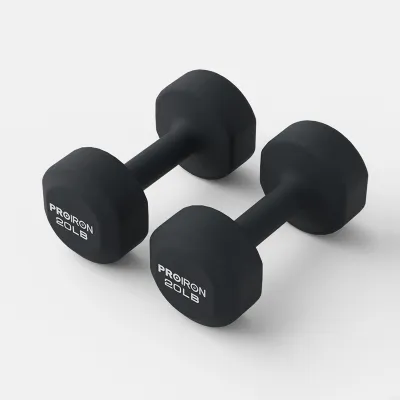
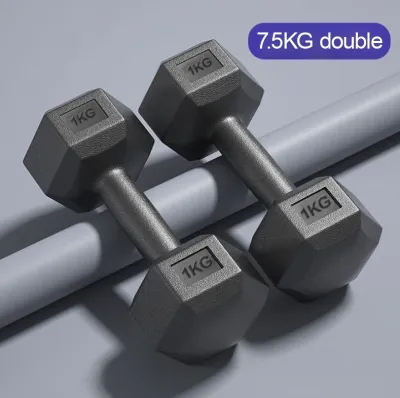
For lifters who prioritize durability and a traditional gym feel, fixed dumbbells are a reliable standard. Typically constructed from solid cast iron with a protective rubber or urethane coating, these dumbbells feature no moving parts, internal gears, or delicate locking mechanisms. This solid-state construction makes them incredibly robust and highly tolerant of being placed down heavily or dropped onto protective gym matting. The hexagonal head design is particularly popular for home gyms, as it prevents the dumbbells from rolling across uneven floors and provides a stable base for floor-based exercises like push-ups or renegade rows.
The primary drawback of fixed dumbbells in a compact Singapore home is their substantial storage requirement. As your strength progresses and you acquire more weight increments, a collection of fixed dumbbells will consume a rapidly expanding amount of floor space. To keep your workout area organized and safe, you will need to invest in a multi-tier horizontal rack or a vertical A-frame rack. A horizontal rack can easily dominate an entire wall of a room, while a vertical rack, though more space-efficient, still requires a dedicated permanent footprint that cannot be easily tucked away when not in use.
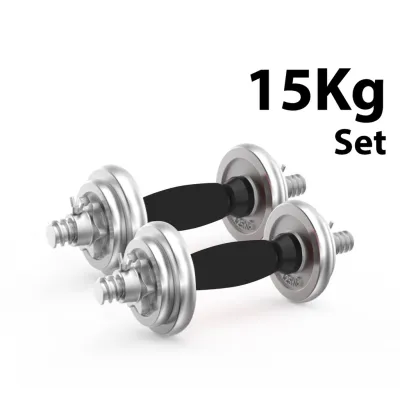
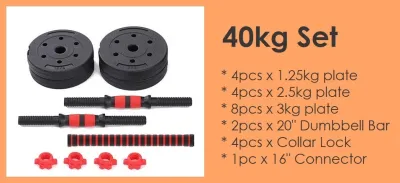
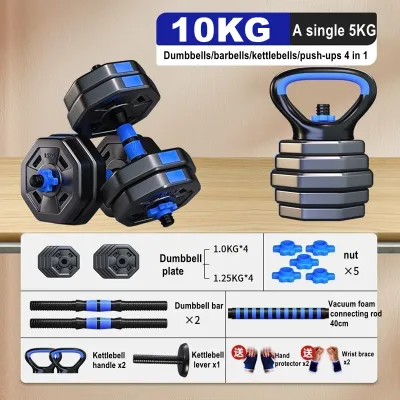
If you prefer the durability of fixed weights but face severe space or budget constraints, a practical compromise is to start with a highly curated selection. Instead of buying a full run of weights, you can purchase two or three versatile utility pairs that target your primary strength ranges—for example, a light pair for upper-body isolation, a medium pair for general pressing, and a heavier pair for lower-body movements. Alternatively, you can opt for traditional plate-loaded dumbbells with threaded spinlock collars. While changing weights on spinlock bars is slower than using a selectorized dial, the loose plates can be stacked neatly in a closet or under a bed, offering a durable and space-efficient hybrid solution.
Key Features to Check Before Buying
When evaluating dumbbell sets, paying close attention to handle ergonomics is essential for both comfort and safety. The knurling—the cross-hatched pattern cut into the metal handle—is your primary interface with the weight. A medium, consistent knurling pattern provides a secure grip even when your hands are sweaty, without being so aggressive that it tears your skin during high-repetition sets. Check the grip diameter as well; standard handles typically range from 28mm to 32mm. Thicker handles can place additional demand on your forearm strength, which may limit your performance on heavy pulling exercises. Additionally, ensure the handle length is sufficient to accommodate your hand width comfortably, especially if you plan to wear lifting gloves or use lifting straps for heavier sets.
The materials and coatings used on the dumbbells are critical factors, particularly in Singapore’s warm and highly humid tropical climate. Raw cast iron or cheap chrome-plated dumbbells are highly susceptible to rust and corrosion when exposed to sweat and atmospheric moisture. Rubber-coated hex dumbbells offer excellent floor protection and noise reduction, but low-grade recycled rubber can emit a strong, unpleasant chemical odor that can quickly overwhelm a small, enclosed room. For indoor home gyms, look for dumbbells coated in high-quality virgin rubber or polyurethane (urethane). Polyurethane is virtually odorless, highly resistant to tearing and fading, and does not degrade or become sticky over time when exposed to humidity, making it a premium and long-lasting choice.
Safety mechanisms must be thoroughly vetted, particularly for any adjustable or plate-loaded systems. For traditional plate-loaded dumbbells, look for threaded collars that feature a rubber O-ring insert; this small rubber ring creates friction that prevents the collar from backing off and loosening during your sets. For selectorized dumbbells, look for active safety features, such as interlocking mechanisms that physically prevent the weight selection dial from turning unless the dumbbell is fully seated in its storage cradle. This prevents partial engagement of the plates, ensuring that weights cannot slip off mid-exercise.
Navigating Local Availability and Warranties
Sourcing your dumbbell set from the right channel can significantly impact your overall buying experience and long-term satisfaction. While general online marketplaces and e-commerce platforms often present highly competitive prices, purchasing from specialized local fitness retailers offers distinct advantages. Many local retailers have physical showrooms in Singapore where you can personally test the equipment. This allows you to feel the knurling, test the grip diameter, and assess the smoothness of the selector mechanisms before making a financial commitment. Furthermore, specialized retailers typically offer superior after-sales support and technical expertise if you encounter issues with your equipment.
Given that adjustable and selectorized dumbbells contain moving parts that are subject to wear and tear, verifying the manufacturer’s warranty terms is crucial. A comprehensive warranty should cover the internal selector mechanisms, gears, and locking pins, which are the most common points of failure. Be cautious of warranties that only cover the structural steel plates while excluding the moving parts. Having a local distributor back the warranty is highly beneficial, as shipping heavy cast iron or mechanical dumbbells back to an overseas manufacturer for repairs or replacement is logistically difficult and financially prohibitive.
Finally, consider the logistics of delivery and assembly. Dumbbell sets are exceptionally heavy, and transporting them to your home requires careful planning. When purchasing, verify whether the retailer offers doorstep delivery and if there are additional fees for walk-up stairs if your building lacks lift access. Many high-rise residential buildings, including HDB blocks and private condominiums, have strict loading bay regulations, vehicle height limits, and designated delivery hours. Ensure that your delivery window complies with your building’s management policies, and confirm that the delivery team will transport the heavy packages directly to your designated workout room to avoid physical strain or injury.
Frequently Asked Questions (FAQ)
Can I use adjustable dumbbells for fast-paced circuit training?
While adjustable dumbbells are highly efficient for traditional strength training, they are generally not recommended for fast-paced, high-intensity circuit training or metabolic conditioning. The rapid transitions, sweat-slicked hands, and the tendency to drop weights quickly during intense circuits pose a high risk of damaging the delicate internal gears of selectorized systems. Additionally, clanking them together during dynamic movements can crack the plastic housings or misalign the plates. For high-speed workouts, solid fixed dumbbells or kettlebells are far more durable and safer options.
How do I maintain rubber-coated dumbbells in a humid environment?
Singapore’s high humidity can accelerate the degradation of certain rubber compounds and cause exposed metal handles to rust. To maintain your dumbbell set, wipe down the handles and weights with a dry or slightly damp microfiber cloth after every workout to remove sweat, skin oils, and moisture. Avoid harsh chemical solvents, which can dry out and crack the rubber; instead, use a highly diluted, mild dish soap solution if deep cleaning is necessary. Keep your workout space well-ventilated, utilize a dehumidifier or air conditioning if storing weights in an enclosed room, and store them away from direct sunlight to prevent the rubber from becoming sticky or brittle.

Community discussion
Share your experience or ask a question. Comments are reviewed before publication.