
Embarking on your angling journey in Singapore requires more than just picking up the first rod and reel you see on a shelf. Finding the right fishing equipment brand as a beginner involves matching your gear to the unique local environments—ranging from humid reservoir banks to high-salinity coastal jetties. Prioritizing mechanical reliability over marketing hype ensures that your initial investment does not end in frustration after a few casts. To make an informed decision, you must understand how to evaluate brand support, verify product authenticity, and select gear tailored to your physical comfort and skill level. The ideal brand for a novice is not necessarily the most expensive one, but rather the one that provides durable entry-level options, accessible replacement parts, and reliable local customer service.
Assessing Your Fishing Goals and Local Conditions
Singapore offers distinct fishing environments that demand different gear characteristics. Freshwater spots include designated reservoirs, such as Bedok or Lower Peirce, and paid fishing ponds. Saltwater environments include coastal jetties like Bedok Jetty, rocky shorelines, and offshore charter boats. Because saltwater is highly corrosive, gear used in these environments requires superior sealing and corrosion-resistant materials, whereas freshwater gear can focus more on sensitivity and lighter lines.
Matching your gear to your target species is crucial for a successful outing. Small to medium species like peacock bass in reservoirs require fast, light setups that allow for precise casting. Conversely, saltwater species found around jetties, such as tamban or larger catfish and snappers, demand stronger rods, higher line capacity, and robust drag systems to handle sudden runs and underwater structures.
Products mentioned in this guide
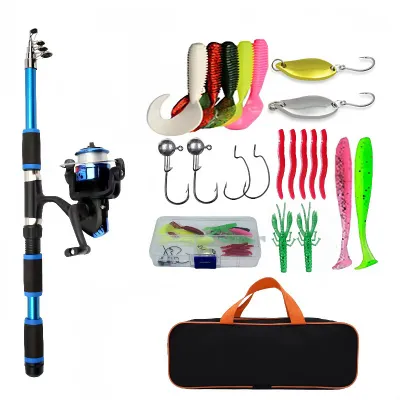
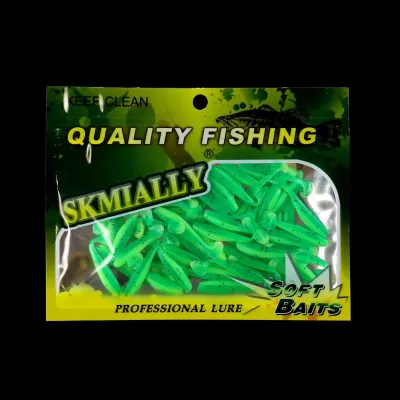
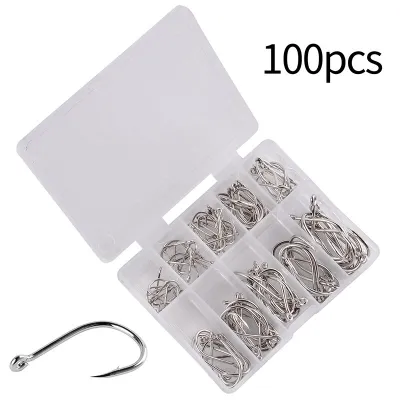
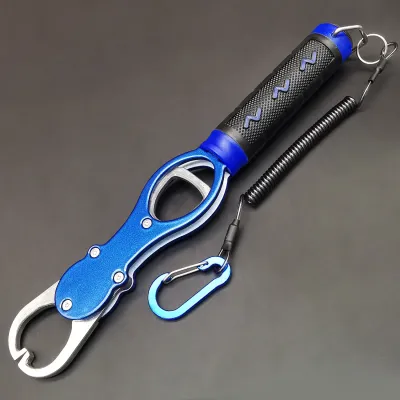
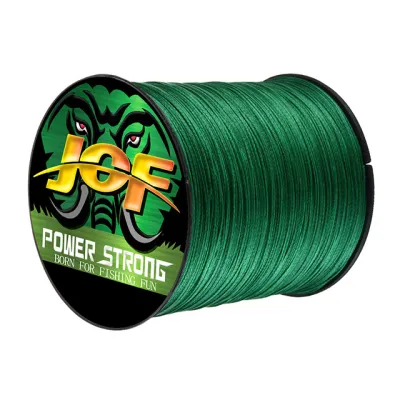
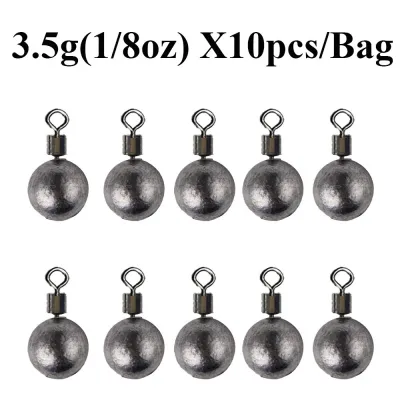
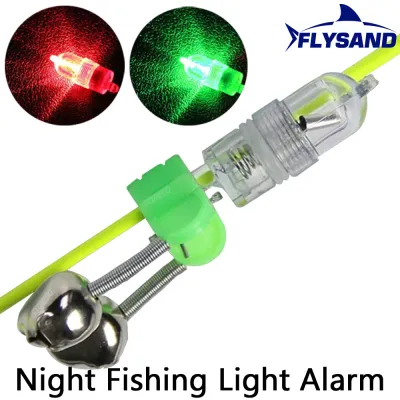
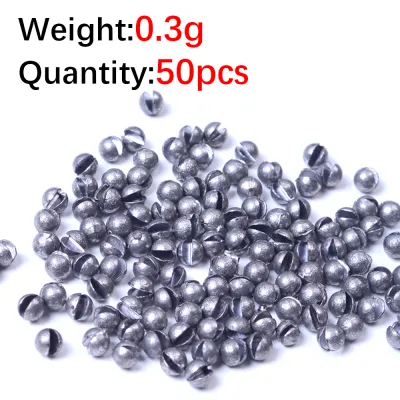
Prices are valid at publication and may change. Please refer to the product page for the latest price.
Your skill level and physical comfort should dictate the weight, length, and complexity of your gear. Beginners should start with manageable equipment; a rod that is too long or heavy causes rapid fatigue, especially in Singapore’s hot and humid climate. A spinning reel setup offers a much flatter learning curve and fewer line tangles than a complex baitcasting reel, making it the preferred choice for those just starting out.
Core Standards for Evaluating Beginner-Friendly Brands
When evaluating fishing brands, check their local presence and warranty support in Singapore. A solid warranty is only useful if you can easily access an authorized distributor or service center locally. Look for brands that offer clear warranty terms and have physical service points where technicians can inspect, service, or repair your gear without requiring expensive international shipping.

Entry-level gear is prone to wear and tear as you refine your casting and retrieving techniques. Verify if the brand supplies individual replacement parts, such as spare spools, line rollers, drag washers, and handle knobs. Brands with deep local distribution networks make it easy for local tackle shops to source these small parts, saving you from replacing the entire reel over a single worn-out component.
Prioritize brands that maintain transparency in their material specifications and gear ratios over those relying on vague marketing buzzwords. Look for clear listings of gear ratios, maximum drag pressure in kilograms, bearing counts, and exact material compositions, such as graphite, aluminum, or composite. This transparency allows you to make objective comparisons based on build quality rather than hype.
A brand’s community reputation and educational resources are invaluable for novices. Check if the manufacturer provides online tutorials, schematic diagrams, and setup guides. Furthermore, look at local fishing communities and forums in Singapore; brands that are widely discussed and recommended by local anglers usually have a proven track record of handling local conditions.
Navigating Essential Gear Categories for Your First Setup
For a beginner in Singapore, a spinning reel paired with a matching spinning rod is the most versatile starting point. Look for reels with corrosion-resistant bodies, such as high-strength graphite or aluminum, and sealed drag systems to withstand humid conditions and saltwater spray. A medium-light to medium power rod with a fast or moderate-fast action provides the versatility needed to cast both light lures in reservoirs and heavier sinkers at coastal jetties.
Beginners should prioritize line manageability and strength over extreme thinness. Monofilament line is highly forgiving, stretches to absorb sudden shocks, and is easy to knot. However, braided line offers superior casting distance and sensitivity, which is highly beneficial when feeling for subtle bites in deep water. If using braid, always pair it with a fluorocarbon leader to provide abrasion resistance against sharp rocks, jetty pylons, and the teeth of local predatory fish.
Keep your terminal tackle simple and robust. Stock up on high-quality, corrosion-resistant hooks, versatile sinkers, and reliable swivels to prevent line twist. For lures, start with basic, proven designs like soft plastics, spoons, or micro-jigs that mimic local baitfish. Avoid overly complex or expensive multi-jointed lures that require advanced retrieval techniques and are easily lost to underwater snags.
Sourcing Gear and Verifying Authenticity Locally
While general e-commerce platforms and online marketplaces offer convenience, they carry a higher risk of counterfeit products and lack personalized advice. Visiting a specialized local tackle shop in Singapore allows you to physically handle the gear, feel the rod’s action, and test the reel’s smoothness. Additionally, experienced shop staff can spool your line correctly and offer invaluable advice on local hot spots and rigging techniques.
Counterfeit fishing gear is a real concern, especially for popular global brands. When purchasing, check for authorized dealer decals on the shop window or website. Inspect the product packaging for holographic security seals, unique serial numbers, and official instruction manuals. High-quality brands package their reels with detailed schematic parts lists; a lack of documentation or poorly printed packaging is a major warning sign.
Before finalizing your purchase, perform a thorough physical inspection of the gear. Check the rod guides for any cracks or chips in the ceramic inserts, which can easily shred your fishing line. Spin the reel handle to ensure there is no grinding noise or play in the anti-reverse mechanism. Confirm the retailer’s return policy and ensure they provide a stamped warranty card or a valid tax invoice for warranty registration.
Assembling a Balanced Starter Kit Within Your S$ Budget
When planning your initial budget, allocate approximately 60% to 70% of your funds to the rod and reel. The reel is a mechanical device with moving parts that must withstand constant friction and environmental exposure; investing in a reliable, well-sealed reel from a reputable brand prevents premature failure. The rod is your primary tool for casting and controlling fish, making structural integrity crucial.
Save the remaining portion of your budget for consumables and accessories. Items like fishing lines, hooks, sinkers, and lures are wear-and-tear products that will inevitably be lost or replaced. There is no need to buy premium, high-end terminal tackle as a beginner; standard, reliable options work perfectly well while you refine your knot-tying and casting skills.
Do not forget to budget for essential utility and safety gear. A pair of long-nose pliers is indispensable for safely removing hooks from fish and cutting tough lines. A compact, water-resistant tackle box keeps your gear organized and protected from Singapore’s frequent rain showers. Finally, invest in basic sun protection, such as a wide-brimmed hat, polarized sunglasses, and lightweight, breathable clothing to stay comfortable during long hours under the tropical sun.
Frequently Asked Questions (FAQ)
Do I need a license to fish in Singapore's public waters?
In Singapore, you do not need a general recreational fishing license, but you must strictly adhere to designated fishing zones managed by government agencies. The National Parks Board (NParks) and the national water agency (PUB) designate specific areas within reservoirs and coastal parks where fishing is permitted. Fishing outside these designated zones or using prohibited methods can result in heavy fines. Always practice catch-and-release, especially in freshwater reservoirs, to maintain sustainable fish populations, and check the official NParks and PUB websites for the latest maps and regulations.
How should I maintain my gear in Singapore's humid climate?
Singapore’s high humidity and salt air accelerate rust and corrosion. After every fishing trip—especially saltwater outings—rinse your rod, reel, and lures thoroughly with gentle, running fresh water to wash away salt deposits and grime. Keep the reel’s drag tightened during the rinse to prevent water from entering the drag washers, then loosen it afterward for storage. Allow all equipment to air dry completely in a well-ventilated indoor area before packing it away. Store your gear in a cool, dry place out of direct sunlight, and apply a drop of manufacturer-approved reel oil to the line roller and handle bearings periodically to keep the mechanism running smoothly.

Community discussion
Share your experience or ask a question. Comments are reviewed before publication.