
Selecting your first fishing line can feel overwhelming with the sheer variety of materials, colors, and strengths lining the shelves of your local tackle shop. However, finding the right line is one of the most critical steps in setting up your gear, as it serves as your direct link to the fish. The ideal choice depends on matching the line type to your target species, the environment you are fishing in, and your specific reel setup. For most beginners, starting with a forgiving, user-friendly line like monofilament is the most practical way to learn the basics before moving on to more specialized setups.
Understand the Three Main Types of Fishing Lines
To make an informed decision, you must first understand the three primary categories of fishing lines available today: monofilament, fluorocarbon, and braided line. Each material behaves differently under tension, in the water, and when tied into knots.
Monofilament: The Forgiving All-Rounder Monofilament, often referred to simply as “mono,” is a single strand of nylon plastic. It is highly popular among beginners because of its excellent shock absorption. When a fish strikes hard or makes a sudden run, monofilament stretches significantly, acting like a shock absorber that prevents the hook from tearing out of the fish’s mouth. Additionally, monofilament is naturally buoyant, meaning it floats on the surface of the water. This buoyancy makes it an excellent choice for topwater lures and float fishing. It is also highly pliable, making it incredibly easy to tie secure knots and handle on spinning reels without experiencing frustrating tangles.
Products mentioned in this guide
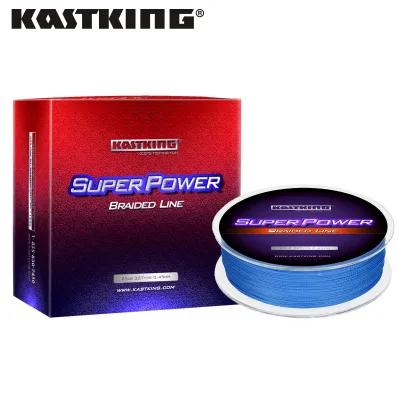
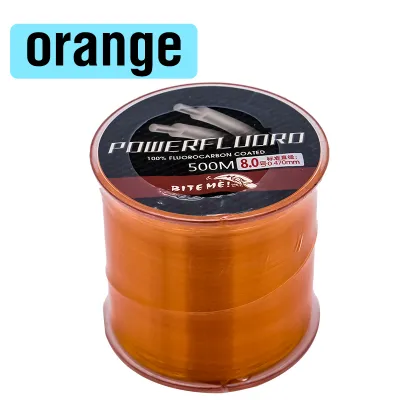
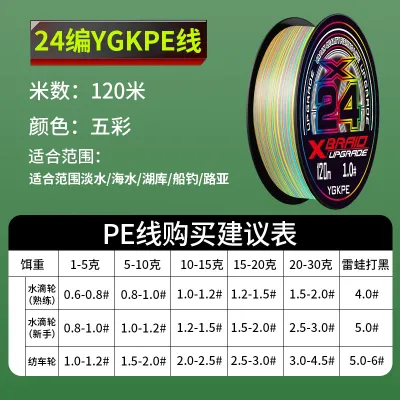
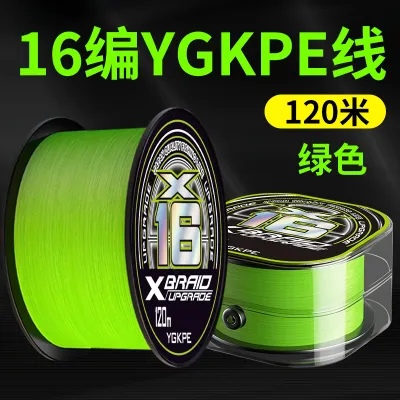
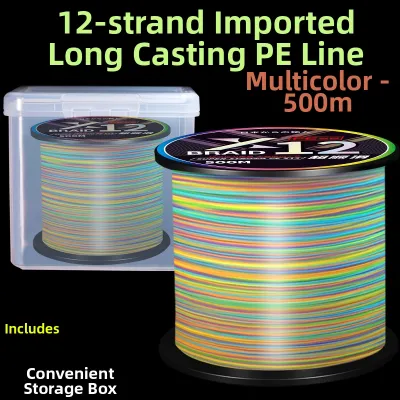
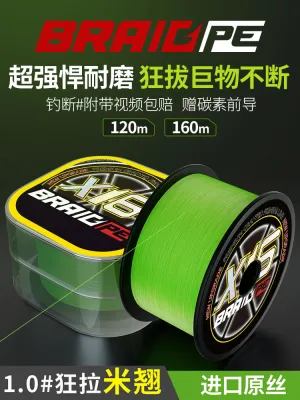
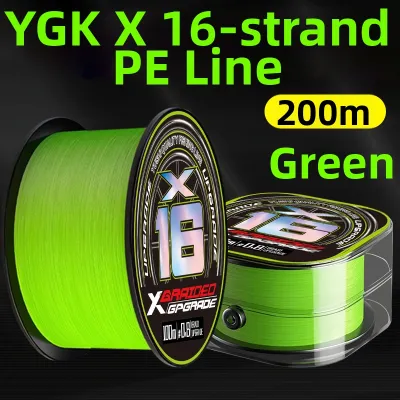
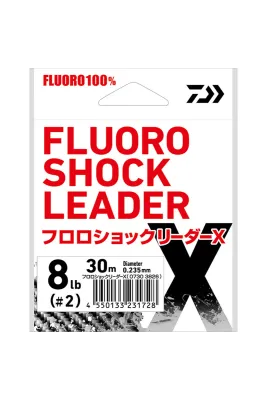
Prices are valid at publication and may change. Please refer to the product page for the latest price.
Fluorocarbon: The Stealthy Sub-Surface Specialist Fluorocarbon is made from a dense polymer that shares a similar refractive index to water. This unique property makes it nearly invisible underwater, which is a massive advantage when targeting easily spooked fish in clear conditions. Unlike monofilament, fluorocarbon sinks quickly, helping your lures or bait reach deeper water columns faster. It is also highly resistant to abrasion, meaning it can withstand rubbing against rough surfaces like rocks, concrete, or underwater structures without snapping immediately. While it is stiffer and harder to cast as a main line on spinning reels, it is widely used as a “leader”—a short length of line tied to the end of your main line to provide stealth and protection.
Braided Line: The Sensitive Powerhouse Braided line is constructed by weaving multiple strands of high-strength synthetic fibers together. This process creates a line that is incredibly thin yet exceptionally strong. Because braid has virtually zero stretch, it offers unmatched sensitivity, allowing you to feel the slightest vibrations, bottom contours, and subtle fish bites instantly. It also has no line memory, meaning it does not retain the coiled shape of the spool, resulting in incredibly long and smooth casts. However, its lack of stretch means you must set your reel’s drag system carefully to avoid snapping the line or pulling hooks during a hard fight. It is also highly visible in the water, so anglers typically tie a fluorocarbon leader to the end of the braid to maintain a stealthy presentation.
Match Line Strength to Your Target Species
Once you have selected a line type, you must determine the appropriate line strength, which is measured in “pound test” (lb). This rating indicates the amount of linear tension the line can withstand before it breaks.

Understanding Pound Test Ratings Selecting the right pound test is a balancing act. If your line is too light, a strong fish or a sudden snag will easily snap it. If your line is too heavy, the thick diameter will restrict your casting distance, make your lures look unnatural in the water, and potentially spook the fish. For general light-tackle fishing, lines rated between 6 lb and 12 lb test are highly versatile. For heavier applications or larger species, you may need to step up to 15 lb to 30 lb test or higher.
Balancing Line Strength with Lure Weight Your fishing rod and reel are designed to work within specific line and lure weight ranges, which are usually printed directly on the rod blank just above the handle. Using a line that is too heavy for your rod can overload the blank during a cast, while using a line that is too light can result in frequent breakages when casting heavy lures. Always check these manufacturer specifications to ensure your entire setup is balanced and functioning safely.
Adjusting for Local Species In Singapore, your target species and venue will dictate your line strength. If you are fishing in local reservoirs like Bedok Reservoir or MacRitchie Reservoir targeting Peacock Bass or Temensis, a light setup with an 8 lb to 12 lb test line is ideal. These fish are highly visual predators, so a lighter, thinner line helps present small lures naturally. Conversely, if you are heading to coastal spots, jetties like Bedok Jetty, or saltwater ponds targeting hard-fighting Barramundi or Mangrove Jack, you will need a stronger setup. A 15 lb to 30 lb braided main line paired with a 20 lb to 40 lb fluorocarbon leader is highly recommended to handle the powerful runs and sharp structures these saltwater species frequent.
Consider Your Fishing Environment and Conditions
The physical conditions of your fishing spot play a massive role in how your line performs. Water clarity, underwater obstacles, and weather conditions should all influence your final choice.
Water Clarity and Line Visibility In crystal-clear waters, fish can easily spot thick, colored lines, which can cause them to ignore your bait entirely. In these scenarios, using clear monofilament or a fluorocarbon leader is essential to keep your presentation as natural as possible. In contrast, when fishing in murky, muddy, or heavily stained waters, line visibility is less of a concern for the fish. In fact, using a high-visibility line (such as bright yellow, orange, or neon green) can be highly beneficial for you, allowing you to visually track your line’s movement and detect subtle bites that you might not feel through the rod.
Navigating Underwater Structure If your chosen fishing spot is filled with sharp rocks, concrete pillars, bridge pilings, or thick aquatic vegetation, your line will inevitably rub against these obstacles. Standard braided line can fray and snap quickly when dragged across sharp barnacles or concrete edges. In these high-abrasion environments, spooling with a tough monofilament or using a thick fluorocarbon leader is crucial. These materials can slide over rough surfaces with minimal damage, giving you the necessary time to steer a fighting fish away from danger.
Managing Wind and Current Drag Wind and water currents exert physical force on your fishing line. Thicker lines have a larger surface area, meaning they catch more wind during a cast and get pushed easily by strong water currents, creating a large bow in your line. This bow reduces your control over the lure and makes it difficult to feel bites. To minimize this drag, opt for a thinner line like braid, which cuts through the air and water with minimal resistance, keeping you in direct contact with your terminal tackle.
Spooling and Maintaining Your Fishing Line
Even the highest-quality fishing line will perform poorly if it is not loaded onto your reel correctly or maintained properly. Taking the time to spool and care for your line will prevent frustrating tangles and ensure your gear is ready when you hook a fish.
Techniques for Spooling Under Tension When loading new line onto a spinning reel, it must be wound tightly and evenly to prevent loose loops that cause “wind knots” during casting. Always spool your line under steady tension. You can achieve this by running the line through the pages of a heavy book, or by having a friend hold the supply spool on a pencil while applying slight pressure with a cloth. Additionally, ensure the line uncoils from the supply spool in the same direction that the reel’s rotor spins. If the line twists as you spool it, flip the supply spool over to reverse the direction.
Routine Visual and Tactile Checks Before heading out on any fishing trip, perform a quick inspection of your line. Run the first few meters of the line through your fingertips, feeling for any rough spots, nicks, or frays. Pay close attention to the section of line closest to your lure, as this area experiences the most wear and tear. If you feel any imperfections, cut off the damaged section and re-tie your knot. Additionally, check for severe line memory; if your monofilament or fluorocarbon line retains tight, spring-like coils when pulled off the reel, it is time to stretch it out or replace it.
Proper Storage Practices Fishing lines are susceptible to environmental degradation. Ultraviolet (UV) rays from the sun and extreme heat can break down the chemical bonds in nylon monofilament and fluorocarbon, making them brittle and significantly reducing their breaking strength. To maximize the lifespan of your line, store your reels and spare spools in a cool, dry, and dark place, such as a closet or a dedicated tackle bag, away from direct sunlight and heat sources.
Frequently Asked Questions (FAQ)
How often should I replace my fishing line?
The lifespan of your fishing line depends on how often you fish and the material you use. Monofilament degrades the fastest due to UV exposure and water absorption, so casual anglers should aim to replace it at least once or twice a year. Fluorocarbon is more durable and can often last a full season or more with regular use. Braided line is highly resilient and can last for multiple years; if the end of your braided line becomes faded or slightly frayed, you can simply trim the worn section or spool it backward onto another reel to use the fresh, unused line from the bottom of the spool.
Can I use the same fishing line for both freshwater and saltwater?
Yes, you can use the same fishing line in both freshwater and saltwater environments, as modern synthetic lines do not corrode or break down from salt exposure alone. However, saltwater leaves behind microscopic salt crystals as it dries. These crystals act like fine sandpaper, which can wear down your line, damage your rod’s line guides, and corrode your reel’s internal components. To prevent this damage, always rinse your rod, reel, and spooled line thoroughly with fresh, low-pressure water after every saltwater outing, and allow them to dry completely in a shaded area before storing them.

Community discussion
Share your experience or ask a question. Comments are reviewed before publication.