
Choosing the right fishing lure as a complete beginner comes down to matching the lure’s behavior to the depth, size, and feeding habits of your target fish. Instead of buying the most complex or expensive option on the shelf, successful anglers select lures that mimic the local prey while suiting the specific water conditions of the day. By understanding how different designs move through the water, you can confidently present an appealing target to nearby fish.
Before heading to the water’s edge, safety must be your first priority. Fishing near reservoirs, coastal breakwaters, or tidal canals requires constant awareness of your surroundings. Always check local weather forecasts for sudden rainstorms, wear footwear with excellent grip to prevent slipping on wet concrete or mossy rocks, and establish a clear stop condition—such as rising tides or lightning—to ensure you pack up safely.
Identify Your Target Species and Fishing Environment
Your choice of lure begins with where you plan to fish and what you hope to catch. Freshwater bodies like local reservoirs and saltwater environments like coastal jetties or estuaries demand different equipment standards. Saltwater is highly corrosive, meaning lures used in these environments must feature corrosion-resistant hardware, such as stainless steel or specialized coated hooks, to prevent rapid rust and structural failure. Freshwater lures can sometimes use lighter, uncoated materials, but they will degrade quickly if introduced to marine environments without immediate cleaning.
Products mentioned in this guide
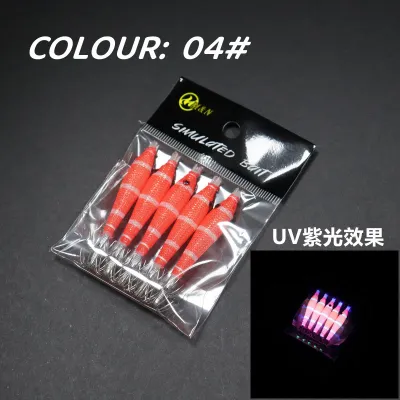
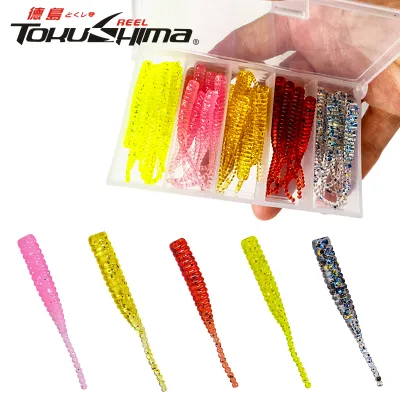
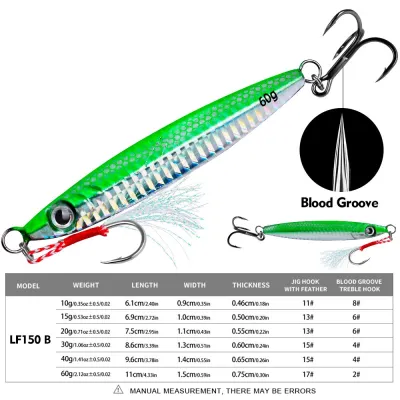
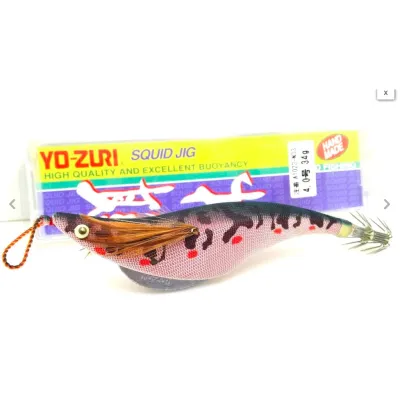
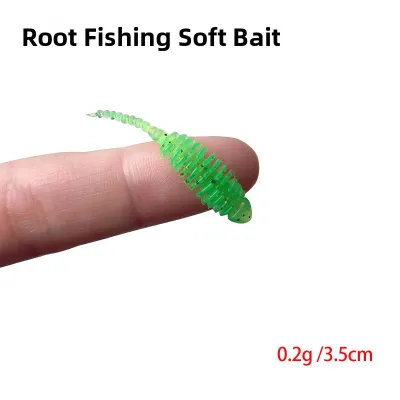
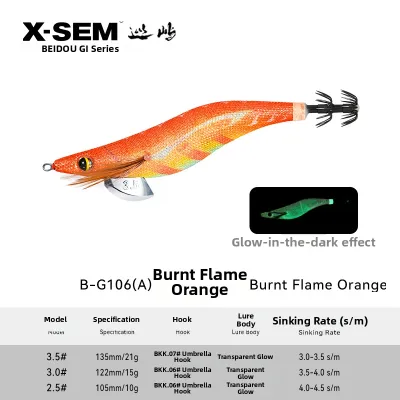
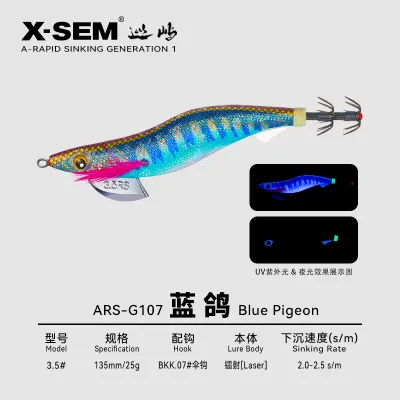
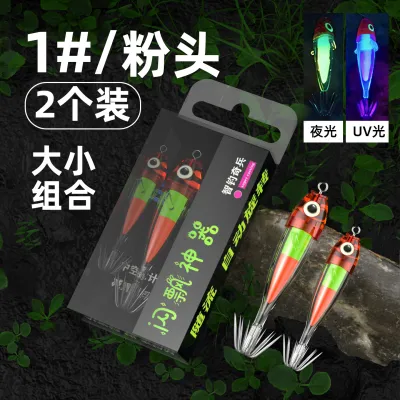
Prices are valid at publication and may change. Please refer to the product page for the latest price.
Understanding where your target fish feeds within the water column is the next critical step. Pelagic predators often hunt near the surface or in mid-water, while bottom-dwelling species wait in ambush near rocks, sand, or mud. Matching your lure to these specific zones prevents you from casting blindly where fish are unlikely to see your presentation.
To narrow down your options, take a moment to observe the local shoreline before tying on a lure. Look for small baitfish, shrimp, or crabs swimming near the edges. Noting the average size, shape, and swimming behavior of this natural forage provides a baseline profile, allowing you to select a lure that closely resembles what the local fish are already actively hunting.
Match Lure Categories to Your Fishing Scenario
Artificial lures are generally grouped by how they move through the water column: surface, diving, or bottom-running. Choosing the right category depends heavily on the clarity of the water and the amount of underwater structure, such as submerged plants, rocks, or fallen branches, that could snag your line.

Topwater and Surface Lures
Topwater lures are designed to float on the surface, creating splashes, pops, or wake lines that mimic struggling prey. These lures are highly effective during low-light periods, such as early morning or late evening, when predatory fish move shallower to hunt under the cover of dim light. Calm, glassy water conditions are ideal for surface presentations, as the clean water surface allows fish to easily spot the silhouette and vibrations of the lure from below. Target species that feed aggressively upward, such as peacock bass in freshwater reservoirs or barramundi in coastal estuaries, are prime candidates for topwater action. However, if the water is highly choppy or the sun is bright and high, fish tend to retreat deeper, making surface lures less effective.
Subsurface and Diving Plugs
Subsurface lures and diving plugs, often called crankbaits or minnows, are designed to run at specific depths beneath the surface. The depth a plug can reach is primarily determined by the size, shape, and angle of its plastic lip, or bill. A wider, longer lip angled downward forces the lure deeper into the water column during a retrieve, while a short, nearly vertical lip keeps the lure running just below the surface. When fishing mid-water columns, you can use these lures to locate suspended fish by varying your retrieve speed. Trolling or casting these plugs allows you to cover large areas of open water efficiently, making them excellent tools for finding active schools of fish.
Soft Plastics and Jigs
Soft plastic baits, which include synthetic worms, grubs, and paddletails, are incredibly versatile when paired with weighted jigheads. These lures excel at fishing near the bottom and navigating heavy cover, such as thick aquatic vegetation, submerged timber, or rocky structures. By using weedless rigging techniques—where the hook point is buried slightly inside the soft body of the plastic—you can slide the lure through dense snags without catching debris. To trigger strikes, bounce the jig along the bottom using gentle upward twitches of your rod tip, followed by pauses that allow the lure to sink naturally. This movement realistically imitates the darting and resting behavior of bottom-dwelling shrimp, crabs, or injured baitfish.
Fine-Tune Size, Color, and Action for Local Waters
Once you have selected a general lure category, you must fine-tune its specific characteristics to match the immediate conditions of your fishing spot. The physical size of your lure should correspond directly to the mouth gape of your target species and the size of the local baitfish. A lure that is too large will intimidate smaller fish or prevent them from getting hooked, while a lure that is too small might go unnoticed by larger predators.
Water clarity is the primary factor when choosing lure colors. In clear water, fish rely heavily on their vision, making natural, translucent, or realistic colors like silver, olive, and brown the most effective choices. These subtle shades do not startle wary fish in high-visibility environments. Conversely, in murky, stained, or muddy water, visibility drops significantly. In these conditions, opt for bright, high-visibility colors like chartreuse, bright orange, or solid black, which create a strong silhouette and help fish track the lure through the gloom.
The action of the lure—how it wiggles, rolls, or darts—can be adjusted dynamically on every cast. Fast, aggressive retrieves generate high-frequency vibrations that can trigger reaction strikes from active, competitive fish. If the water is cold, or if the fish seem sluggish and uninterested, slowing down your retrieve and adding frequent, multi-second pauses can give hesitant predators enough time to commit to the strike.
Build a Cost-Effective Starter Lure Kit
As a beginner, you do not need an expensive, overflowing tackle box to catch fish. A balanced, cost-effective starter kit should focus on versatility, allowing you to target different depths with a few reliable options. A practical starting selection includes one floating topwater lure for surface action, one medium-diving minnow plug for mid-water exploration, and a small pack of soft plastic paddletails with matching jigheads for bottom fishing.
Before purchasing any lure, inspect the quality of its hardware. Check that the hooks are sharp, the metal is sturdy enough to resist bending under pressure, and the split rings connecting the hooks to the lure body are tightly coiled without gaps. High-quality hardware ensures that when a fish does strike, your gear will hold up during the fight.
When planning your initial purchase, allocate a sensible budget across these basic types rather than spending heavily on a single premium lure. In local shops, you can easily find reliable, entry-level lures priced between S$5 and S$15 each. Spending around S$30 to S$40 in total allows you to acquire a versatile three-lure setup. This approach ensures that if you lose a lure to an underwater snag—a common occurrence for beginners—it will not ruin your day or your budget.
Test and Adjust Your Lures on the Water
Before casting your lure far into deep or snag-prone areas, perform a quick visual check in clear, shallow water right in front of you. Drop the lure in and pull it back and forth to observe its swimming action. This step helps you verify that the lure is tracking straight, wiggling correctly, and not tangled in your fishing line.
If you notice fish following your lure but turning away at the last second without striking, it is time to make adjustments. Try changing your retrieval speed, adding sudden pauses to mimic an injured baitfish, or switching to a different color or smaller size. Often, a subtle change in presentation is all it takes to turn a curious follower into a solid hookup.
Finally, regularly inspect your lures during your trip. If a lure sustains structural damage, loses its balanced swimming action, or develops rusted hooks, it should be retired or repaired. Keeping your gear in top condition ensures that your time on the water is both productive and safe.
Frequently Asked Questions (FAQ)
Do I need to use live bait instead of artificial lures?
No, you do not need to use live bait to catch fish. While live bait offers a passive scent appeal that attracts fish naturally, artificial lures provide greater convenience, are fully reusable, and allow you to actively cover more water. Lures also encourage active, engaging fishing techniques where you control the presentation and trigger strikes through movement.
How do I maintain and clean my lures after fishing in saltwater?
To prevent hardware corrosion, rinse all your lures, hooks, and tackle boxes thoroughly with fresh water immediately after every saltwater trip. Once rinsed, dry all components completely with a clean towel and leave them in a well-ventilated area. Applying a light, marine-grade protectant to metal parts and hooks before long-term storage will further extend their lifespan.

Community discussion
Share your experience or ask a question. Comments are reviewed before publication.