
Choosing the right fishing tackle brands as a beginner in Singapore requires balancing local environmental demands with user-friendly gear designs. Because Singapore offers diverse angling environments—ranging from high-salinity coastal jetties to humid freshwater reservoirs—your choice of brand should prioritize corrosion resistance, local parts availability, and forgiving gear configurations. Rather than searching for a single “best” universal brand, novices should evaluate how specific brand tiers align with their immediate fishing goals, budget, and maintenance habits. By understanding what to look for in entry-level equipment, you can make an informed purchase that provides a smooth learning curve and stands up to the tropical climate.
Defining Your Fishing Goals in Singapore's Local Waters
Before comparing specific tackle manufacturers, you must define where and how you plan to fish, as Singapore’s waters present distinct challenges. Local freshwater fishing typically occurs in designated zones within reservoirs, such as Bedok, MacRitchie, or Lower Peirce, as well as commercial payponds. These environments generally require lighter, more sensitive setups designed for casting artificial lures or managing delicate live baits. The target species in these freshwater zones, such as peacock bass or snakehead, often require quick, accurate casts near structures like submerged vegetation or rocky banks.
In contrast, saltwater fishing at coastal locations like Bedok Jetty, Labrador Park, or Pasir Ris Park exposes your gear to high salinity, strong currents, and larger, more powerful species. Saltwater environments demand robust tackle with superior corrosion resistance and higher line capacities to handle unexpected runs from coastal predators. If you plan to fish primarily from high jetties, you will also need to consider how your gear handles the vertical lift required to bring a fish up to the deck, which influences the strength and length of the rod you choose.
Products mentioned in this guide
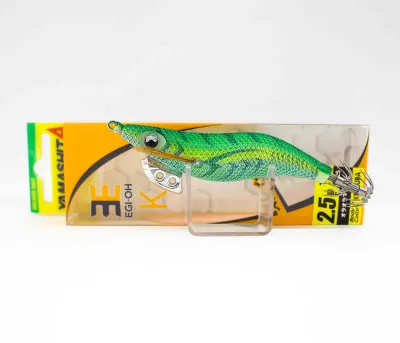
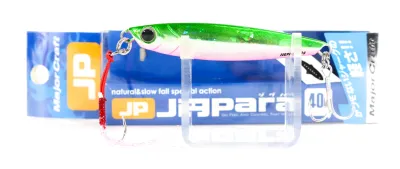
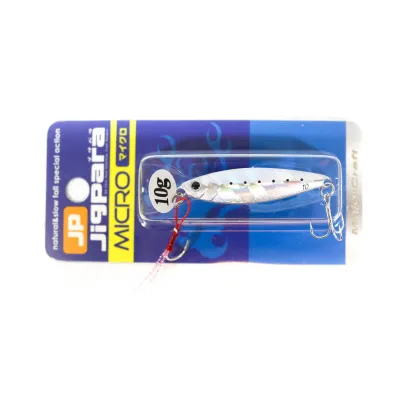
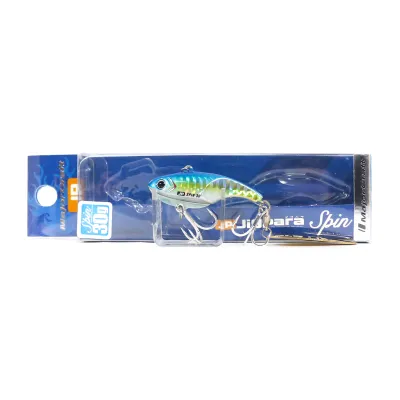
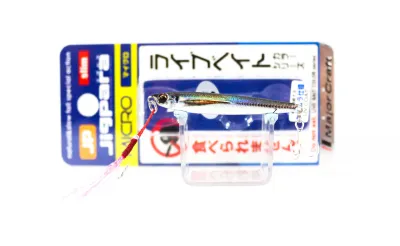
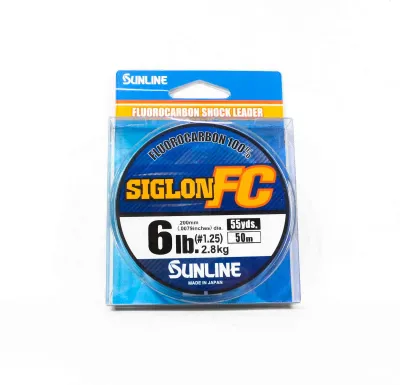
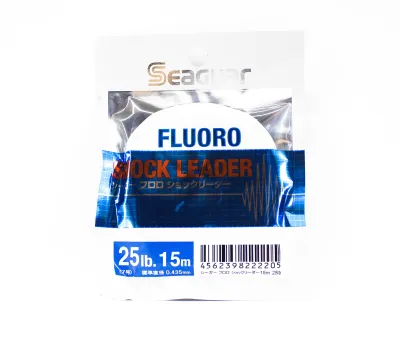
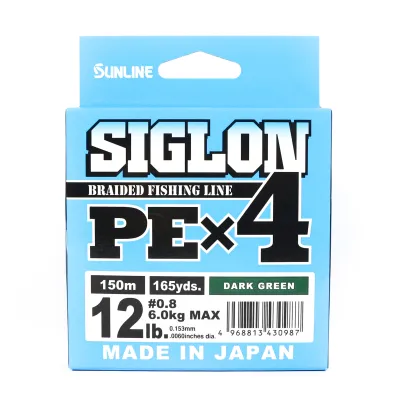
Prices are valid at publication and may change. Please refer to the product page for the latest price.
For beginners, the choice of gear category is critical to avoiding early frustration. Spinning setups are highly recommended over baitcasting systems for those starting out. Spinning reels are intuitive to operate, highly versatile, and significantly less prone to line tangles, commonly known as backlashes. Baitcasting reels, while offering excellent casting accuracy and control for experienced anglers, require a steep learning curve and precise thumb braking that can easily discourage a novice during their first few outings.
Singapore’s tropical climate adds another layer of complexity to your gear selection. The combination of high humidity, intense ultraviolet (UV) exposure, and salt spray accelerates the degradation of low-quality materials. When evaluating tackle, look for brands that utilize corrosion-resistant materials such as graphite, carbon composites, or anodized aluminum in their entry-level reels and rust-resistant guides on their rods.
Safety must always be your primary concern when fishing in Singapore. Before heading out, familiarize yourself with local regulations, designated fishing zones, and safety signs posted by national parks and water agencies. Because Singapore is prone to sudden, severe thunderstorms, you must monitor weather conditions closely. If you hear thunder or see lightning, immediately stop fishing, collapse your rod (especially if it contains highly conductive carbon fiber or graphite), and seek shelter in a sturdy building or pavilion. Never fish during heavy downpours or high winds, and always maintain a safe distance from the water’s edge, particularly on slippery coastal rocks or steep reservoir banks.
Core Criteria for Evaluating Beginner-Friendly Tackle Brands
When assessing tackle brands for your first setup, look beyond marketing slogans and focus on objective criteria that impact usability and longevity. The first key factor is the brand’s local footprint and after-sales support in Singapore. A reliable brand should have authorized distributors or a wide network of local tackle shops that can easily source replacement parts, such as drag washers, bail springs, or handle assemblies. If a minor component breaks, you do not want to wait weeks for international shipping or find that parts for your specific model are entirely unavailable.

Warranty terms provide an excellent indicator of a manufacturer’s confidence in their entry-level products. While premium setups often come with extensive warranties, reputable brands still offer clear, localized warranties for their budget-friendly lines. Verify whether the warranty is backed by a local distributor in Singapore, as this simplifies the claim process if you encounter manufacturing defects. Avoid brands that offer no clear warranty or require you to ship defective items overseas at your own expense.
The balance between affordability and durability is another essential consideration. As a beginner, you do not need to invest in top-tier professional gear, but choosing the cheapest unbranded option often leads to mechanical failure after only a few trips. Look for brands that are known for trickling down technology from their high-end models into their entry-level series. Features like improved gear alignment, smoother drag systems, and better body sealing are often passed down to budget-friendly models, offering excellent value without a premium price tag.
Finally, prioritize brands that design gear with forgiving features and ergonomic comfort. For beginners, a reel with a smooth, consistent drag system is vital for preventing line breakage when a strong fish makes a sudden run. Rods should feature comfortable, non-slip grips made of high-density EVA foam or quality cork, which remain easy to hold even when wet or covered in bait oils. Forgiving features, such as anti-reverse mechanisms that prevent the handle from spinning backward and specially shaped spool lips that facilitate smoother line release, will make your early casting practice much more enjoyable.
Strategizing Your First Tackle Setup by Equipment Category
Building your first tackle setup involves deciding whether to purchase a pre-matched combo or to select individual components from different brands. Pre-matched rod and reel combos from established manufacturers are highly convenient and cost-effective. These sets are engineered to ensure that the rod’s power, action, and length are perfectly balanced with the reel’s size and line capacity. For a beginner, this eliminates the risk of pairing a heavy, stiff rod with a small, delicate reel, which can ruin casting performance and potentially damage the gear.
However, mixing and matching individual components allows you to customize your setup as you gain experience. For example, you might pair a highly durable, saltwater-rated reel from a global heritage brand with a lightweight, sensitive rod from a regional specialist. This approach lets you allocate more of your budget to the component that matters most for your specific style of fishing. If you choose to mix components, ensure the rod’s recommended line weight and lure weight specifications align with the reel’s line capacity and the target species you intend to pursue.
Your choice of mainline and terminal tackle is just as important as your rod and reel. For beginners, high-quality monofilament line is an excellent starting point because it is inexpensive, easy to knot, and has built-in stretch that absorbs the shock of sudden fish strikes or casting errors. If you transition to braided line for its superior sensitivity and casting distance, you must pair it with a fluorocarbon leader. The leader provides essential abrasion resistance against sharp rocks, jetty pilings, and the teeth of local species, while remaining virtually invisible in the water.
Tackle storage and accessories must also be selected with Singapore’s tropical climate in mind. Standard plastic boxes can warp or trap moisture, leading to rusted hooks and ruined lures. Look for tackle boxes that feature secure, heavy-duty latches and built-in seals to keep water out. Essential tools, such as line cutters and long-nosed pliers for hook removal, should be made of marine-grade stainless steel or anodized aluminum to prevent rapid rusting from salt air and humidity.
Comparing Brand Tiers and Market Positioning
Understanding how different brand tiers operate in the market helps you set realistic expectations for performance, price, and support. Global heritage brands are characterized by their extensive history, standardized manufacturing processes, and widespread availability. Their entry-level lines are highly reliable because they benefit from decades of engineering research. When you buy from a global heritage brand, you are paying for consistent quality control and the peace of mind that comes with a robust local support network.
Value-oriented and emerging brands, which are commonly found on major online marketplaces, offer incredibly low price points that can be highly tempting for beginners. While some of these products perform adequately for casual, occasional use, they often suffer from inconsistent quality control. You may find that two identical reels from the same budget brand feel completely different out of the box. Furthermore, these brands rarely offer local warranties or replacement parts, meaning that a single broken component often renders the entire item useless.
Regional and local specialists focus specifically on the Southeast Asian market, designing tackle tailored to local fishing styles, such as pond fishing for barramundi or casting in tropical reservoirs. These brands often offer excellent value, providing heavy-duty components and high drag ratings at a fraction of the cost of global brands. They are highly responsive to local trends and often work closely with local anglers to refine their designs.
To help you visualize these differences, the following table outlines the typical characteristics of each brand tier in Singapore:
| Brand Tier | Typical Price Range (S$) | Warranty Expectations | Best Use Cases |
|---|---|---|---|
| Global Heritage | S$50 – S$150 | 1-Year Local Distributor Warranty | Regular saltwater and freshwater use, long-term reliability |
| Value-Oriented | S$15 – S$50 | Limited or No Warranty | Occasional use, budget-conscious testing |
| Regional Specialists | S$40 – S$100 | Varies by Local Dealer | Heavy-duty pond fishing, targeting local species |
Navigating Purchase Channels and Verifying Authenticity
Where you buy your fishing tackle in Singapore significantly impacts the authenticity of the gear and the level of support you receive. Specialized local tackle shops, which can be found in neighborhoods across the island, offer an invaluable resource for beginners. The staff in these shops are usually passionate anglers who can provide personalized advice, spool your reel with the correct line, and recommend the best terminal tackle for local spots. Buying from a physical shop also allows you to inspect the gear for any manufacturing defects before making a purchase.
In contrast, purchasing from general online marketplaces offers convenience and sometimes lower prices, but it comes with a higher risk of acquiring counterfeit products or gray-market imports. Gray-market items are genuine products intended for other regional markets; however, they typically do not carry a valid warranty in Singapore. If the reel requires servicing or repair, the local authorized distributor may refuse to service it or charge significantly higher fees.
To verify authenticity, always check if the seller is an authorized dealer for the brand you are interested in. Many major manufacturers list their authorized Singaporean distributors and retailers on their official websites. When buying online, look for official flagship stores or sellers with high ratings and positive reviews that specifically mention successful warranty registrations.
Be alert to red flags when shopping online or in unverified stores. If a price seems too good to be true—such as a popular reel being offered at half its standard retail price—it is highly likely to be a counterfeit or a refurbished unit. Other warning signs include generic or damaged packaging, missing instruction manuals or schematic diagrams, and the absence of an official local warranty card. Inspect the product closely upon delivery; any gritty feeling when turning the reel handle, loose components, or misaligned printing on the body should prompt an immediate return.
Essential Maintenance to Maximize Entry-Level Gear Lifespan
Proper maintenance is the most effective way to protect your investment and ensure your entry-level gear performs reliably for years. Saltwater is incredibly destructive to fishing tackle, making a post-trip cleaning routine essential after every saltwater outing. As soon as you return home, tighten the reel’s drag completely to prevent water from penetrating the drag washers, then rinse the reel gently under a slow-running tap of freshwater. Avoid using high-pressure hoses, as this can force salt and sand deeper into the internal gears. After rinsing, loosen the drag completely to relieve pressure on the washers and let the reel air-dry in a well-ventilated indoor area.
Rods require similar care to prevent corrosion and damage. Wipe down the entire rod blank with a damp cloth, paying close attention to the line guides and the reel seat where salt crystals and grime tend to accumulate. Inspect the guides for any cracks or chips in the ceramic inserts, as damaged guides can easily fray your fishing line and lead to lost fish. Once clean, store your rods vertically in a rod rack or secure holder to prevent warping.
Safe storage conditions are vital for preserving the integrity of your gear in Singapore’s humid climate. Never store your rods and reels in direct sunlight, as UV rays degrade monofilament and braided lines, weaken rod blanks, and dry out essential lubricants inside the reel. Avoid leaving your tackle in hot car trunks or outdoor metal sheds where temperatures can fluctuate dramatically. Instead, keep your gear in a cool, dry indoor closet, and consider placing silica gel packs inside your tackle boxes to absorb any lingering moisture.
Knowing when to seek professional help is key to avoiding permanent damage to your gear. While basic external cleaning and light oiling of the main shaft are easy to perform at home, you should avoid completely dismantling the internal gear system of your reel unless you are highly experienced. If you notice a persistent grinding noise, a sticky or uneven drag, or if the reel handle becomes difficult to turn, take the equipment to a professional technician at a local tackle shop. Attempting to force a malfunctioning reel or using incorrect lubricants can void your warranty and cause irreparable mechanical wear.
Frequently Asked Questions (FAQ)
Is it better to buy a pre-matched rod and reel combo as a beginner?
Yes, purchasing a pre-matched rod and reel combo is generally the most practical choice for a beginner. These combos are carefully paired by the manufacturer to ensure that the rod’s length, power, and action complement the reel’s size and drag capability. This balance makes casting easier and reduces the likelihood of line tangles or gear strain. While combos offer excellent value and convenience for those learning the basics, they do have limitations. As your skills improve and you begin targeting specific species or using advanced techniques, you may find that the individual components of a combo cannot be easily customized, eventually requiring you to purchase separate, specialized rods and reels.
How much should a beginner realistically budget for their first full tackle setup?
A realistic budget for a reliable, entry-level fishing tackle setup in Singapore ranges from S$80 to S$200. This range allows you to purchase durable gear that will not fail prematurely without requiring an excessive financial commitment. When allocating your budget, prioritize the reel, as it contains the most moving parts and is highly susceptible to wear; expect to spend S$50 to S$100 on a quality spinning reel. A suitable graphite or composite rod will typically cost between S$30 and S$60. The remaining S$20 to S$40 should be spent on a high-quality mainline, fluorocarbon leader, and essential terminal tackle such as hooks, sinkers, and a basic tackle box.

Community discussion
Share your experience or ask a question. Comments are reviewed before publication.