
Selecting the right football ball in Singapore requires matching the ball’s construction to the specific friction, hardness, and moisture levels of your playing surface. The local climate—characterized by high humidity and sudden, heavy downpours—directly impacts how different pitches behave. A ball that performs reliably on a dry, natural grass pitch might become uncontrollable on a wet artificial turf field or wear down rapidly on a hard indoor court. By choosing a ball designed for your primary playing environment, you can ensure a predictable bounce, optimal foot control, and a much longer lifespan for your equipment.
Identify Your Primary Playing Surface
Before purchasing a football ball, evaluate where you spend most of your playing time. In Singapore, community spaces, school fields, and private sports facilities offer a diverse mix of playing surfaces. You will commonly find polished wooden or synthetic indoor futsal courts, modern artificial turf pitches with rubber infill, and traditional natural grass fields. Each of these environments presents unique physical challenges to a football, particularly regarding surface friction, hardness, and moisture retention.
Surface friction and abrasiveness are the primary drivers of ball wear. Hard, polished indoor courts offer high grip but can cause intense friction heat and scuffing when a ball slides across the floor. Artificial turf, made of synthetic plastic fibers and black rubber granules, is highly abrasive and can quickly shave down delicate outer casings. Natural grass is the least abrasive but is highly variable, changing from firm and dry to soft and muddy depending on the weather.
Products mentioned in this guide
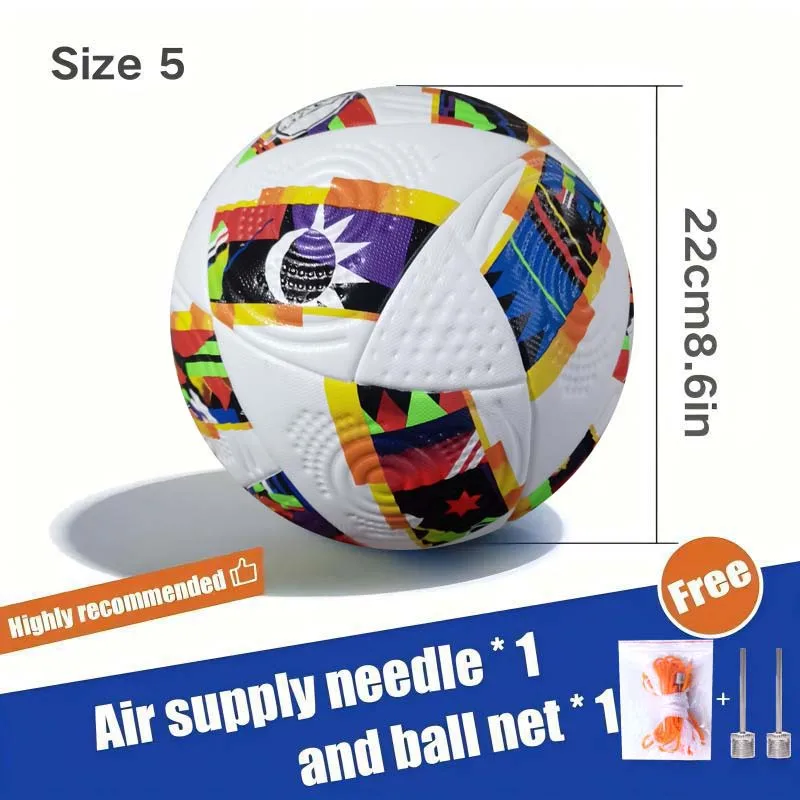
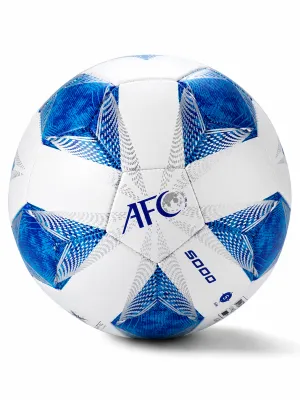
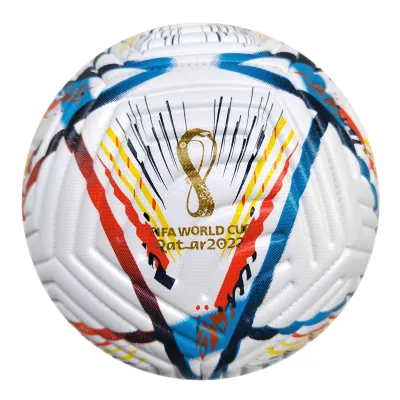
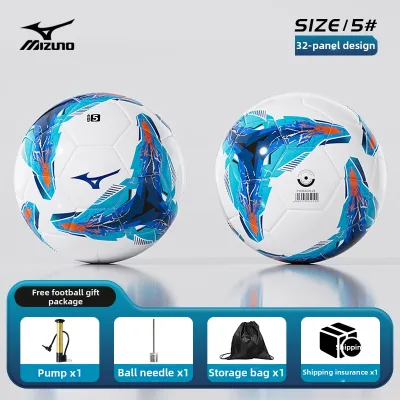

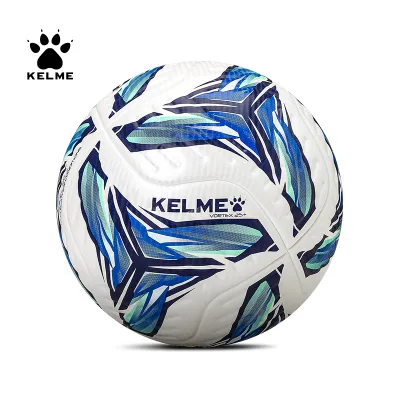
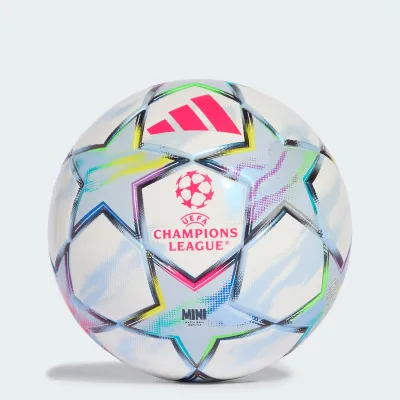
Prices are valid at publication and may change. Please refer to the product page for the latest price.
Singapore’s tropical climate adds another layer of complexity. Frequent afternoon rainstorms mean that outdoor natural grass fields can quickly become waterlogged, while artificial turf pitches retain water on their synthetic blades long after the rain stops. High humidity also affects how materials age, accelerating the breakdown of certain glues and synthetic leathers. Understanding these environmental factors is the first step in narrowing down your choices.
Match the Football Ball to the Surface
To get the best performance out of your football ball, you must match its physical design to the specific friction and hardness of the ground. Manufacturers design balls with distinct outer materials, panel joining methods, and internal bladders to suit different environments. Using a ball on a surface it was not designed for can lead to erratic bounces, poor control, and premature damage.

Indoor and Futsal Courts
Indoor futsal courts demand a highly specialized ball. Because these surfaces are hard and flat, a standard outdoor football will bounce excessively, making fast-paced, close-quarters passing incredibly difficult. Futsal balls are specifically engineered with low-bounce properties, often utilizing a stuffed bladder filled with foam or synthetic fibers to dampen the rebound. This design keeps the ball close to the floor, allowing players to develop precise footwork and quick passing sequences.
The outer casing of an indoor ball must also be exceptionally durable to resist scuffing. Polished wood, concrete, or synthetic court materials can act like sandpaper on soft, high-performance outdoor leathers. Look for balls with slightly thicker, textured outer layers that can withstand repeated high-velocity impacts against hard walls and floors without peeling or tearing.
Additionally, verify the specific size and weight standards for indoor play. Official futsal balls are typically designated as Size 4, but they are constructed to be heavier than a standard outdoor Size 4 ball. This added weight, combined with the low-bounce bladder, ensures the ball behaves predictably on hard court surfaces. Always check the product label to confirm the ball is rated specifically for futsal or indoor use.
Outdoor Artificial Turf
Artificial turf pitches are highly popular in Singapore due to their all-weather usability, but they are highly abrasive. The synthetic grass fibers and the underlying rubber infill generate significant friction and heat during play. To survive this environment, a football ball needs a reinforced outer casing. Look for balls specifically labeled for “turf” or “AG” (artificial grass), which often feature specialized polyurethane (PU) or high-grade polyvinyl chloride (PVC) covers designed to resist abrasion.
While turf balls require enhanced durability, they must still offer a standard, lively bounce. Unlike futsal, outdoor turf play involves long passes, crosses, and high-velocity shots that require a responsive ball. A high-quality turf ball balances a tough, scuff-resistant exterior with a standard butyl or latex bladder to deliver a natural flight path and predictable rebound characteristics.
Water resistance is another critical factor for artificial turf. Synthetic pitches do not drain instantly, and water can pool between the synthetic fibers during heavy rain. A ball that absorbs water will quickly become heavy, sluggish, and difficult to kick. Ensure the ball you choose features water-resistant properties, such as thermally bonded seams, which prevent moisture from penetrating the inner layers and altering the ball’s weight and balance.
Natural Grass Fields
Natural grass is the traditional surface for football, offering a classic feel and natural ball physics. For these fields, players generally prioritize touch, feel, and aerodynamic stability. A high-quality football ball designed for natural grass features a standard bounce and an aerodynamic panel design. This ensures that the ball rolls smoothly over the grass blades and maintains a true, stable flight path when kicked over long distances.
Because natural grass pitches can become muddy and waterlogged during Singapore’s wet season, water resistance is paramount. Traditional stitched balls can absorb water through the needle holes, causing the ball to gain weight and lose its shape. To prevent waterlogging, look for balls with waterproof outer materials and sealed seams. Thermally bonded panels are highly effective at keeping moisture out, ensuring the ball remains light and responsive even on a soggy pitch.
For a reliable touch and performance on natural grass, look for premium polyurethane (PU) casings. PU is softer and more flexible than PVC, providing a responsive cushion and a natural feel off the foot. This material allows for precise control during dribbling, passing, and shooting, making it a popular choice for competitive matches on well-maintained grass fields.
Verify Construction and Product Labels
When shopping for a football ball, understanding the technical specifications on the packaging or product label will help you make an informed decision. The outer material is your first point of inspection. Polyurethane (PU) is the industry standard for match-quality balls, offering a soft touch, good elasticity, and great responsiveness. Polyvinyl chloride (PVC) is much harder and more durable, making it highly resistant to wear on rough surfaces, but it offers a stiffer feel and less control in cold or wet conditions.
Next, examine how the panels are joined together. Thermally bonded balls use heat and adhesive to fuse the panels, creating a seamless, perfectly spherical surface that is virtually waterproof. This construction is ideal for wet outdoor conditions. Hand-stitched balls offer deep seams and strong durability, providing a classic feel and great aerodynamic stability, though they can absorb some moisture. Machine-stitched balls are generally more budget-friendly and suitable for casual recreational play, but they may have shallower seams that are more prone to wear on abrasive surfaces.
The internal bladder determines how well the ball retains air and responds to impact. Butyl bladders are highly effective at retaining air, meaning you will not need to pump the ball before every session. However, they can feel slightly stiff. Latex bladders are highly responsive, offering a softer touch and a more dynamic bounce, but they are porous and lose air pressure gradually, requiring regular inflation before play.
Finally, look for recognized quality inspection labels or standard compliance marks printed on the ball. These marks indicate that the ball has undergone rigorous testing for weight, circumference, sphericity, loss of pressure, and water absorption. Checking for these certifications ensures you are purchasing a product that meets international standards for performance and durability.
Maintenance and Replacement Signals
Proper maintenance is essential to extend the lifespan of your football ball, especially in Singapore’s warm and humid environment. Always monitor the air pressure regularly using a reliable pressure gauge. Inflate the ball strictly to the manufacturer’s recommended pressure range, which is typically printed directly around the inflation valve (usually measured in psi or bar). Over-inflating can stretch the seams and distort the ball’s shape, while under-inflating leads to poor performance and increased wear on the outer casing.
After playing on wet or muddy fields, take the time to clean your ball. Wipe it down with a damp cloth to remove dirt, mud, and abrasive grit, then dry it thoroughly with a clean towel. Never use harsh chemical detergents, as they can degrade the synthetic leather and adhesives. Store the ball in a cool, dry, well-ventilated indoor space. Avoid leaving it in direct sunlight, inside a hot car trunk, or in a damp outdoor locker, as extreme heat and humidity will weaken the glues, dry out the bladder, and cause the outer panels to peel.
Even with meticulous care, every football ball will eventually need replacement. Keep an eye out for clear warning signs that the ball is no longer safe or effective to use. Severe panel peeling, exposed stitching, or deep cracks in the outer casing can cause unpredictable flight paths and potential injury. If you notice the ball losing air rapidly within a few hours, the valve may be damaged or the bladder punctured. Finally, if the ball develops a permanent bulge or an asymmetrical shape, it will no longer roll or bounce consistently, indicating it is time to invest in a new one.
Frequently Asked Questions (FAQ)
Can I use a natural grass football on artificial turf?
While you can physically play with a natural grass ball on artificial turf, doing so will significantly accelerate its wear. The highly abrasive synthetic fibers and rubber infill of turf pitches will quickly scuff, scratch, and peel the softer polyurethane (PU) casings typically found on grass balls. Additionally, the intense friction heat generated on turf can weaken the adhesives holding the panels together, leading to premature splitting and air loss.
What size football should I buy?
The correct ball size depends primarily on the age of the players and the specific rules of your league or facility. Size 5 is the standard match size used by players aged 12 and older, including all adult leagues. Size 4 is designed for youth players aged 8 to 12, and is also the standard size for futsal (though futsal balls are heavier). Size 3 is suitable for younger children learning basic skills. Always check with your school, league, or local sports facility to confirm their specific equipment requirements before making a purchase.

Community discussion
Share your experience or ask a question. Comments are reviewed before publication.