
Selecting the right G-uard football boots requires balancing your tactical role on the pitch with the specific playing surfaces you encounter across Singapore. Because football pitches in the region range from hard, sun-baked natural grass to modern artificial turf and polished indoor sports halls, choosing an incorrect soleplate can lead to premature boot damage or serious joint injuries. To find your ideal pair, you must match G-uard’s specific soleplate configurations—such as Firm Ground (FG), Artificial Grass (AG), Turf (TF), or Indoor Court (IC)—to your primary playing surface, and then select upper materials and structural features that complement your position’s physical demands. Additionally, verifying the physical fit, upper elasticity, and sizing specifications of your chosen G-uard model against your unique foot shape ensures long-term comfort and optimal lockdown during high-intensity matches.
Decoding Stud Configurations for Pitches in Singapore
Singapore’s tropical climate means natural grass pitches can transition quickly from dry and hard to muddy and slick during sudden downpours. However, many recreational and amateur league matches take place on artificial turf or sand-dressed carpet courts, which present entirely different traction requirements. Understanding these surface variations is the first and most critical step in selecting the correct G-uard boot configuration for your weekly games.
Firm Ground (FG) soleplates are engineered specifically for dry, natural grass fields. They typically feature longer, TPU or nylon studs designed to penetrate the soil and provide grip during rapid acceleration. Using FG boots on hard artificial turf can cause the studs to catch excessively in the synthetic fibers, increasing the risk of knee and ankle rotation injuries, while also putting immense pressure on the soleplate adhesive.
Products mentioned in this guide
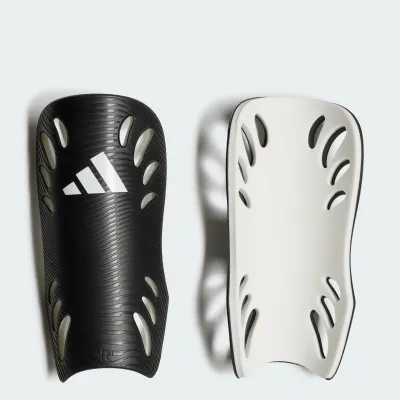
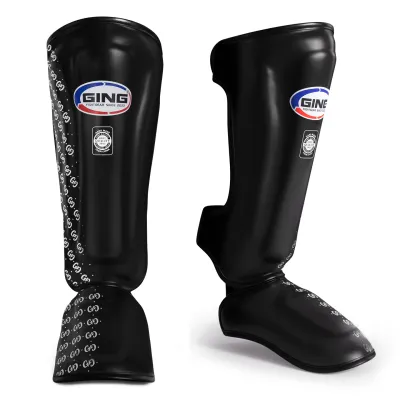
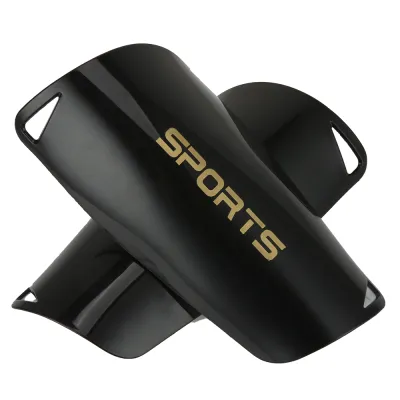
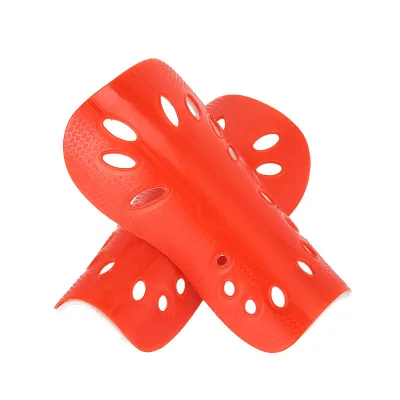
Prices are valid at publication and may change. Please refer to the product page for the latest price.
Artificial Grass (AG) soleplates feature shorter, hollowed-out, or more numerous studs designed to distribute your weight evenly across synthetic turf. This configuration prevents the boots from digging too deeply into the artificial grass fibers and rubber crumb infill, reducing joint strain and minimizing heat buildup from friction. If you play on modern, high-quality artificial pitches, verifying that your G-uard model has a dedicated AG soleplate is essential for safety.
Turf (TF) boots utilize a durable rubber outsole covered in small, multi-directional studs or patterns. These are highly recommended for older, shallow artificial turf pitches or sand-filled carpet courts commonly found in local commercial futsal facilities. The low-profile design keeps your foot closer to the ground, offering excellent stability and preventing the slipping associated with worn-down synthetic grass.
Indoor Court (IC) boots feature flat, non-marking rubber outsoles designed specifically for polished wooden, vinyl, or concrete indoor surfaces. These outsoles rely on flat traction patterns to maximize surface contact, ensuring you can make sharp cuts and sudden stops without slipping or damaging the court surface. If your matches are played in community centers or indoor sports halls, this is the only appropriate configuration.
Before purchasing any G-uard model, always inspect the manufacturer’s label or product description to confirm its designated soleplate type. Manufacturers design each soleplate with specific material tolerances, and using a boot on an unapproved surface can void your warranty and accelerate wear along the toe box and soleplate bond. Taking the time to verify this compatibility protects both your physical health and your financial investment.
Matching Boot Features to Your Playing Position
Your tactical role on the field dictates the physical movements you perform most frequently, which in turn determines the boot characteristics you should prioritize. While modern football boots are highly versatile, selecting a G-uard model with features tailored to your position can enhance your comfort and confidence during key moments of play.

Strikers and wingers who rely on explosive acceleration, rapid changes of direction, and high-speed dribbling should look for lightweight materials and aggressive traction patterns. Boots designed for speed often feature thin synthetic or knit uppers that minimize weight, along with angular or bladed studs that provide immediate bite into the turf for quick push-offs. These features help players maximize their agility when trying to beat a defender to the ball.
Midfielders, who cover the most distance during a match and act as the team’s distribution hub, require a balanced combination of comfort, consistent ball touch, and long-term durability. For this role, look for G-uard models that emphasize cushioned midsoles, textured upper zones for enhanced ball control, and flexible soleplates that support natural foot flexion over ninety minutes of constant movement. A supportive midfoot structure is also vital for maintaining stability during frequent turns and passes.
Defenders and goalkeepers require maximum stability, structural protection, and secure heel lockdown to handle physical duels, aerial challenges, and lateral shifting. Boots suited for defensive roles often feature reinforced heel counters, thicker upper materials to cushion impacts from stray studs, and wider soleplates that provide a solid foundation when planting the foot to block or clear the ball. This added protection helps prevent injuries during heavy contact.
Because individual product lines vary, you should always verify these feature claims against the official specifications of the specific G-uard model you are considering. Avoid assuming that a boot marketed for “speed” or “control” will automatically suit your playstyle without first checking its weight, stud shape, and upper construction details. Matching the physical specifications to your actual playing needs is far more effective than relying on marketing labels alone.
Evaluating Foot Shape and Fit for Optimal Comfort
A football boot can only perform as well as it fits, making foot shape evaluation a critical step before finalizing your G-uard purchase. Wearing boots that are too narrow can cause painful blisters, bunions, and restricted blood circulation, while boots that are too loose will lead to heel slippage, instability, and a higher risk of rolled ankles.
When browsing G-uard models, check the official product descriptions and sizing guides to determine whether a specific model runs narrow, wide, or true to size. Some speed-focused models are built on narrower lasts to provide a glove-like fit, whereas control or classic models often feature a wider midfoot and toe box to accommodate broader foot profiles. Knowing your own foot measurements is essential for making an accurate comparison.
The choice of upper material also plays a significant role in how the boot adapts to your foot shape over time. Natural leather uppers possess excellent natural stretch and will gradually mold to the unique contours of your feet, but they require a break-in period and can absorb water on wet pitches. Modern synthetic and knit uppers, on the other hand, offer a highly consistent, structured fit out of the box with minimal stretch, meaning they must fit comfortably from the very first wear.
To ensure an optimal fit, use a comprehensive fitting checklist when trying on your new G-uard boots. First, ensure there is roughly a thumb’s width of space between your longest toe and the end of the boot to prevent toe bruising during sudden stops. Second, walk and jog in the boots to check for any heel lift or slippage, which indicates the heel counter is too wide. Finally, verify that the midfoot wrap feels snug but does not pinch or cause discomfort along the arch of your foot.
Building Your G-uard Shortlist: A Buyer’s Checklist
To streamline your decision-making process and ensure you invest in the correct pair of G-uard boots, it is helpful to establish a structured evaluation framework before heading to checkout. This systematic approach helps eliminate impulse buys that might not suit your actual playing conditions or physical needs.
Begin by cross-referencing your primary pitch type with your positional requirements to narrow down your options. For example, if you play primarily on artificial turf in Singapore but want a lightweight boot for wing play, focus your search exclusively on G-uard models that offer an AG or TF soleplate combined with a lightweight synthetic upper. This ensures you do not compromise on safety for the sake of performance features.
Next, verify the exact technical specifications, size availability, and authentic product details on G-uard’s official website or through authorized local retailers. Be cautious of listings on third-party online marketplaces that lack detailed specifications or clear product labeling, as counterfeit boots or incorrect soleplate variants can compromise your safety on the pitch. Purchasing from authorized channels also ensures you receive a valid manufacturer’s warranty.
Set a realistic budget in S$ that accounts for both the boots and any necessary maintenance accessories, such as boot trees or specialized cleaning solutions. Additionally, always review the retailer’s return, exchange, and warranty policies before purchasing, ensuring you can swap the boots for a different size or model if the physical fit is not perfect when you try them on at home. Having a clear financial plan and understanding the return terms prevents buyer’s remorse and ensures a smooth purchasing experience.
Frequently Asked Questions (FAQ)
Can I use Firm Ground (FG) boots on artificial turf?
While it is physically possible to wear FG boots on artificial turf, doing so is highly discouraged due to safety and durability concerns. The longer, stiffer studs of an FG soleplate are designed to penetrate natural soil; on synthetic turf, they cannot sink in, causing your feet to sit too high and increasing the risk of severe ankle sprains or knee ligament injuries. Furthermore, the high friction and heat generated by artificial turf can weaken the adhesives holding the soleplate to the upper, leading to premature delamination that is typically not covered under the manufacturer’s warranty.
How should I clean and maintain my G-uard boots after playing?
Proper maintenance is essential to preserve the structural integrity and performance of your G-uard boots, especially after playing in Singapore’s humid or rainy conditions. After each session, use a soft-bristled brush or damp cloth to remove mud, grass, and rubber crumb infill from the upper and soleplate. Allow the boots to air-dry naturally in a well-ventilated indoor space away from direct sunlight, heaters, or hot water pipes, which can dry out synthetic materials and degrade adhesives. Avoid machine washing, tumble drying, or using harsh chemical detergents, as these will permanently damage the boot’s structural fibers.
Do I need to break in new synthetic football boots?
Unlike traditional natural leather boots, which require several training sessions to stretch and mold to your feet, modern synthetic and knit G-uard boots are designed to offer a near-perfect fit straight out of the box. Because synthetic materials have very limited stretch, you should not buy a tight pair expecting them to expand significantly over time. However, it is still highly recommended to wear your new boots during light training drills or warm-ups before using them in a full, competitive ninety-minute match, allowing your feet to adjust to the new pressure points and lockdown feel.

Community discussion
Share your experience or ask a question. Comments are reviewed before publication.