
For a beginner golfer in Singapore, the best ball picker is one that matches your primary practice environment, whether you are retrieving stray balls from water hazards and thick vegetation during a casual round or collecting dozens of balls on a local putting green. Selecting the right tool involves balancing portability, retrieval mechanism, and weather resistance to withstand the local humid climate. A well-chosen picker saves you from constant bending, protects your lower back from repetitive strain, and lets you focus on refining your swing mechanics.
As a new player, you do not need the most expensive professional gear, but you do need an accessory that will not break or jam after a few uses. By understanding the key specifications, comparing retrieval designs, and knowing how to inspect build quality, you can make an informed purchase that lasts for years. This guide provides a comprehensive framework to help you evaluate your options and maintain your equipment in top condition.
Key Specifications to Evaluate Before Buying
When shopping for a ball picker, the shaft material is your first line of defense against both physical wear and environmental degradation. Most modern pickers feature shafts made of either anodized aluminum or fiberglass. Aluminum is highly favored for its exceptional strength-to-weight ratio, allowing manufacturers to design long, multi-section telescopic shafts that remain rigid when fully extended. Fiberglass, on the other hand, offers excellent flexibility and is completely immune to rust, making it a durable alternative, though it can feel slightly heavier in the hand during prolonged use.
Products mentioned in this guide
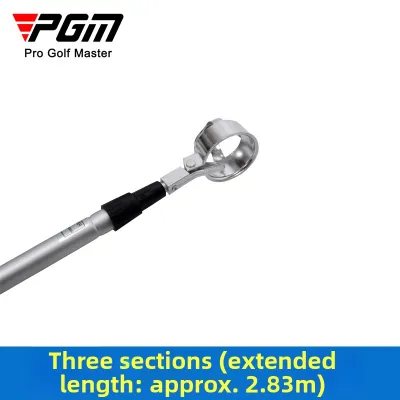
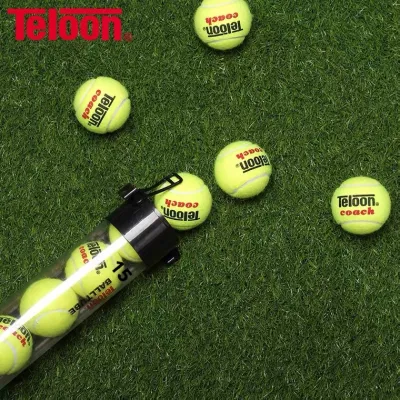
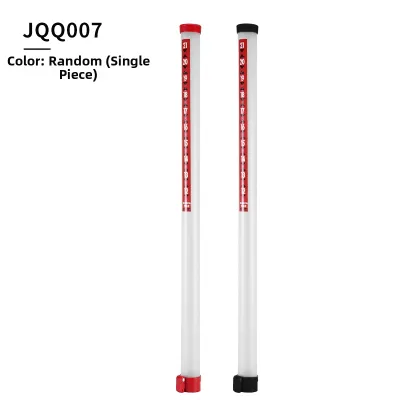
Prices are valid at publication and may change. Please refer to the product page for the latest price.
Telescopic length adjustments are crucial for ensuring an ergonomic reach that prevents excessive bending. For beginners, a shaft that collapses down to a compact size—typically between 40 and 60 centimeters—is ideal because it fits neatly into the side apparel pocket of a standard golf bag. When fully extended, however, the shaft should reach at least two to three meters. This length allows you to retrieve balls from steep canal banks, water hazards, or thorny bushes without having to step off the manicured turf or risk slipping into a hazard.
Overall weight and balance become critical factors when the basket, claw, or tube at the end of the shaft is fully loaded. A picker that feels light and nimble when collapsed can become surprisingly unwieldy when extended to its maximum length. This is due to the lever principle, where the weight at the far end exerts a multiplying force on your wrists and forearms. Beginners should look for models that maintain a balanced center of gravity, ensuring that you can maneuver the grabbing head precisely even when it is positioned several meters away from you.
The grip handle design is another specification that directly impacts your comfort during repetitive use. In Singapore’s hot and humid tropical climate, sweaty hands can easily slip off smooth plastic handles, leading to dropped tools or missed retrievals. Look for grips made of textured rubber, polyurethane, or high-density EVA foam. Ergonomic contours, finger ridges, and non-slip patterns provide a secure hold, allowing you to maintain control with minimal grip pressure, which in turn reduces hand fatigue during long practice sessions.
Comparing Common Ball Retrieval Mechanisms
Prong and claw pickers are among the most popular designs for single-ball retrieval, especially when dealing with firm ground, deep rough, or water hazards. These mechanisms typically feature three or four spring-loaded metal or high-impact plastic fingers that expand when pushed down over a ball and snap shut to secure it. This design offers precise targeting, allowing you to pluck a single ball out of a tight spot, such as between tree roots or floating in a pond, without disturbing the surrounding environment.

Suction cup pickers offer a highly portable, low-profile solution that attaches directly to the grip end of your putter. Made of flexible rubber or silicone, these cups allow you to retrieve a ball from the cup or the turf simply by pressing the end of your club down onto it. While they are incredibly convenient for putting practice on smooth surfaces, they have distinct limitations in tropical climates. Morning dew, sudden rain showers, and high humidity can coat the ball in a thin layer of moisture, causing the suction cup to lose its vacuum seal and slip off the ball repeatedly.
Multi-ball tube pickers, often referred to as shag tubes, are designed specifically for high-volume practice sessions on putting greens or chipping areas. These devices consist of a lightweight aluminum or plastic tube with a one-way tension gate at the bottom. As you push the tube down over a ball, the gate flexes open to let the ball in and then snaps shut to prevent it from falling out. While tube pickers allow you to collect 20 to 30 balls quickly without bending down, they are significantly heavier and bulkier than telescopic models, making them less suitable for carrying during a standard 18-hole round.
Roller pickers utilize a wire cage drum that spreads open when rolled over golf balls, trapping them inside the drum. This mechanism is exceptionally fast and efficient for clearing a large practice area, but its bulk makes it impractical for individual bag storage. For a beginner, deciding between these mechanisms comes down to where you practice most. If you spend your time on the driving range and chipping green, a tube picker is highly efficient; if you are playing casual rounds on the course, a telescopic claw or prong picker is the superior choice.
Pre-Purchase Checklist for Build Quality and Usability
Before finalizing your purchase, whether you are inspecting a ball picker in a local pro shop or evaluating specifications on an online marketplace, you must verify the structural integrity of the locking mechanism. Telescopic shafts rely on either twist-lock or push-button systems to hold their extended positions. Twist-lock mechanisms can slip if the internal collets wear down or if fine sand and grit get trapped inside the joints. Push-button locks are generally more secure, but you must ensure the buttons engage fully and do not pop out under downward pressure.
To test the locking mechanism in a store, extend the shaft fully, lock it in place, and apply moderate downward pressure against a carpeted floor. The shaft should remain completely rigid without collapsing, slipping, or bowing excessively. If you feel any vertical play or hear clicking sounds from the joints, the locking mechanism may be prone to premature failure. A reliable lock is essential, as a sudden collapse while retrieving a ball from a water hazard can cause you to lose balance.
The durability of the grabbing head materials is another critical checkpoint on your list. The head is subjected to repeated impacts against hard ground, rocks, and submerged debris, as well as constant exposure to intense ultraviolet (UV) radiation from the sun. Cheap, brittle plastics will degrade quickly under UV exposure, leading to cracks and broken prongs. Look for grabbing heads constructed from reinforced nylon, high-impact ABS plastic, or stainless steel, which offer the resilience needed to withstand both physical impacts and weathering.
Finally, verify the release mechanism to ensure that retrieved balls can be transferred easily into your bag or bucket. For claw and prong pickers, look for a simple trigger or a manual slide that opens the prongs without requiring you to pry them apart with your fingers. For tube pickers, check if there is a secure top cap or a heavy-duty zipper that allows you to dump the balls out smoothly. A poorly designed release mechanism that jams or requires manual extraction defeats the purpose of using a hands-free retrieval tool.
Routine Maintenance to Extend Your Picker's Lifespan
To keep your ball picker functioning smoothly and prevent premature wear, establishing a simple routine maintenance habit is essential. After every outdoor practice session or round of golf, make it a point to rinse the grabbing head and the lower sections of the telescopic shaft with clean, fresh water. This is particularly important if you have been retrieving balls from muddy hazards, sandy bunkers, or wet grass, as fine silt and organic debris can easily migrate into the telescopic joints and grind down the locking mechanisms.
Once rinsed, dry the entire tool thoroughly with a clean towel before collapsing the shaft. Leaving moisture trapped inside the nested sections of a telescopic shaft creates a perfect environment for corrosion, even on anodized aluminum or stainless steel parts. If your picker features metal spring joints or screws in the grabbing head, apply a small drop of silicone-based lubricant to these pivot points periodically. This keeps the moving parts operating smoothly and provides an extra barrier against moisture.
Store your ball picker in a dry, well-ventilated environment rather than leaving it permanently in a damp golf bag or the humid trunk of your car. High humidity levels can accelerate the degradation of rubber grips, causing them to become sticky or brittle over time. By taking a few minutes to clean, dry, and store your picker properly after each use, you ensure that the telescopic joints slide effortlessly and the grabbing mechanism remains responsive for your next practice session.
Frequently Asked Questions (FAQ)
Can I use a ball picker on the actual golf course during a round?
Yes, you can use a ball picker during a casual round, but you must remain highly mindful of the pace of play and general golf etiquette. Spending excessive time searching for and retrieving lost balls from deep hazards can delay the groups playing behind you, which is a common source of frustration on busy courses. If you cannot retrieve your ball within a minute or two, it is best to abandon it and move on to keep the game flowing smoothly.
From a rules perspective, under the official Rules of Golf, you are permitted to carry a ball retriever in your bag, and it does not count toward your 14-club limit. However, you cannot use the retriever to test the condition of a hazard or improve your lie before making a stroke. If your ball lands in a penalty area and is easily reachable with your picker, you may retrieve it, but you must do so efficiently without delaying the game or damaging the course infrastructure.
How do I release the ball from a suction cup picker without touching it?
Most standard suction cup pickers require a simple mechanical action to break the vacuum seal and release the ball hands-free. To do this, you can gently tilt the putter shaft to one side while the ball is resting inside your golf bag or a practice bucket. This tilting action forces air under the edge of the rubber cup, instantly breaking the suction and allowing the ball to drop out naturally without requiring you to pull it free with your fingers.
Some advanced suction cup models feature a small built-in plunger or a push-button release mechanism integrated into the top of the cup. When you press the button or squeeze the sides of the attachment, it deforms the cup slightly to let air in, releasing the ball instantly. Understanding how to utilize these design features ensures a completely hands-free retrieval process, keeping your hands clean and dry throughout your entire putting practice session.

Community discussion
Share your experience or ask a question. Comments are reviewed before publication.