
Selecting the right HOTO air pump depends on matching the device’s physical limits, battery capacity, and pressure output to your primary inflation tasks. While these sleek, digital inflators offer excellent convenience for everyday sports and commuting, choosing between a pocket-sized companion and a high-capacity utility pump requires a clear understanding of your typical use cases. By evaluating your pressure requirements, portability constraints, and the volume of air you need to move, you can select a model that performs reliably without risking battery depletion or thermal shutdown.
Identify Your Primary Inflation Scenarios
Before browsing specific models, define the physical demands of the items you intend to inflate. High-pressure, low-volume applications, such as road bicycle tires, require a pump capable of reaching high pounds per square inch (PSI) ratings but do not demand a massive volume of air. Conversely, low-pressure, high-volume tasks, such as inflating automotive tires or large recreational inflatables, require a pump that can move large quantities of air quickly, even if the target pressure is relatively low.
Portability is another critical factor that dictates your choice. If you plan to carry the pump during long cycling trips or e-scooter commutes, a lightweight, compact design that fits easily into a jersey pocket or backpack is essential. For garage storage or vehicle emergency kits, physical size is less of a constraint, allowing you to prioritize larger batteries and faster inflation speeds over minimal weight.
Products mentioned in this guide
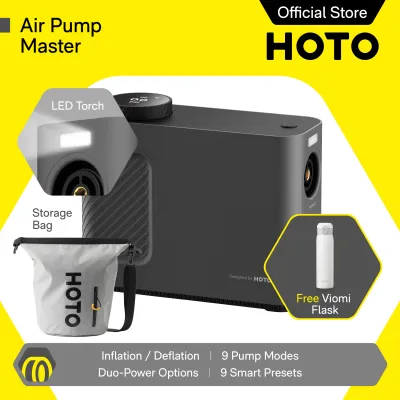
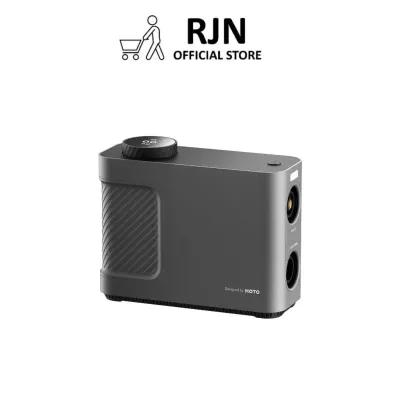
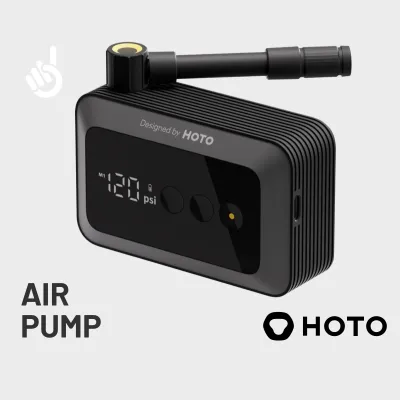
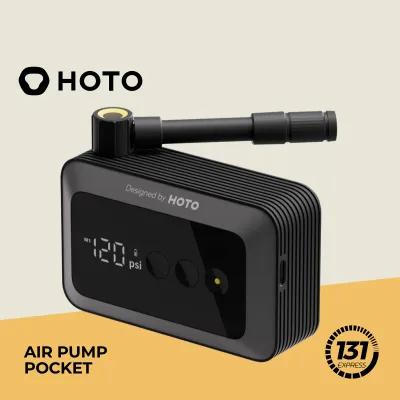
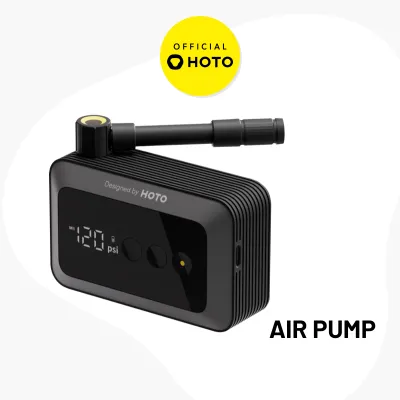
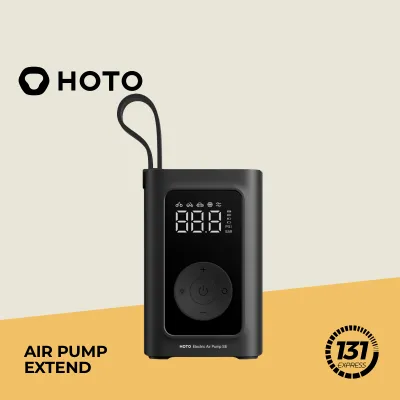
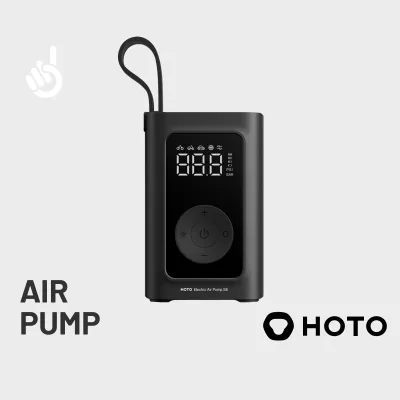
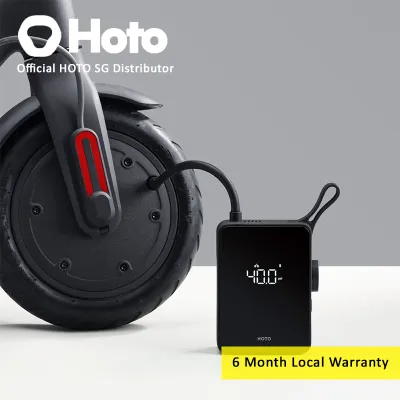
Prices are valid at publication and may change. Please refer to the product page for the latest price.
Finally, consider your preferred power source. Cordless, battery-operated models offer unmatched freedom on remote trails but require regular recharging. If your primary concern is roadside emergencies along highways, a model that can draw power directly from a 12V car socket ensures you are never stranded with a depleted internal battery.
Essential Specifications to Verify on HOTO Product Labels
When evaluating different HOTO air pump models on packaging or online marketplace listings, several key specifications demand close inspection. First, verify the maximum pressure rating, usually measured in PSI or bar. Ensure this maximum output comfortably exceeds the highest pressure required by your equipment, leaving a safe margin so the pump does not constantly operate at its absolute physical limit.

Battery capacity and estimated runtime are equally vital for cordless models. Look for the manufacturer’s stated inflation cycles, which often indicate how many bicycle or car tires the unit can top up on a single charge. Keep in mind that these estimates are typically based on standard ambient temperatures and moderate starting pressures, so actual performance may vary in colder conditions or with completely flat tires.
Always confirm the assortment of included nozzle adapters before finalizing your purchase. A versatile pump should come packaged with a standard Schrader valve connection, a Presta valve adapter for high-end bicycle tires, a ball needle, and a plastic nozzle for inflatable toys. Lacking the correct adapter can render even the most powerful pump useless for your specific sport or activity.
Lastly, examine the digital control features listed in the product specifications. Look for models that offer an automatic shutoff function, which stops inflation once the pre-selected target pressure is reached. This feature, combined with preset memory modes for different vehicle or equipment types, prevents accidental over-inflation and protects delicate bladders from bursting.
Matching HOTO Pump Designs to Specific Use Cases
Finding the right balance between size, power, and battery life requires matching the pump’s physical design to your dominant activity. Portable air pumps are not one-size-fits-all tools; a unit optimized for rapid car tire inflation will be too heavy for a cyclist, while an ultra-lightweight pocket pump will struggle with high-volume automotive demands.
For active commuters, road cyclists, and e-scooter riders, compact cordless models are the most practical choice. These handheld designs prioritize minimal weight and streamlined shapes, allowing them to slide easily into standard bottle cages or small saddlebags. While they may take longer to fill a tire, their portability ensures you are always prepared for unexpected punctures on the road.
Car owners and families with large inflatable gear should look toward high-capacity cordless or plug-in utility models. These larger units feature robust internal motors and superior thermal management systems, allowing them to run continuously for longer periods without overheating. The increased airflow rate significantly reduces the time spent waiting on the side of a busy road.
If your needs are limited to backyard recreation and team sports, a basic, lower-output model is often the most sensible and cost-effective option. These pumps focus on low-pressure precision rather than high-pressure capability, making them well-suited for keeping basketballs, soccer balls, and pool floats properly inflated without the added weight of heavy-duty internal components.
Cycling and Micro-Mobility Requirements
When selecting a pump for two-wheeled transport, verify that the nozzle attachment securely supports both Presta and Schrader valves without air leakage. Check the physical dimensions and weight of the unit to ensure it fits comfortably within your existing carrying setup, whether that is a frame mount, a hydration pack, or riding apparel. A pump that is too bulky or heavy will likely be left at home, defeating its purpose as an emergency tool.
Car Tires and High-Volume Demands
For automotive maintenance, check the manufacturer’s specified airflow rate to ensure the pump can handle passenger vehicle tires within a reasonable timeframe. Additionally, review the recommended duty cycle, which outlines the mandatory rest periods required to let the motor cool down. Attempting to inflate multiple large tires in rapid succession without these breaks can cause permanent thermal damage to the internal seals.
Sports Balls and Low-Pressure Precision
Inflating delicate sports equipment requires a digital interface that allows for fine-tuned, low-pressure adjustments, often in fractions of a PSI. Ensure the pump can be set to low target pressures to prevent over-stretching or bursting internal bladders. Always verify that the ball needle attaches securely to the hose, and check if the manufacturer recommends moistening the needle to protect the valve core during insertion.
Cross-Scenario Compatibility and Limitations
While it is tempting to seek a single tool for every inflation task, physical trade-offs are unavoidable. A compact, pocket-sized pump can technically inflate a car tire in an emergency, but the process will be slow, will generate significant heat, and may completely drain the battery before a single tire is fully pressurized. Understanding these physical limitations helps prevent frustration during urgent situations.
For heavy-duty tasks, such as seating a tubeless bicycle tire bead or inflating large towable water sports tubes, portable battery-powered pumps are generally inadequate. In these scenarios, a manual high-volume floor pump or a professional service station air compressor remains the safer and more efficient choice. Portable pumps are best utilized as convenient maintenance and emergency tools rather than primary workshop equipment.
If you plan to use a cordless unit for multiple tasks in a single session, manage your battery expectations carefully. Inflating several high-volume items back-to-back will rapidly deplete the lithium-ion cells, potentially leaving you without power when you need it most. Plan your charging schedule around your activities, ensuring the pump is fully charged before heading out.
Safe Operation and Maintenance Practices
To ensure the longevity and safe operation of your portable air pump, proper battery care is essential. Avoid storing the unit in extreme temperatures, such as inside a hot car trunk during peak summer hours, as excessive heat can permanently degrade the lithium-ion cells. Charge the battery using only compatible, certified cables and power adapters, and avoid leaving the device plugged in indefinitely after it reaches full capacity.
Regularly inspect the physical components of the pump before each use. Check the air hose for cracks, kinks, or signs of wear, and ensure the threaded or quick-release connectors are clean and free of debris. A damaged hose or loose connection can cause inaccurate pressure readings on the digital display, leading to under- or over-inflation.
Always monitor the pump’s physical condition during operation and be prepared to stop immediately if you observe any warning signs. If the casing becomes excessively hot to the touch, if the motor emits unusual grinding noises, or if the pump fails to increase pressure within a reasonable timeframe, turn the unit off. Allow it to cool down completely in a shaded area before attempting to diagnose the issue or resuming operation.
Frequently Asked Questions (FAQ)
Can a compact HOTO cordless pump fully inflate a completely flat car tire?
While a compact cordless pump can technically inflate a flat car tire, doing so pushes the device to its physical limits. The high volume of air required will cause significant battery drain and heat buildup, often requiring the pump to shut down for a cooling period before the tire is fully pressurized. It is best reserved for emergency top-ups rather than full inflations.
Do I need to lubricate the ball needle before using the HOTO pump?
Yes, it is highly recommended to moisten or lubricate the ball needle with a drop of water, soapy water, or silicone oil before inserting it into a sports ball. This reduces friction, prevents the needle from damaging or pushing the rubber valve core into the bladder, and ensures a tight, leak-free seal during inflation.

Community discussion
Share your experience or ask a question. Comments are reviewed before publication.