
Choosing the right Jazzminton racket depends on matching your physical swing mechanics and playing frequency with the paddle’s weight, balance, and material composition. While beginners benefit from highly forgiving, lightweight paddles that maximize control during casual backyard or beach rallies, experienced players require stiffer, more balanced options to channel precise power and speed. By systematically evaluating your current skill level and verifying key physical specifications, you can select a racket that enhances your play style without causing physical strain.
Identify Your Current Skill Level and Playing Style
To find the ideal equipment, you must first establish an honest baseline of your current playing abilities and habits. A self-evaluation checklist is highly effective for beginners who are still mastering basic swing mechanics. If you primarily play casually during weekend outings, focus on finding a racket that offers forgiving control rather than raw power. Beginners typically struggle with consistent contact, meaning a racket designed to minimize the penalty of off-center hits will keep rallies going longer and make the learning process much more enjoyable.
Intermediate players can identify their status by looking for specific indicators in their gameplay. If you find yourself engaging in regular, sustained rallies and are beginning to develop consistent power in your shots, you have likely outgrown the basic entry-level gear. At this stage, you are no longer just trying to keep the featherweight birdie in the air; you are actively seeking specific shot responses, such as a crisper feel when executing a drop shot or a more predictable bounce during faster exchanges.
Products mentioned in this guide
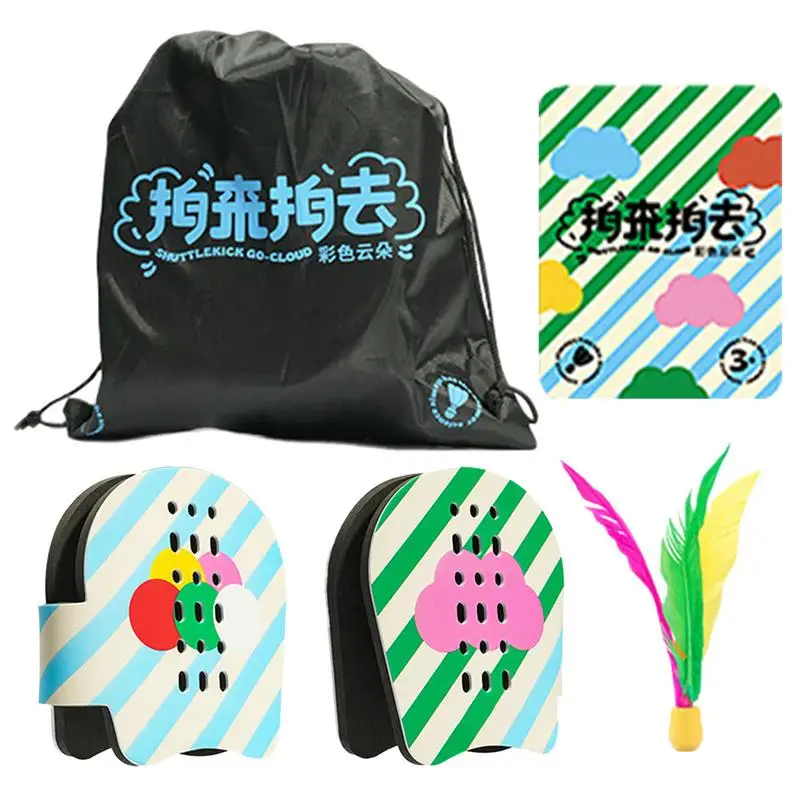

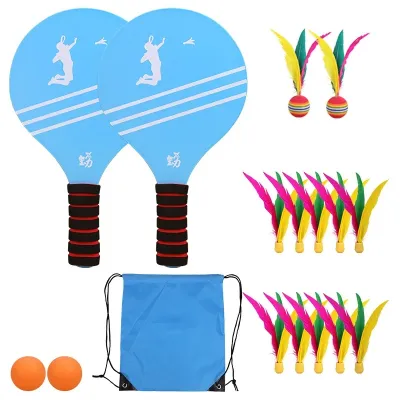
Prices are valid at publication and may change. Please refer to the product page for the latest price.
Advanced play is characterized by competitive matches, high-speed rallies, and a demand for precise shot placement. If you can direct the birdie to specific corners of the playing area with high accuracy and require immediate, detailed feedback from your racket to adjust your technique mid-game, you fall into this category. Advanced players need specialized equipment that does not flex excessively under high-velocity swings, allowing for maximum energy transfer and absolute control over the trajectory.
Understand the Racket Features That Affect Your Game
Before browsing online marketplaces or local sports shops, it is crucial to understand the physical specifications and design elements listed on product labels or manufacturer specifications. Weight and balance distribution are among the most critical factors influencing how a racket behaves in your hand. Head-heavy designs pack more mass at the top of the paddle, which helps generate natural momentum and power during a swing but can slow down your reaction time. Conversely, head-light designs place the balance closer to the handle, offering superior maneuverability and faster swing speeds at the expense of raw power.

Shaft flexibility and stiffness dictate how energy is transferred from your arm to the birdie. A flexible shaft acts like a spring, bending during the backswing and snapping forward to provide extra power with minimal physical effort, making it ideal for players with slower natural swing speeds. A stiff shaft, however, does not bend easily, requiring greater physical strength and faster swing speeds to generate power, but it rewards the player with unmatched directional accuracy and immediate tactile feedback.
Grip size and handle shape directly impact your comfort and control during extended playing sessions. A grip that is too small forces your fingers to clench tightly, which can lead to premature forearm fatigue and wrist strain. A grip that is too large limits your wrist mobility, making quick, reactive shots more difficult to execute. Ensuring proper hand placement by selecting a handle that allows a small gap between your fingertips and palm is essential for maintaining a relaxed, injury-free grip.
Material composition and build quality determine both the durability and the feel of the racket. Traditional wooden paddles offer excellent durability and a solid, classic feel, but they can be heavier and transmit more vibration to your arm. Modern composite materials, such as fiberglass or carbon fiber blends, are engineered to reduce weight while maintaining structural strength. Checking manufacturer tags for built-in vibration dampening properties can help protect your joints from the repetitive shock of high-impact hits.
Align Racket Specifications With Your Ability
Once you understand the key features, you can use a conditional framework to align these specifications with your evaluated skill level. For a beginner setup, prioritize lightweight, flexible, and evenly balanced options. These characteristics offer easier handling, reduce physical fatigue, and provide a larger effective sweet spot. A larger sweet spot ensures that even if you do not hit the birdie perfectly in the center of the paddle, the shot will still travel with reasonable accuracy and distance, helping you build confidence.
As you transition to an intermediate level, your equipment should reflect your developing technique by balancing power and control. Look for medium-flex shafts and an even balance distribution. This configuration supports a wider variety of shots, allowing you to practice both defensive control and offensive power without the racket forcing you into one specific style. It provides a neutral platform where your physical improvements, rather than the equipment, dictate the quality of your play.
Advanced players require highly specialized specifications to match their refined skills. If you have reached this level, evaluate stiffer shafts and specific balance points tailored to your dominant play style. For example, an advanced player who relies on aggressive, high-velocity shots may prefer a head-heavy, stiff composite racket to maximize power transfer. Conversely, a defensive player who excels at quick net play and rapid reactions will benefit more from a head-light, stiff setup that allows for instantaneous directional changes.
Before finalizing any purchase, perform a crucial verification step by cross-referencing your preferred specifications with the manufacturer’s official skill-level recommendations and product manuals. Many brands provide detailed charts indicating the intended user profile for each model. If a particular racket is labeled specifically for advanced competitive play, its stiff construction may cause discomfort or frustration if used by a beginner who lacks the swing speed to flex the frame properly.
Test and Verify the Fit Before You Buy
To ensure you make a sound investment, outline actionable, observable steps to verify the racket’s physical suitability and condition before committing. Begin with a thorough physical inspection checklist. Examine the frame carefully for any structural integrity issues, such as hairline cracks, uneven surfaces, or warping. Check the condition of the grip to ensure it is securely wrapped without peeling edges, and verify the quality of the hitting surface, ensuring there are no loose fibers or soft spots in composite models.
Next, perform a swing simulation to assess how the racket feels in motion. Hold the racket using your natural grip and execute several shadow swings in an open space, mimicking both defensive blocks and powerful overhead strokes. Pay close attention to how the weight and balance feel during these movements. If you feel immediate resistance, awkward weight distribution, or early signs of wrist fatigue after just a few simulated swings, the racket’s balance point or overall weight may not be suitable for your current physical conditioning.
Finally, protect your purchase by verifying the retailer’s official policies. Check the store’s return, exchange, and warranty conditions to see if they allow returns for rackets that do not match your expectations during actual play. Some retailers offer trial periods or satisfaction guarantees, which are incredibly valuable if you find that the racket’s real-world performance does not align with your shadow swings or the manufacturer’s specifications.
Maintain Your Racket and Recognize When to Upgrade
Preserving your equipment through proper maintenance ensures consistent performance and extends its lifespan. Routine care involves basic cleaning after each session; use a dry or slightly damp microfiber cloth to wipe away sweat, dirt, and outdoor debris from the handle and hitting surface. Store your racket in a dedicated protective cover away from extreme temperatures and high humidity, which is especially important in tropical climates like Singapore to prevent wooden paddles from warping or composite adhesives from degrading. Avoid hitting hard surfaces like concrete or rocks, as physical impacts can cause micro-fractures that compromise structural integrity.
Over time, you must learn to recognize performance decline signals that indicate your racket is wearing out. If you notice a sudden, unexplained reduction in power output, inconsistent shot accuracy despite maintaining your usual technique, or unusual vibrations traveling up your arm during contact, the material may be suffering from fatigue. Unexplained physical discomfort, such as soreness in your elbow or wrist, is a strong indicator that the racket is no longer dampening vibrations effectively or that its structural properties have degraded.
Lastly, keep an eye out for skill progression triggers that signal it is time to transition to a more advanced model. When your refined technique and increased swing speed consistently outgrow your current racket’s capabilities, you will feel limited by your gear. For instance, if you find that your flexible beginner racket flexes too much during fast rallies, causing your shots to fly long or lose accuracy, your physical abilities have surpassed the equipment’s design limits. Upgrading to a stiffer, more precise model at this juncture will unlock your full potential and support your continued growth in the sport.

Community discussion
Share your experience or ask a question. Comments are reviewed before publication.